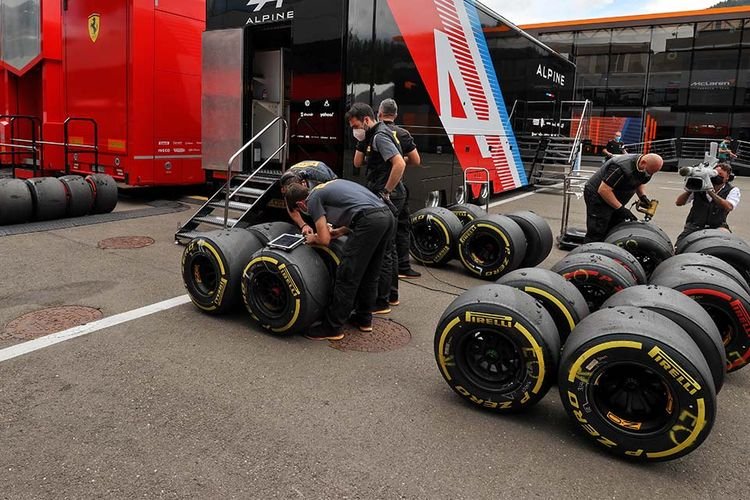
Formula 1 tires are among the most advanced racing components in the world, designed to deliver maximum grip, performance, and durability under extreme conditions. But after a Grand Prix weekend ends, those expensive tires do not simply become waste or get sold to the public.
As the exclusive tire supplier for Formula 1, Pirelli controls the entire lifecycle of every F1 tire, from delivery to recycling.
1. Tracking and Deactivation: Every Tire Is Monitored
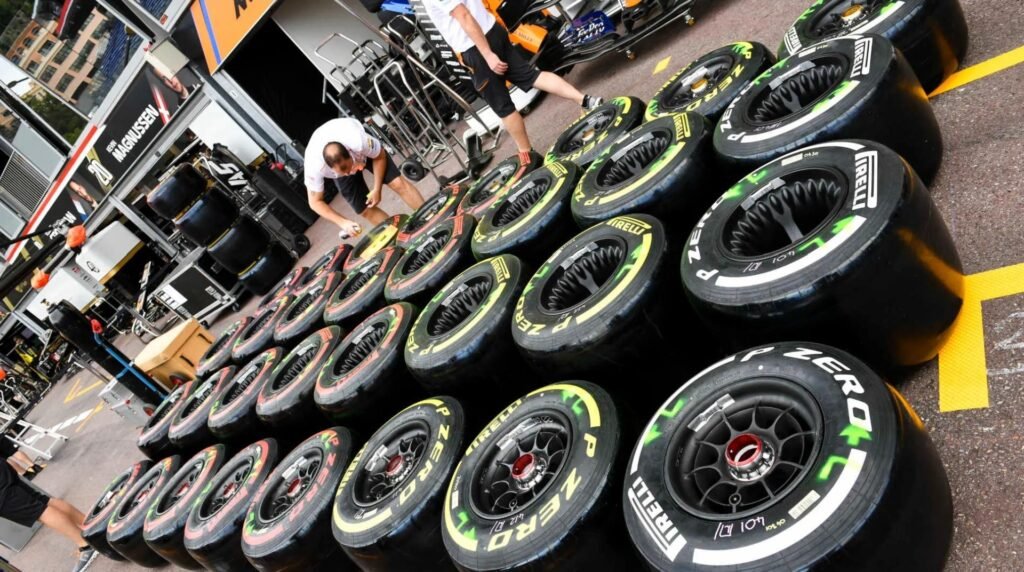
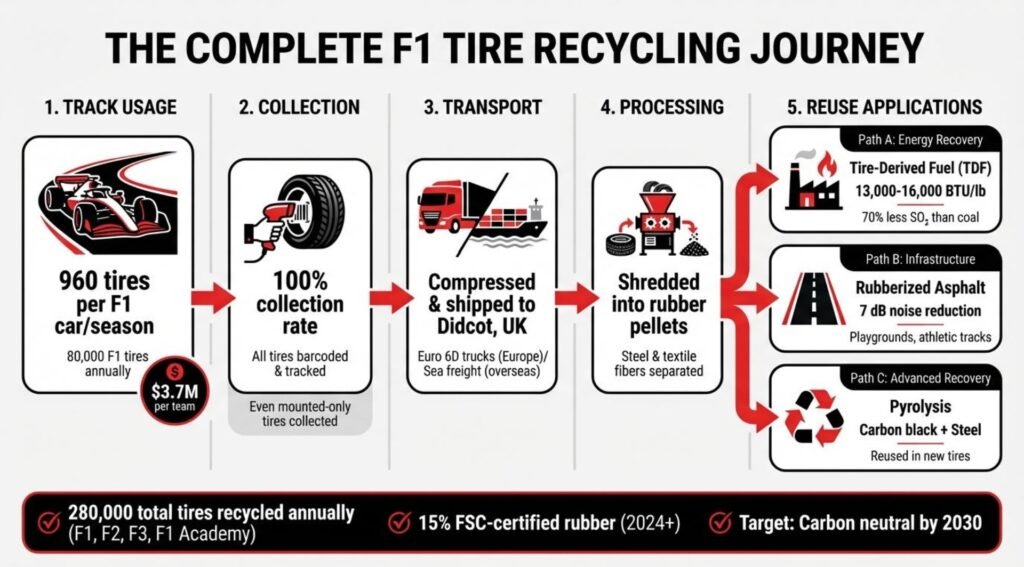
Every Formula 1 tire is equipped with a unique barcode system that allows Pirelli to track its usage throughout a race weekend. The data includes information about the tire type, allocation, and usage history.
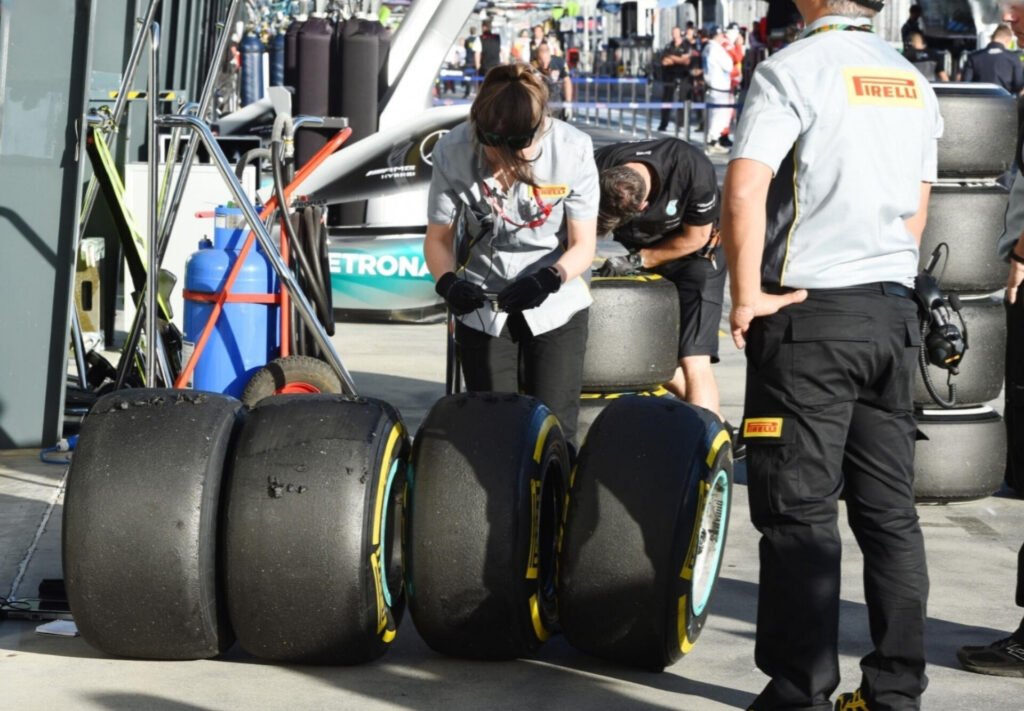
Once the session or race is completed, used tires are collected by Pirelli technicians. The sidewalls of the tires are damaged or cut to deactivate them.
This process serves several purposes:
- Preventing used F1 tires from being resold on the black market.
- Ensuring that no one can reuse them for unauthorized racing activities.
- Protecting Pirelli’s secret tire compound technology from competitors.
F1 tire compounds are highly confidential, with years of research and development behind their chemical formulas.
2. Shredding Process: Turning Racing Tires Into Raw Materials
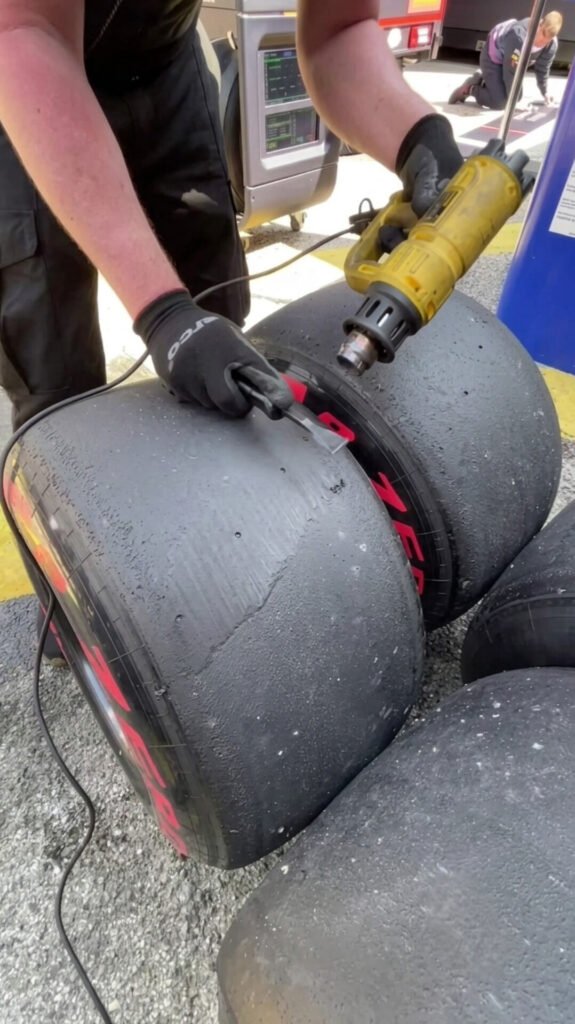
After being collected and deactivated, the tires are transported to specialized recycling facilities.
The tires are processed through industrial shredders that break them down into small pieces of rubber, often called rubber granules or rubber crumb.
During this process, the internal materials are separated, including:
- Steel wires from the tire structure.
- Textile fibers used for reinforcement.
- Rubber compounds.
The goal is to separate the different materials so they can be reused in other industries.
3. Why F1 Tires Cannot Become New Racing Tires
Unlike normal road tires that may have limited reuse options, Formula 1 tires experience extreme conditions:
- Temperatures that can exceed 100°C during racing.
- Massive aerodynamic loads.
- Extreme friction forces during braking and cornering.
- High levels of stress from acceleration and G-forces.
The rubber undergoes permanent chemical changes through a process called vulcanization. Because of these changes, the material cannot simply be melted down and turned into a brand-new F1 tire.
Instead, recycled F1 tires are transformed into other useful products.
Where Do Recycled F1 Tires Go?
1. Cement Industry Fuel
One of the most common uses is as an alternative fuel source for cement factories.
Shredded tires are burned at extremely high temperatures, often above 1,300°C, replacing part of the coal normally used in cement production.
This process provides high energy output while minimizing solid waste because the remaining materials become part of the cement production process.
2. Construction and Sports Materials
The rubber can also be processed into useful materials such as:
- Rubberized asphalt for quieter roads.
- Shock-absorbing surfaces for playgrounds.
- Athletic running tracks.
- Protective flooring materials.
F1 Teams Do Not Own the Tires
A common misconception is that Formula 1 teams purchase their tires. In reality, teams only receive tires from Pirelli for use during race weekends.
After the event finishes, all tires must be returned to Pirelli, including:
- Used race tires.
- Unused tires.
- Damaged tires.
This strict system ensures that every F1 tire is controlled from production to final recycling.
Behind every Formula 1 tire is not only a story of speed and technology, but also a carefully managed recycling process designed to protect innovation and reduce environmental impact.

Adhe is part of the 88 Eight Box Editorial Team, covering JDM culture, motorsport, automotive technology, and industry news. The team focuses on delivering original automotive stories, reviews, and insights for enthusiasts worldwide.