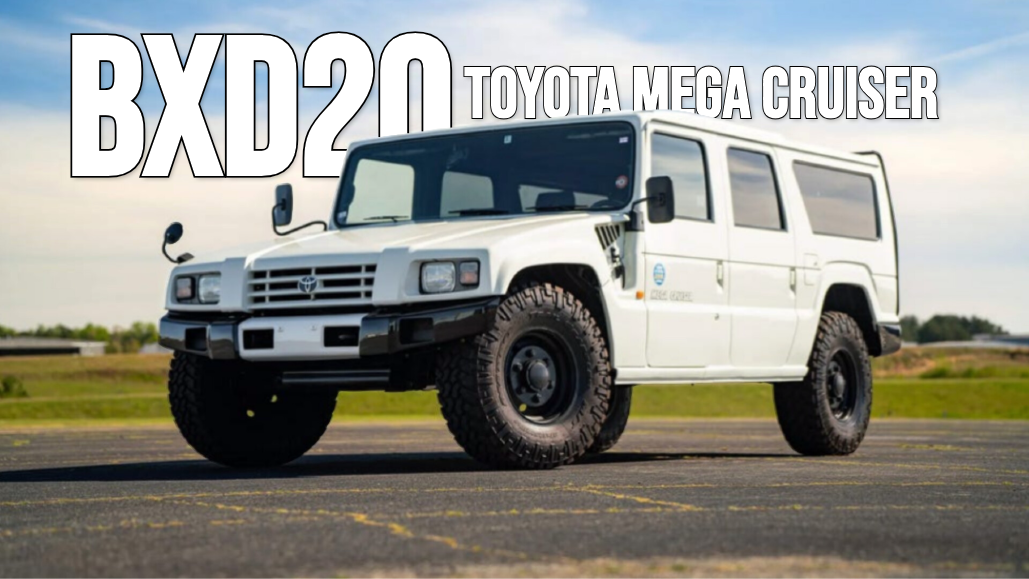
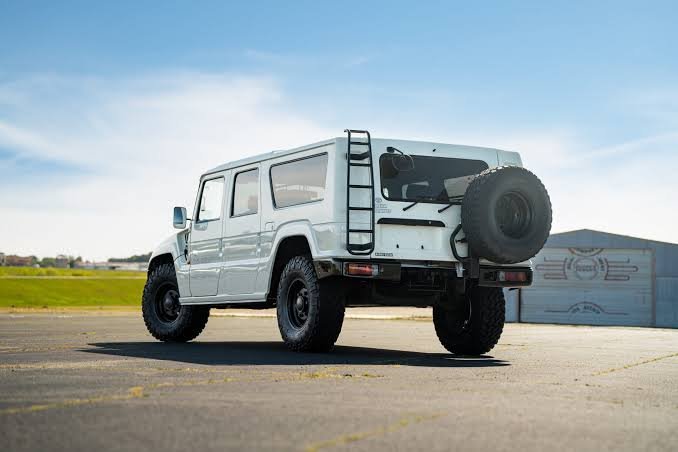
Long before modern extreme SUVs like the Toyota Land Cruiser 300 GR Sport became popular, Toyota created something far more unusual: the Toyota Mega Cruiser BXD20.
Often called the “Japanese Hummer,” the Mega Cruiser was a civilian vehicle built with military-grade engineering. It was never designed to chase top speed or luxury. Instead, Toyota focused on one mission: creating a machine capable of conquering the toughest environments on Earth.
With its massive body, advanced 4WD system, and rugged construction, the Mega Cruiser BXD20 remains one of the most unique vehicles ever produced by Toyota.
Toyota Mega Cruiser BXD20 Specifications
| Category | Details |
|---|---|
| Production Years | 1996 – 2001 |
| Model Code | BXD20 (Civilian Version) |
| Engine | Toyota 15B-FTE 4.1L Inline 4-Cylinder Turbodiesel |
| Power Output | 153 hp |
| Torque Output | 382 Nm |
| Drivetrain | Full-time 4WD |
| Differentials | Front & rear Torsen LSD, center differential lock |
| Ground Clearance | 420 mm |
| Axle Technology | Portal Axles (Hub Reduction System) |
| 4-Wheel Steering | Rear wheels turn up to 12 degrees |
| Turning Radius | Around 5.6 meters |
| Seating Capacity | 6 passengers |
| Special Features | Three front windshield wipers, optional Central Tire Inflation System (CTIS) |
| Civilian Production | Estimated 133–149 units |
A Heavy-Duty Diesel Built for Endurance
Under the hood, the Mega Cruiser is powered by Toyota’s 15B-FTE 4.1-liter turbo-diesel four-cylinder engine.
With 153 horsepower, it may look modest compared with today’s high-performance SUVs. However, the Mega Cruiser was never about horsepower numbers. Toyota designed it around reliability, durability, and massive low-end torque.
The engine delivers strong pulling power at low RPM, making it ideal for carrying heavy loads and crawling through difficult terrain for extended periods.
The Mega Cruiser follows a completely different philosophy from modern SUVs: it is not about being the fastest vehicle on the road, but about being the one that keeps moving when the road disappears.
Military-Grade Off-Road Technology
One of the Mega Cruiser’s most impressive features is its portal axle system, also known as a hub reduction system.
Unlike conventional vehicles, the axle shafts are positioned higher than the center of the wheels. This design provides an incredible 420 mm of ground clearance without requiring an excessively tall body.
The result is a vehicle capable of tackling deep mud, rocks, sand, and harsh trails while maintaining excellent stability.
The drivetrain is equally impressive. The Mega Cruiser comes with full-time 4WD, front and rear Torsen limited-slip differentials, and a center differential lock to maximize traction in extreme conditions.
4-Wheel Steering: Making a Giant SUV Surprisingly Agile
Despite its enormous size, Toyota equipped the Mega Cruiser with a technology rarely seen on vehicles of this class: 4-Wheel Steering (4WS).
At low speeds, the rear wheels can turn up to 12 degrees in the opposite direction of the front wheels, reducing the turning radius to approximately 5.6 meters.
This allows the massive SUV to maneuver through narrow trails and challenging environments with much greater confidence.
It was a clear example of Toyota’s engineering philosophy: strength alone is not enough — a vehicle must also be capable and controllable.
A Unique Design With Unusual Features
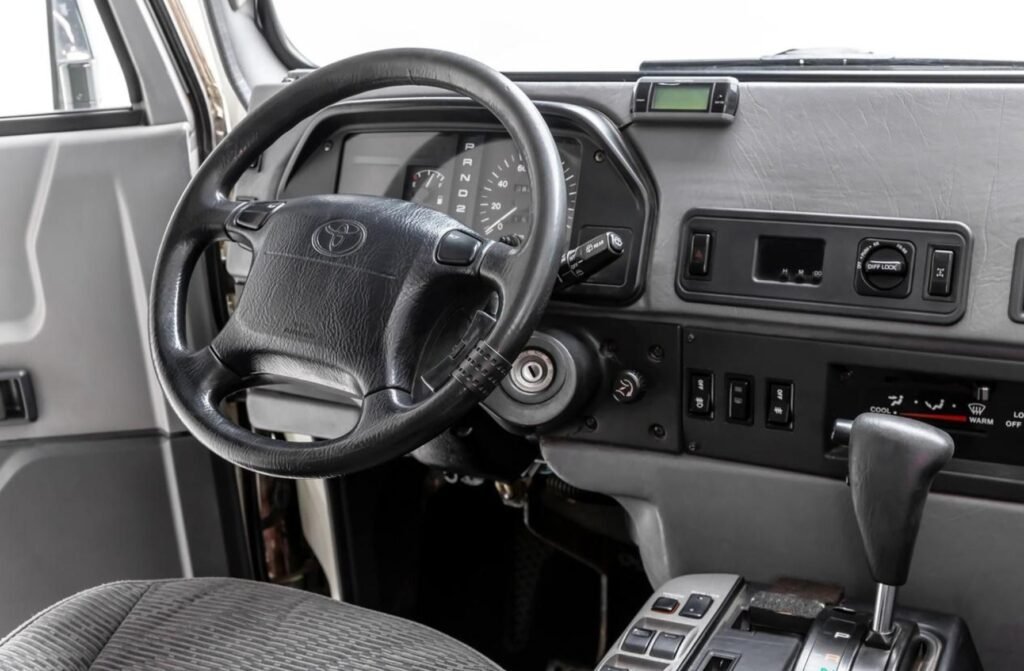
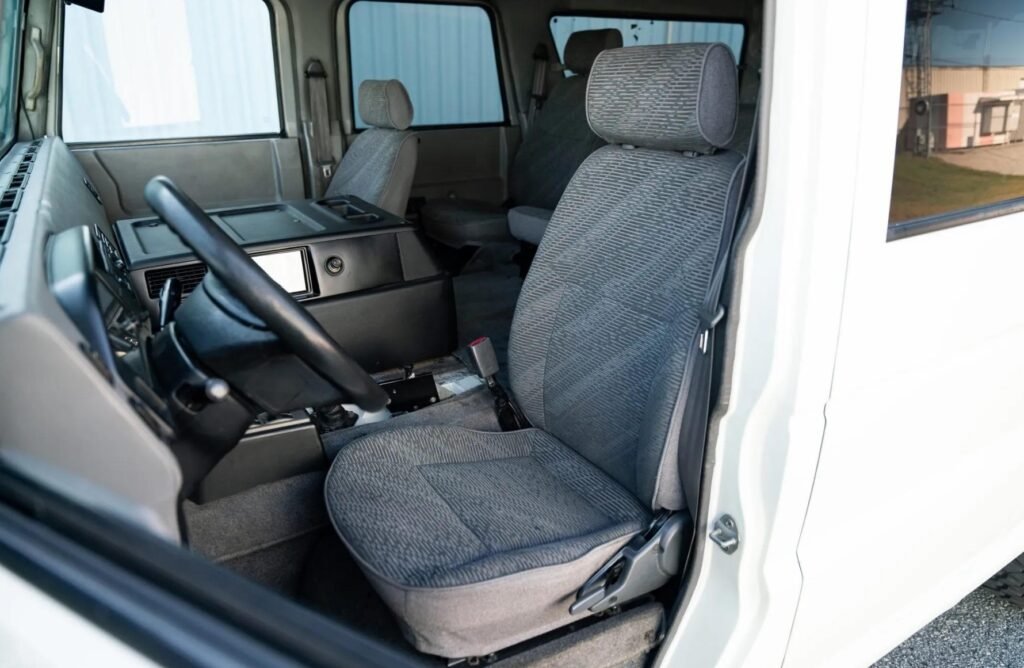
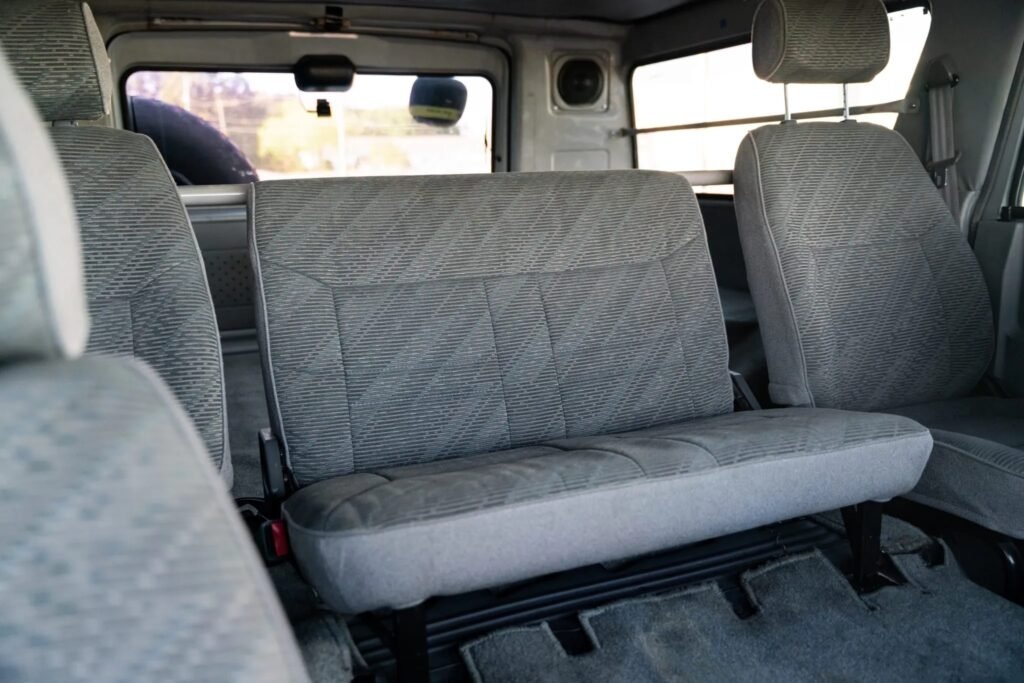
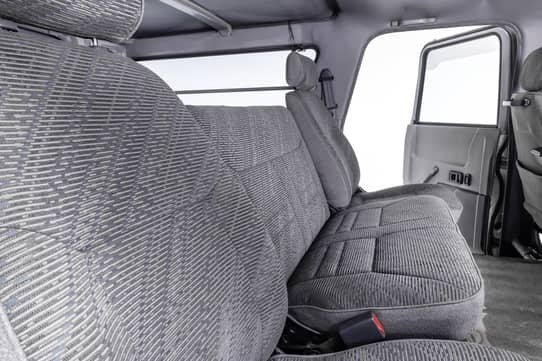
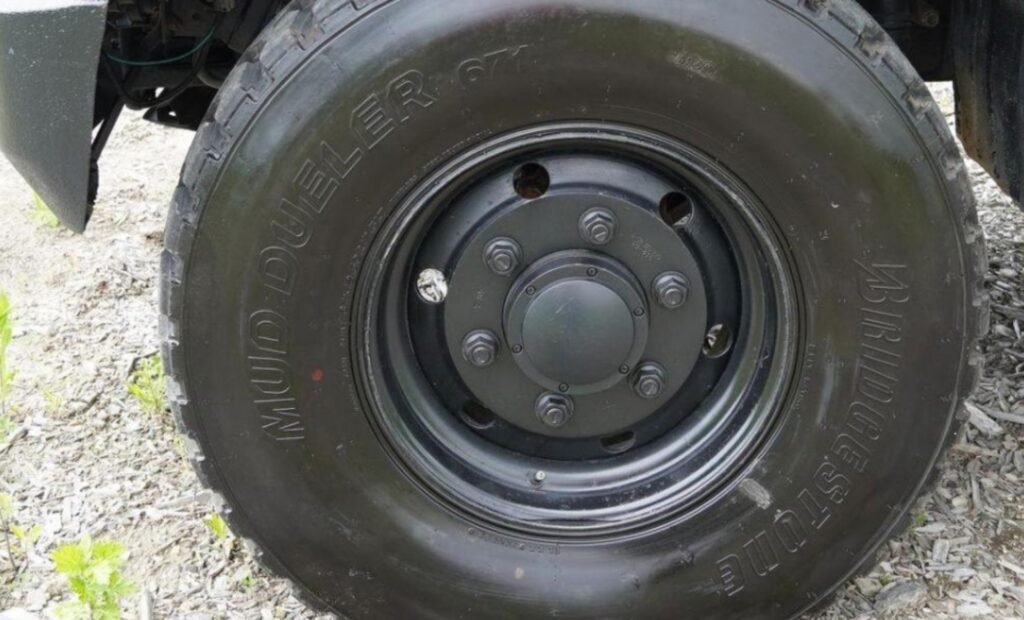
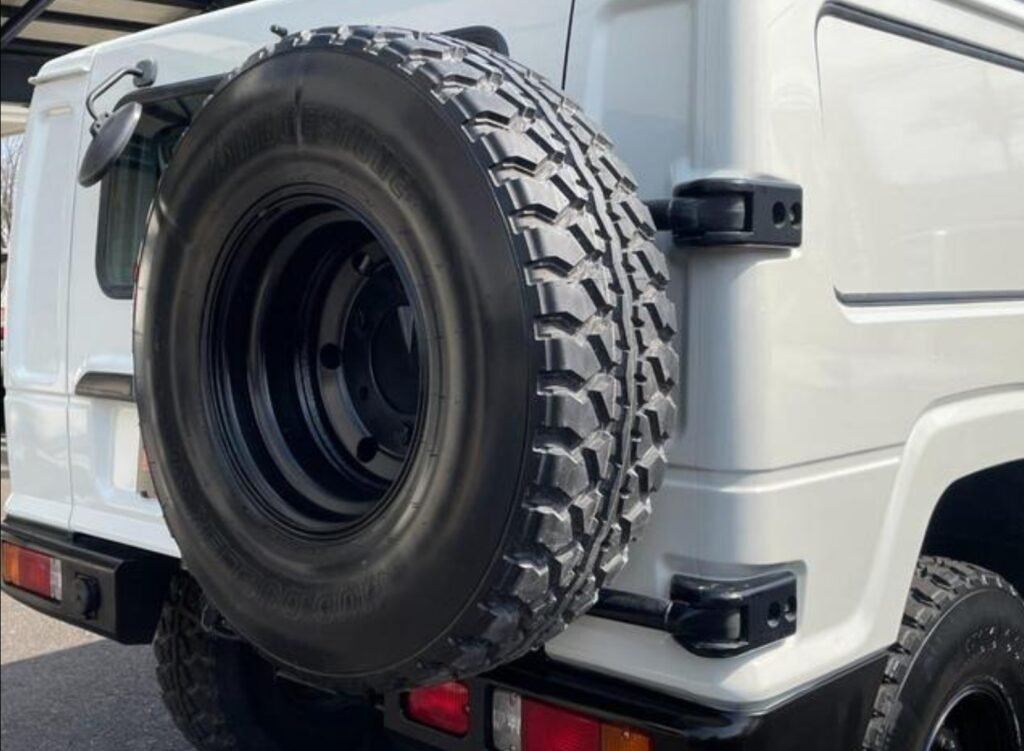
The Mega Cruiser is full of details that make it stand out. One of its most recognizable features is the use of three windshield wipers, designed to handle the large front glass area.
Toyota also offered an optional Central Tire Inflation System (CTIS), allowing drivers to adjust tire pressure from inside the cabin depending on terrain conditions.
Inside, the cabin was designed for practicality and space, offering room for up to six passengers in a wide and functional layout.
Extremely Rare and Highly Collectible
The Toyota Mega Cruiser was produced from 1996 to 2001, but the civilian BXD20 version was built in extremely limited numbers.
While the military BXD10 version reached around 3,000 units, the civilian model is believed to have had only around 133–149 examples produced.
High ownership costs, Japan’s vehicle taxation system based on engine size and weight, and the Mega Cruiser’s enormous dimensions limited its popularity when new.
Today, however, the story has changed. As these vehicles become eligible for import under classic vehicle regulations in various markets, including the United States, collectors have started searching for them.
Original and well-maintained examples are now considered rare automotive treasures, with values often exceeding their original purchase price.
The Toyota Mega Cruiser represents a time when automakers were willing to build vehicles simply because they wanted to create something extraordinary.
In an era where modern SUVs compete with bigger screens, more luxury, and more horsepower, the Mega Cruiser offers something different: pure capability, durability, and character.
It is not the most practical SUV, and it was never meant to be. But that is exactly what makes it special.
Would you like to see Toyota bring back the Mega Cruiser as a modern extreme SUV? Share your thoughts in the comments.

Adhe is part of the 88 Eight Box Editorial Team, covering JDM culture, motorsport, automotive technology, and industry news. The team focuses on delivering original automotive stories, reviews, and insights for enthusiasts worldwide.