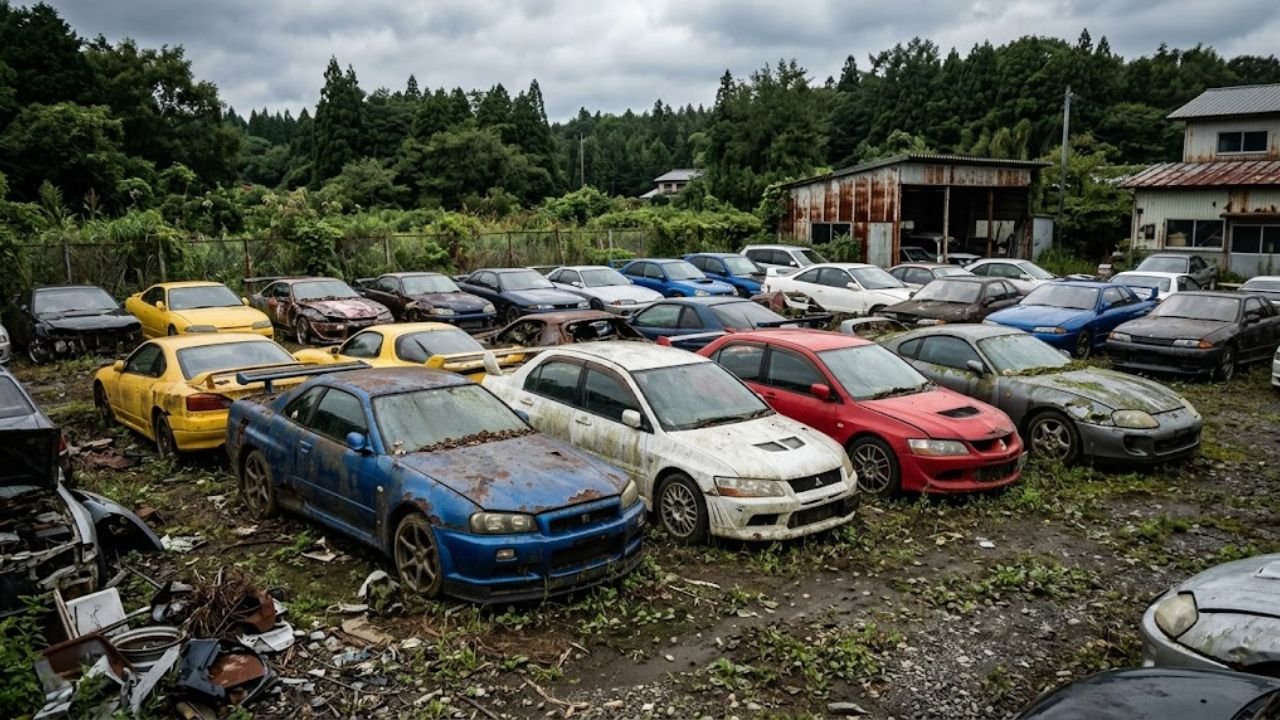
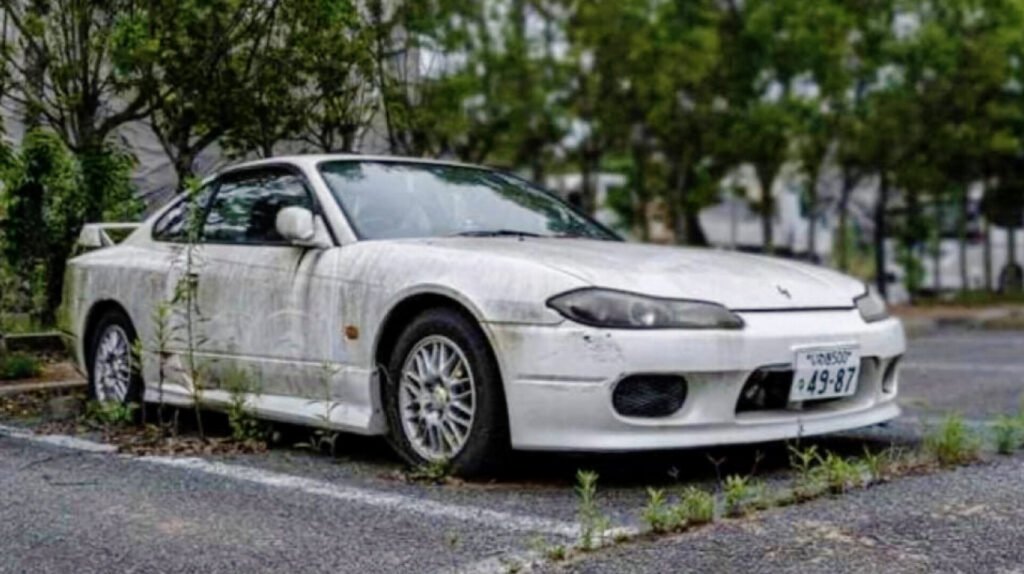
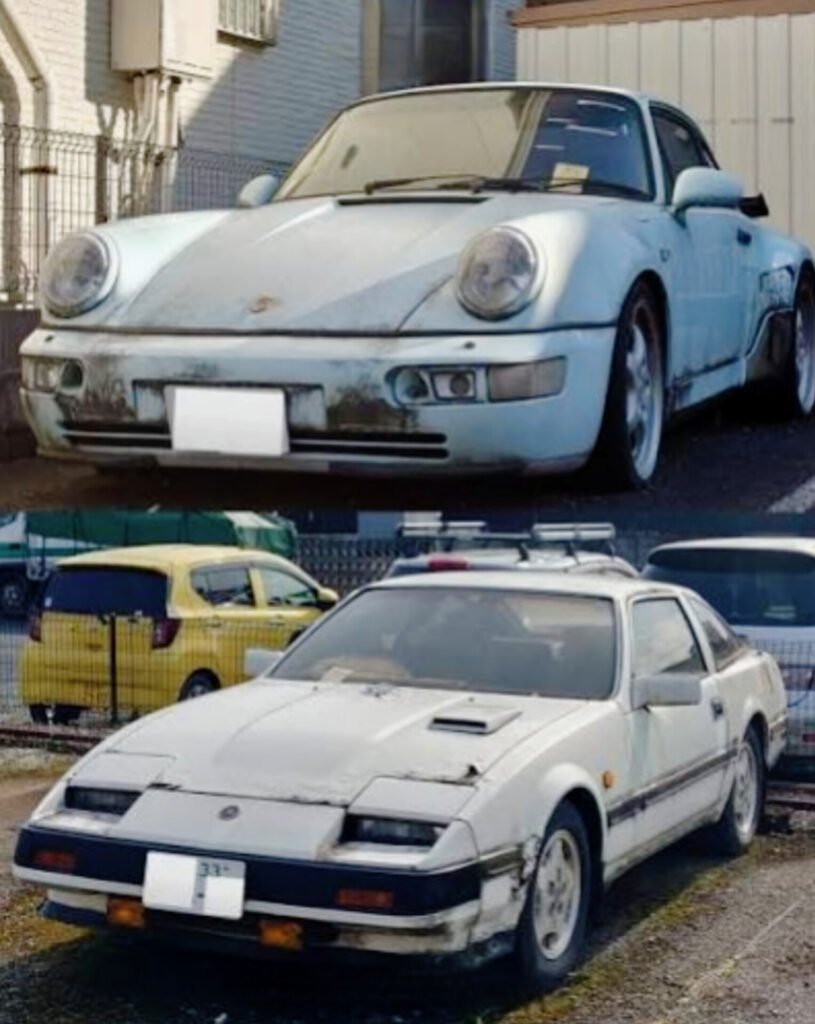
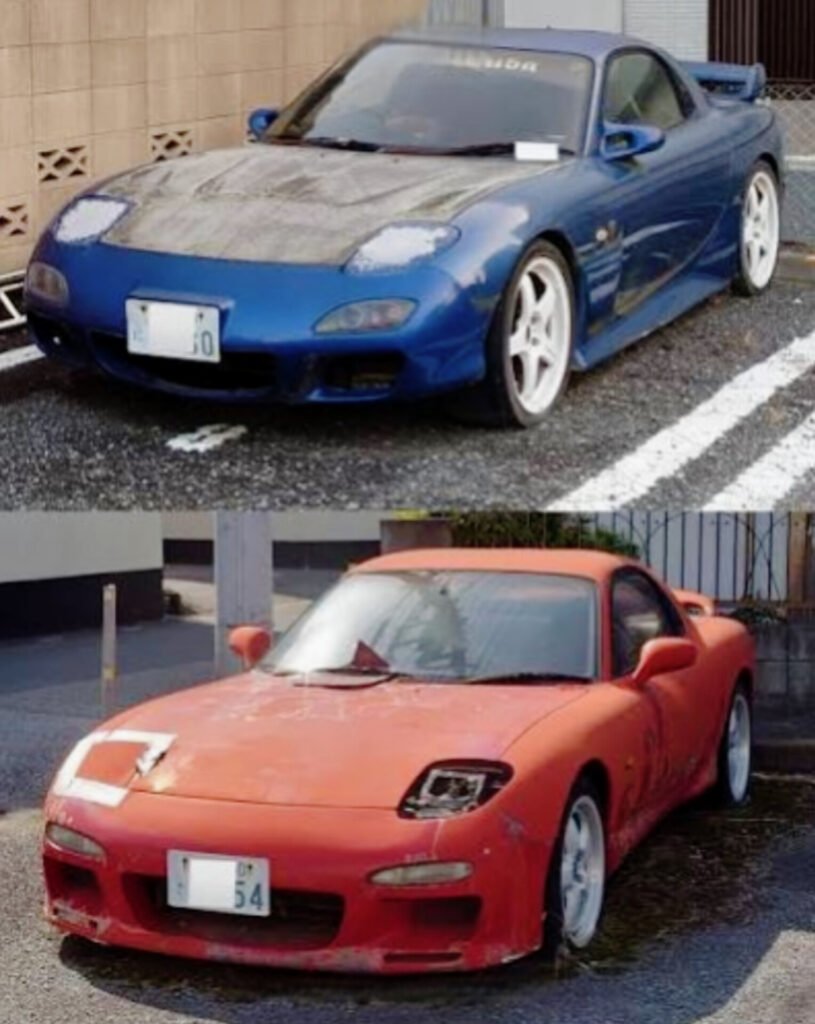
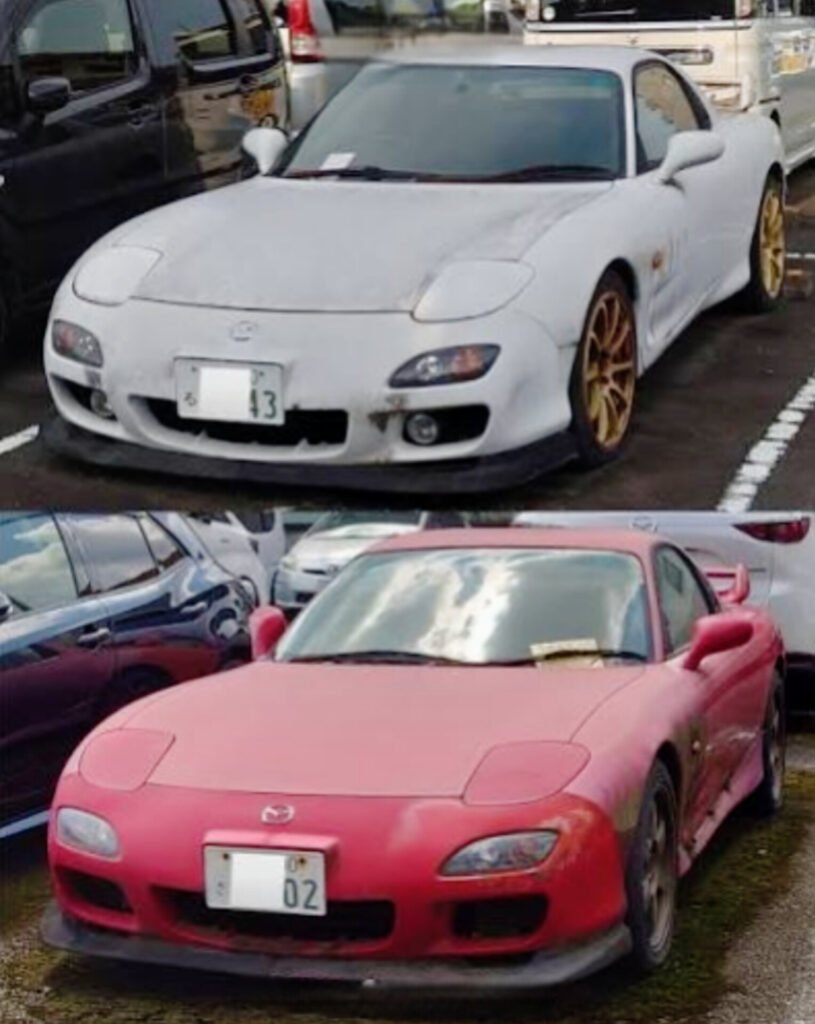
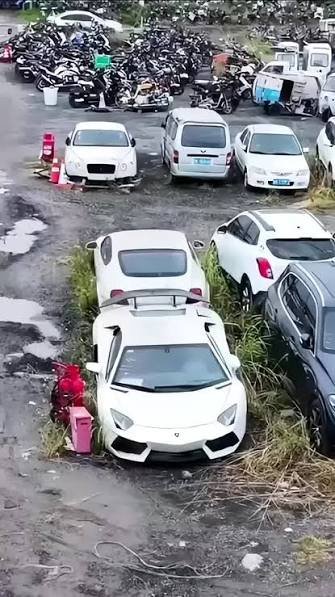
Hidden behind overgrown vegetation and abandoned streets inside the Fukushima Exclusion Zone lies one of the most heartbreaking sights in automotive history. Scattered across the area are forgotten machines that once represented the golden era of performance cars, including the Nissan Skyline GT R, Mitsubishi Lancer Evolution, Subaru Impreza WRX STI, and Porsche models, now frozen in time.
These were not ordinary vehicles. Many were highly desirable JDM icons that today could be worth hundreds of thousands of dollars among collectors. But on March 11, 2011, when a massive earthquake and tsunami triggered the Fukushima Daiichi nuclear disaster, their owners were forced to leave everything behind.
More than a decade later, these dream cars remain where they were abandoned, becoming a tragic automotive time capsule of a world that suddenly stopped.
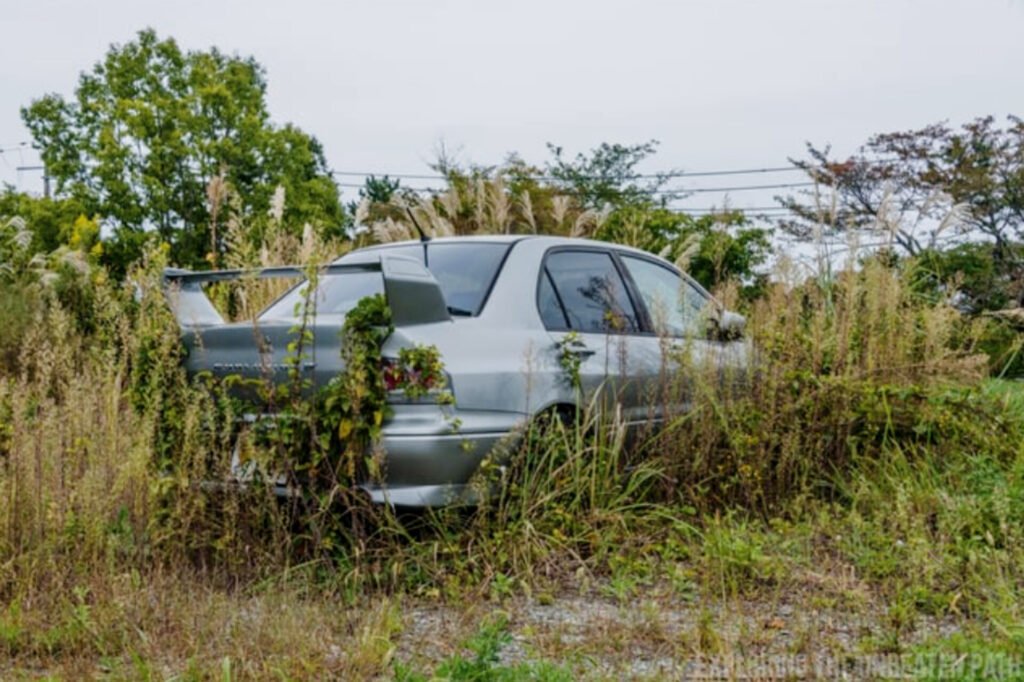
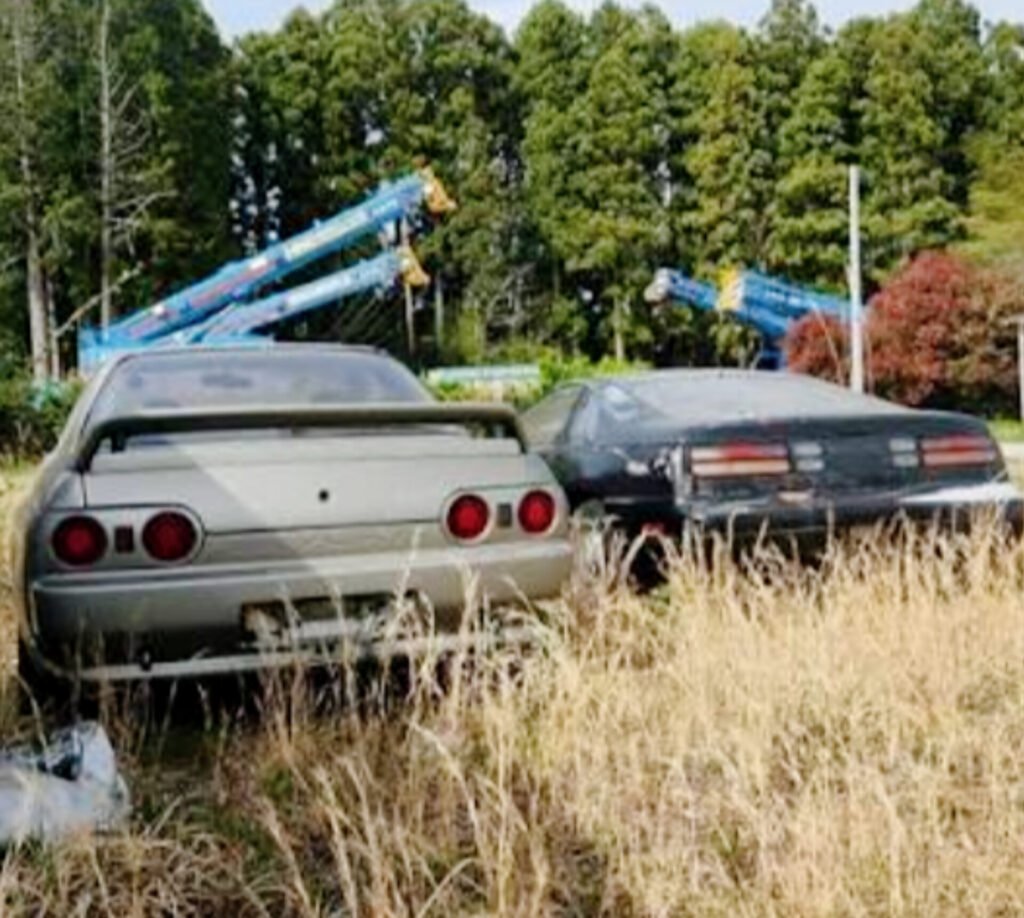
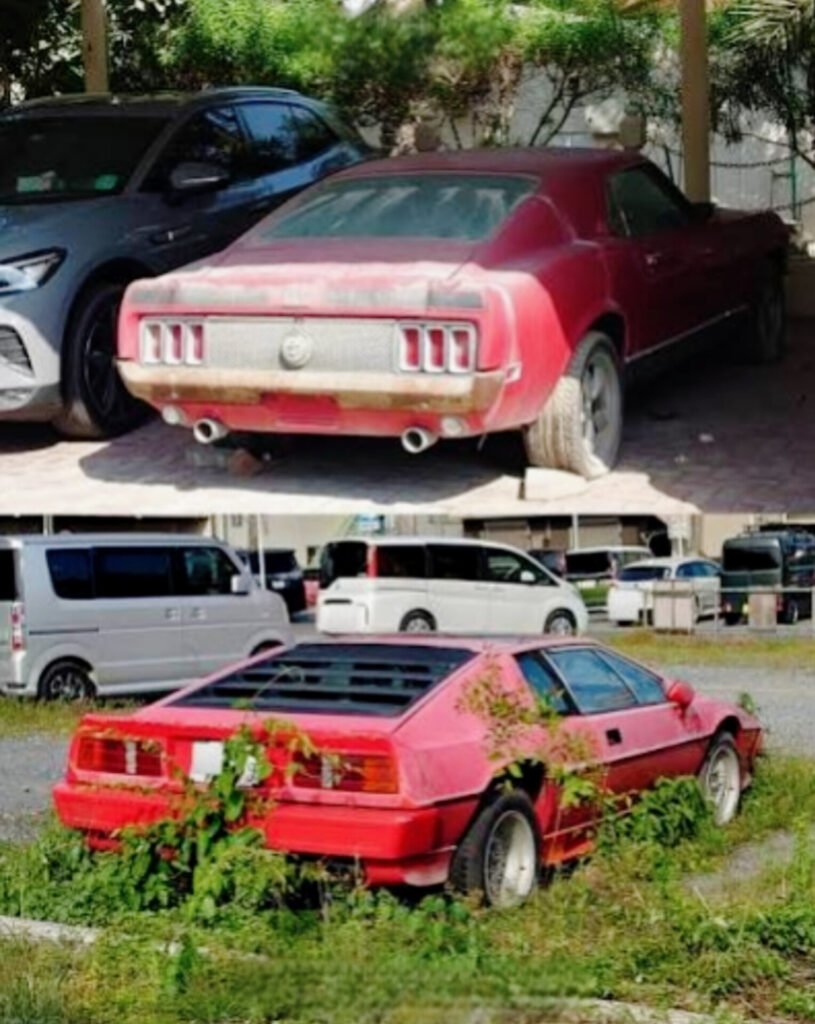
A JDM Treasure That Became Untouchable
For car enthusiasts and car spotters, the Fukushima Exclusion Zone might look like a hidden paradise. The idea of discovering abandoned Skyline GT Rs or rare performance cars sitting untouched sounds like a dream come true.
But the reality is far darker.
Following the Fukushima Daiichi nuclear accident, radioactive materials such as Cesium 137 spread throughout the surrounding areas. Contaminated dust settled on buildings, roads, and vehicles, finding its way into every part of these abandoned cars, from engine bays and air conditioning systems to interior materials like seats and carpets.
These vehicles are no longer just forgotten classics. They became contaminated objects requiring strict handling and safety procedures.
Why These Legendary Cars Could Never Be Saved
One of the biggest reasons these cars cannot simply be collected and restored is the strict control over the affected areas.
The Fukushima Exclusion Zone is heavily regulated, and removing potentially contaminated objects without proper inspection and approval is not allowed. Any attempt to take these vehicles outside the zone would require extensive safety checks and official clearance.
Even if someone had the money and permission, restoring them would be an extremely difficult and expensive task.
The process could involve:
- Complete disassembly of the vehicle to inspect the chassis and hidden areas.
- Removal and disposal of contaminated interior parts, including seats, carpets, wiring, and panels.
- Repeated decontamination procedures for the body and mechanical components.
For most vehicles, the cost of restoration and safety processing would be far greater than their market value.
Nature Slowly Took Back the Machines
Radiation was not the only enemy these cars faced. Time itself became another destructive force.
After years without maintenance, engines seized, metal components corroded, tires deteriorated, and fuel systems became unusable. The once powerful machines that dominated Japanese roads and racing culture slowly turned into silent pieces of metal being reclaimed by nature.
As Fukushima continues its long recovery process, many abandoned vehicles have not been preserved as historical artifacts. Instead, some have been removed and processed as controlled waste.
A Silent Reminder From Fukushima
Seeing legendary performance cars abandoned among empty streets and wild vegetation is a powerful reminder of how fragile human achievements can be.
The Skyline GT R, Lancer Evolution, and WRX STI were more than just machines. They represented an era of creativity, engineering passion, and Japanese automotive culture that captured the imagination of enthusiasts around the world.
The story of these cars is not only about lost vehicles, it is about lost memories. Every abandoned car had an owner, a story, and a dream attached to it. Fukushima turned these icons into a symbol of how quickly life can change.
Perhaps the saddest part is knowing that some of the most desirable JDM legends in history will never hear their engines roar again.
What do you think? Should some of these cars have been preserved as historical artifacts, or was destroying them the only responsible decision? Share your thoughts in the comments below.

Adhe is part of the 88 Eight Box Editorial Team, covering JDM culture, motorsport, automotive technology, and industry news. The team focuses on delivering original automotive stories, reviews, and insights for enthusiasts worldwide.