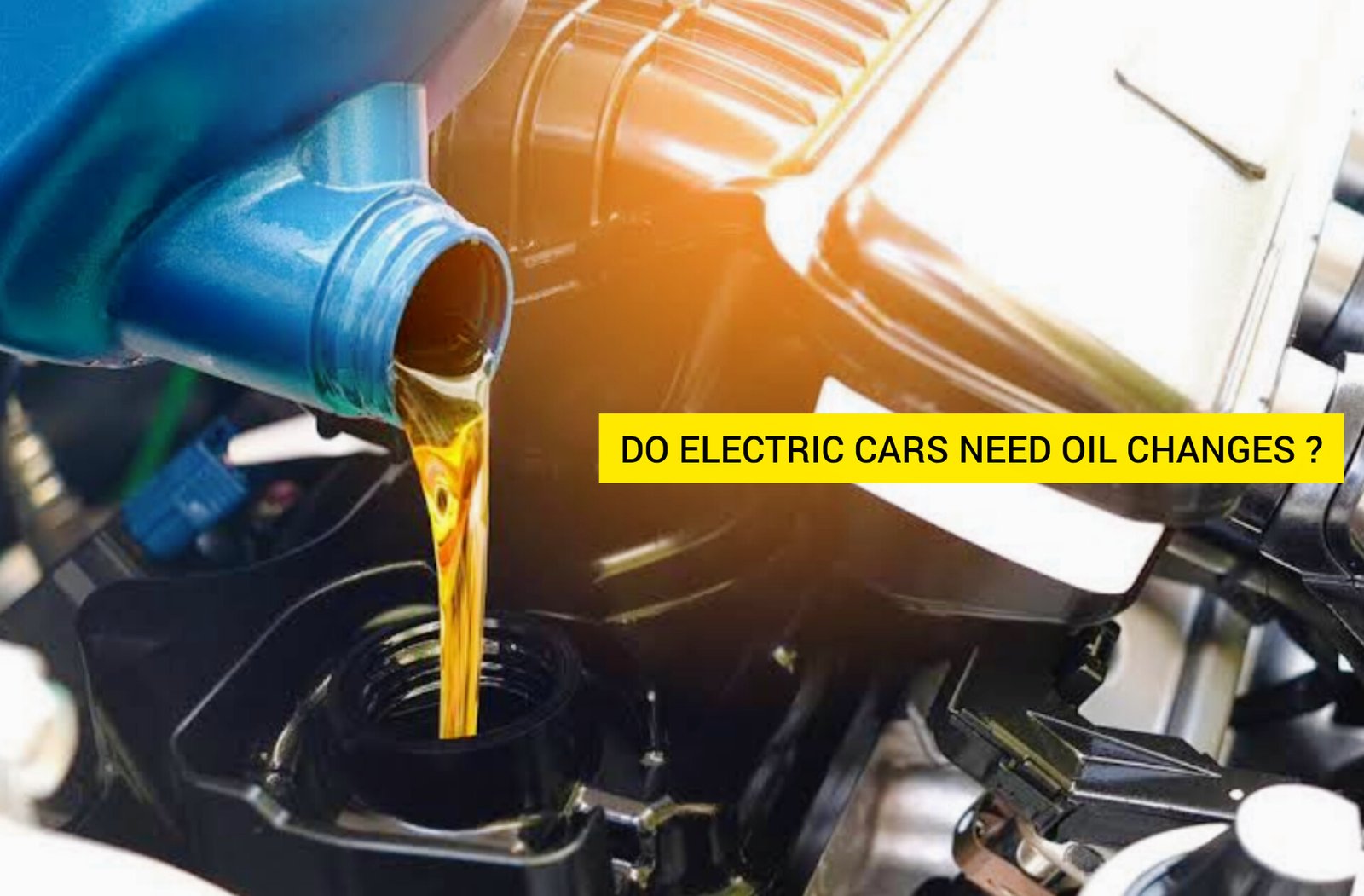
One of the biggest advantages of electric vehicles (EVs) is their lower maintenance requirements compared to traditional internal combustion engine (ICE) vehicles. Without a conventional engine, EV owners no longer need regular oil changes, oil filters, spark plugs, or many of the components associated with combustion engines.
However, the idea that electric cars are completely maintenance-free is a common misconception. While EVs eliminate many mechanical parts found in gasoline and diesel vehicles, they still rely on advanced thermal management systems, electric drivetrains, and hydraulic components that require proper care.
From battery cooling systems to brake fluids and reduction gear lubrication, several fluids remain essential to ensure performance, reliability, and safety.
1. Battery Coolant: Protecting the Heart of an EV
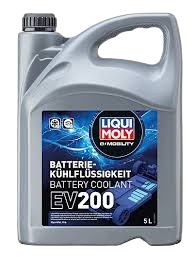
The lithium-ion battery pack is the most expensive and one of the most sensitive components in an electric vehicle. Its performance and safety depend heavily on maintaining an ideal operating temperature.
To achieve this, most modern EVs use a liquid cooling system that keeps the battery temperature within an optimal range, usually around 20°C to 35°C.
Battery coolant plays a crucial role in preventing overheating during demanding situations such as high-speed driving, heavy acceleration, long-distance trips, or fast charging.
More importantly, the cooling system helps reduce the risk of thermal runaway, a dangerous condition where battery cells overheat uncontrollably and can potentially lead to fire.
Like any other fluid, battery coolant can degrade over time due to chemical breakdown or contamination. Depending on the manufacturer and vehicle design, replacement intervals can range from 40,000 to 100,000 km.
2. Reduction Gear Fluid: The EV’s Hidden Lubricant
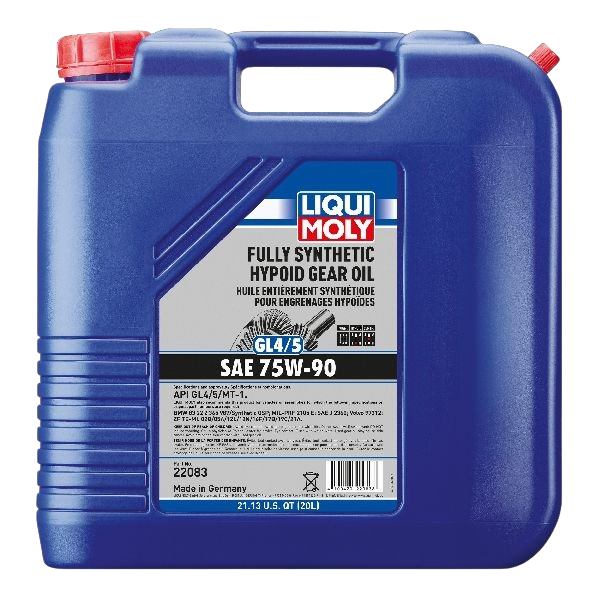
Unlike conventional cars that use multi-speed transmissions, most electric vehicles rely on a single-speed reduction gear system to transfer the extremely high-speed rotation of the electric motor to the wheels.
Although the system is much simpler than a traditional gearbox, it still requires lubrication.
Reduction gear fluid helps minimize friction between metal gears, control operating temperatures, and protect internal components from wear caused by metal particles.
The replacement interval is significantly longer than regular engine oil. Many EV manufacturers recommend checking or replacing the fluid after 50,000 to 100,000 km, depending on the vehicle model and usage conditions.
Even though it lasts longer, ignoring this fluid can eventually affect drivetrain efficiency and reliability.
3. Brake Fluid: Still Essential Despite Regenerative Braking
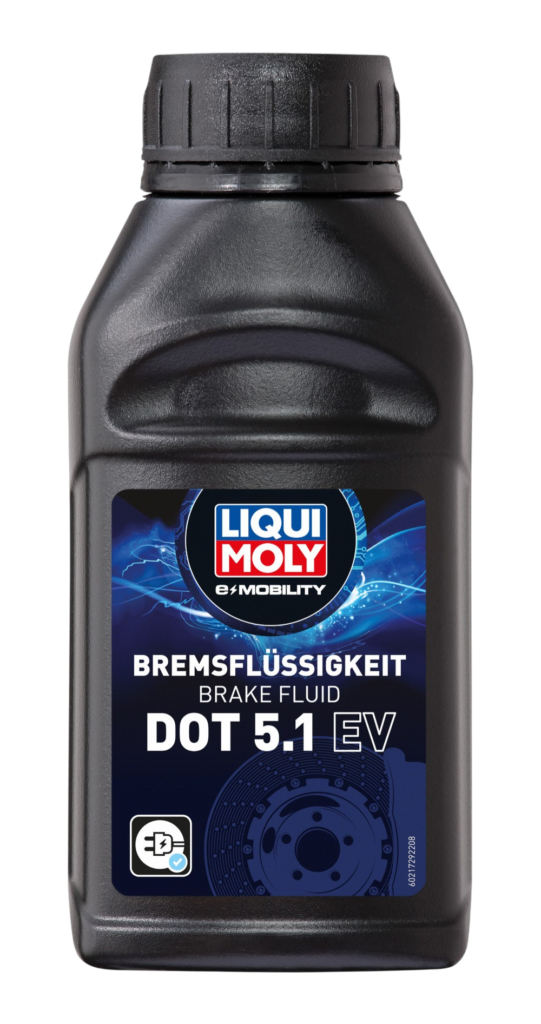
One of the unique features of electric vehicles is regenerative braking. Instead of relying only on traditional brakes, the electric motor helps slow the vehicle while converting kinetic energy back into electricity to recharge the battery.
This technology reduces brake pad wear significantly, but it does not eliminate the need for a conventional hydraulic braking system.
Brake fluid remains a critical safety component because it transfers pressure from the brake pedal to the brake calipers during braking.
However, brake fluid is hygroscopic, meaning it naturally absorbs moisture from the air over time. Excess water content can lower its boiling point and potentially cause vapor lock, reducing braking performance during extreme conditions.
For safety reasons, brake fluid is generally recommended to be replaced every two years or around 40,000 km, depending on manufacturer guidelines.
Other EV Maintenance Items That Should Not Be Ignored
Although EVs require fewer mechanical services, several other components still need regular attention.
Cabin Air Filter:
The cabin filter should be replaced periodically to maintain clean and healthy air quality inside the vehicle.
Tires and Suspension System:
Electric vehicles are usually heavier than conventional cars due to their large battery packs. This additional weight puts more stress on tires and suspension components, making tire rotation, wheel alignment, balancing, and suspension inspections especially important.
Software Diagnostics and Battery Monitoring:
Modern EVs rely heavily on software. Regular system scans, software updates, and Battery Management System (BMS) checks help monitor battery condition and maintain long-term performance through data such as State of Health (SoH).
Electric vehicles have changed the way we think about automotive maintenance. They remove many traditional service requirements, especially engine oil changes, but they are not completely maintenance-free.
An EV may not have engine oil, but it still depends on specialized fluids and advanced systems to keep its technology running safely and efficiently.
The future of mobility may be electric, but proper maintenance will always remain the key to reliability.
What do you think? Will lower maintenance costs become the main reason more drivers switch to electric vehicles? Share your thoughts in the comments.

Adhe is part of the 88 Eight Box Editorial Team, covering JDM culture, motorsport, automotive technology, and industry news. The team focuses on delivering original automotive stories, reviews, and insights for enthusiasts worldwide.