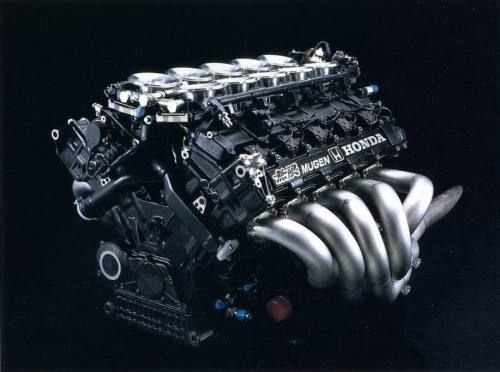
In the world of Japanese automotive culture, only a few names have managed to build a reputation as a symbol of performance, innovation, and racing heritage. One of them is Mugen Motorsports, the legendary tuner that has played a major role in Honda’s journey both on the road and at the highest levels of motorsport.
Officially known as M-TEC Co., Ltd., Mugen is far more than just a tuning company. Over the decades, it has become one of Japan’s most respected performance brands, with a history that stretches from domestic racing, Formula 1, exclusive road cars, and cutting-edge motorsport technology.
Founded by Soichiro Honda’s Son, But Built as an Independent Company
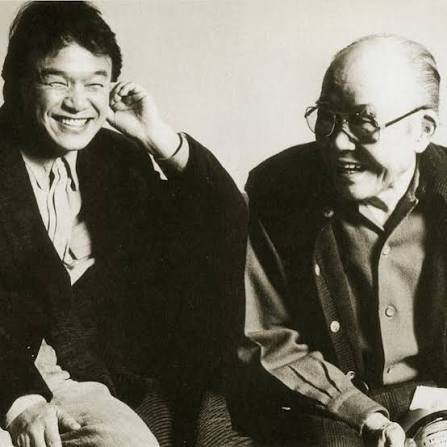
Mugen was founded in 1973 by Hirotoshi Honda, the son of Honda Motor Co. founder Soichiro Honda, together with Masao Hashimoto.
The name Mugen (無限) means “Infinite” or “Without Limit” in Japanese, representing the company’s philosophy of continuous development and the pursuit of maximum performance.
Although Hirotoshi Honda was the son of Honda’s founder, Mugen was created as an independent company, not an official subsidiary of Honda. Soichiro Honda wanted his son to build his own business and prove himself without relying solely on the Honda family name.
That independence became one of Mugen’s biggest strengths, allowing the company to develop its own identity while maintaining a close relationship with Honda.
The Beginning: Building Racing Machines in Japan
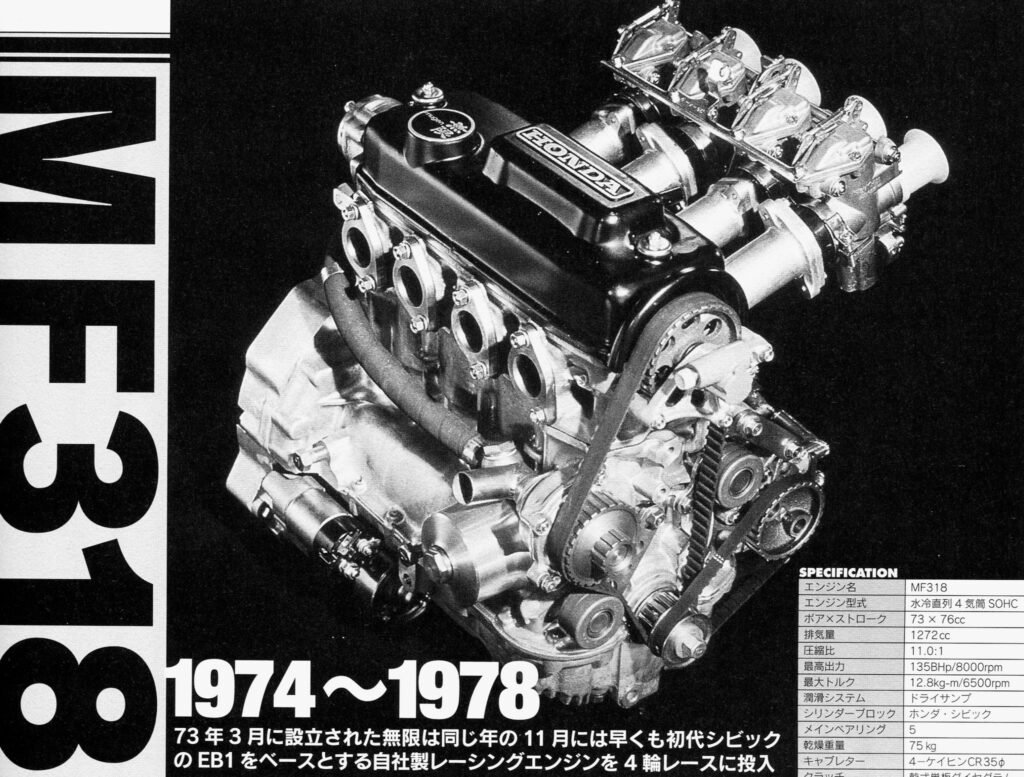
Mugen’s journey started in Japanese motorsport, where the company focused on improving Honda engines for competition.
One of its early successes came from modifying the first-generation Honda Civic engine. The racing version, known as the MF318, became highly competitive and helped Mugen establish its reputation in Japanese touring car racing during the 1970s.
The company later expanded into formula racing, developing engines such as the MF208 V8 2.0-liter and MF308 V8 3.0-liter, which became highly respected in Japanese Formula 3 and Formula 3000 competitions.
These projects proved that Mugen was not just a tuning company, but a serious engineering force in motorsport.
Mugen’s Legendary Formula 1 Journey
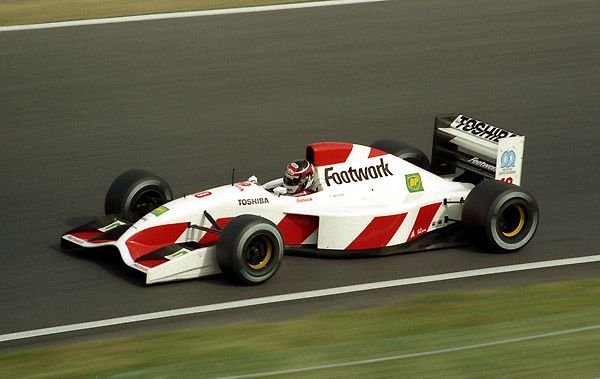
Mugen reached the global spotlight when it entered Formula 1 in 1992, supplying a 3.5-liter V10 engine to the Footwork Arrows team.
Despite competing against major manufacturers, Mugen-Honda quickly gained respect for its performance and reliability.
The company achieved its first Formula 1 victory at the dramatic 1996 Monaco Grand Prix. Driving for Ligier, Olivier Panis delivered a historic win in a race filled with crashes and changing conditions.
That victory became a defining moment for Mugen-Honda in Formula 1.
Mugen then entered one of its strongest periods with Jordan Grand Prix between 1998 and 1999.
At the 1998 Belgian Grand Prix, Damon Hill secured Jordan’s first-ever 1-2 finish, giving Mugen another unforgettable achievement.
The 1999 season became Mugen’s golden year in F1. Heinz-Harald Frentzen won the French and Italian Grands Prix, helping Jordan finish third in the Constructors’ Championship.
However, when Honda officially returned to Formula 1 through the BAR project in 2000, Mugen ended its role as an F1 engine supplier after the 2000 season.
The Transition to M-TEC
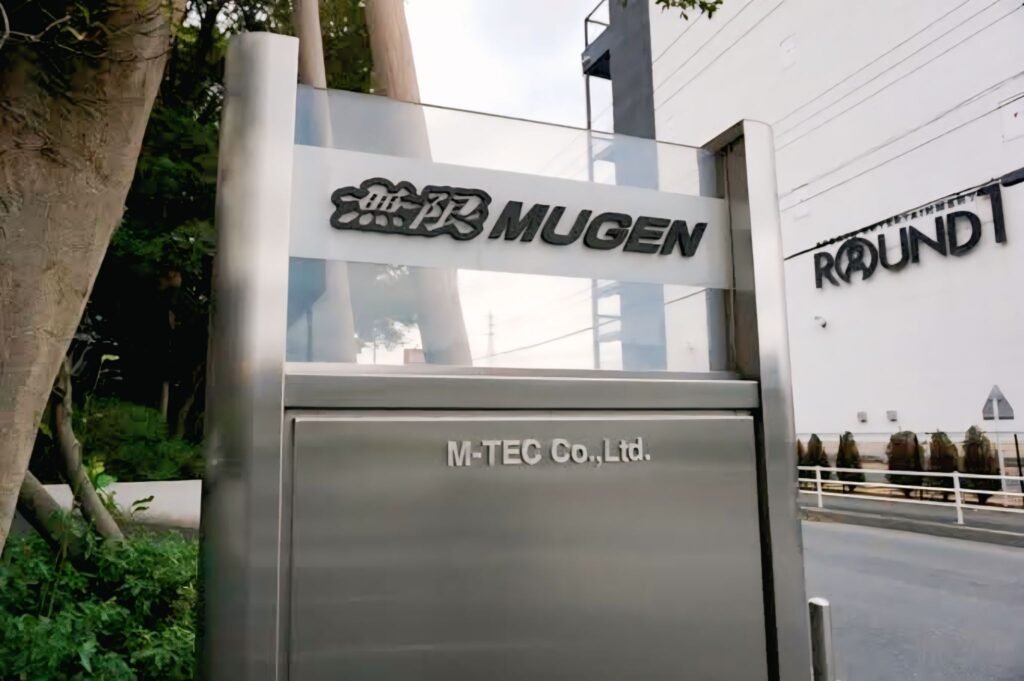
In 2003, Mugen went through a major restructuring and transferred its operations to a new company called M-TEC Co., Ltd.
Although the corporate name changed, the Mugen identity remained alive. The famous logo, brand name, and performance philosophy continued to be used.
For enthusiasts around the world, the name Mugen still carries the same legendary reputation.
Iconic Road Cars: Bringing Racing Technology to the Streets
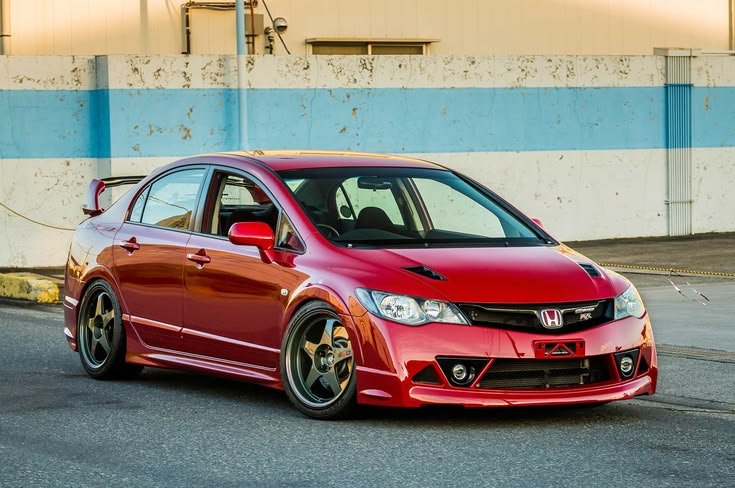
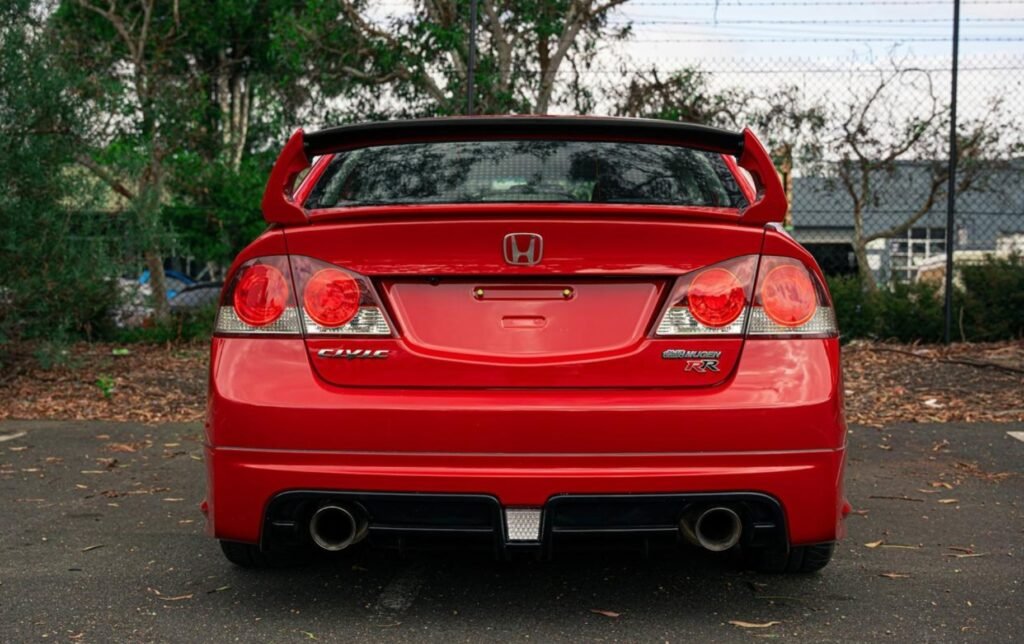
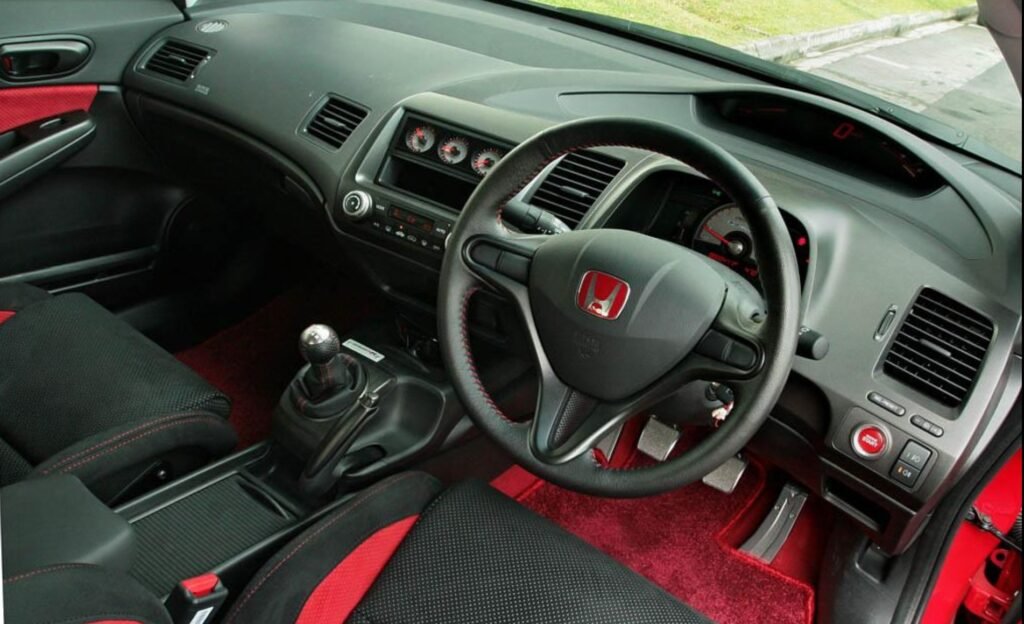
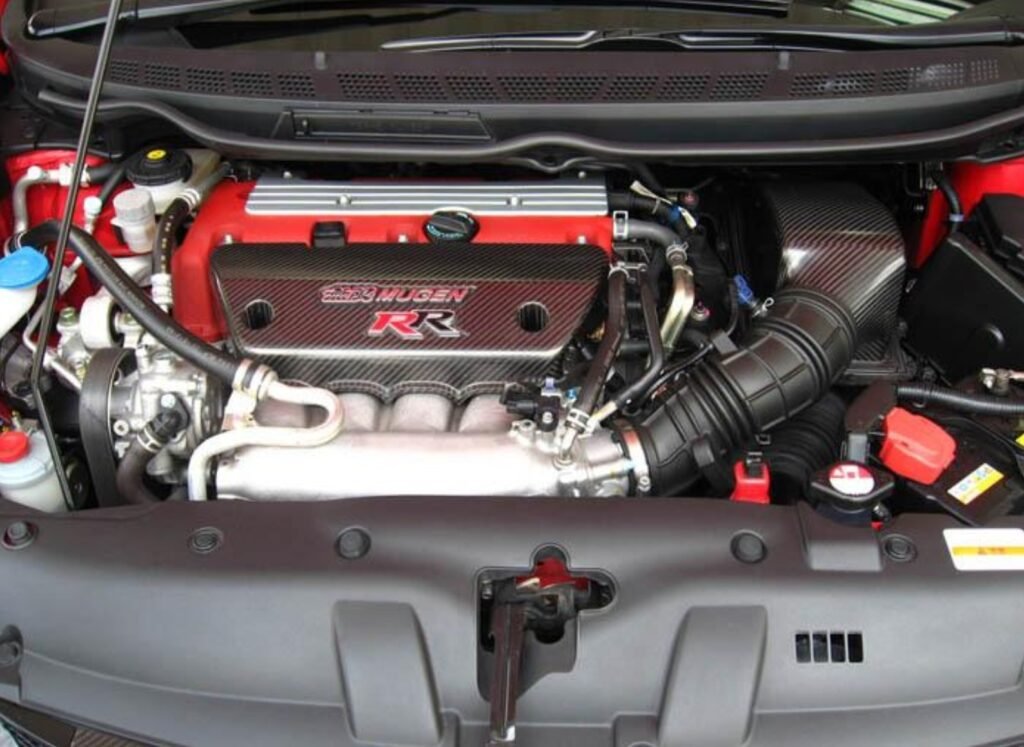
Beyond motorsport, Mugen became famous for creating exclusive Honda performance models and high-end tuning parts.
One of its most iconic creations is the Mugen Civic RR (FD2), launched in 2007.
Based on the Civic Type R FD2, the Civic RR featured a specially tuned K20A engine producing around 240 PS, along with weight reduction, aerodynamic improvements, upgraded suspension, and exclusive Mugen components.
Only 300 units were produced for the Japanese market, and every single car was sold out in less than 10 minutes.
Mugen also developed the CR-Z Mugen, combining Honda’s hybrid technology with a supercharged setup to create a more exciting driving experience.
The company continues to produce performance parts such as body kits, wheels, brakes, suspension systems, and engine upgrades for Honda models including the Civic Type R, Integra, Accord, Fit/Jazz, and S2000.
Still Competing in Modern Motorsport
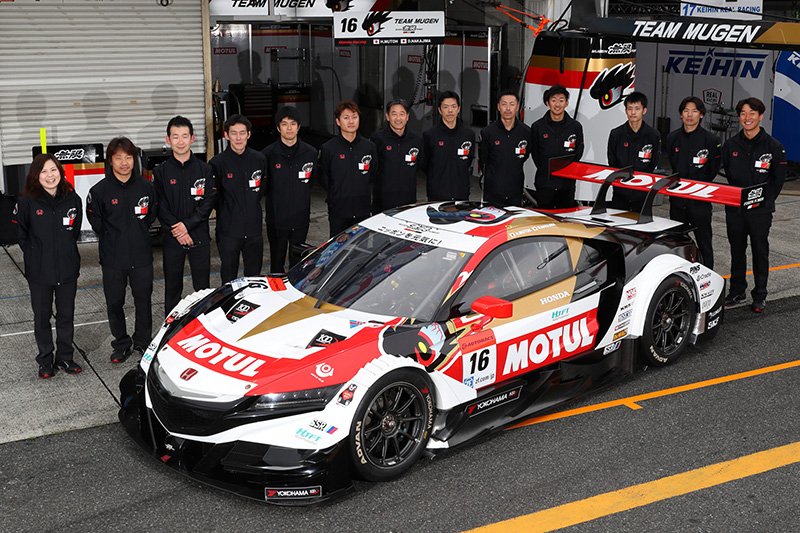
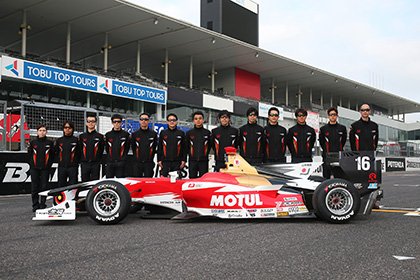
Mugen remains an important part of Japanese racing today.
The company continues to compete in major championships such as SUPER GT and Super Formula, supporting Honda’s motorsport activities and technology development.
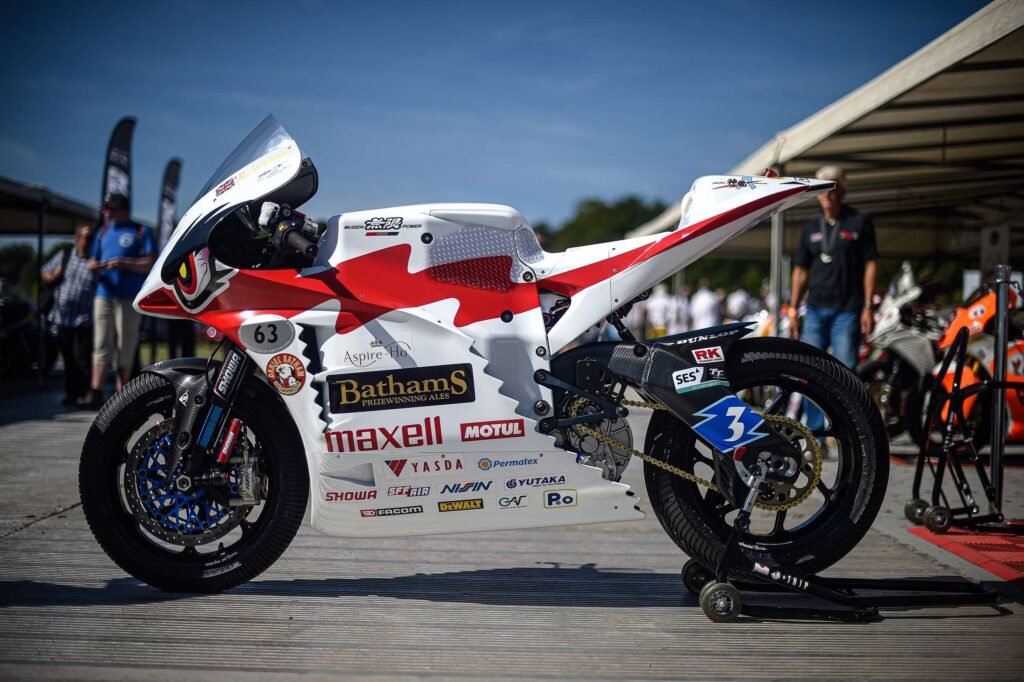
Mugen also made history in electric motorcycle racing through the Mugen Shinden project at the legendary Isle of Man TT Zero.
The electric superbike dominated the competition from 2014 to 2019, proving that Mugen could adapt to the future of performance technology.
Mugen represents something rare in the automotive world. It has a close connection with Honda, but it has never simply existed in Honda’s shadow.
The company’s success came from its own engineering philosophy, racing ambition, and dedication to performance.
In an era where many tuning brands focus mostly on appearance and marketing, Mugen continues to carry genuine motorsport DNA. Every Mugen product represents a combination of technology, history, and passion.
For many Honda enthusiasts, owning a Mugen part or a Mugen-tuned car is not just about having better performance it is about owning a piece of Japanese automotive history.
What do you think? Is Mugen still the most iconic Honda tuner of all time? Or do brands like Spoon Sports, Toda Racing, or HKS deserve that title? Share your comments!

Adhe is part of the 88 Eight Box Editorial Team, covering JDM culture, motorsport, automotive technology, and industry news. The team focuses on delivering original automotive stories, reviews, and insights for enthusiasts worldwide.