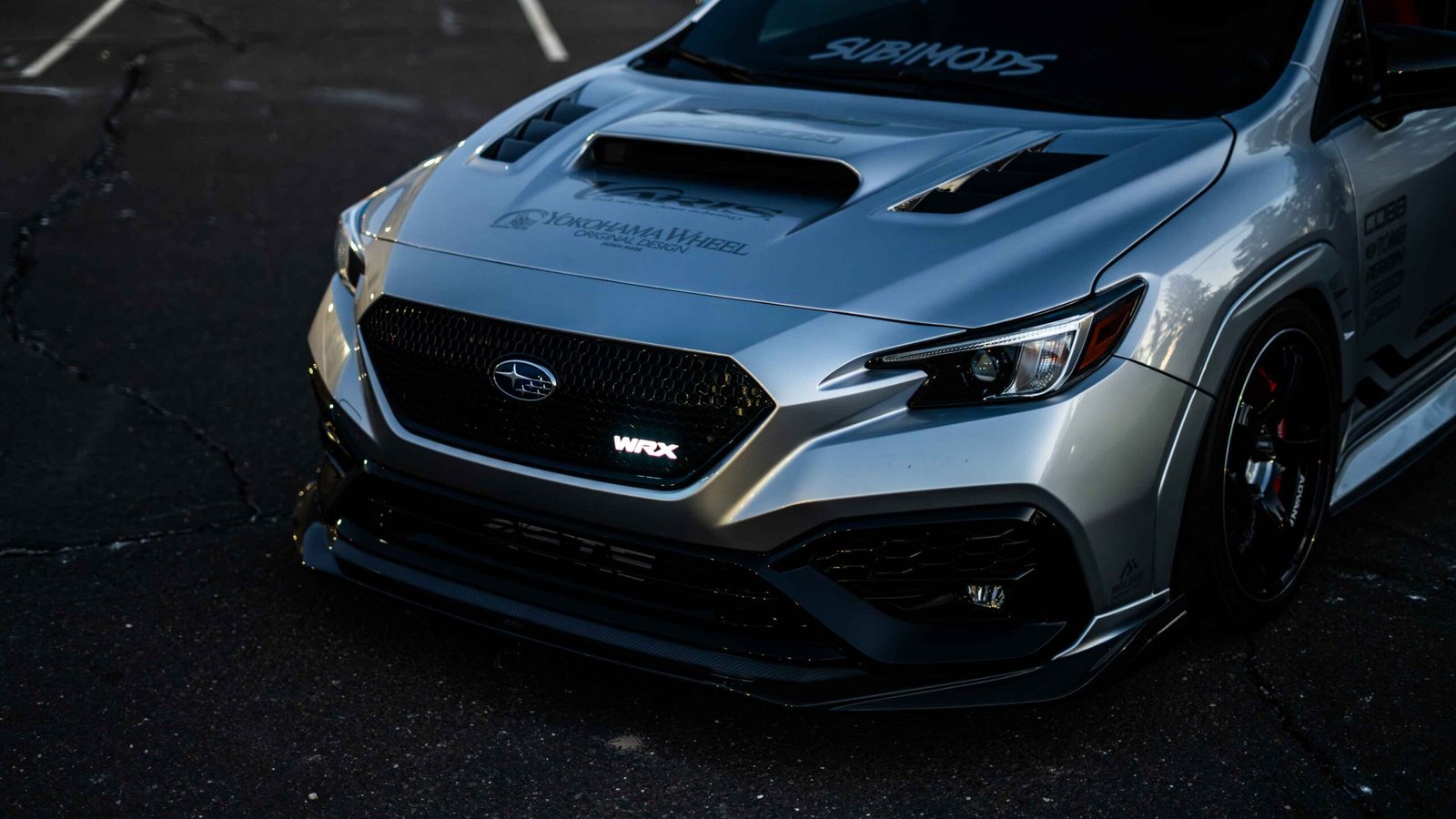
In the automotive world, three or four letters can carry decades of history, racing achievements, and engineering passion. Names like GT-R, TRD, WRX, STI, AMG, and Type R are more than just badges placed on a car’s body. Behind every acronym lies a story about motorsport, technology, and the philosophy of the manufacturers that created them.
For many enthusiasts, these letters represent a connection between road cars and the racing world. Some were born from competition programs, some came from the names of their founders, while others represent breakthrough technologies that changed the way engines and performance cars were developed.
Here are 10 famous automotive acronyms and the stories behind their legendary identities.
1. Nissan GT-R – Grand Touring Racer
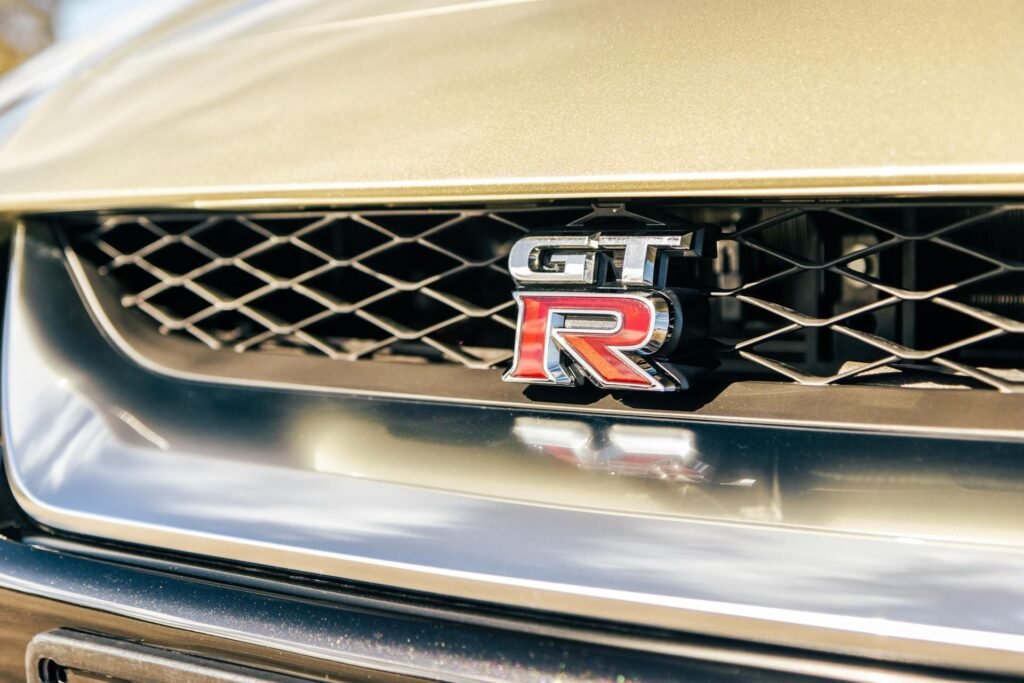
Few automotive names are as legendary as GT-R. Many people associate the badge directly with Nissan, but the meaning behind it has a deeper history.
GT stands for Grand Touring or Gran Turismo, a European term used for high-performance cars designed to travel long distances quickly while still providing comfort. Meanwhile, R stands for Racing.
Together, GT-R is commonly interpreted as Grand Touring Racer.
The name first appeared on the legendary Nissan Skyline GT-R in 1969. Thanks to its dominance in Japanese touring car racing, the GT-R badge quickly became a symbol of Nissan’s performance engineering.
When Nissan introduced the R35 GT-R in 2007, the company made a bold decision by separating the GT-R name from the Skyline family. The GT-R became its own independent model, proving that the three letters had grown into a global automotive icon.
Although other manufacturers have also used the GT-R name, including McLaren and BMW, Nissan’s GT-R remains the model most strongly connected with this legendary badge.
2. Toyota TRD – Toyota Racing Development
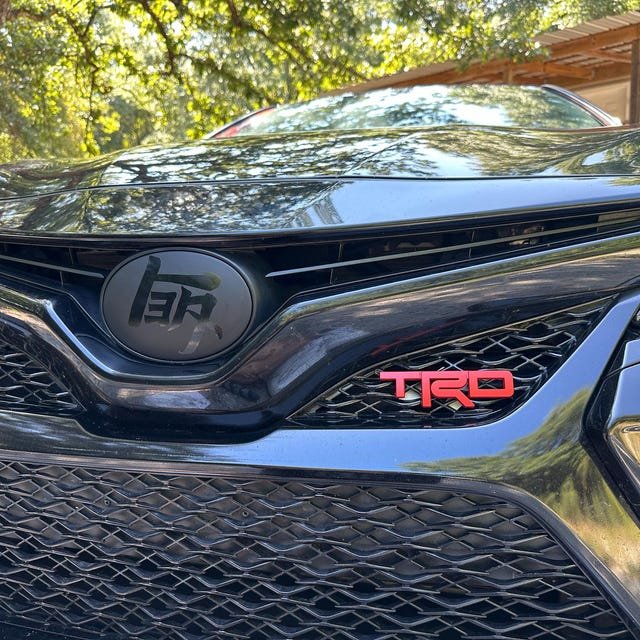
Toyota fans are certainly familiar with the TRD logo. The acronym stands for Toyota Racing Development, the official performance and motorsport division of Toyota.
TRD was created to develop racing technology, competition engines, performance parts, and improvements that could eventually transfer from the track to production vehicles.
Originally focused on motorsport, TRD later expanded into street-car upgrades, producing suspension components, exhaust systems, wheels, body kits, and other performance accessories.
However, seeing a TRD badge on a Toyota does not always mean it is a full racing machine. In many markets, TRD models are performance packages that include styling upgrades and handling improvements rather than complete race-inspired vehicles.
In recent years, Toyota has shifted its global performance identity toward Gazoo Racing (GR), which now represents models such as the GR Supra, GR Yaris, and GR Corolla.
However, TRD remains an important part of Toyota’s history and continues to be used, especially for off-road models and performance accessories.
3. Subaru WRX – World Rally Experimental
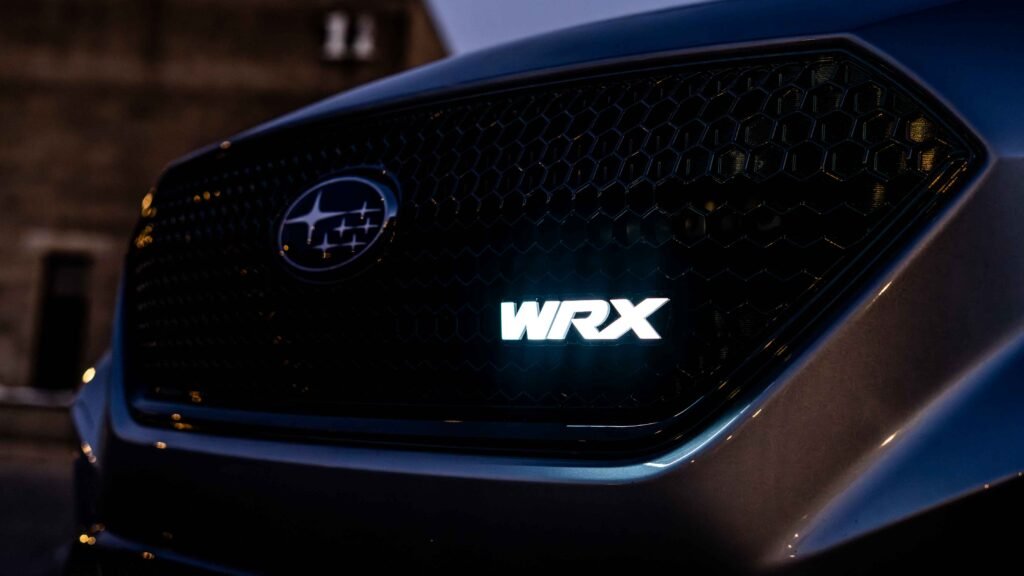
Subaru’s WRX name is deeply connected to rally racing.
WRX stands for World Rally Experimental, a name created to highlight Subaru’s experience and technology developed through the World Rally Championship.
First introduced in the early 1990s as a high-performance version of the Impreza, the WRX quickly became famous for combining turbocharged boxer engines, Subaru’s symmetrical all-wheel-drive system, and rally-inspired handling.
The WRX was never simply a road-legal rally car, but it carried many principles learned from competition. Its ability to perform on different surfaces, from asphalt to gravel and wet roads, made it one of Japan’s most respected performance sedans.
Even after becoming a standalone model, the WRX continues to represent Subaru’s rally heritage.
4. Subaru STI – Subaru Tecnica International
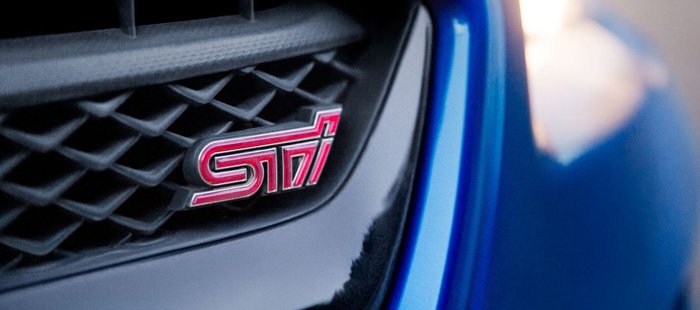
Another legendary Subaru badge is STI, which stands for Subaru Tecnica International.
Founded in 1988, STI became Subaru’s motorsport division responsible for developing racing technology and high-performance vehicles.
The name became globally famous during Subaru’s successful World Rally Championship era in the 1990s and early 2000s. With drivers such as Colin McRae, Richard Burns, and Petter Solberg, Subaru built one of the most iconic rally programs in history.
The Impreza WRX STI became a dream car for many enthusiasts, offering more power, stronger components, advanced differentials, upgraded suspension, and sharper handling compared to the standard WRX.
Although the WRX STI is no longer produced as a regular performance variant, the STI name continues through special models, performance parts, and Subaru’s motorsport activities.
5. Mercedes-AMG – The Names Behind the Legend
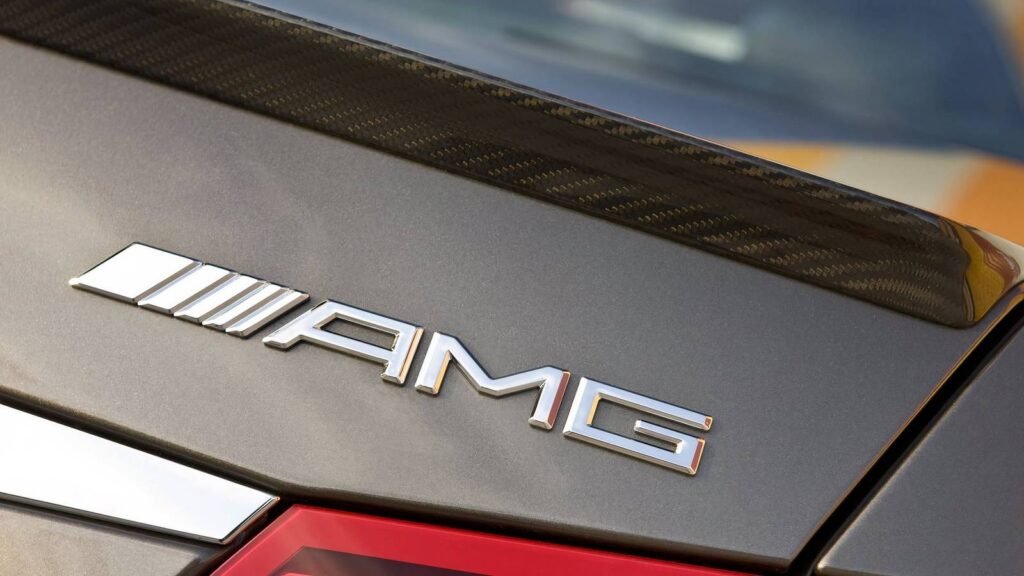
AMG is one of the most recognizable performance brands in the world.
The name comes from the founders:
- A for Aufrecht
- M for Melcher
- G for Großaspach, the birthplace of Hans Werner Aufrecht
Originally, AMG was an independent company specializing in Mercedes-Benz performance modifications and racing engines.
Similar to BMW’s Alpina or Honda’s Mugen, AMG transformed ordinary Mercedes-Benz vehicles into high-performance machines.
After years of success, Mercedes-Benz officially integrated AMG into its performance division. Today, the AMG badge represents some of the most powerful and exciting Mercedes models ever built.
6. BMW M – The Most Powerful Letter
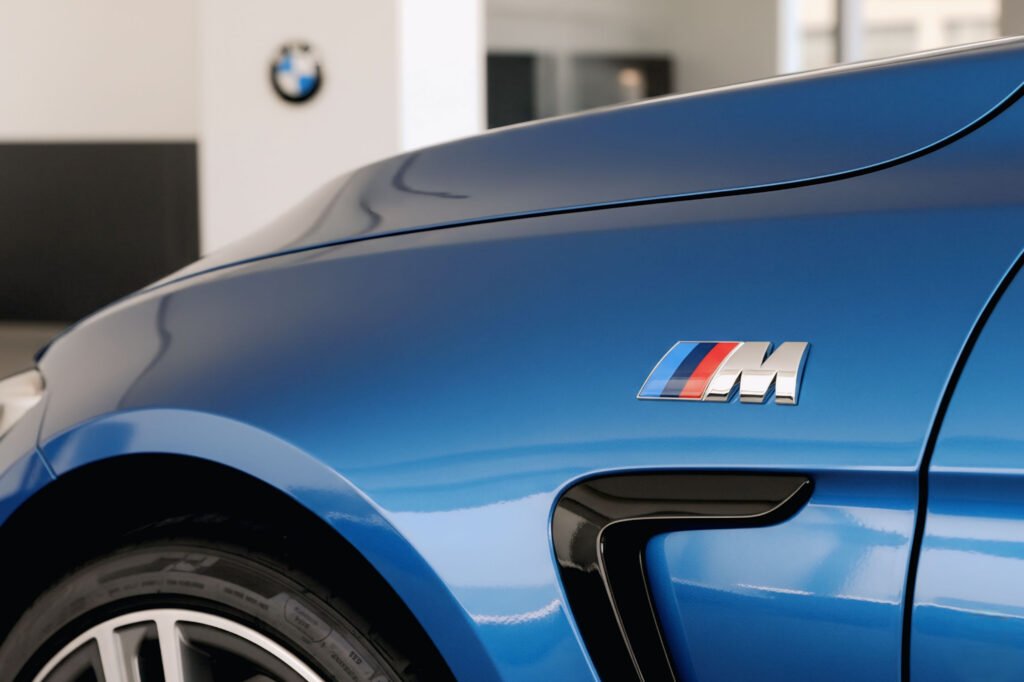
A single letter can become a global symbol of performance.
BMW M stands for BMW Motorsport, the division created in 1972 to handle BMW’s racing activities.
The first fully developed BMW M car was not the famous M3 or M5, but the BMW M1, introduced in 1978.
Over time, BMW M expanded into road cars, creating legendary models such as the M3, M5, M2, and M4.
For BMW enthusiasts, the M badge represents motorsport engineering, precision handling, and a direct connection between racing technology and everyday driving.
7. RS – Racing Sport or RennSport?
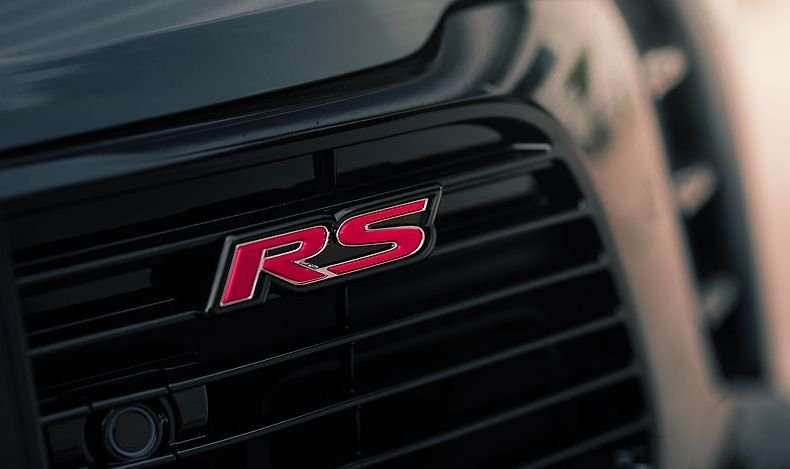
The RS badge is interesting because its meaning depends on the manufacturer.
For Audi, RS stands for RennSport, which means “racing sport” in German. Audi RS models such as the RS3, RS4, RS6, and RS7 represent the highest level of performance in Audi’s lineup.
Meanwhile, Ford uses RS to mean Rallye Sport, a name strongly associated with rally-inspired cars like the Ford Focus RS and Escort RS.
The same two letters can represent different philosophies depending on the brand behind them.
8. Honda Type R – Racing DNA for the Road
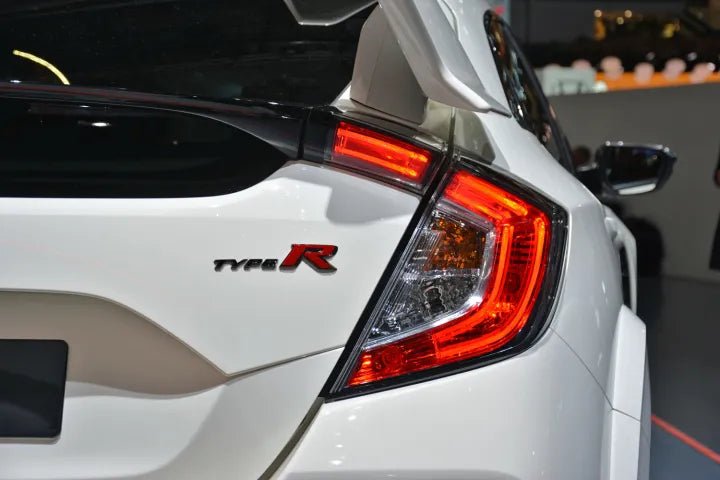
Honda Type R is one of the most respected performance badges in the automotive world.
The journey began in 1992 with the Honda NSX Type R, created with one goal: maximum driving involvement.
Unlike manufacturers that focus only on horsepower, Honda’s Type R philosophy emphasizes balance. Engineers reduce weight, improve chassis performance, tune suspension systems, and create a stronger connection between driver and machine.
The Civic Type R continues this tradition today, proving that a front-wheel-drive car can still deliver incredible performance on both road and track.
9. Honda VTEC – Variable Valve Timing and Lift Electronic Control
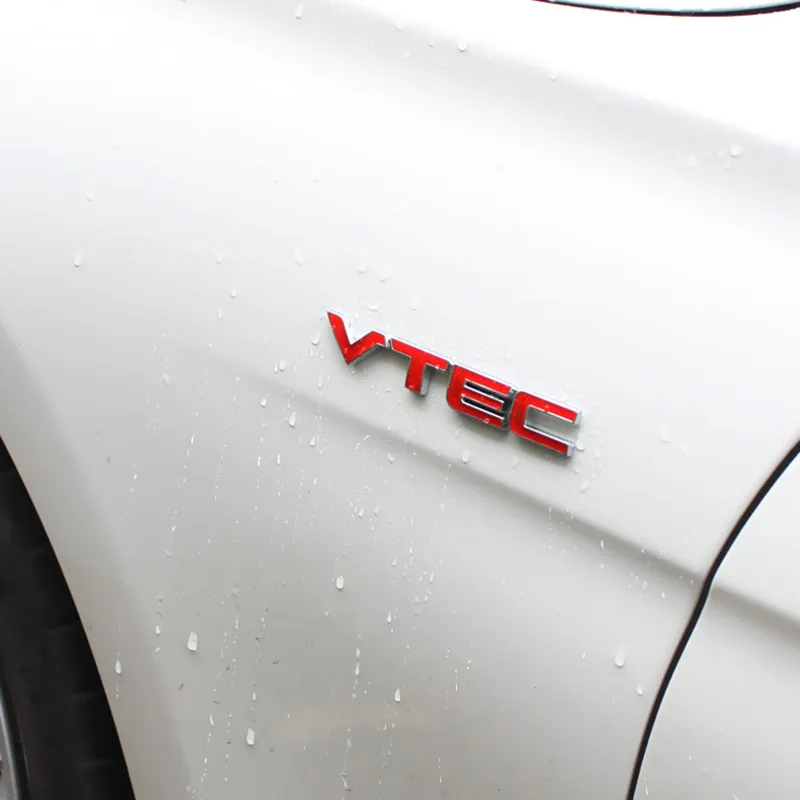
Few engine technologies are as famous among enthusiasts as VTEC.
VTEC stands for Variable Valve Timing and Lift Electronic Control.
Introduced by Honda in the late 1980s, the technology solved a major engineering challenge: creating an engine that could be efficient at low RPM while still producing strong power at high RPM.
VTEC uses different camshaft profiles depending on engine speed. At higher RPM, the system activates a more aggressive profile, changing the engine’s character and increasing performance.
This “second personality” of Honda engines became one of the reasons why VTEC gained legendary status among car enthusiasts.
10. Honda Si – Sport Injection
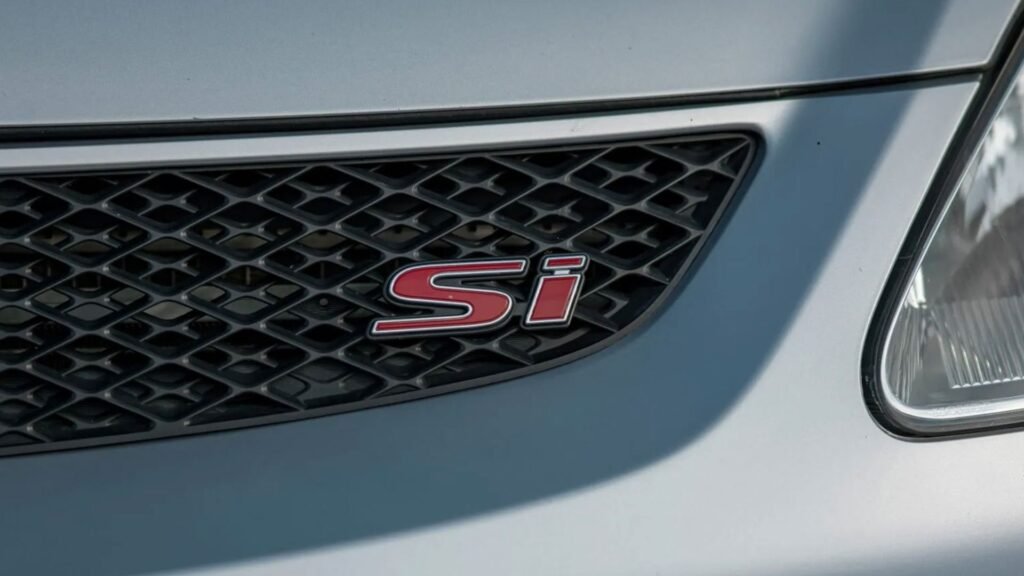
The Honda Si badge is another famous name from the Japanese manufacturer.
Originally meaning Sport Injection, the name referred to Honda’s fuel-injection technology used in early Civic Si models.
Over time, Si became more than just a technical abbreviation. It became a symbol of affordable performance.
Honda Civic Si models typically feature stronger engines, sportier suspension setups, improved handling, and driver-focused upgrades compared to standard Civic models.
Since its introduction in 1984, the Civic Si has remained one of Honda’s most beloved performance variants.
Automotive acronyms are not simply marketing tools. Behind every badge is a story of engineering ambition, racing victories, and the pursuit of performance.
From Nissan’s GT-R legend to Honda’s VTEC revolution and BMW’s iconic M division, these letters have become symbols recognized by enthusiasts around the world.
In the end, a badge may only contain a few characters, but the history behind it can represent decades of innovation and passion.
What other automotive acronyms deserve to be discussed? Share your thoughts in the comments below.

Adhe is part of the 88 Eight Box Editorial Team, covering JDM culture, motorsport, automotive technology, and industry news. The team focuses on delivering original automotive stories, reviews, and insights for enthusiasts worldwide.