
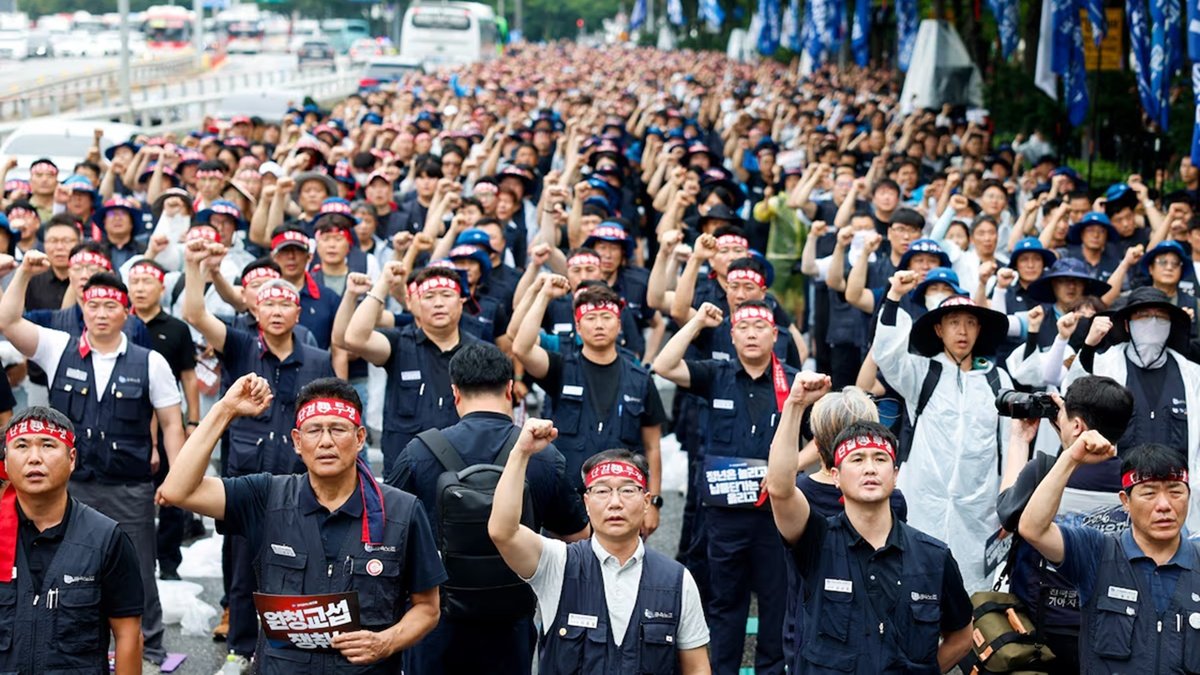
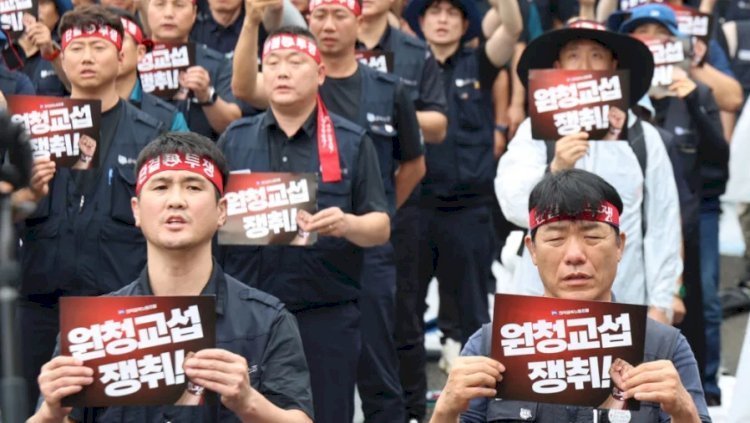
Employees at Hyundai Motor and Kia have walked away from assembly lines in South Korea as workers launched their first full-scale strike in a decade, demanding higher wages, improved benefits, and stronger job security amid growing concerns over automation and artificial intelligence.
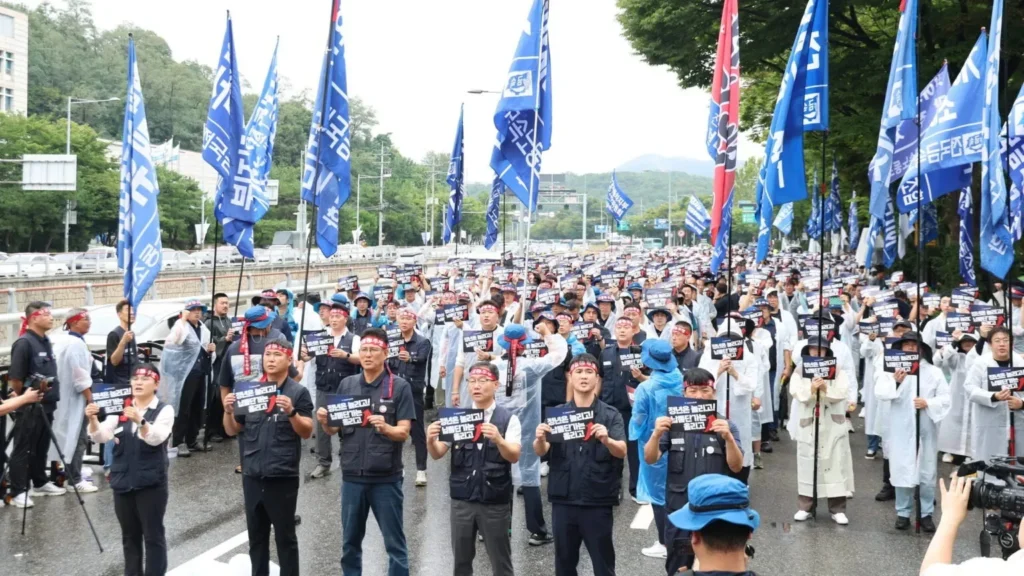
The strike, which involved Hyundai and Kia employees along with workers from affiliated suppliers, marked a major labor disruption for South Korea’s automotive industry. Around 40,000 members of Hyundai’s labor union were expected to participate, with some workers traveling to the company’s headquarters to stage demonstrations.
The one-day strike focused on several key demands, including raising the mandatory retirement age, which currently stands at 60 years old in South Korea. Workers are also pushing for larger bonuses and stronger protections against potential job losses caused by automation and AI technology.
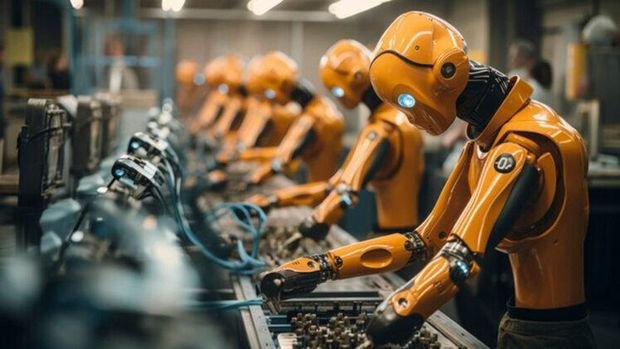
The issue has become increasingly important as Hyundai Motor Group prepares to introduce advanced robotics from Boston Dynamics into its manufacturing facilities. The company plans to deploy the Atlas humanoid robot at its Hyundai Motor Group Metaplant America facility, with initial operations expected to begin within the next two years.
At first, the robots will reportedly assist with tasks such as sorting components. However, Hyundai expects the technology to improve over time, potentially allowing robots to handle more complex manufacturing processes, including component assembly, by 2030.
For many workers, the arrival of humanoid robots has raised concerns that automation could eventually replace human employees as companies look to reduce production costs and improve efficiency.
“This strike is about protecting the roots of Korea’s automotive industry and defending the dignity of workers,” said Park Sang-man, chairman of the Korean Metal Workers’ Union.
The union stated that the collective action involved employees from around 50 different locations. The strike is the latest development in a series of labor disputes that began in July, with previous partial strikes already affecting production.
According to reports, earlier labor actions have disrupted the production of approximately 55,200 vehicles, representing losses of more than $1.67 billion in estimated vehicle value.
The situation highlights a major challenge facing global automakers: balancing the push toward advanced manufacturing technology with the need to protect the workforce that has built the foundation of the automotive industry.
As Hyundai and Kia continue investing heavily in robotics and future mobility technologies, negotiations with their employees could become a key test of how traditional automotive factories adapt to the era of AI and automation.
What do you think? Will humanoid robots become a threat to automotive workers, or will they simply transform the way humans work inside factories? Share your opinion in the comments.

Adhe is part of the 88 Eight Box Editorial Team, covering JDM culture, motorsport, automotive technology, and industry news. The team focuses on delivering original automotive stories, reviews, and insights for enthusiasts worldwide.