In today’s Formula 1 world, success is usually associated with billion-dollar factories, massive engineering departments, cutting-edge simulators, and wind tunnels worth hundreds of millions of dollars.
But decades ago, one of the greatest stories in F1 history came from a completely different place: a simple wooden garage hidden in the English countryside.
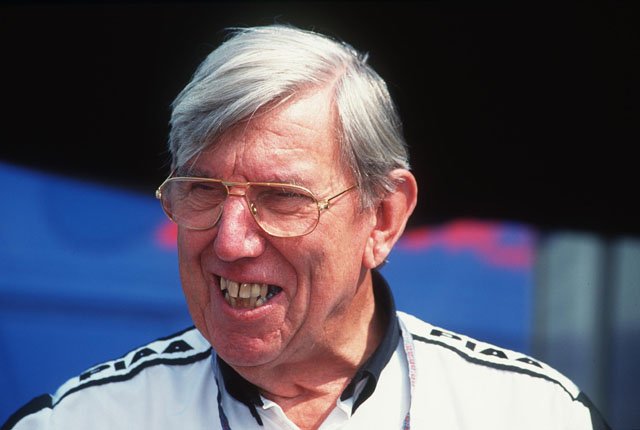
This was not a story about a giant manufacturer. It was the story of Ken Tyrrell, a former timber businessman who built one of Formula 1’s most innovative and unpredictable teams. Tyrrell became the ultimate symbol of the underdog — a small independent team that challenged automotive giants like Ferrari, Lotus, and McLaren with limited resources but unlimited creativity.
From a world championship-winning machine built in a wooden shed, to the legendary six-wheeled Tyrrell P34, from controversial technical tricks to innovations that shaped modern F1, the story of Tyrrell is a story about courage, imagination, and survival.
The Beginning: A Friendship That Created a Champion
The Tyrrell story cannot be separated from the legendary partnership between Ken Tyrrell and Scottish racing genius Jackie Stewart.
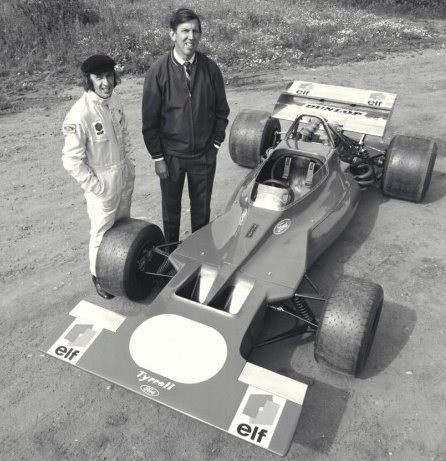
At the end of the 1960s, Ken Tyrrell was running a small racing operation, but he immediately recognized Stewart’s extraordinary talent. Tyrrell built a team around the young Scottish driver, although he did not yet have the resources to design his own Formula 1 car.
Instead, Tyrrell partnered with French manufacturer Matra and combined their chassis with the legendary Ford Cosworth DFV V8 engine.
The result was a perfect combination: Matra’s engineering, Ford’s powerful and reliable engine, Tyrrell’s management, and Stewart’s incredible driving ability.
In 1969, the impossible happened. Jackie Stewart dominated the season and won the Formula 1 World Championship, giving Tyrrell its first taste of glory.
However,
the partnership with Matra would not last forever.
Breaking Away From Matra and Building a Dream
For the 1970 season, Matra gave Tyrrell an ultimatum: if they wanted to continue using their chassis, they had to use Matra’s own engine.
Ken Tyrrell refused.
He believed the Ford Cosworth DFV was lighter, more reliable, and better suited for Formula 1 competition. Instead of surrendering, Tyrrell made a risky decision — he would build his own Formula 1 car.
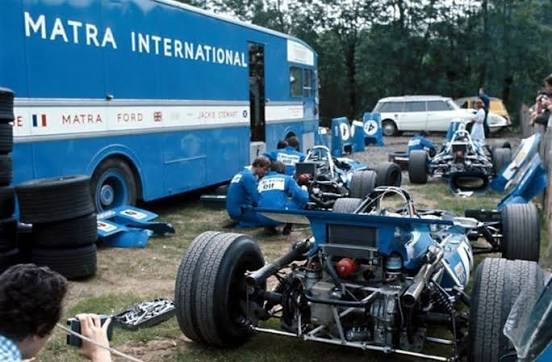
To create this new machine, Tyrrell hired brilliant designer Derek Gardner.
The project was extremely secretive. Without a modern factory, without advanced computers, and without a sophisticated wind tunnel, the first Tyrrell Formula 1 car was developed inside a converted wooden storage building in Ockham, England.
The resources were simple: drawing boards, basic tools, aluminum sheets, and pure determination.
The result was the Tyrrell 001, a car that immediately shocked the paddock with its unique design and wide front bodywork.
Many people laughed when they first saw it.
But those laughs disappeared when Jackie Stewart pushed the car to its limits.
The Wooden Garage Becomes a World Champion
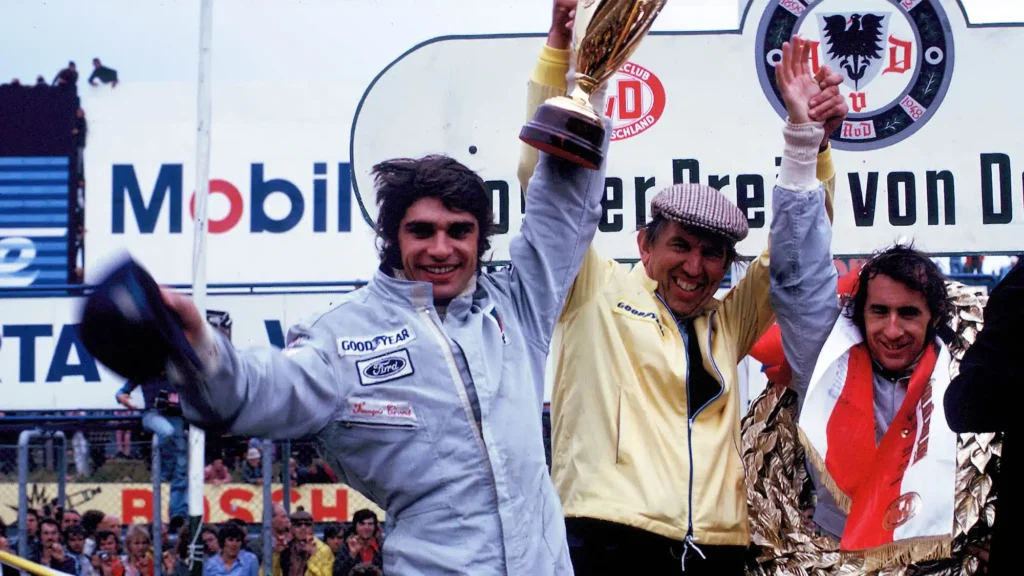
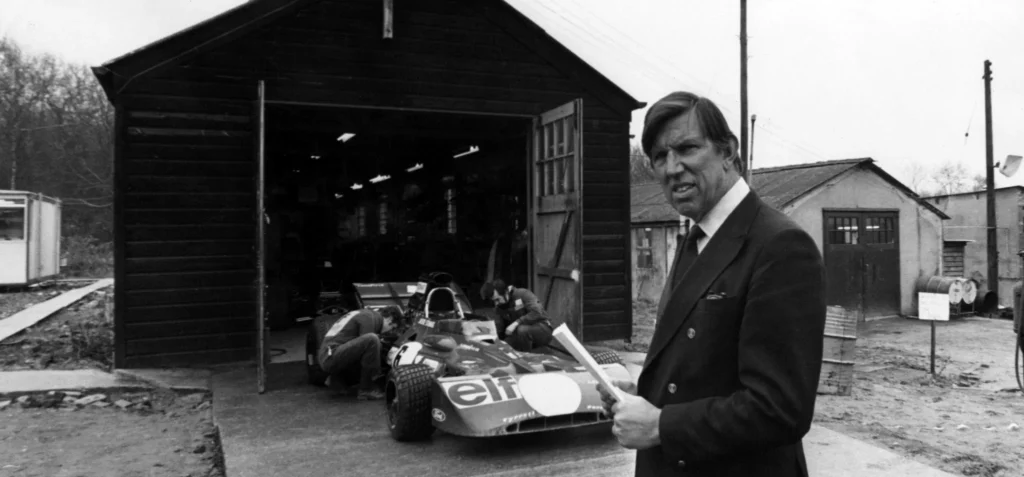
In 1971, Tyrrell introduced the improved Tyrrell 003, and the small independent team stunned the world.
Jackie Stewart dominated the season, winning his second Formula 1 World Championship.
A team born inside a wooden garage had defeated some of the biggest names in motorsport.
Ken Tyrrell was no longer just a businessman from England. He had become a Formula 1 champion constructor.
The Tragedy of François Cevert
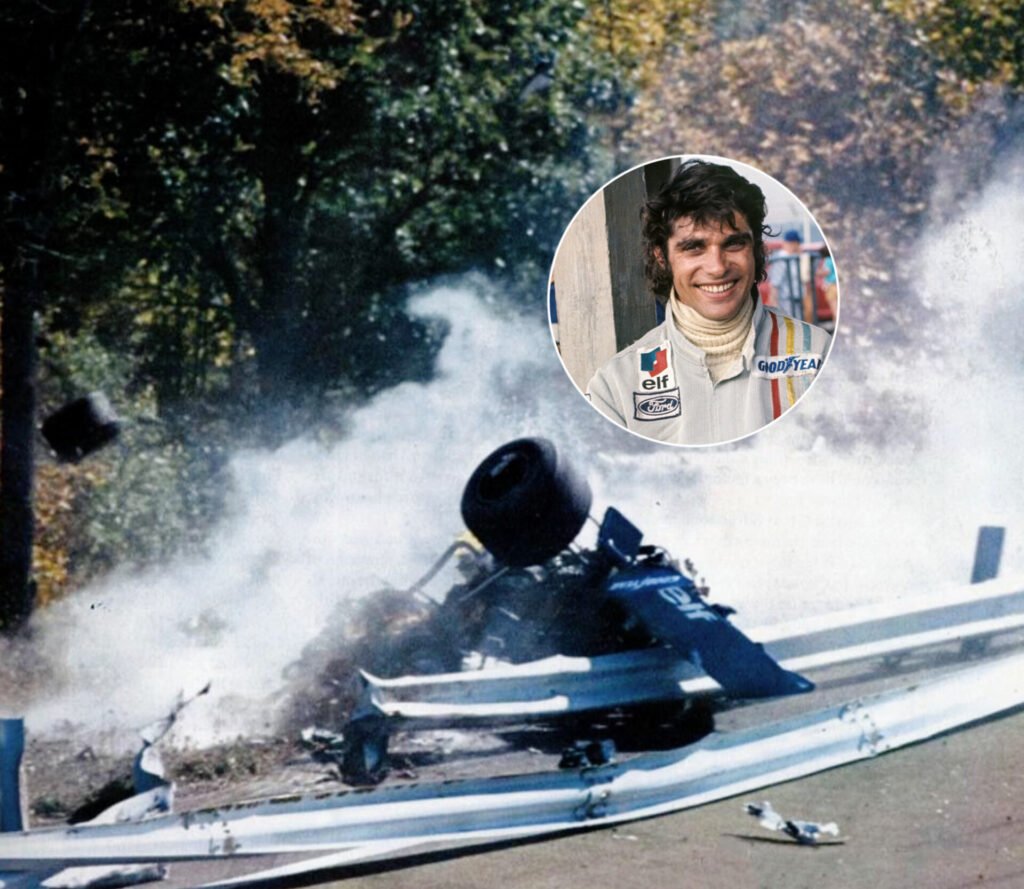
By 1973, Tyrrell had one of the strongest driver line-ups in Formula 1.
Jackie Stewart was the experienced champion, while French talent François Cevert was seen as his natural successor.
Stewart had planned to retire after the 1973 season and believed Cevert could become Tyrrell’s next superstar.
But history took a devastating turn.
During qualifying for the 1973 United States Grand Prix at Watkins Glen, Cevert crashed heavily at the high-speed Esses section.
The accident was fatal.
When Jackie Stewart arrived at the scene and saw what had happened to his teammate and friend, the emotional impact was overwhelming.
Ken Tyrrell withdrew the team from the race.
Although Stewart had already secured the championship, he decided to retire immediately. He never competed in his 100th Grand Prix.
For Tyrrell, a season that should have been a celebration became a moment of mourning.
The Craziest F1 Car Ever Built: Tyrrell P34
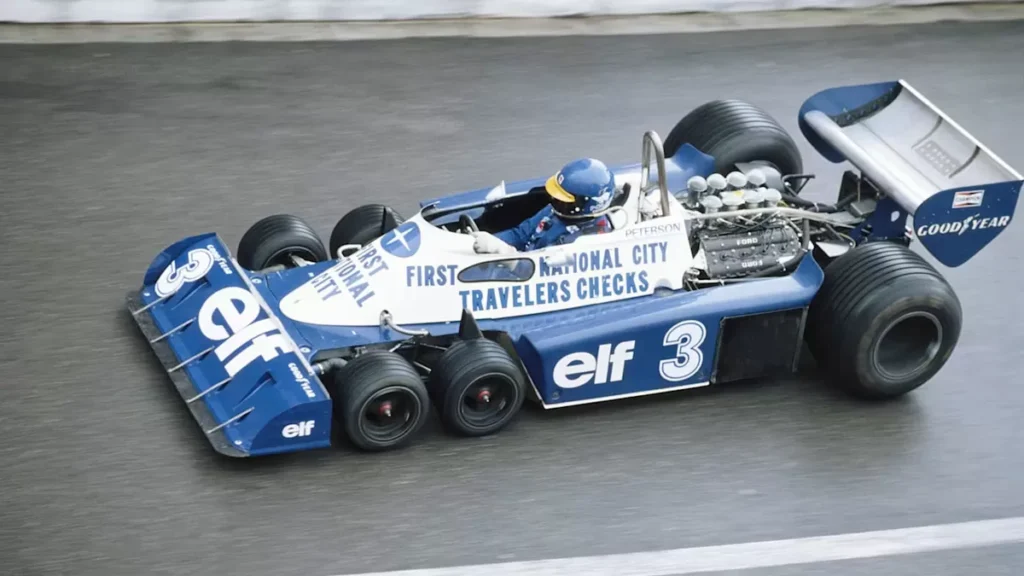
Despite tragedy and setbacks, Tyrrell’s engineers continued searching for new ideas.
In 1976, Derek Gardner created one of the most radical Formula 1 cars ever built.
The Tyrrell P34.
A six-wheeled Formula 1 car.
The concept was simple but revolutionary. Traditional F1 front tires created aerodynamic drag because they were exposed directly to the airflow.
Gardner replaced the two large front wheels with four tiny 10-inch wheels hidden behind the front wing.
The advantages were clear:
- Better aerodynamic efficiency
- Reduced drag
- Improved braking performance thanks to four front brake discs
The idea was not just a gimmick.
At the 1976 Swedish Grand Prix, drivers Jody Scheckter and Patrick Depailler proved the concept by finishing first and second, creating one of the most memorable moments in F1 history.
However, the project eventually failed because of tire development problems.
Goodyear was unwilling to invest heavily in creating special small tires exclusively for Tyrrell. Without proper tire support, the P34 lost competitiveness.
The six-wheel revolution disappeared, but its legend remained forever.
The Water Ballast Scandal
During the turbo era of the 1980s, Formula 1 became a technological arms race.
Factory teams were spending enormous amounts of money developing powerful turbocharged engines, while Tyrrell remained an independent team using naturally aspirated Cosworth engines.
The performance gap became impossible to ignore.
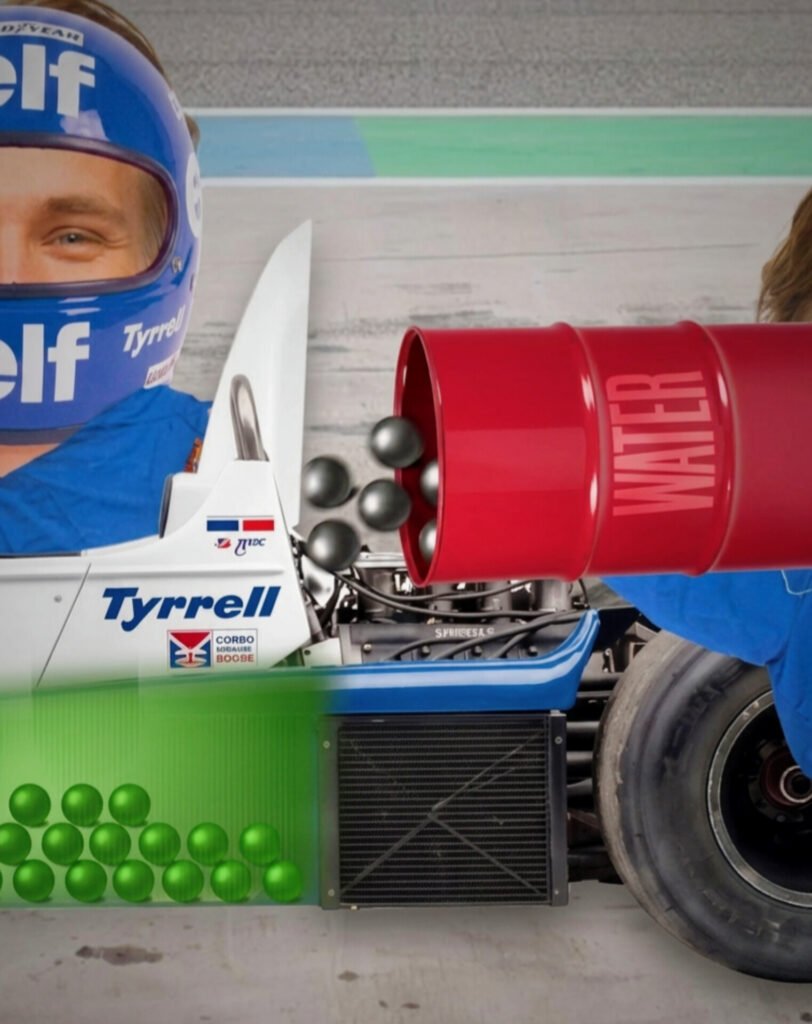
In 1984, Tyrrell attempted to exploit a loophole in the regulations.
The team designed a lightweight car that was below the minimum weight limit during races. Before post-race inspections, the car would add water into a ballast system, which reportedly contained metal particles to increase the car’s weight.
The trick was discovered.
The FIA reacted strongly and removed Tyrrell’s results from the 1984 season while banning the team from the championship.
For Ken Tyrrell, a man known as a true gentleman of Formula 1, the scandal damaged his reputation deeply.
The Final Great Innovation: The High Nose Revolution
Even after the controversy, Tyrrell’s creative spirit never disappeared.
In 1990, designer Harvey Postlethwaite and aerodynamic expert Jean-Claude Migeot created another revolutionary idea: the Tyrrell 019.
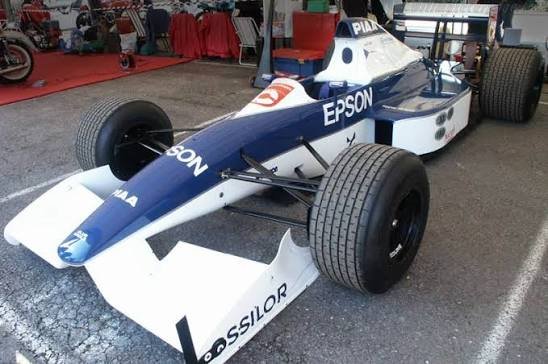
The car introduced the high nose concept.
By raising the front section of the chassis, more air could flow underneath the car, improving aerodynamic performance and increasing downforce.
The design became a blueprint for modern Formula 1 cars.
Despite having a weaker engine compared with top teams, Tyrrell’s 019 showed impressive speed. Young French driver Jean Alesi famously challenged Ayrton Senna during the 1990 United States Grand Prix in Phoenix, proving the brilliance of the design.
The End of Tyrrell and the Birth of Mercedes’ F1 Dynasty
By the late 1990s, financial problems became too difficult to overcome.
Without major sponsors and factory support, Tyrrell gradually slipped down the grid.
In 1997, Ken Tyrrell finally sold his beloved team.
The Tyrrell name disappeared, but its legacy continued.
The team became British American Racing (BAR), then Honda Racing, and later Brawn GP.
In 2009, Brawn GP achieved one of Formula 1’s greatest fairy tales, winning both the Drivers’ and Constructors’ Championships with Jenson Button.
Then, in 2010, Mercedes-Benz purchased the team.
That same factory in Brackley would later become the foundation of the Mercedes Formula 1 dynasty, producing multiple world championships with Lewis Hamilton.
A team created by a former timber businessman in a wooden garage eventually became the foundation of one of the most dominant operations in modern Formula 1.
The story of Tyrrell is proof that Formula 1 has never been only about money.
It is about ideas.
Ken Tyrrell and his team showed that creativity, courage, and determination could challenge the biggest names in motorsport.
From the wooden garage to the six-wheel P34, from championship glory to controversial moments, Tyrrell left a legacy that continues to influence Formula 1 today.
Which Tyrrell moment do you think was the most incredible — the six-wheeled P34, the championship victories, or the high-nose revolution?
Share your thoughts in the comments.

Adhe is part of the 88 Eight Box Editorial Team, covering JDM culture, motorsport, automotive technology, and industry news. The team focuses on delivering original automotive stories, reviews, and insights for enthusiasts worldwide.