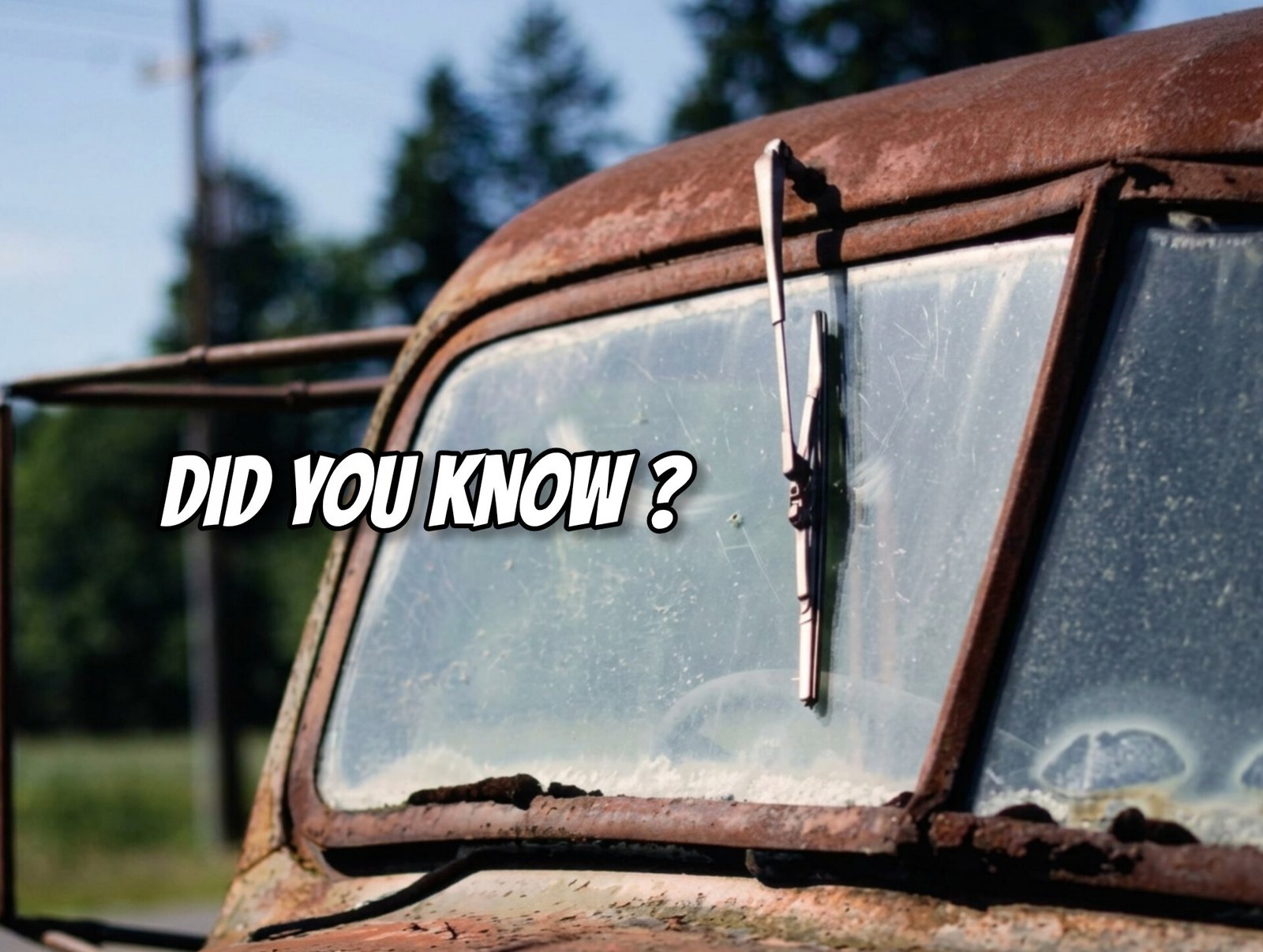

Today, windshield wipers are one of those car parts we barely think about. They’re small, simple, and easy to ignore, until heavy rain hits and we realize just how important they are. Without wipers, driving in bad weather would be much more dangerous, and seeing the road would be a real challenge.
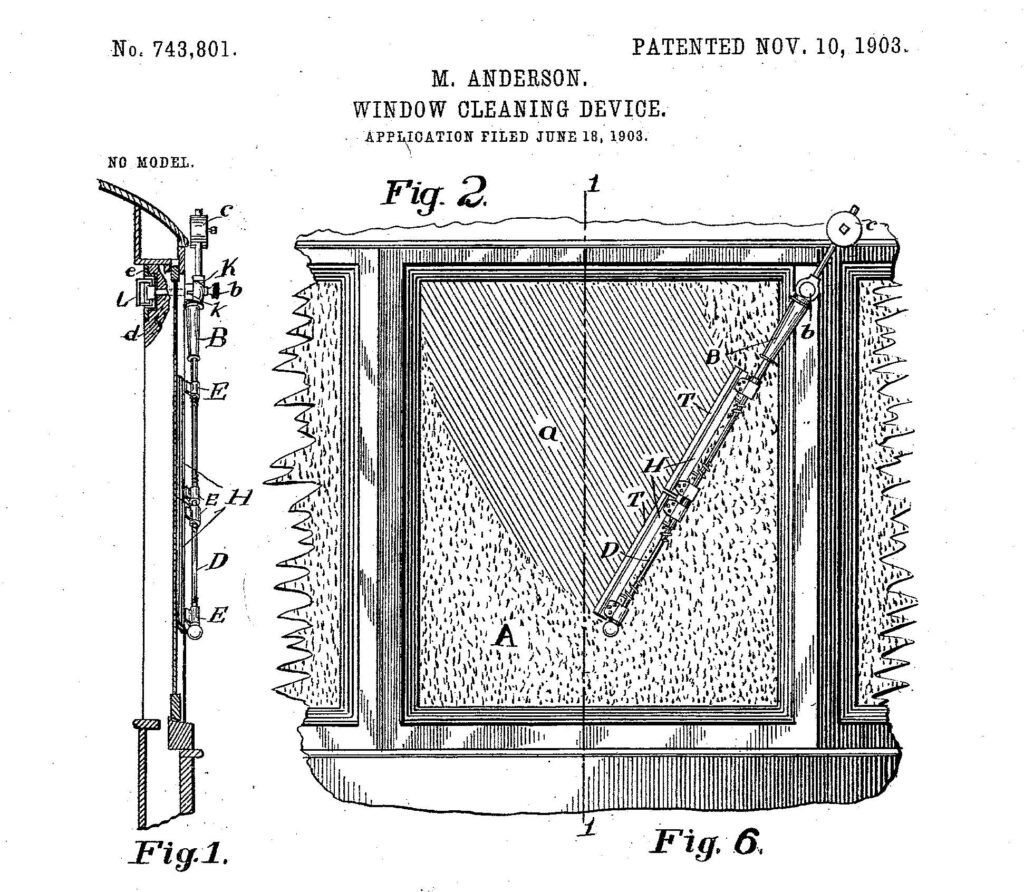
The story of the modern windshield wiper started in 1903, when American inventor Mary Anderson patented a manual windshield-cleaning device. Her invention used a blade system that drivers could operate from inside the car, letting them clear rain, snow, and dirt from the windshield without having to stop and get out.
At first, Anderson’s idea didn’t seem revolutionary. Cars were still pretty new, and many people didn’t think there would be much demand for a device like this. But as more people started driving, her invention turned out to be a major improvement for road safety.
The Rise of Windshield Wipers in the Automotive Industry
During the 1910s and 1920s, car ownership grew quickly, especially with mass production from companies like Ford Motor Company. As a result, windshield wipers slowly became standard equipment.
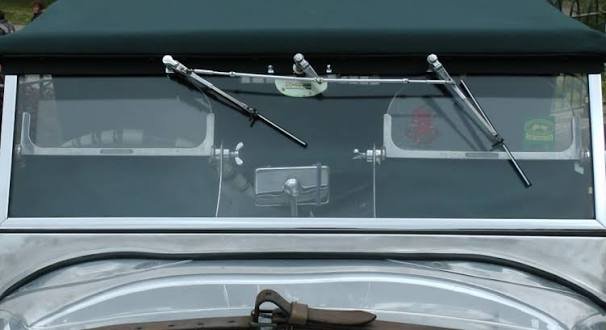
The earliest wipers were completely manual. Drivers had to move a lever by hand to operate the blade. It was a basic setup, but it laid the groundwork for the automatic wipers we use today.
The Arrival of Electric and Automatic Wipers

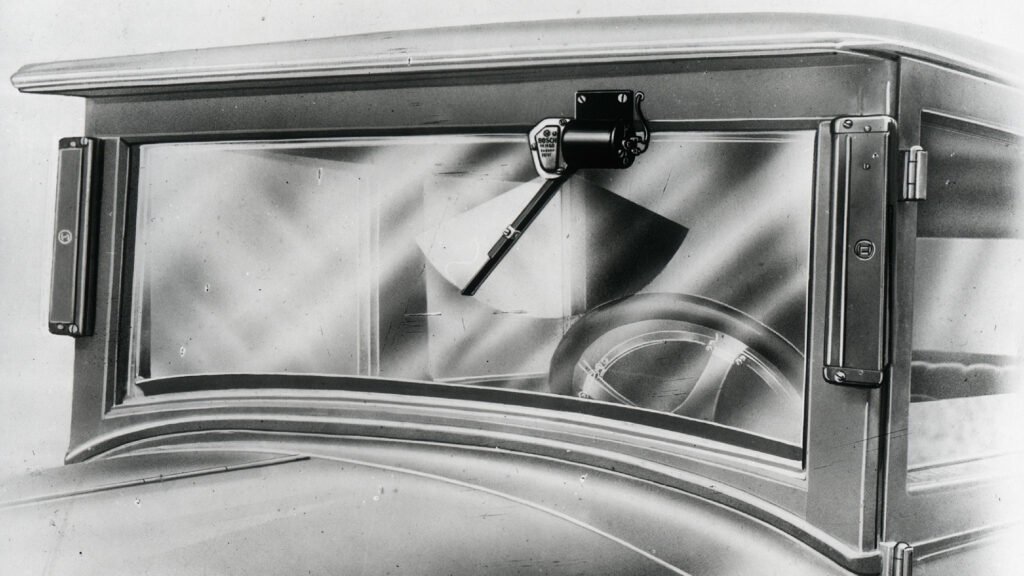
A big breakthrough came in the 1920s and 1930s with the introduction of electric wiper motors. This let the wipers run automatically, making driving safer and a lot more convenient.
Over time, carmakers added more useful features, such as:
- Adjustable wiper speeds
- Windshield washer systems
- Intermittent wiping modes
Intermittent wipers, introduced in the 1960s, were another important step forward. They let drivers control how often the wipers moved during light rain instead of having them run nonstop.
From Traditional Blades to Modern Aero Wipers
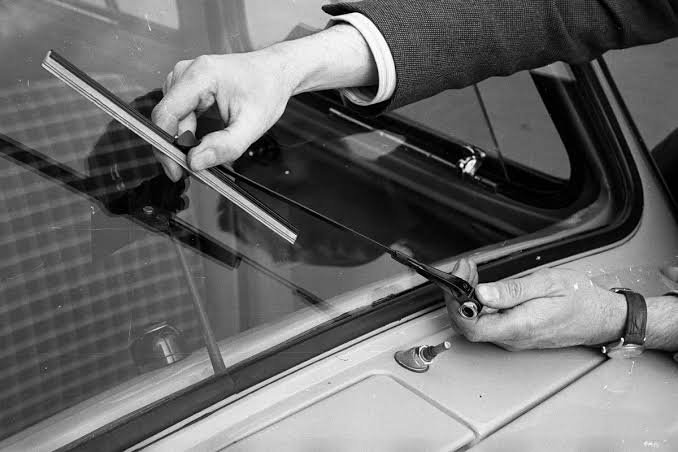
For many years, windshield wiper designs didn’t change much. But modern cars brought some major updates with flat-blade and aero wiper technology.
Unlike older metal-frame designs, modern aero wipers offer:
- Better contact with the windshield
- Less wind noise
- Better performance at high speeds
- A cleaner, more streamlined look
The Era of Smart Rain-Sensing Wipers
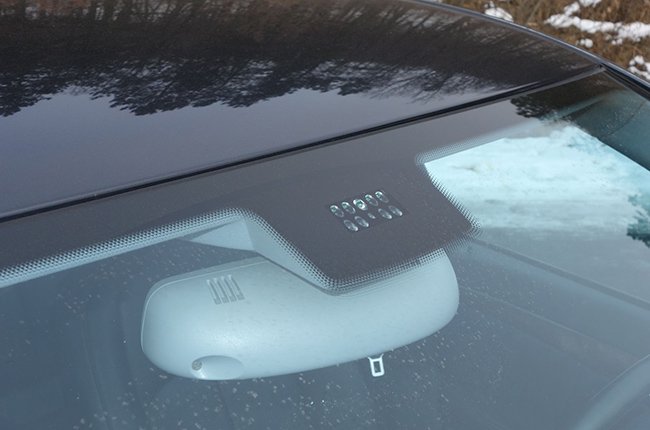
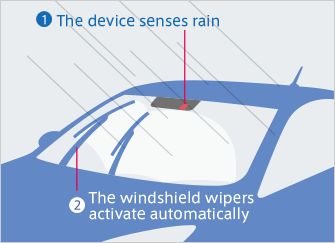
Today, many newer cars come with rain-sensing wipers. These systems use optical sensors to detect water droplets on the windshield and automatically adjust the wiping speed depending on how hard it’s raining.
This feature was once mostly found in luxury cars, but it’s becoming more common in affordable vehicles too. It makes driving more comfortable and helps improve safety.
The Future of Windshield Cleaning Technology
As electric cars and self-driving technology continue to develop, windshield wipers could change quite a bit too.
Future options might include:
- Water-repellent windshield coatings
- Ultrasonic cleaning technology
- Advanced camera systems built to work in harsh weather
Some experts think traditional moving wiper blades could eventually be replaced by newer systems with fewer mechanical parts.
Windshield wipers might not be the most exciting part of a car, but their history shows how a simple idea can make everyday driving much safer. Sometimes, the smallest inventions end up having the biggest impact.
From Mary Anderson’s manual invention more than a century ago to today’s smart sensor-based systems, the humble wiper is still an important part of automotive history.
What do you think? Will traditional windshield wipers stick around in the age of self-driving cars, or will new technology eventually replace them? Share your thoughts in the comments below.

Adhe is part of the 88 Eight Box Editorial Team, covering JDM culture, motorsport, automotive technology, and industry news. The team focuses on delivering original automotive stories, reviews, and insights for enthusiasts worldwide.