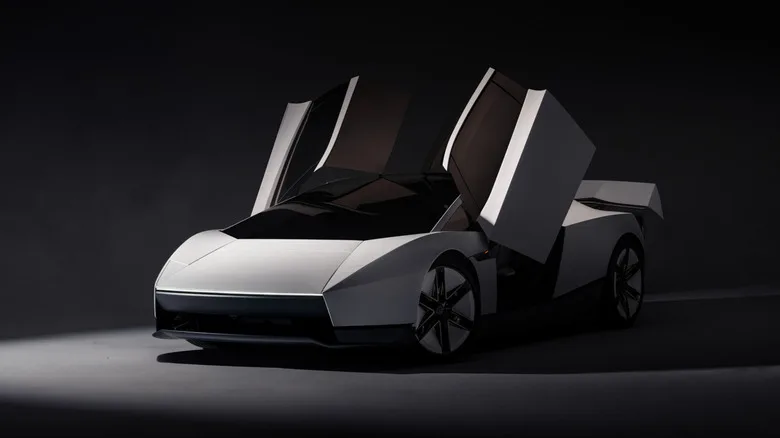
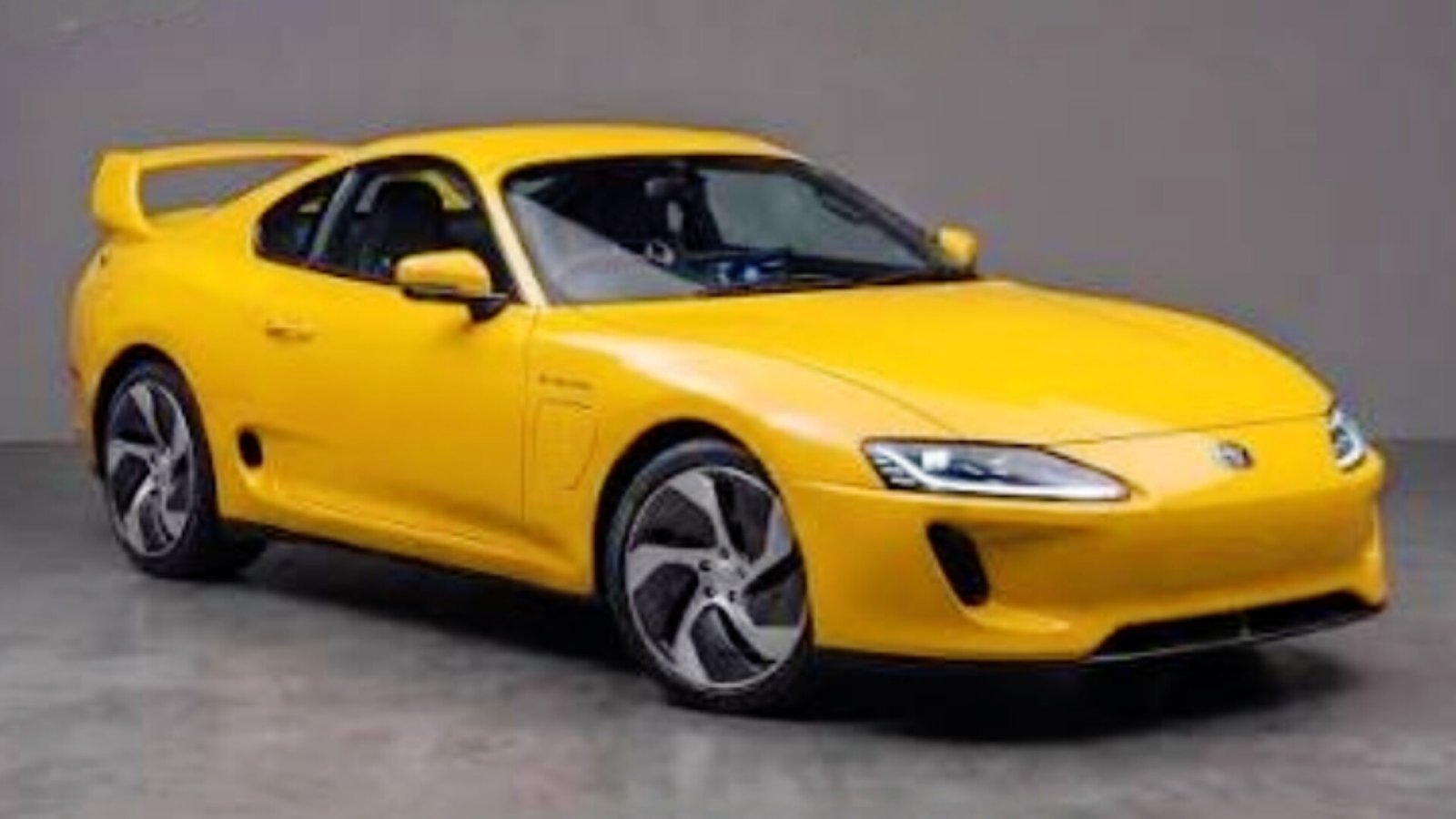
The combination of retro JDM (Japanese Domestic Market) aesthetics with modern electric vehicle (EV) technology has become one of the biggest trends in the automotive world. Car manufacturers and restomod builders are embracing this approach to satisfy enthusiasts who miss the iconic designs of the 1980s and 1990s while adapting them to a cleaner, zero-emission future.
Instead of replacing automotive heritage, this movement aims to preserve the soul of classic Japanese cars and combine it with advanced battery technology, instant electric torque, and modern driving features.
1. Reimagining Iconic Japanese Designs
Nissan’s Retro EV Direction
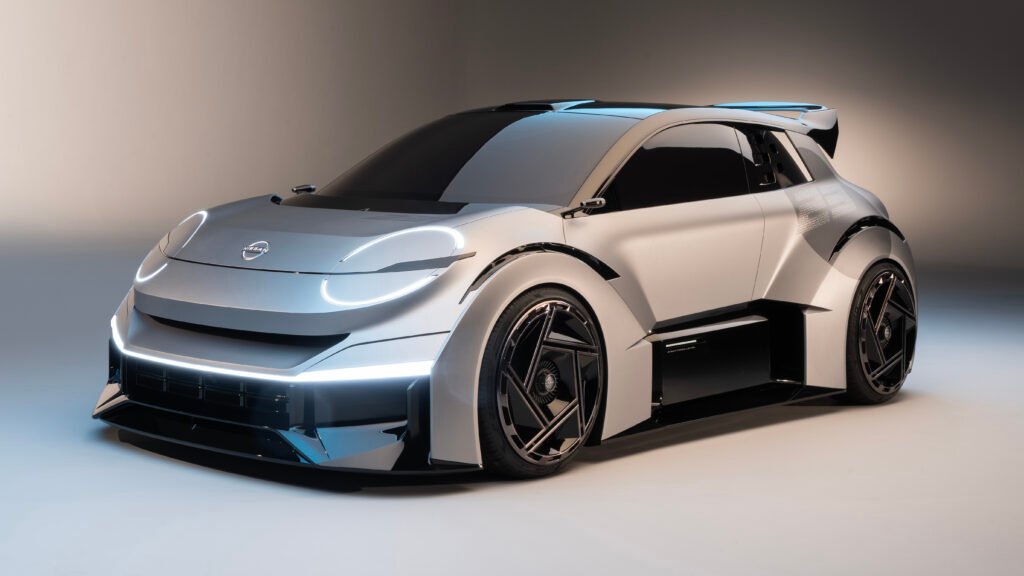
Nissan has explored the idea of bringing back the charm of its legendary Pike Factory era, which produced unique models such as the Nissan Figaro, Nissan Pao, and Nissan Be-1.
Modern Nissan EV concepts combine rounded body shapes, minimalist styling, and playful Japanese design elements with advanced electric powertrains, digital interiors, and next-generation battery technology.
The result is a futuristic EV that still carries the emotional appeal of classic Japanese city cars.
Honda’s Retro-Futuristic EV Design
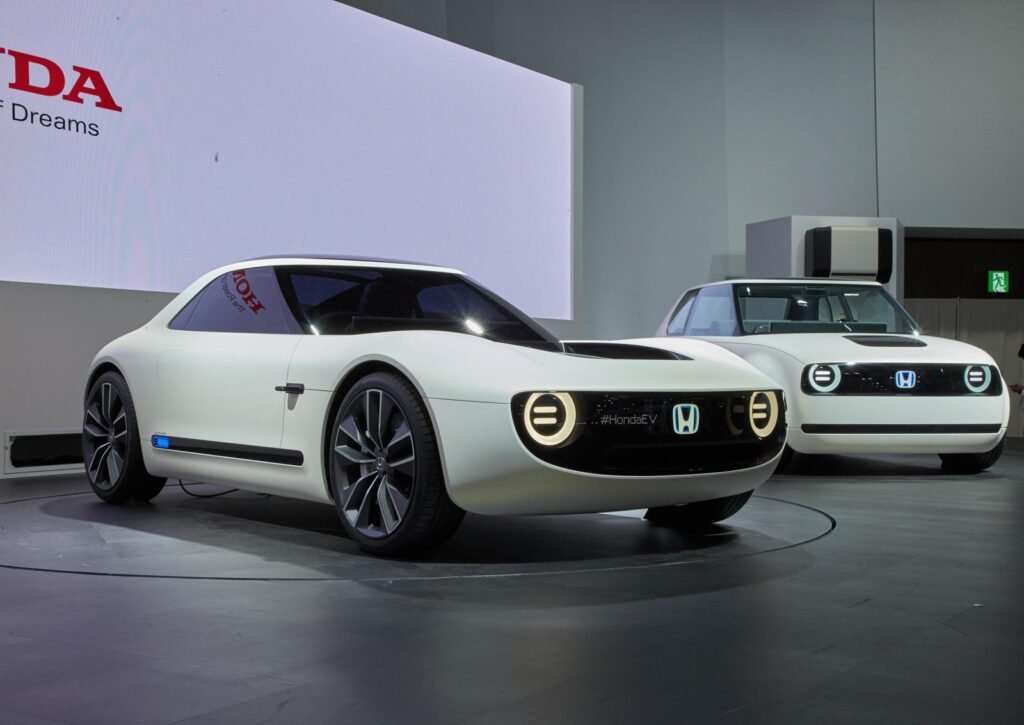
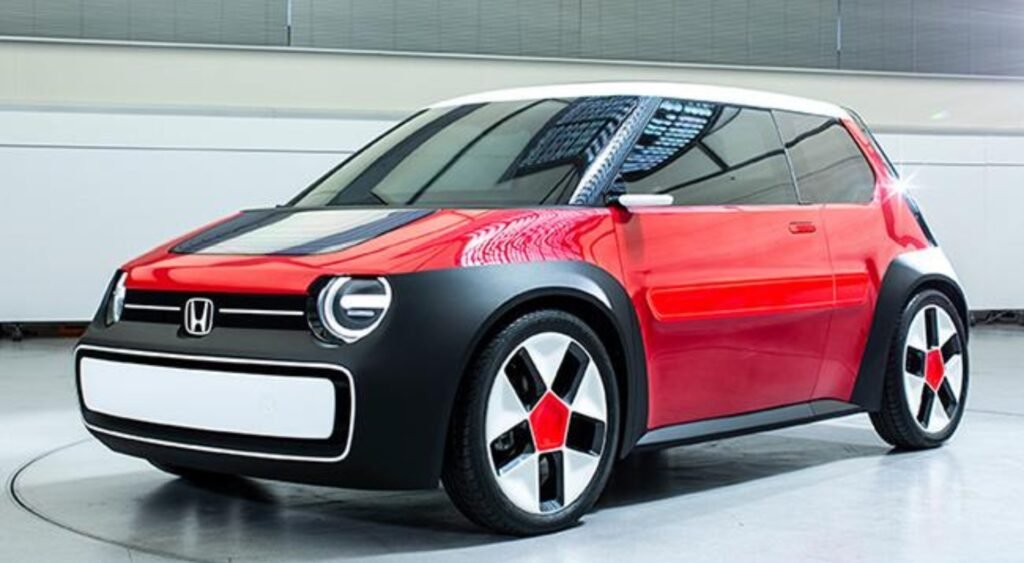
Honda Sustaina-C Concept and the Honda e represent Honda’s approach to blending nostalgia with future mobility.
Both models feature compact proportions, smooth body lines, and retro-inspired details reminiscent of early Honda city cars, including the first-generation Civic and Honda City. Combined with LED lighting, digital displays, and electric technology, they create a modern interpretation of classic Japanese urban vehicles.
2. Factory Restomod Concepts: Classic Cars With Electric Hearts
Toyota AE86 BEV Concept
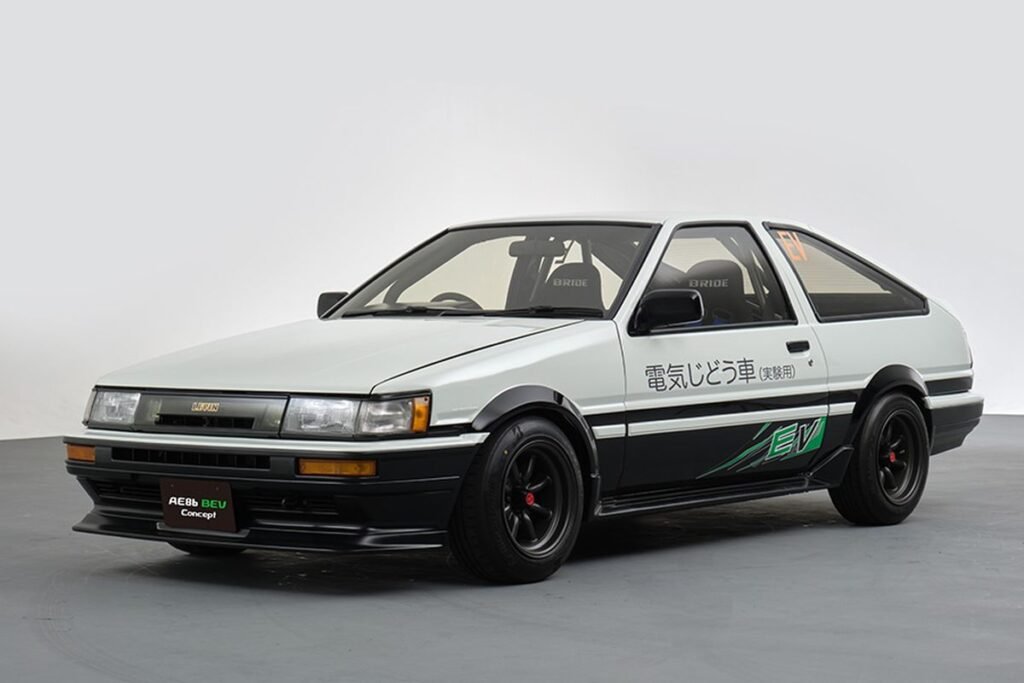
One of the most surprising examples of retro JDM electrification came from Toyota through the Toyota Gazoo Racing AE86 BEV Concept.
The legendary Toyota AE86 was converted into an electric vehicle while maintaining the original driving philosophy of the famous Hachiroku.
What made the project unique was Toyota’s decision to keep a 6-speed manual transmission, proving that electrification does not necessarily mean losing driver involvement.
The concept showed that an EV can still deliver engagement, balance, and personality — the same qualities that made the AE86 a JDM icon.
3. Independent Builders Are Creating Electric JDM Restomods
Beyond major manufacturers, Japanese tuning shops and independent builders are developing EV conversion packages for classic performance cars.
Popular candidates include:
- Mazda MX-5 Miata NA with its iconic pop-up headlights
- Nissan Silvia S13 and S14
- Classic Toyota, Honda, and Mazda sports models
These conversions usually preserve the original chassis, exterior design, and driving character while replacing the combustion engine with electric motors and battery packs.
The goal is not simply making an old car faster, but keeping its personality alive for a new generation.
Why Is Retro JDM EV Becoming More Popular?
Saving Automotive Legends
Stricter emissions regulations and restrictions on older combustion vehicles are forcing many enthusiasts to find new solutions.
EV conversions allow beloved classic cars to remain usable on modern roads while meeting environmental standards.
The Cyberpunk Nostalgia Effect
The combination of 1980s–1990s Japanese styling with modern technology creates a unique retro-futuristic or cyberpunk aesthetic.
Boxy silhouettes, rounded headlights, classic mesh wheels, LED lighting, digital dashboards, and minimalist interiors create a style that appeals strongly to younger generations.
Instant Torque for Driving Fun
Electric motors provide immediate torque, which creates a new driving experience for lightweight JDM cars.
For vehicles built around agility, balance, and handling, electric power can enhance acceleration and responsiveness while maintaining the fun-to-drive character that made Japanese sports cars famous.
The Future of JDM: From Combustion Legends to Electric Icons
The future of JDM does not necessarily mean abandoning its past.
Instead, the next generation of Japanese performance cars may combine classic design, modern electric technology, and emotional driving experiences.
Retro JDM EV restomods represent a bridge between two eras — preserving the spirit of legendary Japanese cars while preparing them for a cleaner automotive future.
The engine sound may disappear, but the passion behind these icons continues to evolve.

Adhe is part of the 88 Eight Box Editorial Team, covering JDM culture, motorsport, automotive technology, and industry news. The team focuses on delivering original automotive stories, reviews, and insights for enthusiasts worldwide.