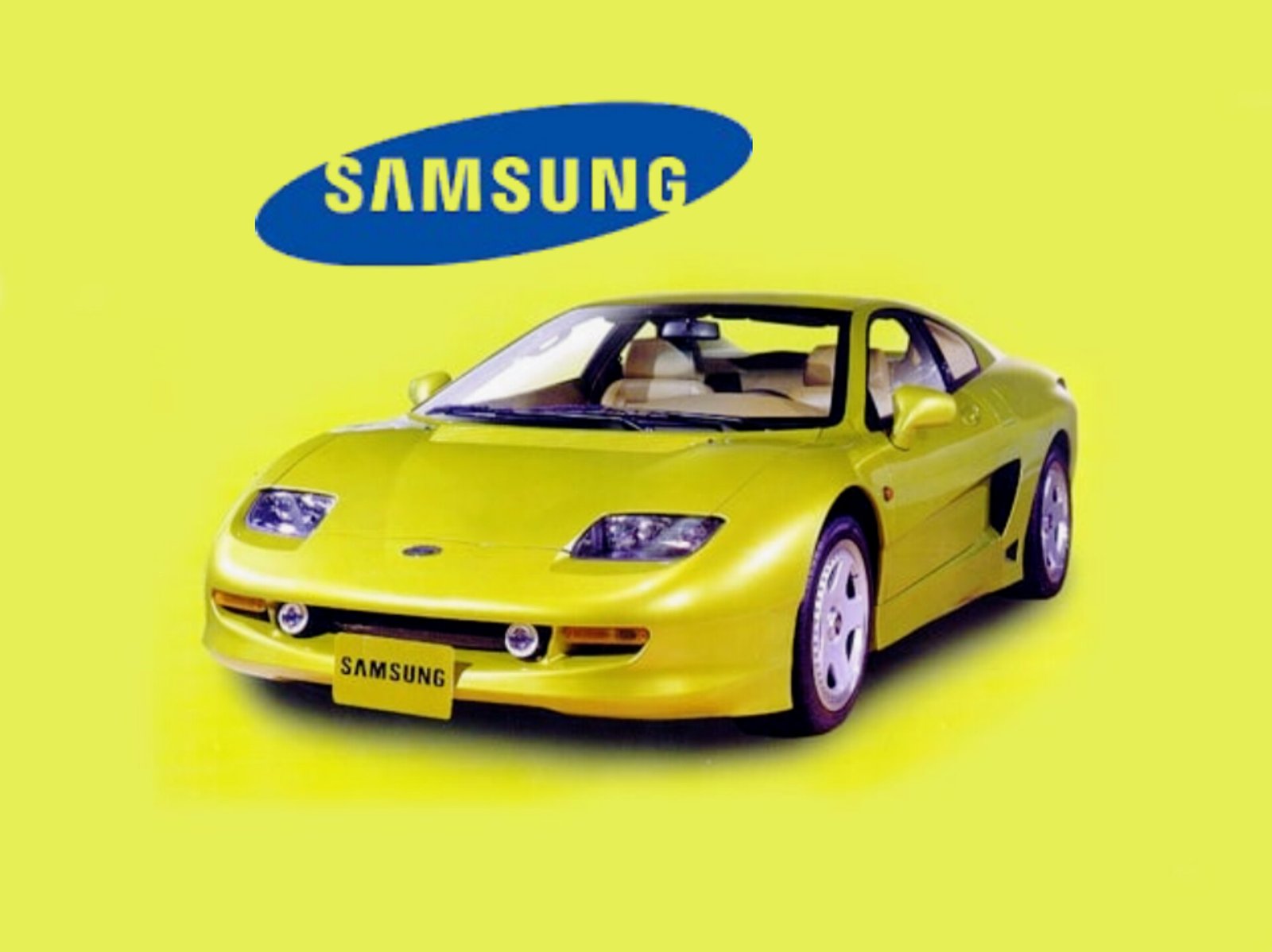
Modern Automotive — At the end of the 1990s, the global automotive industry came close to witnessing the birth of a supercar from South Korean technology giant Samsung. Through Samsung Motors, a division created under the vision of Chairman Lee Kun-hee, the company best known for its electronics products briefly captured worldwide attention when it introduced the Samsung SSC-1 (Samsung Sports Car-1) at the 1997 Seoul Motor Show.
Featuring a futuristic design language inspired by mid-engine sports cars, the SSC-1 represented Samsung’s ambitious plan to enter the high-performance automotive market and compete on a global scale.
A Combination of Korean Technology and Global Automotive Expertise
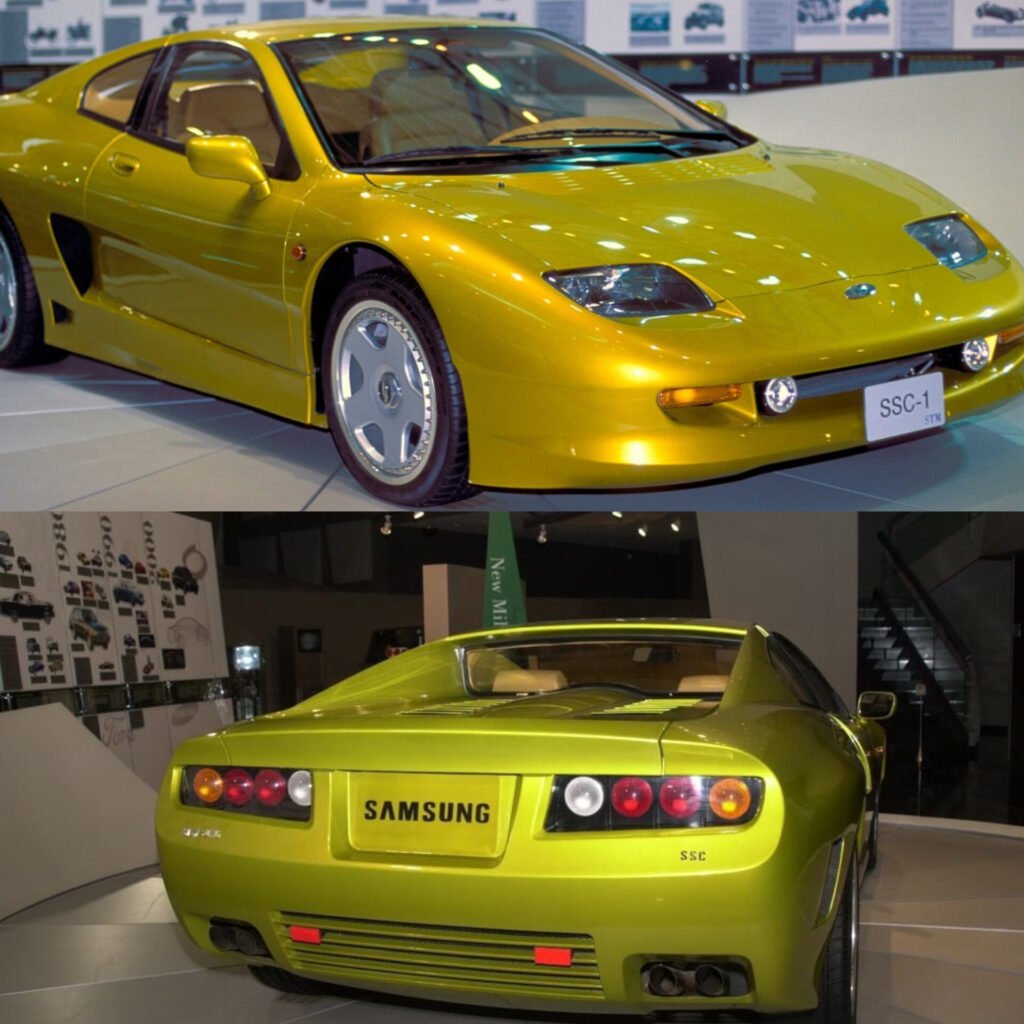
Since Samsung had no previous experience in independently developing sports car platforms, the company chose a collaboration approach by combining technology, designs, and components from various automotive manufacturers to bring the SSC-1 project to life.
Key elements of the concept car included:
- Lightweight Chassis and Body: The SSC-1’s chassis structure and body proportions were based on the design of the French supercar Venturi Atlantique, while its body panels used lightweight fiberglass material to reduce weight.
- JDM Component Influence: At the front end, Samsung equipped the SSC-1 with headlights taken from the legendary Japanese sports car Nissan 300ZX (Z32), giving it a distinctive 1990s Japanese sports car character.
- Nissan V6 Powertrain: For its mechanical heart, the SSC-1 was powered by a Nissan V6 engine with a 2.5-liter displacement, producing up to 190 horsepower.
As a technology company, Samsung also equipped the SSC-1 with advanced interior features that were considered ahead of their time in 1997. The concept car featured an integrated GPS navigation system, a rear-view camera, and a Samsung-developed audio system.
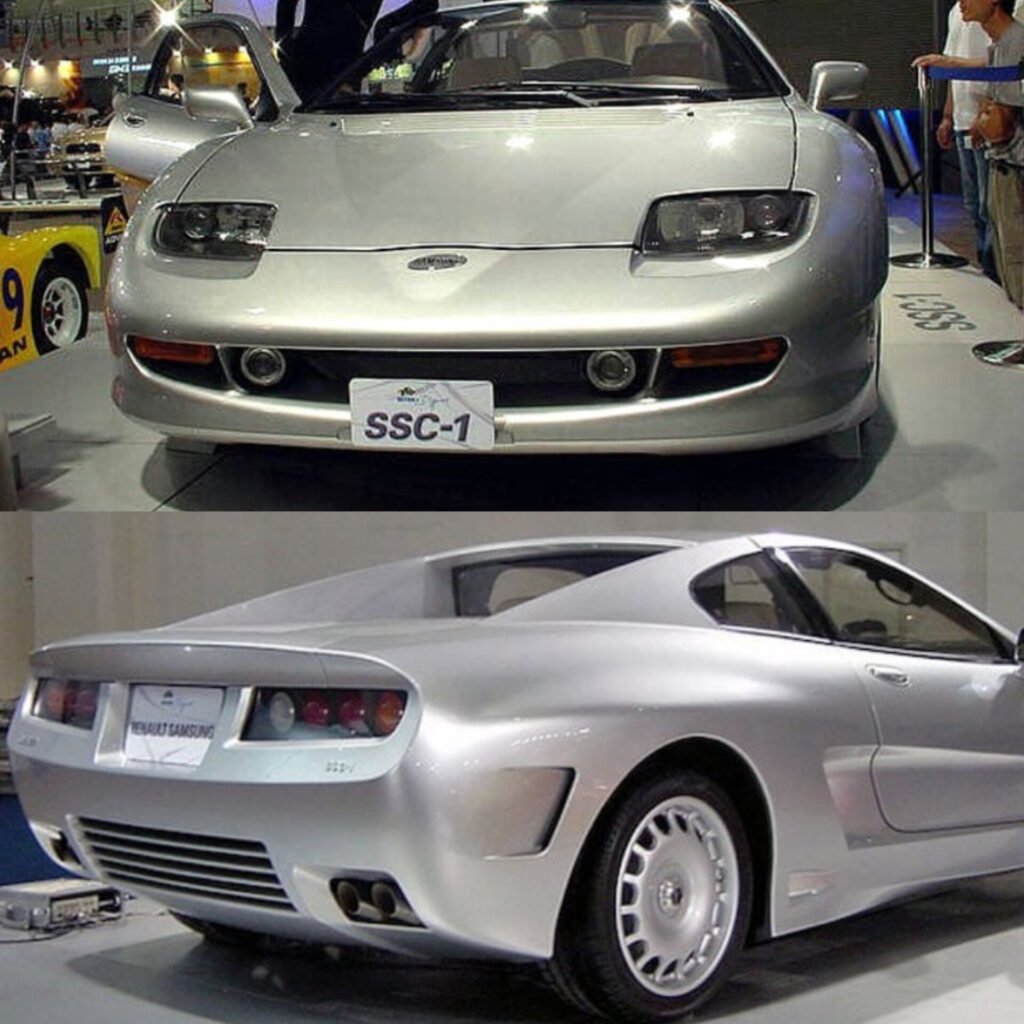
A Supercar Dream Ended by Crisis
Although the SSC-1 successfully attracted attention from visitors and automotive media, the project ultimately remained a concept vehicle and never reached mass production.
The Asian Financial Crisis that struck the region in the late 1990s forced Samsung to undergo major business restructuring, resulting in the cancellation of its ambitious supercar project.
The Samsung Motors division was later sold to French automaker Renault, which transformed the business into Renault Samsung Motors, now known as Renault Korea Motors.
While the SSC-1 never became a production model, it remains one of the most ambitious experiments in Asian automotive history. The concept car proved that a South Korean technology company once had a bold vision to enter the global high-performance automotive industry.

Adhe is part of the 88 Eight Box Editorial Team, covering JDM culture, motorsport, automotive technology, and industry news. The team focuses on delivering original automotive stories, reviews, and insights for enthusiasts worldwide.