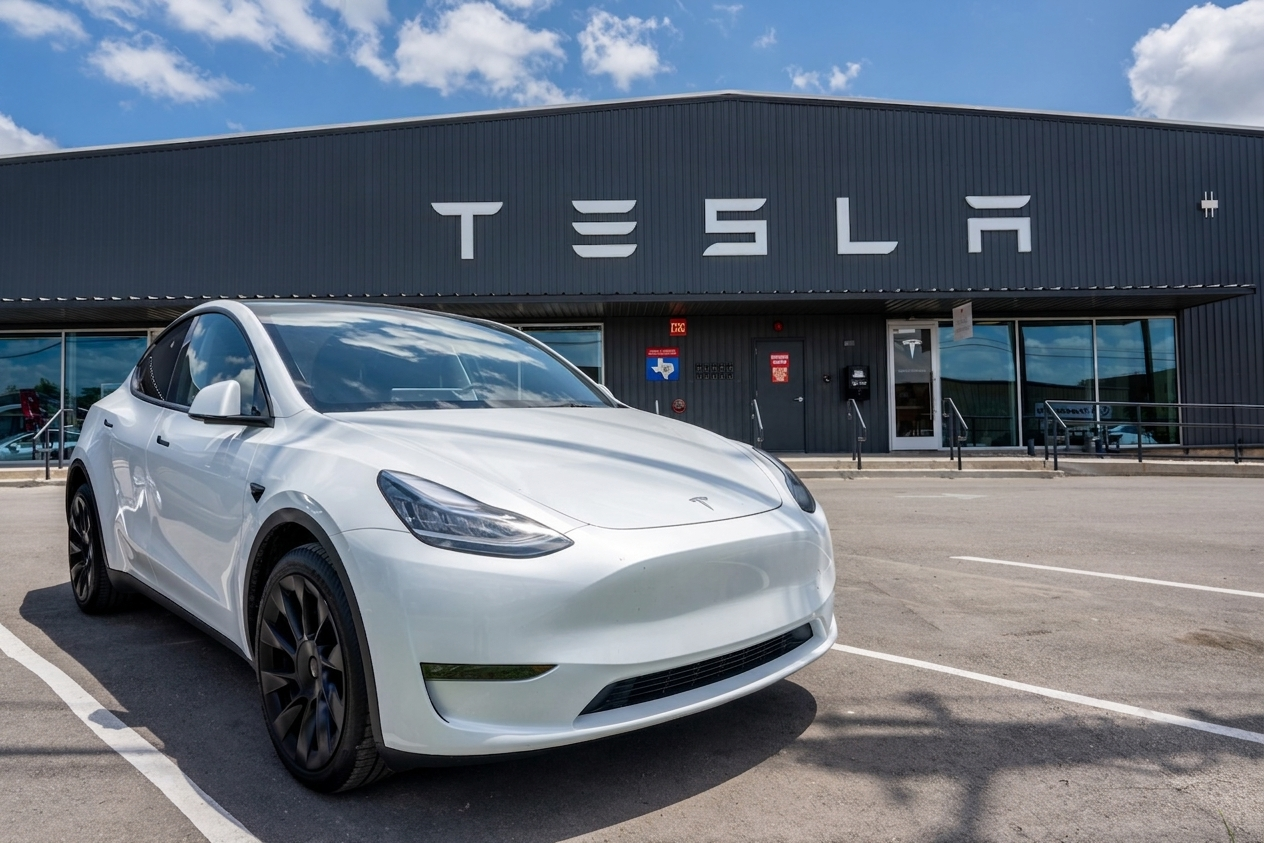
Tesla is facing major scrutiny after a hacker disproved the company’s claim that fatal crash data linked to its Autopilot system did not exist. A $15,000 bug bounty challenge unexpectedly uncovered evidence that the data was available, triggering legal consequences and financial losses estimated at $243 million.
For years, Tesla has faced questions over the transparency of its advanced driver-assistance system, Autopilot. The company had previously argued that it did not have access to a complete database of fatal crashes involving the technology or that certain information was unavailable.
However, an independent cybersecurity researcher managed to uncover evidence showing that the data was actually stored within Tesla’s systems.
The discovery came after the hacker investigated a security vulnerability as part of a bug bounty program offering a $15,000 reward. What began as a routine security test turned into a major controversy, as the findings challenged Tesla’s previous statements regarding the availability of Autopilot-related crash information.
The leaked evidence became significant in ongoing legal discussions surrounding Tesla’s responsibility and transparency in cases involving fatal crashes connected to its driver-assistance technology.
The fallout has reportedly cost Tesla around $243 million, including legal penalties, potential damages, and the impact on public confidence in the company’s autonomous driving ambitions.
Tesla’s Autopilot system is designed as an advanced driver-assistance feature, not a fully autonomous driving system. Drivers are still required to remain alert and maintain control of the vehicle at all times. However, several fatal accidents involving the technology have raised concerns among regulators and safety advocates about how users understand its capabilities.
Critics argue that automakers developing autonomous driving technology must provide greater transparency regarding safety data. They believe that crash information is essential for regulators, researchers, and the public to properly evaluate the risks and improvements needed.
Tesla supporters, meanwhile, argue that the company has made significant progress in driver-assistance technology and that many incidents are caused by driver misuse or failure to properly monitor the system.
This latest controversy has reignited a larger debate in the automotive world: how much safety data should technology companies be required to share with the public?
In the author’s view, transparency will be one of the biggest factors determining the future of autonomous vehicles. Technologies like Autopilot could potentially make roads safer, but public trust can only grow if companies are willing to openly address both their successes and failures.
What do you think? Should Tesla be more transparent about Autopilot crash data, or should such information remain internal company data? Share your thoughts in the comments.

Adhe is part of the 88 Eight Box Editorial Team, covering JDM culture, motorsport, automotive technology, and industry news. The team focuses on delivering original automotive stories, reviews, and insights for enthusiasts worldwide.