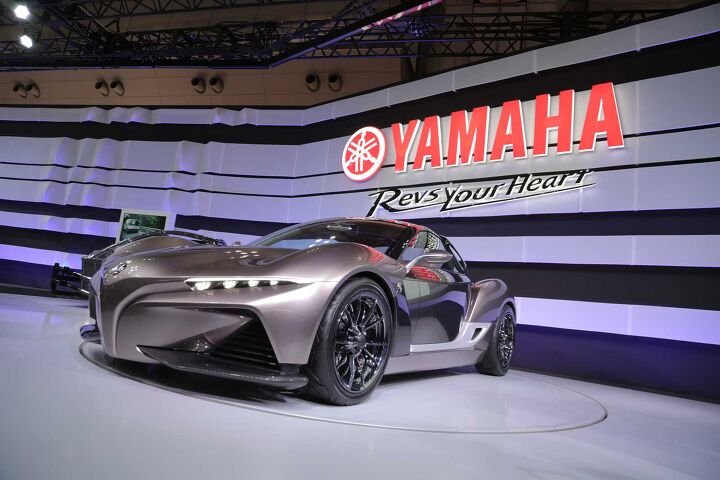
When people hear the name Yamaha, most of us immediately think about reliable motorcycles, racing machines, and legendary two-wheel engineering. However, Yamaha’s expertise actually goes far beyond motorcycles.
Throughout its history, Yamaha has played a major role in the automotive world, working with several car manufacturers to develop some of the most impressive engines ever created. Surprisingly, many iconic vehicles — especially from Toyota — have benefited from Yamaha’s engineering knowledge.
Yamaha first entered the automotive world in 1959 when the company established a dedicated research and development facility focused on creating sports cars. The project even produced a prototype called the Yamaha YX30 before the research center was eventually closed in 1962.
After that, Yamaha began working with Nissan on a sports car prototype. However, the collaboration ended, and Yamaha shifted its attention toward developing the Nissan Silvia Coupe project. Once the agreement with Nissan ended, Yamaha approached Toyota with its own sports car design.
That partnership resulted in one of Japan’s most important automotive icons: the Toyota 2000GT.
Since then, Yamaha has remained deeply involved in developing extraordinary engines, from Inline-4 and Inline-6 engines to advanced V10 powertrains and even electric technologies.
Here are some legendary cars that used Yamaha-developed engines.
Lexus LFA
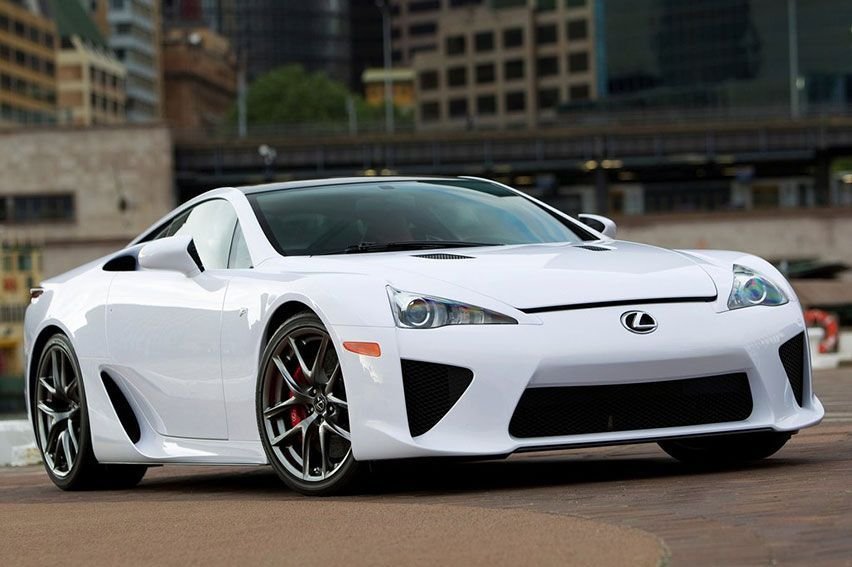
The Lexus LFA is widely regarded as one of the greatest Japanese supercars ever built. Its incredible performance came from one of the most special engines Toyota has ever created: the 1LR-GUE.
This naturally aspirated 4.8-liter V10 engine was developed by Toyota in collaboration with Yamaha Motor. The result was an engine capable of producing 552 horsepower and accelerating the LFA from 0–100 km/h in just 3.6 seconds.
Under ideal conditions, the LFA could reach a top speed of around 325 km/h, which was an impressive figure for a supercar of its era.
The V10 engine was also a technological masterpiece. It featured Toyota’s advanced engineering, including Dual VVT-i, dual fuel injection, dry-sump lubrication, and individual throttle bodies.
To maximize performance, the engine used a 72-degree cylinder angle to improve balance. Yamaha engineers also contributed by developing lightweight components, including magnesium alloy cylinder heads, forged aluminum pistons, and forged titanium connecting rods.
Thanks to these innovations, the V10 engine weighed almost as little as some V6 engines while delivering incredible performance.
With Yamaha’s involvement, Toyota created one of the most iconic engines in automotive history.
Toyota 2000GT
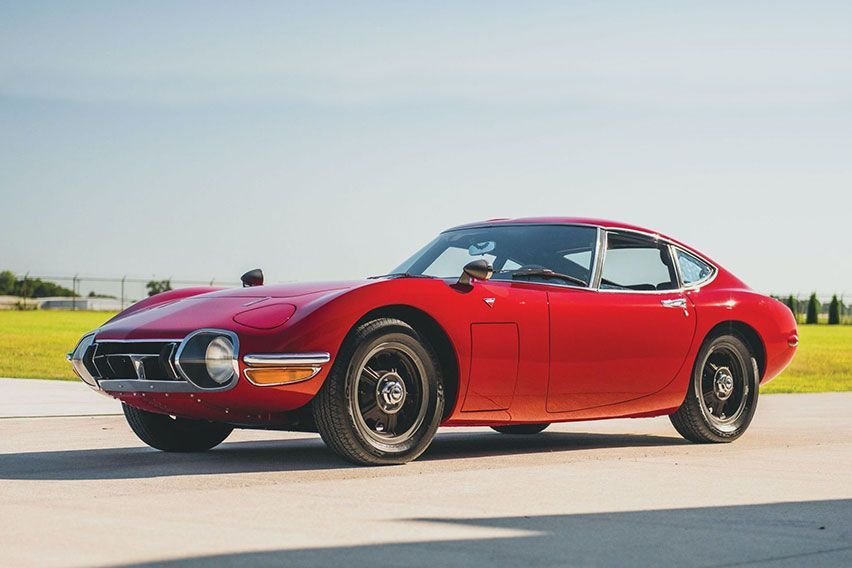
The Toyota 2000GT was a turning point for Japan’s automotive industry. This car proved that Japanese manufacturers could compete seriously in the world of high-performance sports cars.
To maximize the car’s potential, Toyota partnered with Yamaha, and the collaboration created one of the most respected sports cars of all time.
Although Yamaha played a major role in developing the engine, it was not an entirely new design. The engine was originally based on Toyota’s Crown sedan powertrain.
However, Yamaha significantly improved it by redesigning the cylinder head. The original SOHC setup from the Crown was transformed into a DOHC configuration with two valves per cylinder.
The result was a 2.0-liter straight-six engine producing 150 horsepower.
By today’s standards, that number may not sound impressive, but during the 1960s, it was considered a very strong performance figure.
Production numbers were extremely limited. Toyota built only 337 units of the 2000GT at the Motomachi factory, with just 115 units exported outside Japan.
Ford Taurus SHO
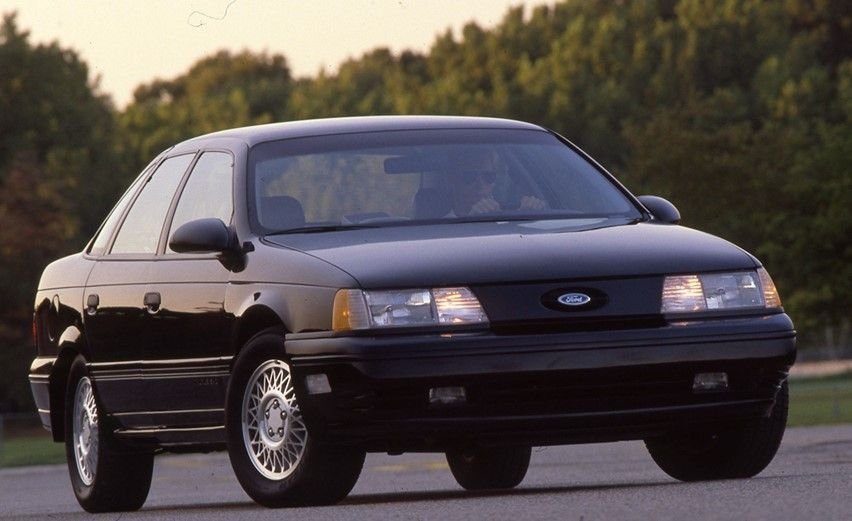
Yamaha’s engineering influence was not limited to Japanese manufacturers. One of its most successful collaborations outside Japan came with Ford and the Taurus SHO.
For this project, Yamaha developed a high-performance 3.0-liter V6 engine featuring advanced technology, including aluminum cylinder heads and a variable resonance intake system designed to improve power delivery and torque across a wider RPM range.
This Yamaha-developed engine powered the first-generation Ford Taurus SHO, producing 220 horsepower and capable of revving up to 7,300 RPM.
Because of the success of the first model, Ford asked Yamaha to continue developing engines for the second-generation Taurus SHO.
The second-generation model kept the Yamaha-engineered 3.0-liter V6, but Ford also requested a larger 3.2-liter version paired with an automatic transmission.
Although the 3.2-liter engine produced the same 220 horsepower, it delivered more torque, making the car even more enjoyable to drive.
For the third-generation Taurus SHO, Ford once again worked with Yamaha. However, this time the engine was completely different. The car used a V8 engine based on a Cosworth-designed block, while Yamaha’s role focused mainly on developing the cylinder heads.
Volvo XC90 & Volvo S80

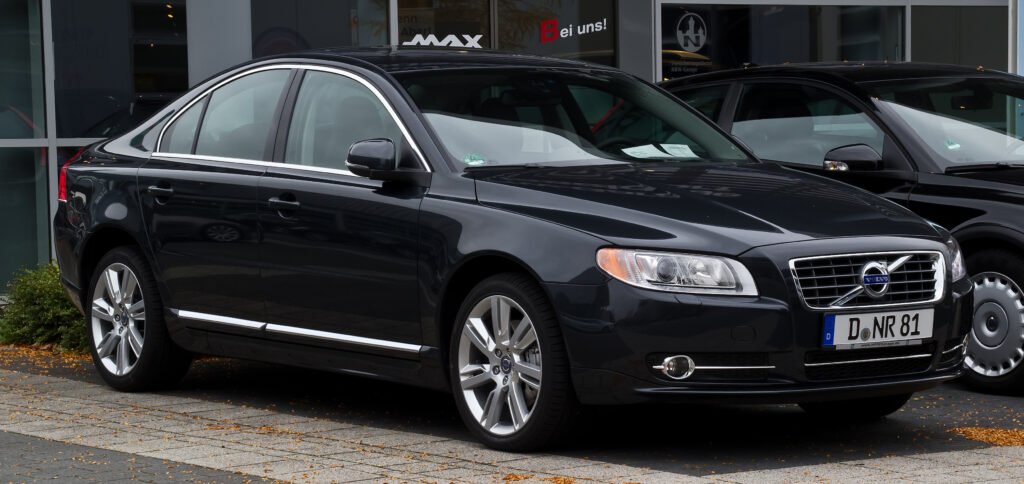
After the successful partnership with Ford, Yamaha continued working with another Ford-owned brand: Volvo.
In 1999, Volvo was acquired by Ford, and the two companies began sharing technology and engineering resources.
Ford wanted the Volvo XC90 to compete with premium SUVs such as the BMW X5 and Mercedes-Benz ML-Class in the North American market. To compete with their V8-powered rivals, Ford once again turned to Yamaha.
The collaboration created Ford’s first V8 engine, known as the B8444S.
This 4.4-liter DOHC aluminum V8 engine was completely built by Yamaha at its Japanese production facility. Introduced in 2005, the engine produced 311 horsepower and became the flagship powertrain for the Volvo XC90.
A year later, the same engine was introduced in the redesigned 2006 Volvo S80 sedan, producing identical power figures.
Later, a twin-turbocharged version of this Yamaha-developed V8 was used in the 2010 Noble M600 supercar, transforming it into a lightweight performance machine with serious power.
Yamaha’s contribution to the automotive world proves that its engineering expertise goes far beyond motorcycles. From the legendary Toyota 2000GT to the screaming V10 of the Lexus LFA, Yamaha has quietly helped create some of the most memorable engines in automotive history.

Adhe is part of the 88 Eight Box Editorial Team, covering JDM culture, motorsport, automotive technology, and industry news. The team focuses on delivering original automotive stories, reviews, and insights for enthusiasts worldwide.