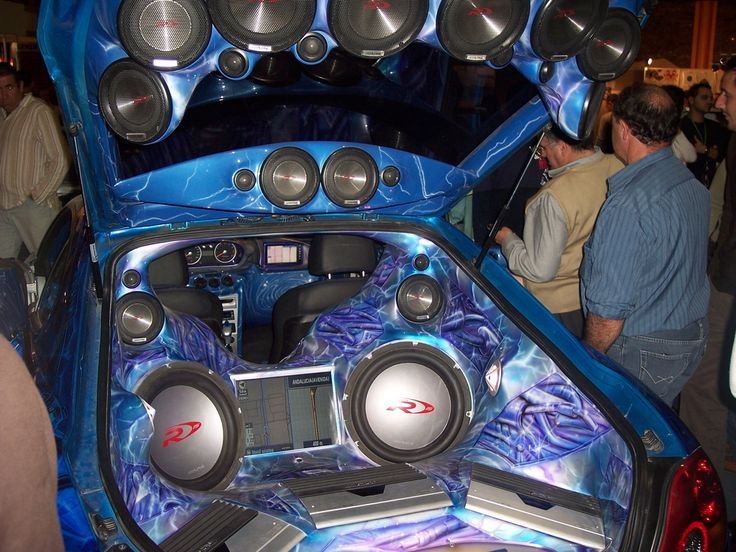
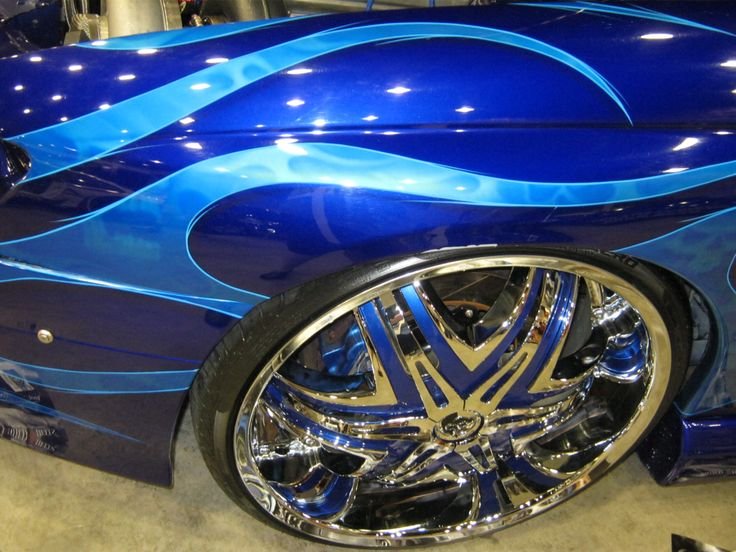
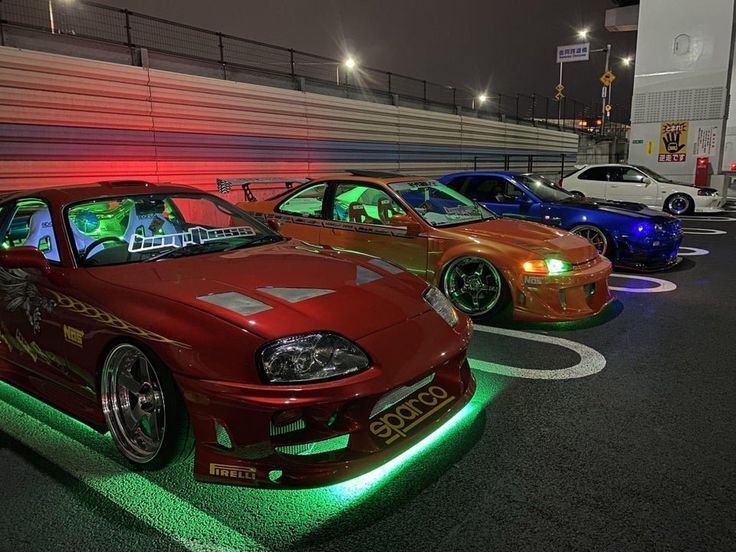
Many automotive enthusiasts believe that flashy modifications such as underbody neon lights, aggressive body kits, booming SPL audio systems, and spinner wheels were created by the Hollywood franchise The Fast and the Furious. However, the reality is quite different. The movie did not create this culture — it captured and helped spread a street scene that had already exploded in popularity since the late 1990s.
The Roots of California’s Street Tuning Culture
The origins of this movement can be traced back to the car communities of Southern California, United States. Young enthusiasts began transforming Japanese import cars, including the Honda Civic, Mitsubishi Eclipse, Toyota Supra, and other JDM legends, into unique expressions of personal style.
In the United States, this movement became widely known as the Y2K Tuner Era. Meanwhile, in regions such as the United Kingdom and Australia, a similar style was often associated with the Sex-Spec or Max Power Era.
At the time, cars were not only seen as transportation but also as a reflection of personality, creativity, and social status within the tuning community.
The “Show and Go” Philosophy
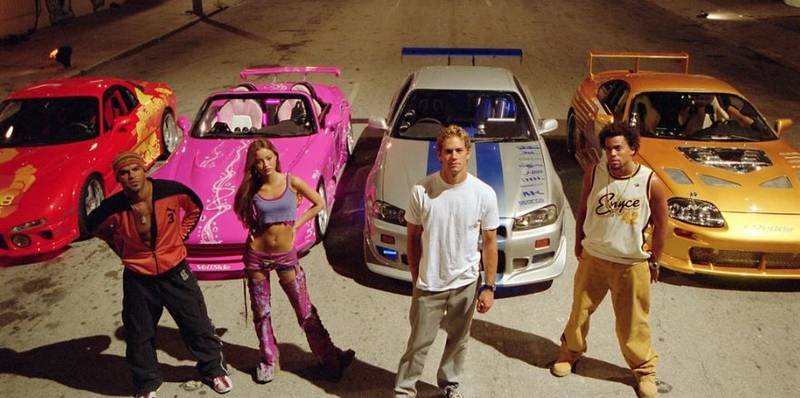
The Y2K tuning movement followed a philosophy known as “show and go.” This meant that a car should not only have decent performance but also become the center of attention whenever it appeared at a car meet or street gathering.
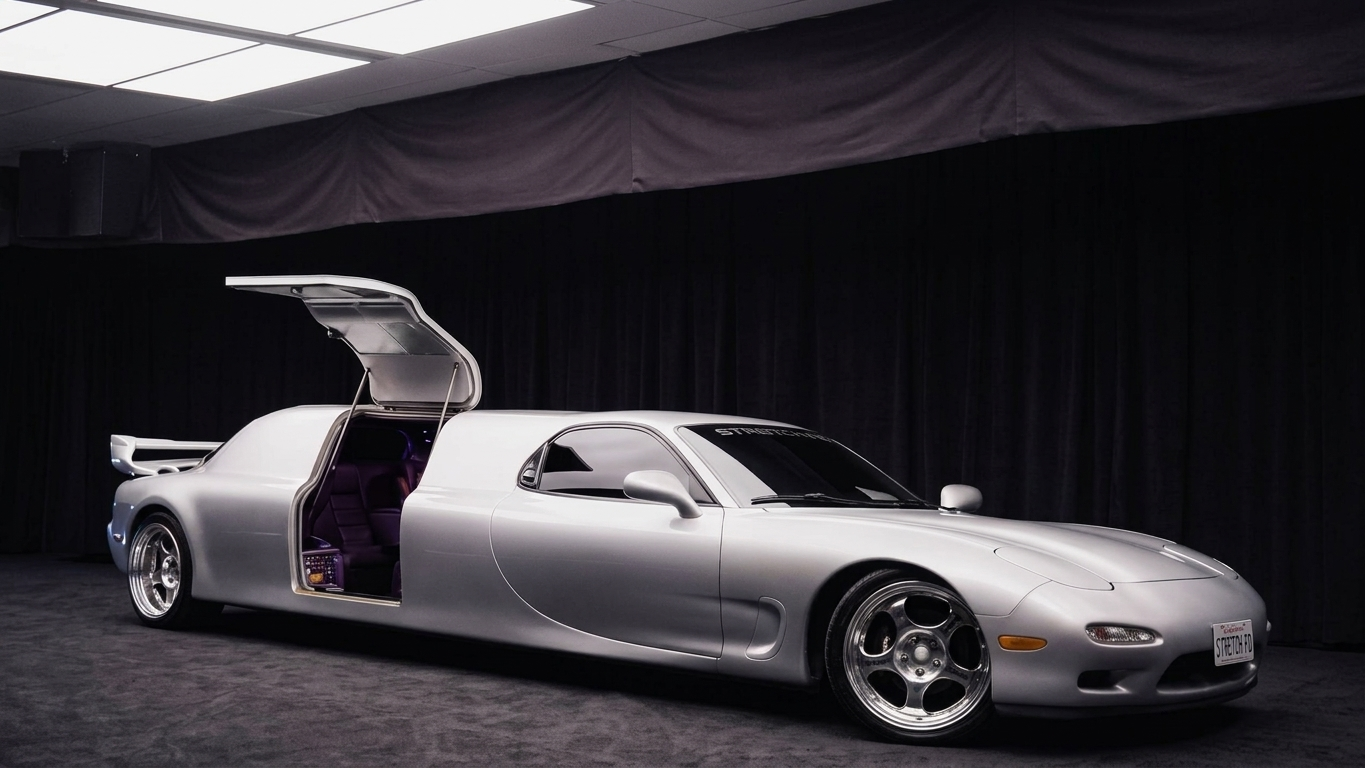
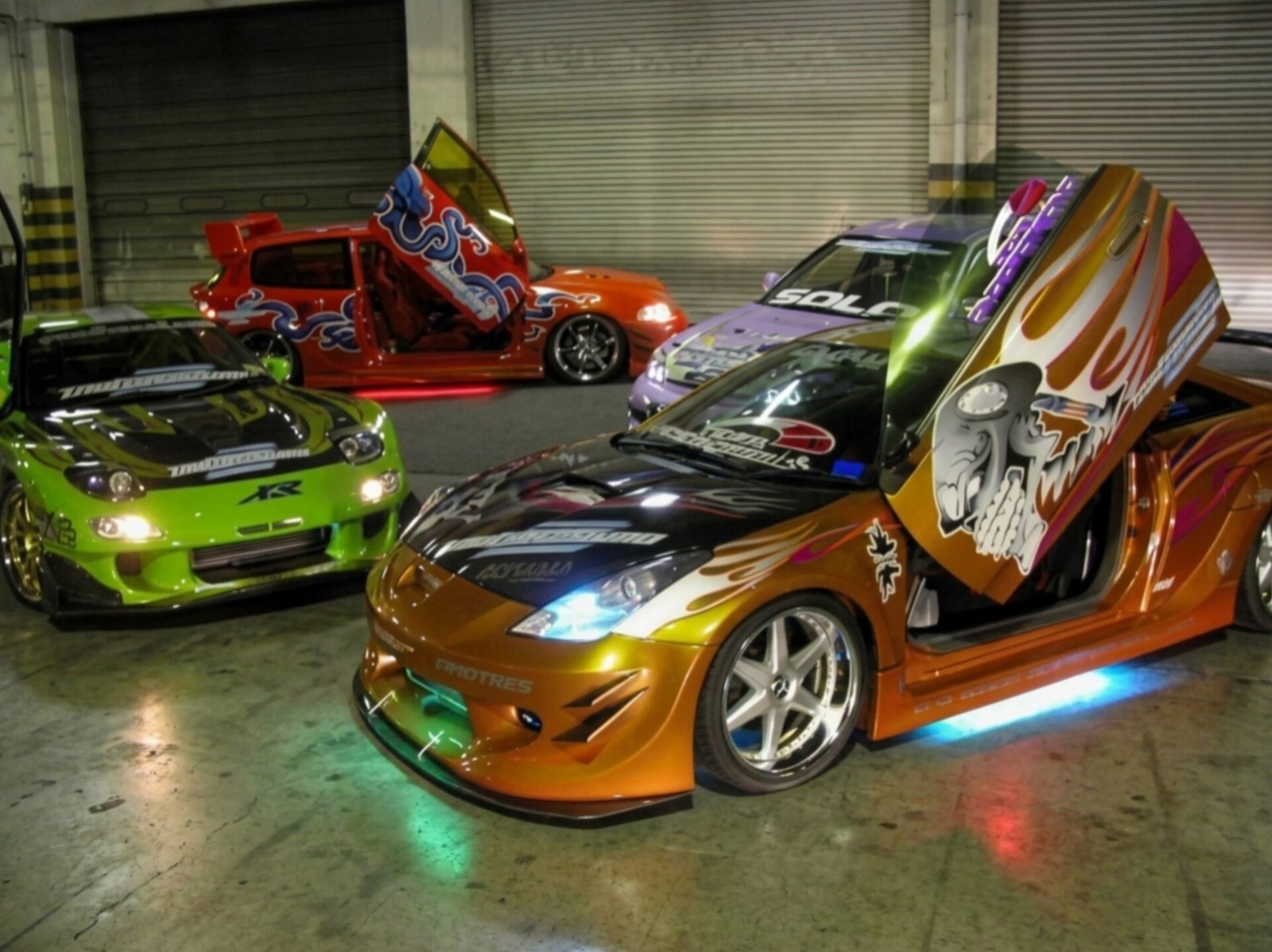
Builders competed to create the most eye-catching machines through extreme modifications, including:
- Replacing factory bumpers with famous aftermarket body kits from brands such as Veilside and Bomex.
- Applying bright candy paint colors and dynamic graphic decals.
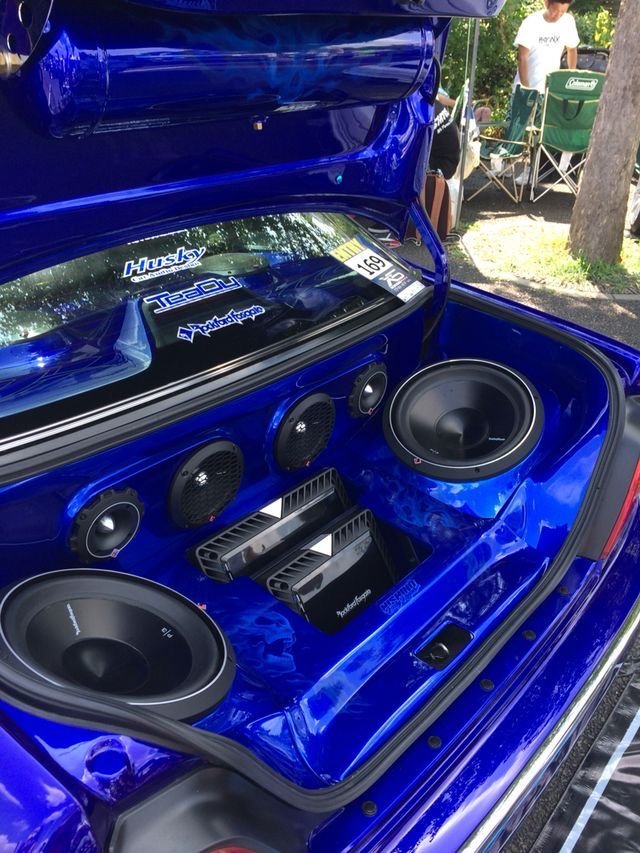
- Installing oversized spoilers, custom interiors, large television screens, massive SPL audio systems, and colorful underbody neon lighting.
For many enthusiasts, the goal was not simply to build the fastest car, but to create a vehicle that looked unforgettable.
The Influence of Hip-Hop and Pop Culture
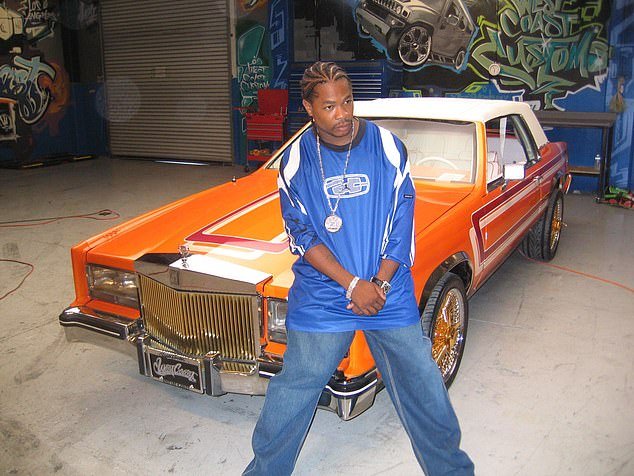
Entering the early 2000s, the popularity of spinner wheels became another major trend. These wheels, featuring a center section that continued spinning even when the vehicle stopped, were heavily influenced by hip-hop culture and celebrity lifestyles.
The release of The Fast and the Furious in 2001 became a major turning point, bringing underground tuning culture into the global spotlight. Millions of people around the world were introduced to modified Japanese cars, street racing aesthetics, and the lifestyle surrounding the tuner scene.
However, the movie was more of a global amplifier rather than the original creator of the movement.
A Celebration of Automotive Creativity
Today, automotive trends have shifted toward cleaner, more functional builds, often known as the proper or clean look style. Compared to modern standards, the extreme neon lighting, oversized body kits, and excessive audio installations of the Y2K era may appear too flashy or even outdated.
However, the Y2K tuner era remains one of the most creative chapters in automotive history. It represented a period when enthusiasts were free to experiment, express themselves, and push the boundaries of automotive design.
88eightbox Opinion
In the author’s view, the Y2K tuner era deserves more appreciation. Although some modifications from that period may no longer match today’s taste, the creativity and passion behind those builds were extraordinary. This era proved that cars are not only machines designed to move from one place to another — they can also become a form of art and personal identity.
The Y2K scene may have faded, but its influence can still be seen in modern car culture, from JDM appreciation to today’s custom builds that continue to celebrate individuality.
What do you think about the Y2K tuner and Sex-Spec era? Was it a legendary moment in automotive history, or was the style too extreme?
Share your opinion in the comments below!

Adhe is part of the 88 Eight Box Editorial Team, covering JDM culture, motorsport, automotive technology, and industry news. The team focuses on delivering original automotive stories, reviews, and insights for enthusiasts worldwide.