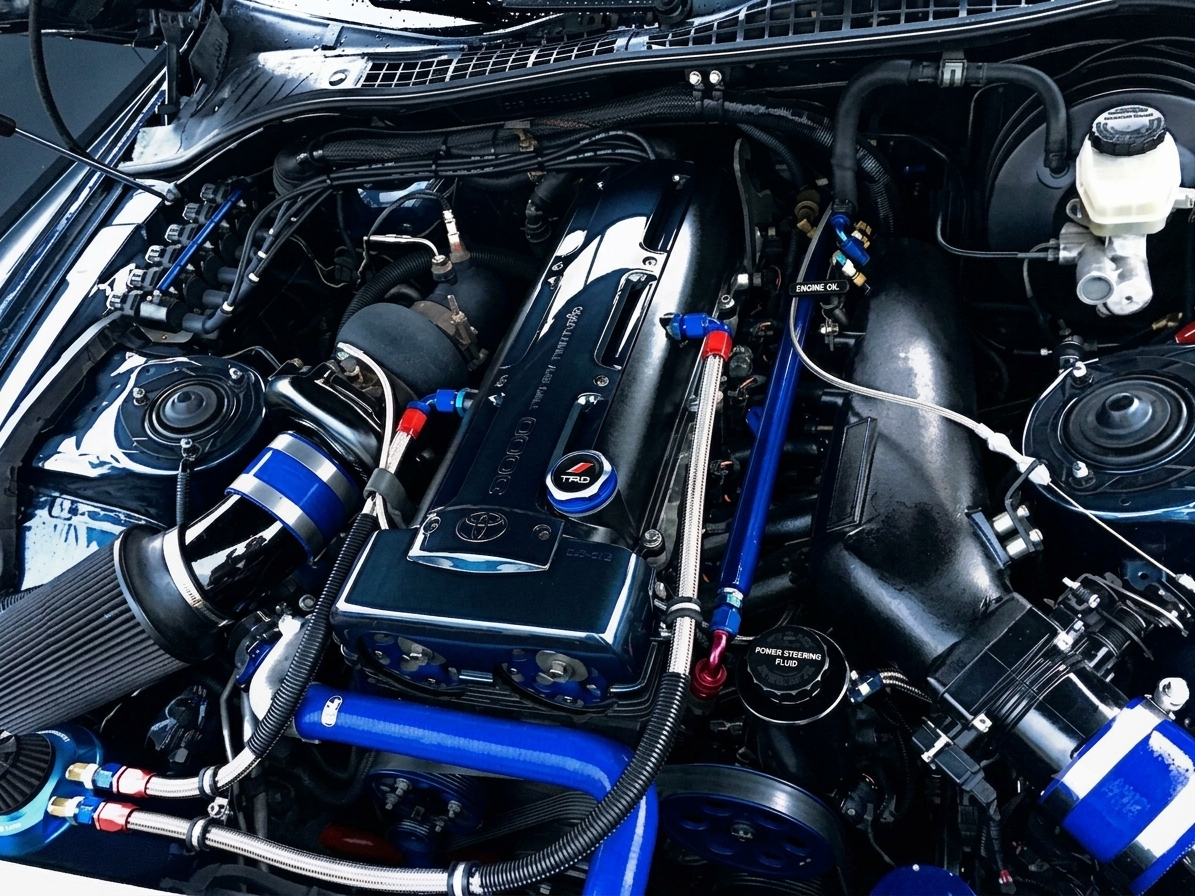
Drifting and Japan are almost inseparable. Long before the sport became a global phenomenon, Japanese tuners were already turning ordinary rear-wheel-drive cars into sideways machines and at the heart of many of those builds were engines that became legends in their own right.
From naturally aspirated four-cylinders to turbocharged sixes and even a rotary, these nine engines represent some of the powerplants that helped shape Japan’s drift culture.
Here are nine Japanese engines featured as drift legends and why enthusiasts still talk about them today.
1. Toyota 4A-GE
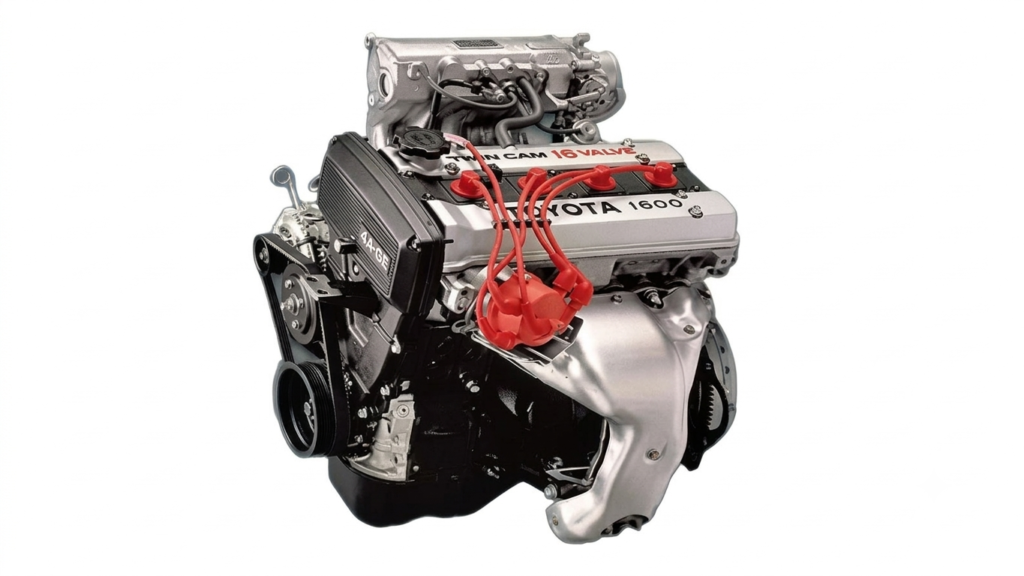
Few engines are as closely associated with lightweight Japanese performance as the Toyota 4A-GE.
The 1.6-liter naturally aspirated four-cylinder became famous through cars such as the Toyota AE86, one of the most iconic drift cars ever built.
It was never about massive horsepower. The 4A-GE delivered its appeal through a high-revving character, relatively low weight and predictable power delivery.
That made the AE86 exceptionally rewarding to drive at the limit.
For drifting, that combination mattered. A driver could maintain momentum rather than simply relying on huge amounts of turbocharged power.
2. Honda B16A
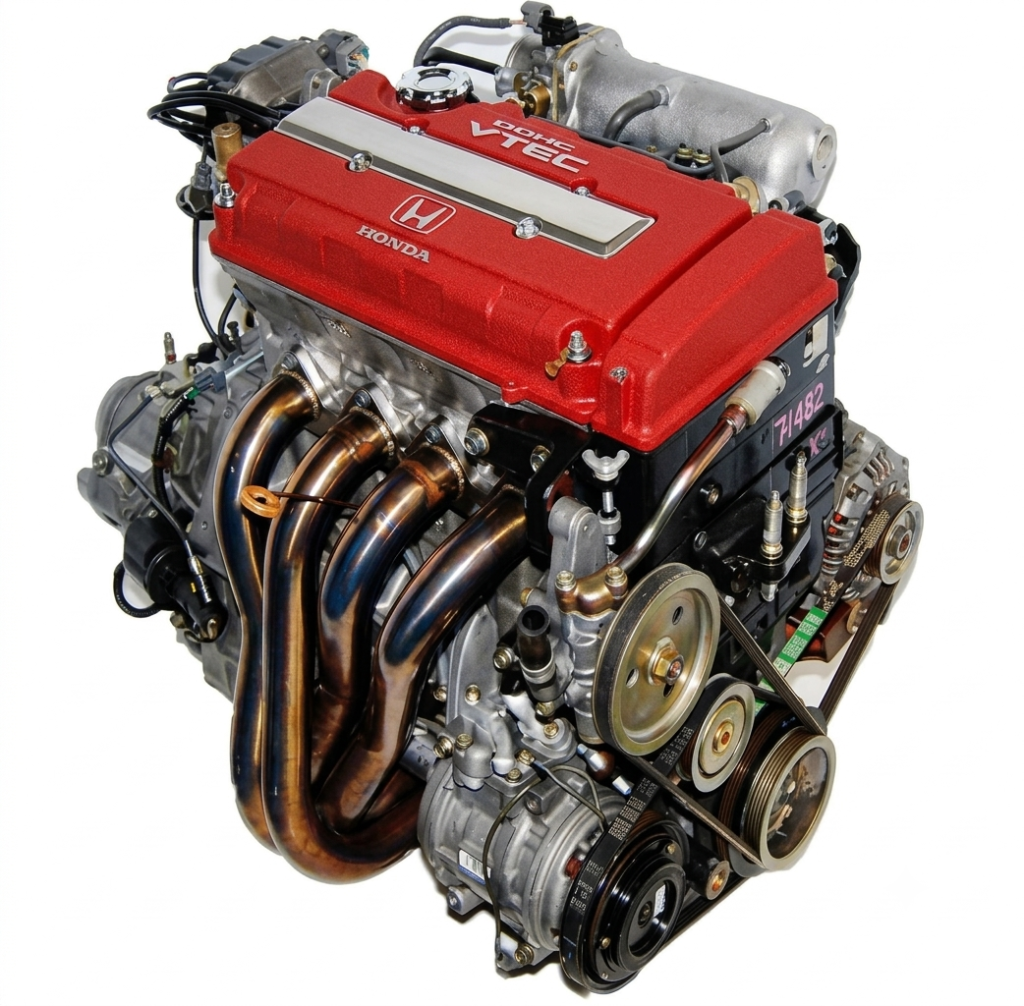
The Honda B16A took a completely different approach.
This 1.6-liter naturally aspirated VTEC engine became famous for its ability to rev hard and produce impressive specific power for its era.
The B16A is more commonly associated with front-wheel-drive Hondas than traditional drift cars, but its place in Japanese tuning culture is undeniable.
Its compact dimensions, high-revving nature and enormous aftermarket support made it one of the engines that helped establish the Japanese performance scene that eventually fed into modern drift culture.
3. Toyota 1JZ-GTE
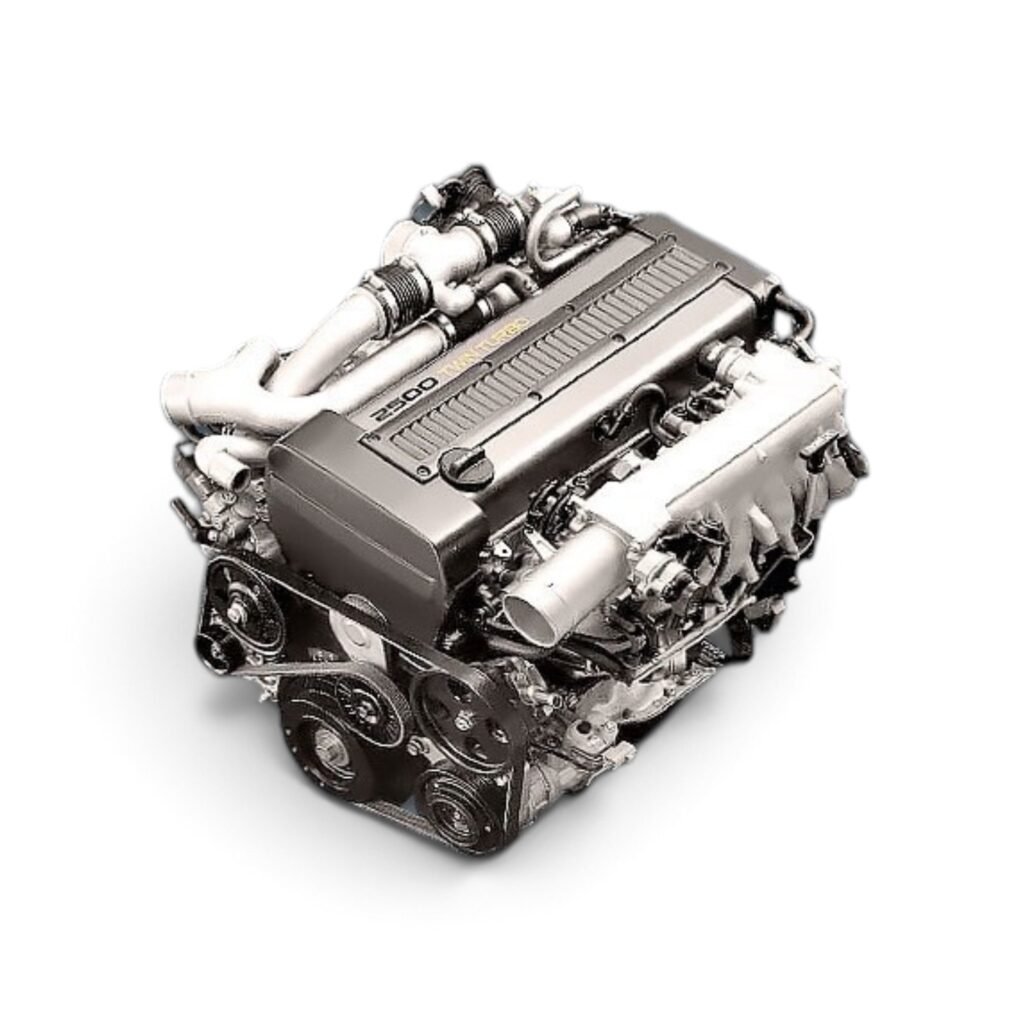
If the 4A-GE represents lightweight momentum, the 1JZ-GTE represents something else entirely: turbocharged straight-six muscle.
The 2.5-liter twin-turbo engine became famous in cars such as the Toyota Chaser, Mark II and Cresta, as well as other JDM performance platforms.
With a strong bottom end and substantial tuning potential, the 1JZ became a favorite among enthusiasts looking for more power without abandoning the classic Toyota straight-six formula.
And when that power is sent through the rear wheels, sideways driving becomes considerably easier.
4. Mazda 13B Rotary
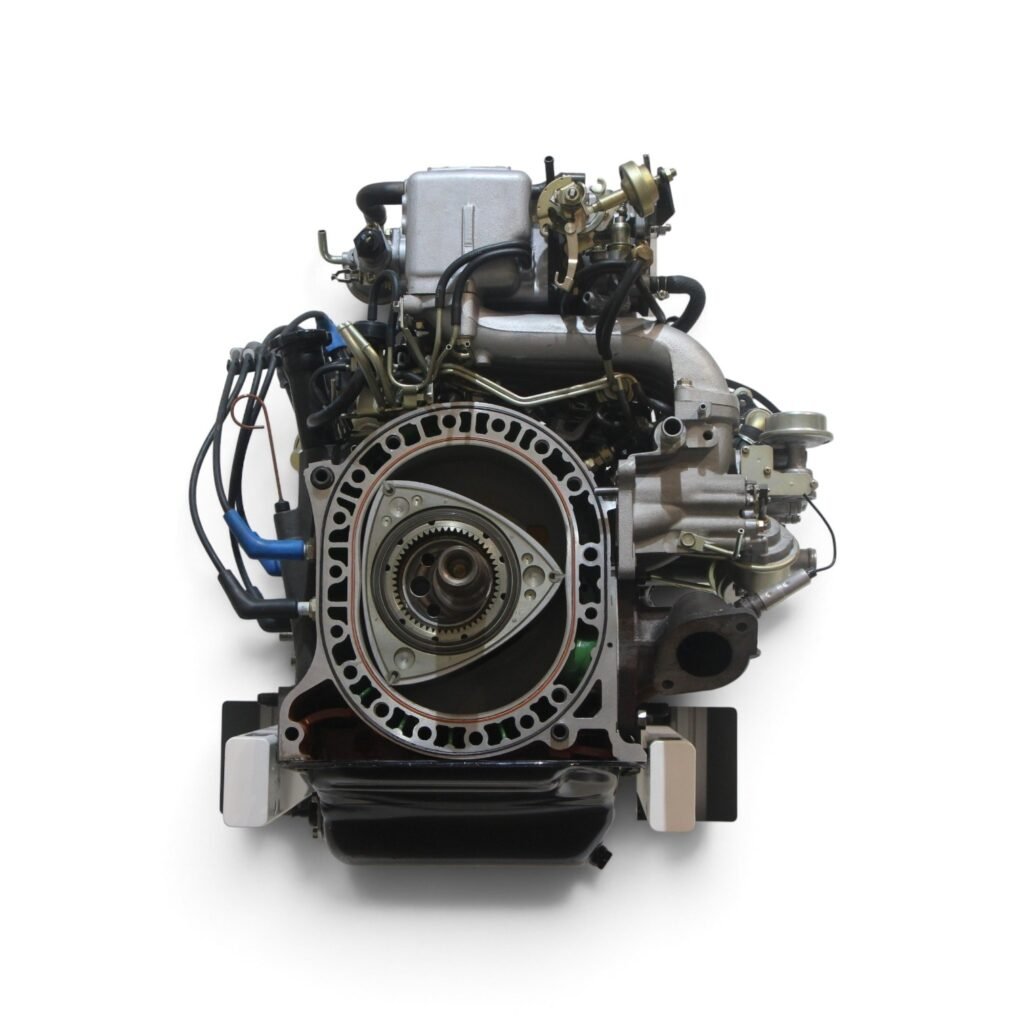
Then there is the oddball of the group.
The Mazda 13B rotary doesn’t have pistons, connecting rods or a conventional cylinder layout. Instead, it uses Mazda’s distinctive Wankel rotary design.
Its compact dimensions, smooth power delivery and high-revving character made it a natural fit for performance applications.
The rotary also became closely associated with the Mazda RX-7, particularly the FD generation.
For drift enthusiasts, the RX-7 offered a combination of low weight, rear-wheel drive and a compact powerplant positioned low in the chassis an excellent recipe for sideways driving.
5. Toyota 2JZ-GTE
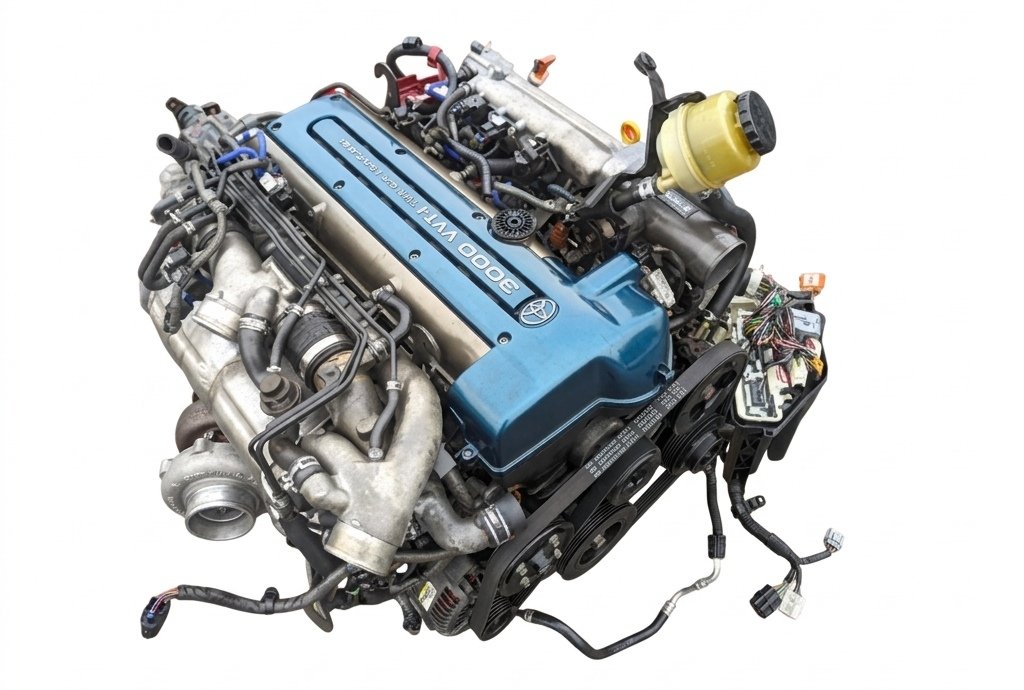
Few Japanese engines have achieved the cult status of the Toyota 2JZ-GTE.
The 3.0-liter twin-turbo straight-six became famous through the Toyota Supra Mk4, but its reputation eventually spread far beyond the Supra community.
Its strong architecture and enormous aftermarket support turned the 2JZ into one of the favorite engines for high-power builds.
In drifting, that meant one thing: horsepower.
With the right supporting hardware, a 2JZ-powered rear-wheel-drive car can produce enough torque to keep the rear tyres spinning through long corners.
It is one of the reasons the 2JZ name remains almost synonymous with Japanese tuning.
6. Subaru EJ20
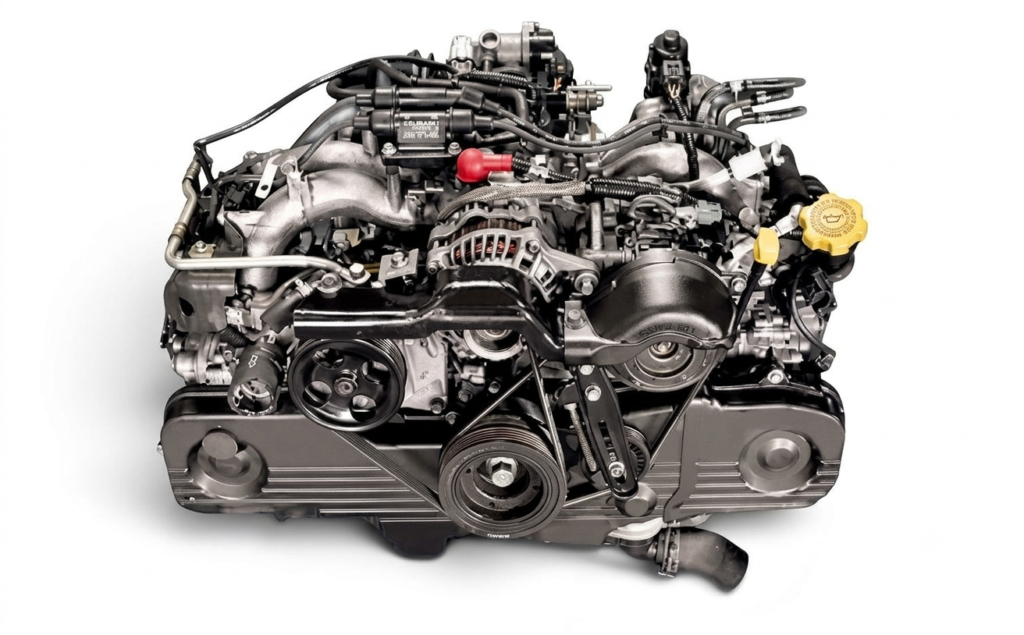
The Subaru EJ20 is another engine with an unusual route into the drift world.
The 2.0-liter turbocharged flat-four became famous through Subaru’s rally program and cars such as the Impreza WRX STI.
Its horizontally opposed layout gives it a distinctive character and low center of gravity, while turbocharging provides plenty of potential for performance builds.
Although Subaru’s all-wheel-drive rally heritage is very different from traditional rear-wheel-drive drifting, the EJ20 has nevertheless found its way into a variety of modified and drift-oriented projects.
7. Nissan VQ35DE
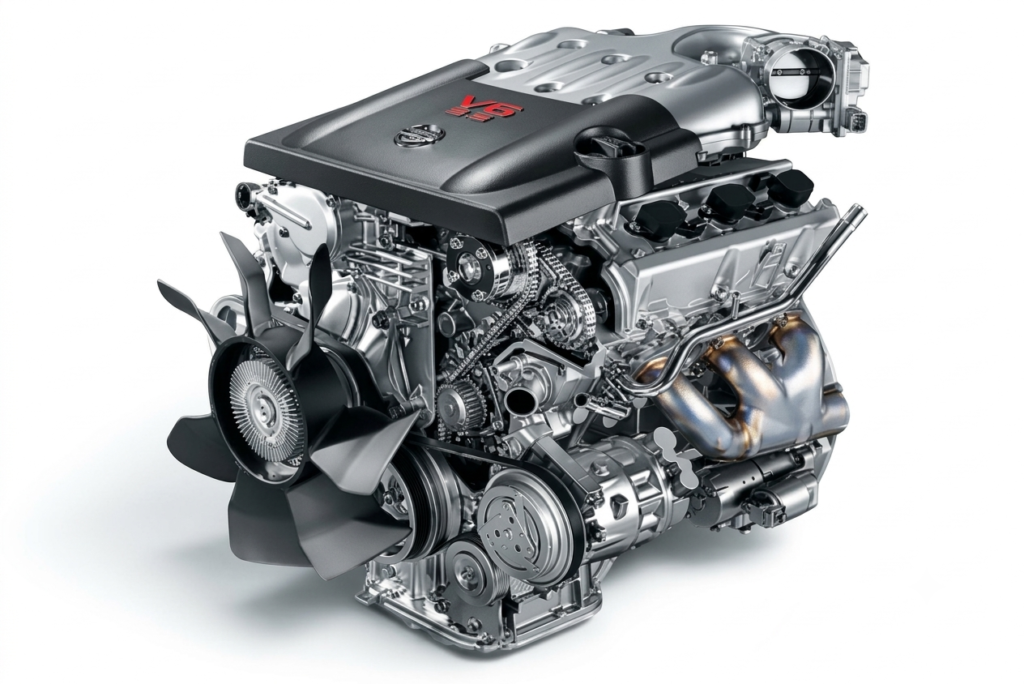
The Nissan VQ35DE brought a larger naturally aspirated V6 into the picture.
Displacing 3.5 liters, the VQ35DE appeared in a wide range of Nissan and Infiniti products and became particularly relevant to the performance world through cars such as the 350Z.
Unlike smaller turbocharged engines, the VQ offers substantial displacement and naturally aspirated torque.
Put inside a rear-wheel-drive chassis like the 350Z, that makes for a very straightforward drifting platform.
The engine’s widespread availability also helped make VQ-powered drift builds relatively accessible compared with some of the more exotic alternatives.
8. Nissan SR20DET
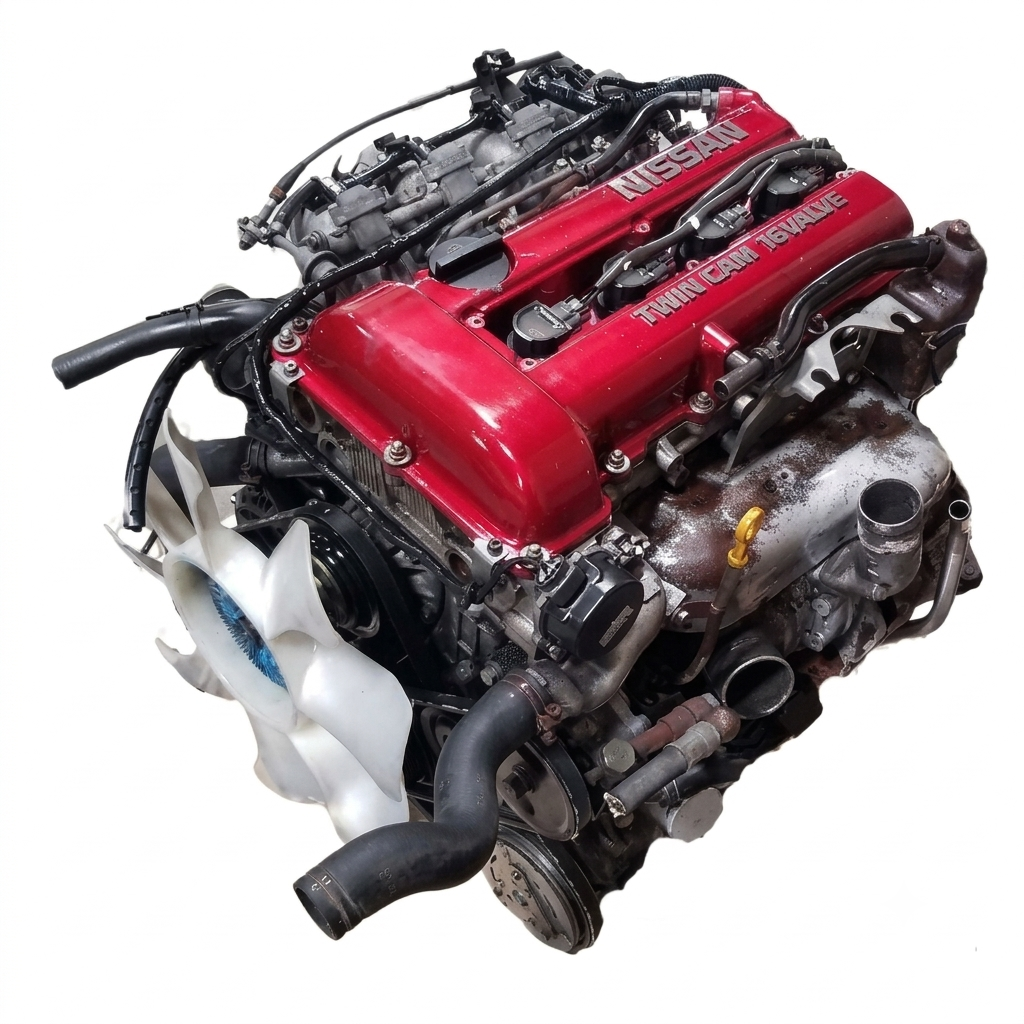
If there is an engine that practically screams Japanese drift culture, the Nissan SR20DET has a strong claim.
The turbocharged 2.0-liter four-cylinder became famous in cars such as the Nissan Silvia and 180SX.
The SR20DET offered a useful combination of compact dimensions, turbocharging, tuning potential and compatibility with rear-wheel-drive Nissan platforms.
Cars such as the Silvia became fundamental to the development of Japanese drifting, and the SR20DET was frequently at the center of those builds.
It wasn’t necessarily the biggest engine in the game but it became one of the most recognizable.
9. Nissan RB26DETT
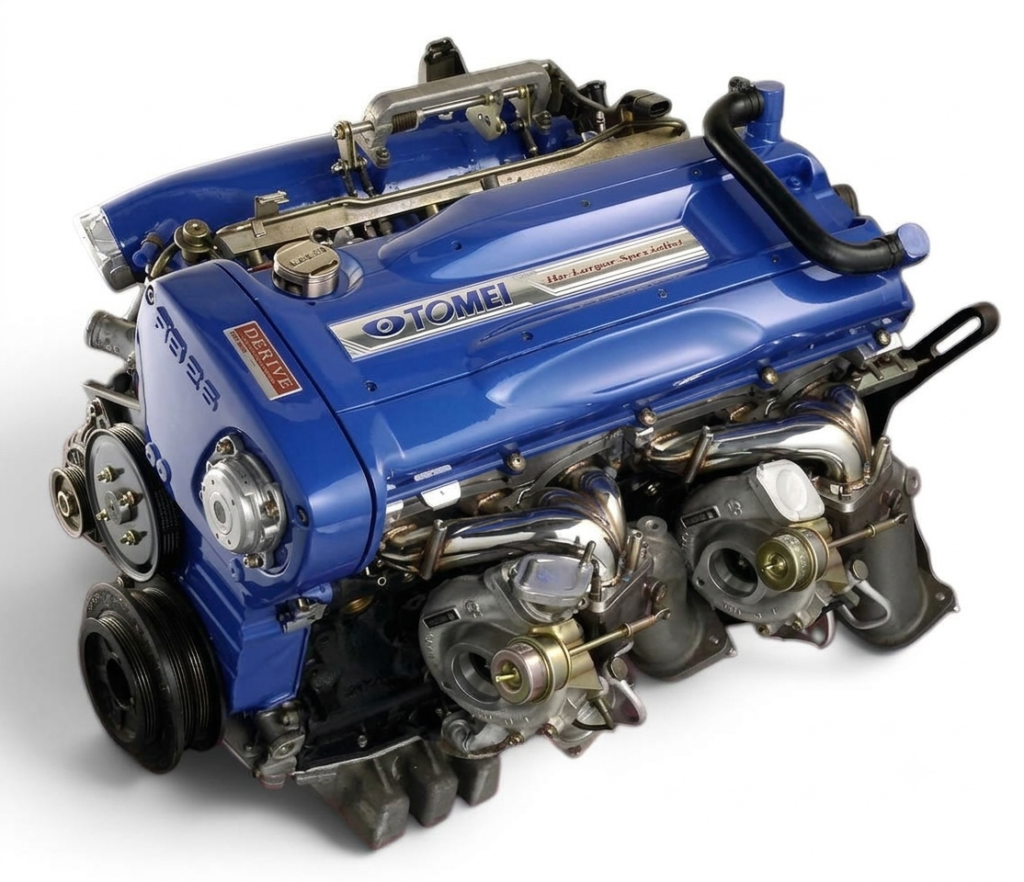
And finally, we arrive at one of Nissan’s most famous engines ever built: the RB26DETT.
The 2.6-liter twin-turbo straight-six became legendary through the Nissan Skyline GT-R, particularly the R32, R33 and R34 generations.
Its reputation was built largely around motorsport and all-wheel-drive GT-R performance rather than traditional drifting.
But the RB26 eventually found its way into countless modified cars, including rear-wheel-drive conversions and drift builds.
With its distinctive straight-six soundtrack and enormous tuning potential, the RB26 became far more than just a GT-R engine.
It became an icon of the Japanese performance scene.
More Than Just Horsepower
What makes these engines interesting isn’t simply their horsepower figures.
Each represents a different chapter of Japanese performance culture.
The 4A-GE showed how lightweight and naturally aspirated power could be effective. The B16A demonstrated Honda’s obsession with high-revving performance. The 1JZ and 2JZ established the reputation of Toyota’s turbocharged straight-sixes, while the SR20DET became deeply intertwined with the Silvia-based drift scene.
Meanwhile, the 13B rotary proved that a performance engine didn’t necessarily need pistons at all.
The VQ35DE helped make the 350Z a modern drift favorite, while the RB26DETT became one of the most recognizable Japanese performance engines on the planet.
And that is perhaps the biggest reason these engines remain relevant.
They didn’t just make horsepower. They helped create an entire culture around Japanese cars, tuning and going sideways.
The most fascinating thing about Japan’s drift scene is that there was never just one recipe for building a great drift car. You could have a screaming naturally aspirated 4A-GE, a turbocharged SR20DET, a monstrous 2JZ or something completely different like a rotary. Different engines, different sounds and different personalities but all capable of becoming part of the same sideways obsession.
Which Japanese engine would you put at the heart of your ultimate drift car? Let us know in the comments.

Adhe is part of the 88 Eight Box Editorial Team, covering JDM culture, motorsport, automotive technology, and industry news. The team focuses on delivering original automotive stories, reviews, and insights for enthusiasts worldwide.