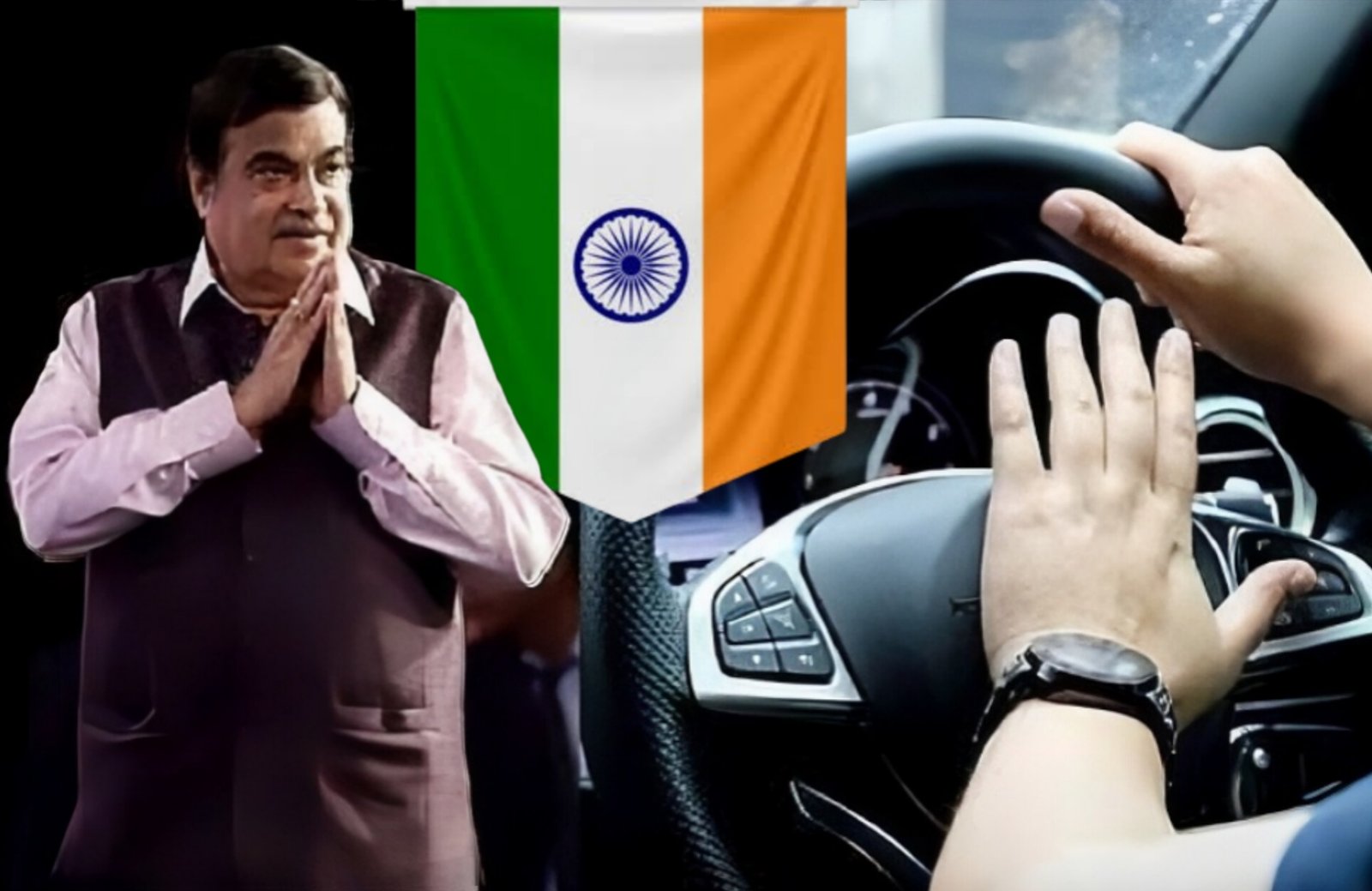
For many visitors arriving in India, one of the first things they notice is not the crowded streets, colorful markets, or thousands of motorcycles sharing the road. It is the constant sound of vehicle horns echoing through the city.
From busy intersections in New Delhi and Mumbai to narrow streets in smaller towns, honking seems to be everywhere. But unlike in many countries where a horn is mostly used as a warning during dangerous situations, in India it has evolved into a unique form of communication between drivers.
The question is: why do Indian motorists honk so often?
A Language of the Road
In India, the horn is not simply a safety device, it is almost a driving language.
A short beep can mean “I am coming through,” while several quick honks may tell another driver that a vehicle is approaching from behind. In heavy traffic, where lanes are often unclear and vehicles move only centimeters apart, drivers use horns to announce their presence.
Many Indian drivers believe that silence behind the wheel can be more dangerous because other road users may not notice them.
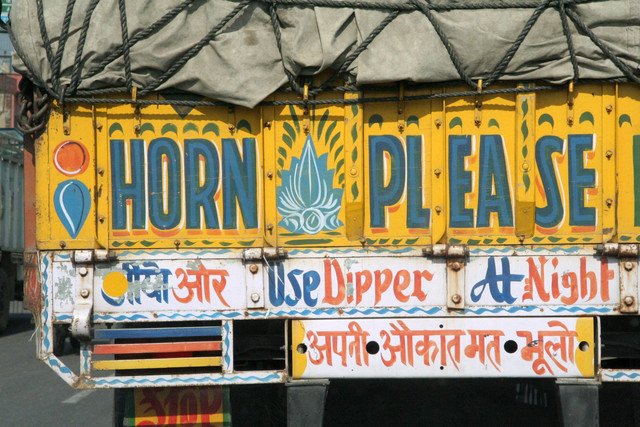
“Use horn” or “Horn OK Please” signs painted on the back of trucks have become a famous symbol of Indian roads. The phrase encourages drivers to honk before overtaking, especially when passing large vehicles with limited rear visibility.
Traffic Density Creates a Different Driving Culture
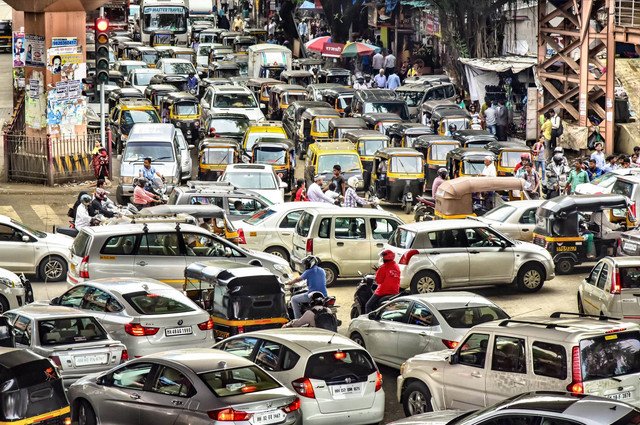
India is home to some of the world’s busiest cities, with millions of vehicles competing for limited road space every day.
Unlike countries with strict lane discipline and wide highways, many Indian roads involve a mixture of cars, buses, motorcycles, bicycles, pedestrians, and animals sharing the same space. This unpredictable environment has created a driving culture where constant awareness is essential.
For many motorists, honking is a way to negotiate space.
A driver approaching a crowded intersection may use the horn not because they are angry, but because they are saying, “Please notice me, I am moving.”
The Influence of History and Road Habits
The tradition of frequent honking developed over decades as India’s transportation system grew rapidly.
In earlier years, roads were often narrower, traffic rules were less standardized, and vehicles had limited visibility compared with modern cars. The horn became one of the most important tools for avoiding accidents.
Even today, many experienced drivers consider honking a normal part of defensive driving.
Not Everyone Likes the Noise
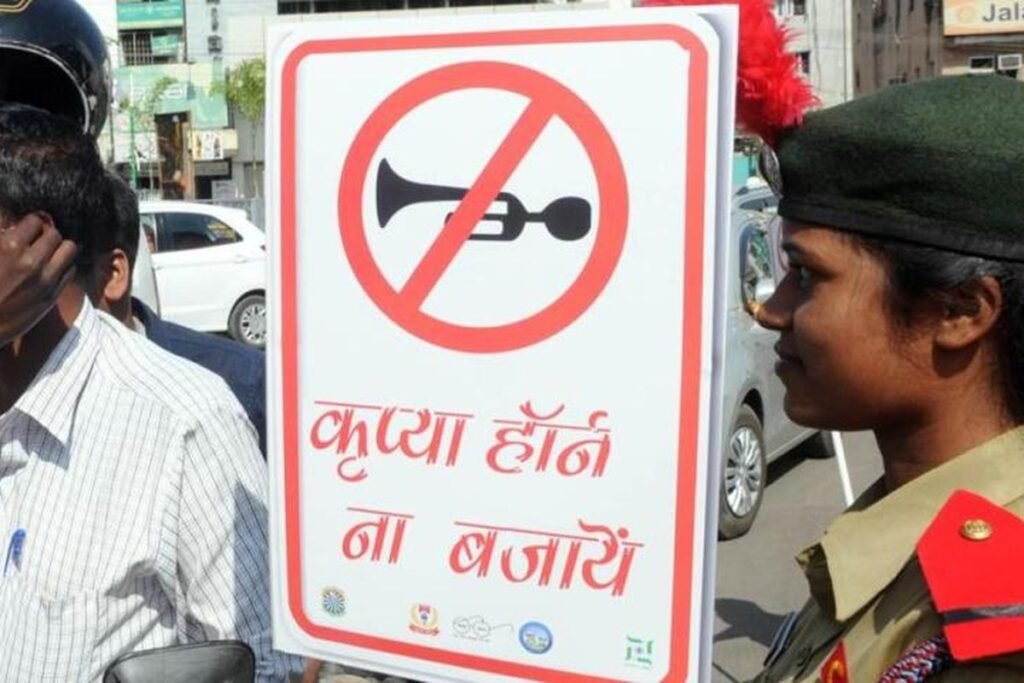
However, the culture of excessive honking has also created problems.
Major Indian cities face serious noise pollution issues. Authorities in places such as Mumbai, Delhi, and Bengaluru have introduced campaigns encouraging drivers to reduce unnecessary horn use.
Some modern cars now include quieter electric horns, and younger drivers are increasingly adopting a more international style of driving where the horn is used only when needed.
A Cultural Difference for Foreign Visitors
For visitors from countries where honking is considered aggressive or rude, India’s roads can feel chaotic. But understanding the culture behind it changes the perspective.
In many parts of India, honking is not always an expression of frustration. It is often a conversation between drivers, a way of saying, “I am here, be aware, and let’s share the road.”
The unique honking culture of India shows how driving habits are shaped by local conditions. Every country develops its own road language. In Germany, drivers communicate through strict lane discipline and speed rules; in Japan, patience and courtesy dominate; while in India, the horn has become an essential tool for survival in extremely dynamic traffic environments.
However, as cities become more modern and traffic volumes continue to increase, the challenge for India will be finding a balance between traditional driving habits and the need for quieter, safer urban roads.
What do you think? Is frequent honking a necessary communication tool in busy cities, or should drivers around the world learn to use their horns less? Share your opinion in the comments.

Adhe is part of the 88 Eight Box Editorial Team, covering JDM culture, motorsport, automotive technology, and industry news. The team focuses on delivering original automotive stories, reviews, and insights for enthusiasts worldwide.