Behind the success of the world’s biggest automotive brands, there are several cars that were more than just products. They were lifesavers. These vehicles arrived at the perfect moment, rescued struggling companies, and completely changed automotive history.
From the Mercedes-Benz 300 SL and Fiat 500 to the Porsche Boxster and Volkswagen Beetle, these cars proved that sometimes a single model can determine the future of an entire brand.
Mercedes-Benz 300 SL (1955): The Car That Brought Mercedes-Benz Back to Glory
After World War II, Mercedes-Benz was in ruins. Germany had been devastated, factories were damaged, and the company struggled to survive. When production finally restarted in 1947, Mercedes was forced to build updated versions of pre-war vehicles just to stay alive.
The brand desperately needed something revolutionary — a car that could remind the world what Mercedes-Benz was capable of.
That opportunity came from engineer Rudolf Uhlenhaut.
Uhlenhaut was a brilliant engineer, designer, and talented driver. With limited resources and no budget for an expensive racing program, he had to work with what Mercedes already had: the 3.0-liter straight-six engine from a regular Mercedes sedan.
Instead of chasing massive horsepower, Uhlenhaut focused on lightweight construction and aerodynamics.
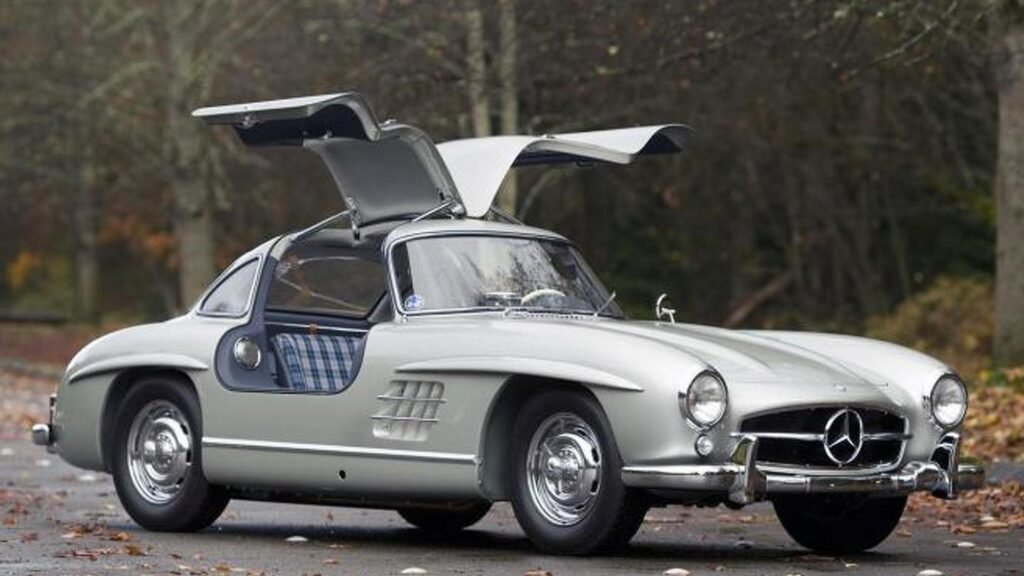
The result was the W194 race car. Its tubular steel chassis was extremely light and strong, but it created a problem — there was not enough space for traditional doors. The solution was revolutionary: doors that opened upward.
The famous gullwing doors were born.
In 1952, the W194 shocked the racing world by defeating more powerful competitors. It won major events including the 24 Hours of Le Mans, Carrera Panamericana, and Nürburgring races.
The success caught the attention of Mercedes-Benz importer Max Hoffman in the United States, who convinced the company to create a road-going version.
In 1954, Mercedes introduced the 300 SL Gullwing W198 at the New York Auto Show.
With its futuristic design, smooth performance, and top speed of around 140 mph, the 300 SL became an instant icon. More than 3,000 units were sold between 1955 and 1957, proving that Mercedes-Benz was back.
Fiat 500 (1957): The Tiny Car That Saved Fiat Twice
After World War II, Italy was struggling economically. Fuel was expensive, and most families could not afford traditional cars.
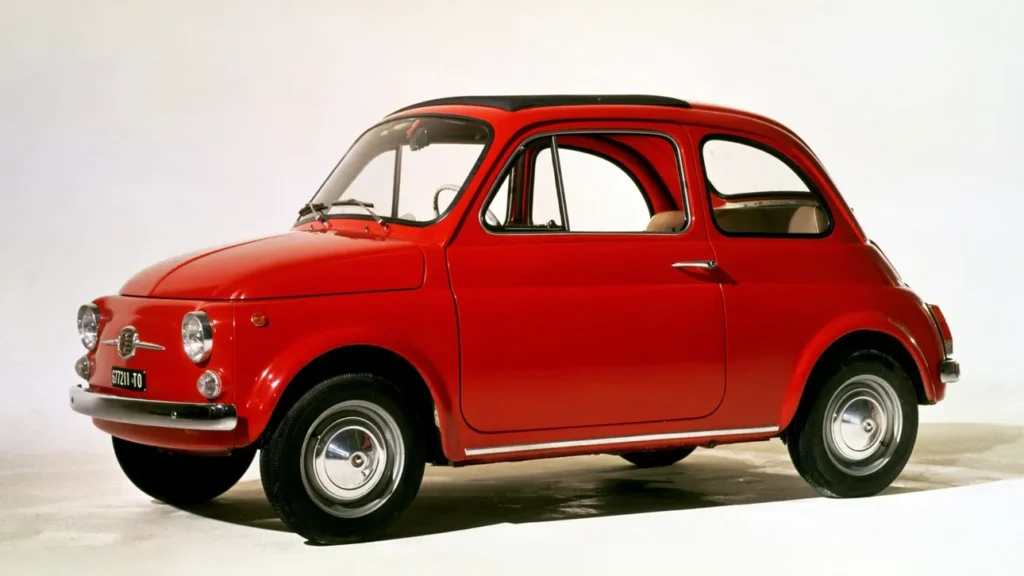
Fiat saw an opportunity and introduced the Fiat 500 in 1957.
The tiny city car measured just over 9 feet long, weighed around 1,000 pounds, and was powered by a small 479 cc two-cylinder engine producing only 13 horsepower.
But performance was never the goal.
The Fiat 500 was designed to give ordinary people affordable mobility.
Engineer Dante Giacosa focused on simplicity and cost efficiency. The rounded body reduced material usage, while the fabric roof was cheaper than a full metal design.
The strategy worked.
More than 3.5 million Fiat 500s were sold between 1957 and 1975, transforming Fiat from a struggling manufacturer into a national symbol of Italy.
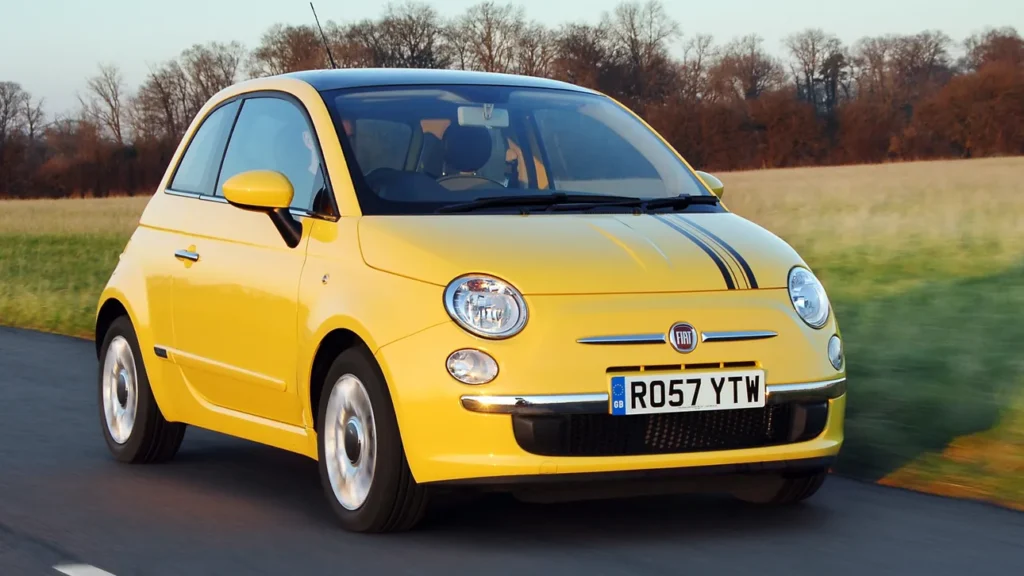
Decades later, Fiat revived the 500 name in 2007. The modern version combined retro styling with modern technology, becoming a fashionable city car and once again helping Fiat regain global attention.
Ford 1949: The Car That Resurrected an American Giant
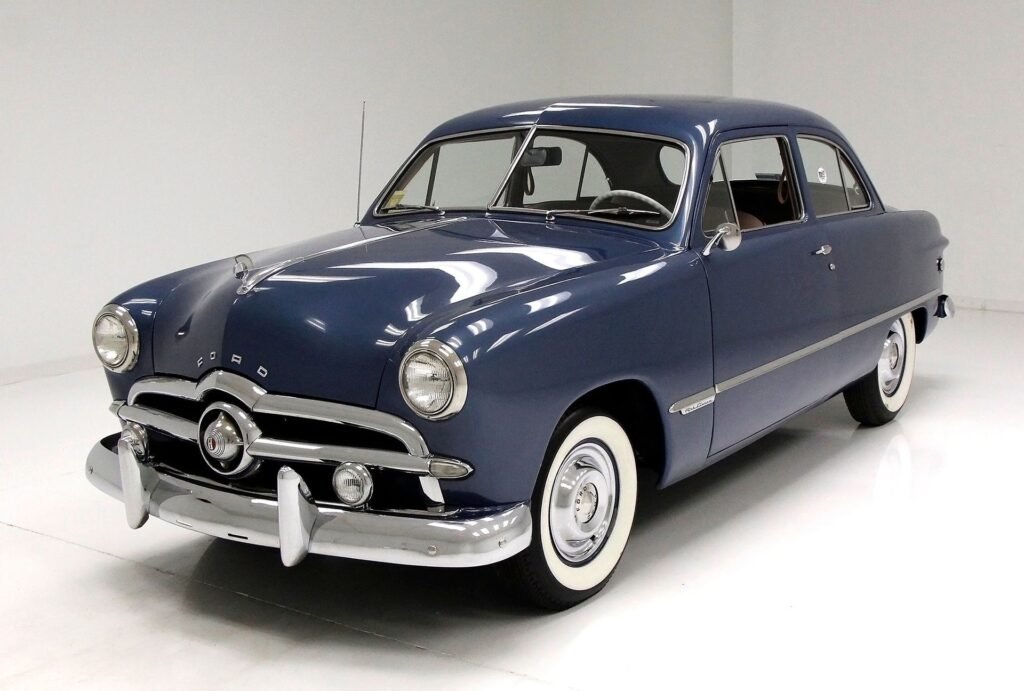
By the late 1940s, Ford was in serious trouble. The company was still operating with outdated systems from the Henry Ford era, while competitors like General Motors and Chrysler were moving ahead.
When Henry Ford II took control at just 28 years old, he made a bold decision: he brought in outside experts to rebuild the company.
He recruited executives from rival companies and hired a group of World War II veterans known as the “Whiz Kids.” These young managers completely redesigned Ford’s business operations.
Ford needed a fresh image, and the answer came in 1949.
The new Ford featured a modern design with smooth body lines, no separate fenders, and a completely new chassis. It looked nothing like the old pre-war cars.
The public loved it.
Ford sold more than one million units in its first year, turning the company from a struggling manufacturer into a major force in the automotive industry again.
Porsche Boxster (1996): The Car That Saved Porsche
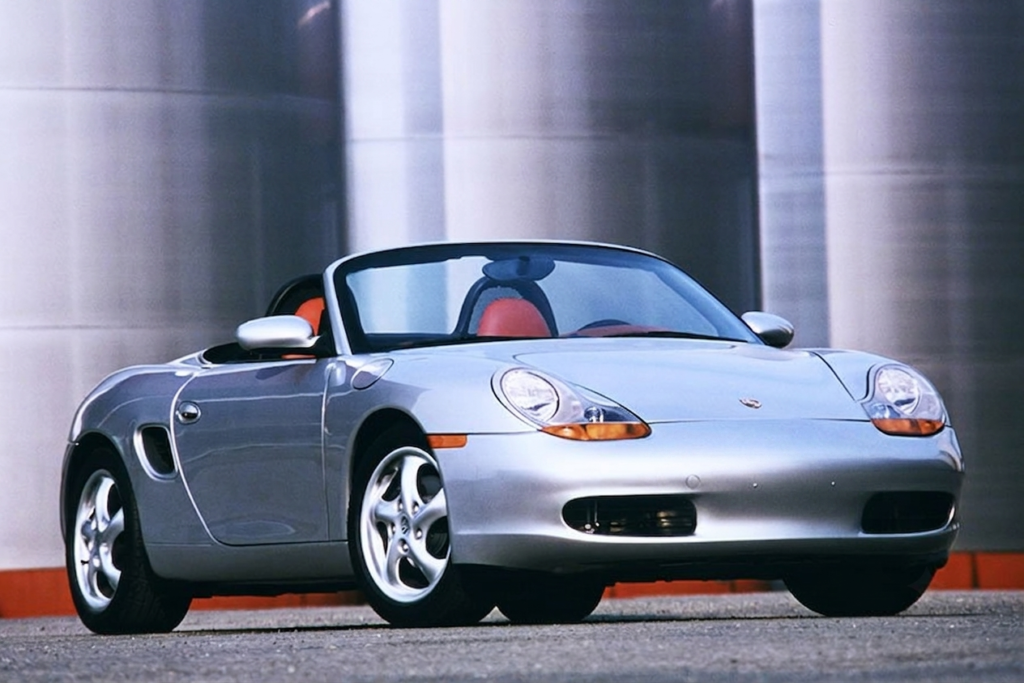
In the early 1990s, Porsche was close to disaster.
Sales had collapsed, the 928 was failing, the 968 was outdated, and the 911 was too expensive to carry the entire company.
Porsche needed a solution.
That solution was the Boxster.
Introduced in 1996, the Porsche Boxster featured a mid-mounted 2.5-liter flat-six engine producing around 201 horsepower. While the numbers may seem modest today, the car delivered the true Porsche experience with rear-wheel drive, perfect balance, and engaging handling.
Porsche also improved efficiency by sharing components with the upcoming 911 generation, reducing development costs significantly.
The strategy was a huge success.
More than 350,000 Boxsters were sold between 1996 and 2004, helping Porsche transform from a struggling sports car maker into one of the world’s most successful performance brands.
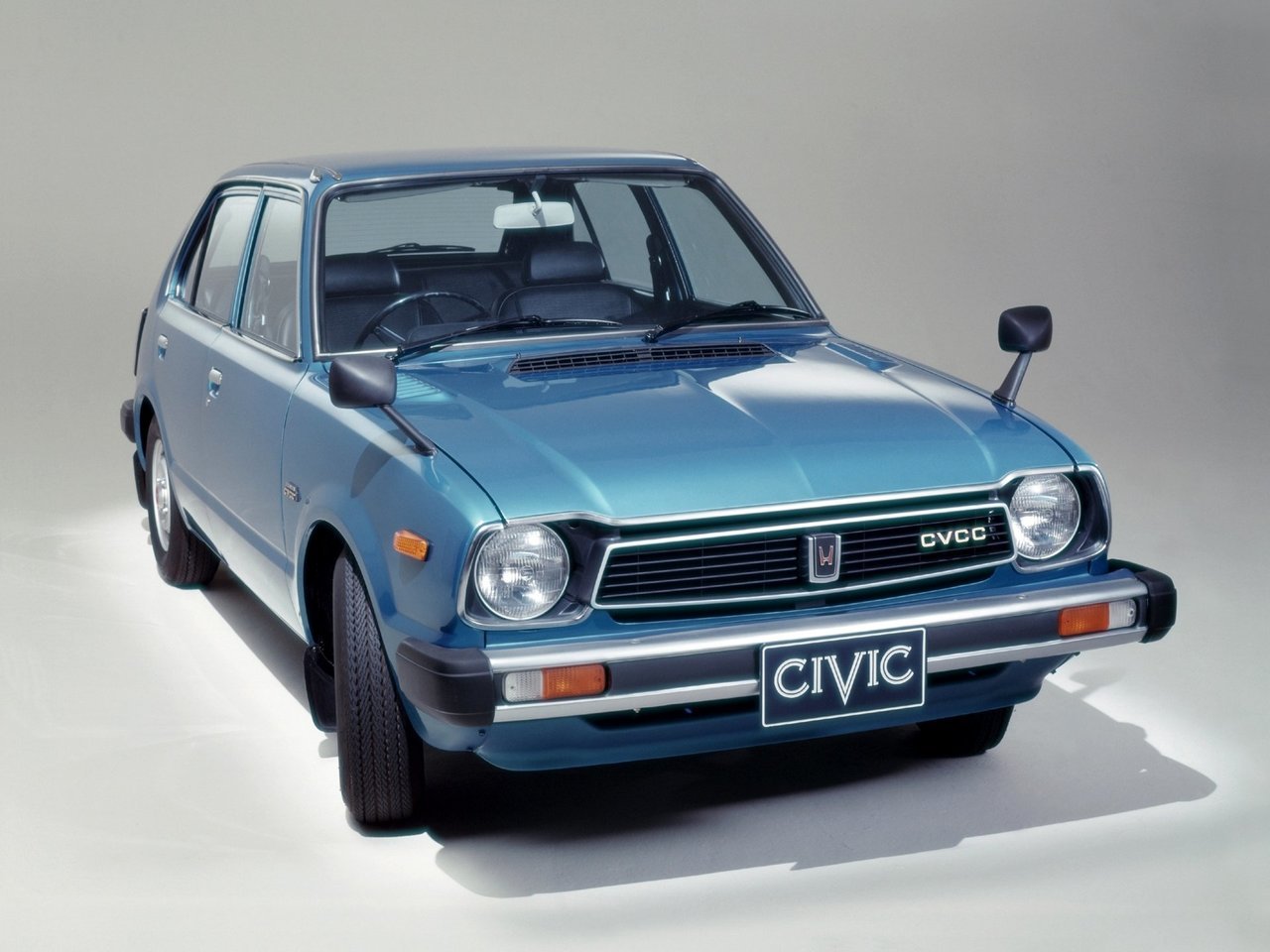
Honda Civic (1972): The Small Car That Changed Honda Forever
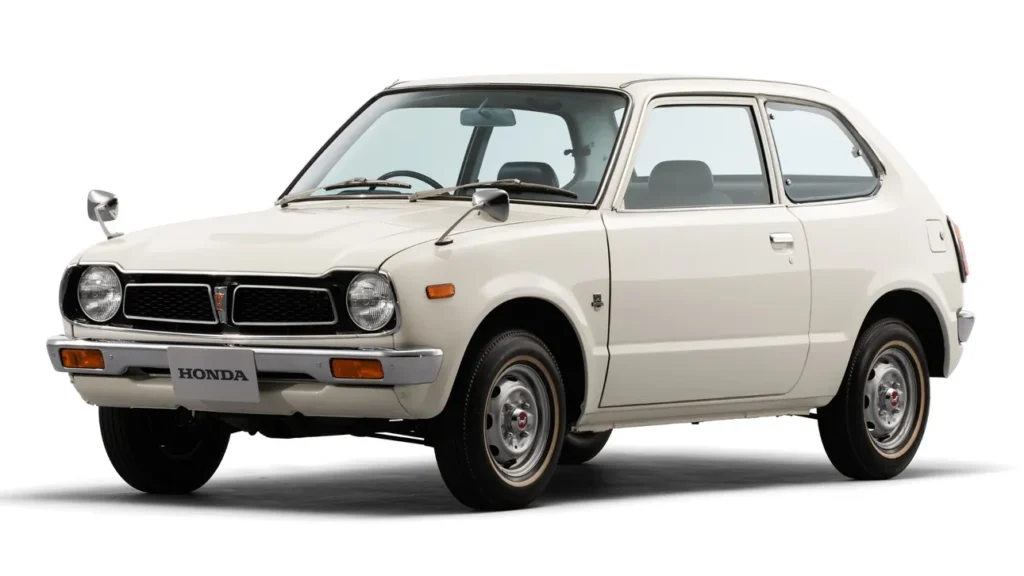
During the late 1960s, Honda was already a motorcycle giant, but its car business was struggling.
The Honda 1300 had failed, and some people questioned whether Honda should focus only on motorcycles.
Then came the Civic.
At the time, American manufacturers were focused on large cars with powerful engines and high fuel consumption. But everything changed after the 1973 oil crisis.
The Honda Civic arrived with excellent fuel economy, reliability, and Honda’s innovative CVCC engine technology.
The CVCC system allowed the Civic to meet strict American emissions regulations without requiring a catalytic converter.
As fuel prices increased, customers quickly turned toward Honda’s efficient little hatchback.
The Civic became a global success and helped establish Honda as one of the world’s most respected automakers. Over 14 million Civics have been sold in North America alone.
Lamborghini Gallardo (2003): The Supercar That Saved Lamborghini
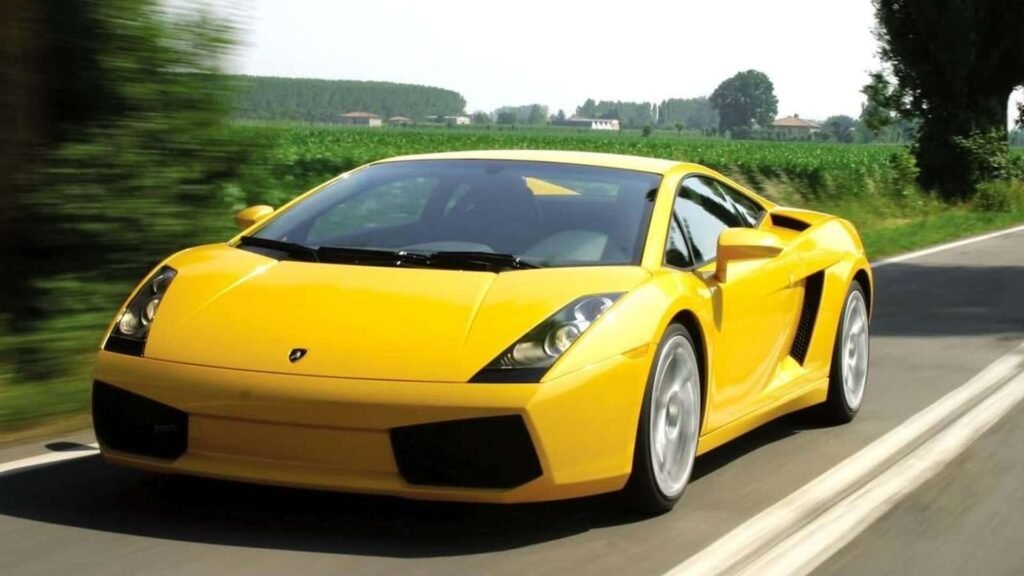
By the late 1990s, Lamborghini was struggling financially. The brand had changed ownership several times before finally becoming part of Volkswagen Group under Audi.
Audi’s mission was simple: make Lamborghini successful without destroying its Italian character.
The answer was the Lamborghini Gallardo.
Introduced in 2003, the Gallardo was the brand’s “entry-level” supercar, although it still delivered extreme performance.
It featured a 5.0-liter naturally aspirated V10 engine producing around 500 horsepower, aggressive Italian styling, improved build quality, and all-wheel drive.
For the first time, Lamborghini produced a supercar that was not only exciting but also reliable enough for everyday use.
The result was historic.
More than 14,000 Gallardos were sold, surpassing the total production numbers of Lamborghini’s entire history before the model existed.
BMW 2002 (1968): The Birth of Modern BMW
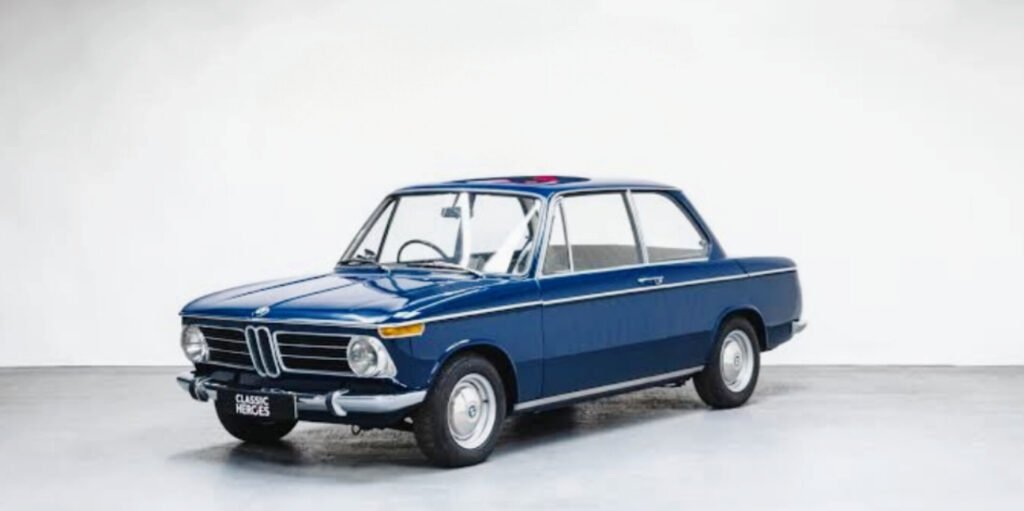
In the 1960s, BMW was not the luxury performance brand we know today. It was a small company struggling to survive.
The turning point came when two BMW engineers independently modified their personal BMW 1600 models by installing the larger 2.0-liter engine.
When they discovered they had created the same idea separately, BMW decided to turn it into a production model.
The BMW 2002 was born in 1968.
With around 100 horsepower, lightweight construction, and excellent handling, the 2002 became a driver’s favorite.
It was practical enough for daily use but exciting enough for enthusiasts.
The success of the BMW 2002 created the foundation for the legendary 3 Series and eventually BMW’s M performance division.
Volkswagen Beetle (1938-1945): The Ultimate Automotive Redemption Story
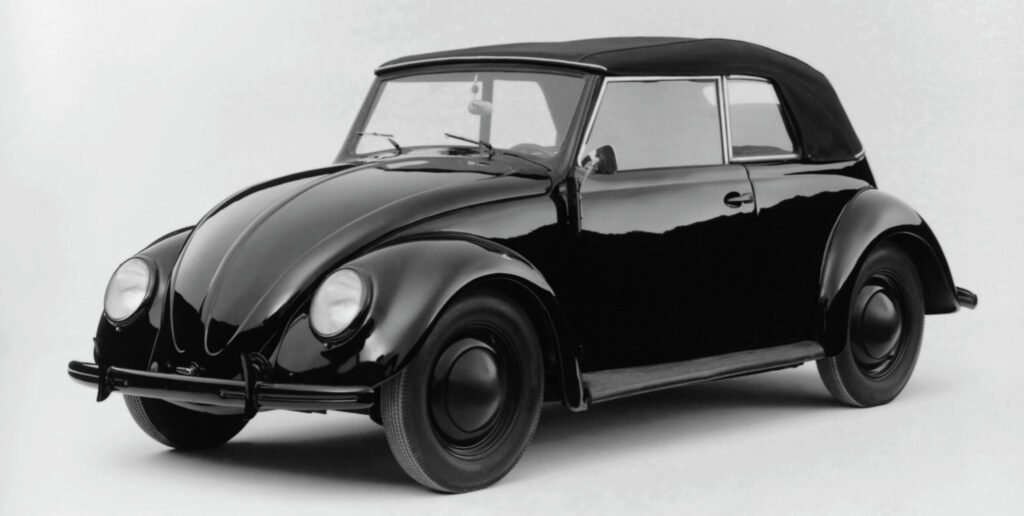
The Volkswagen Beetle has one of the most unusual stories in automotive history.
Originally developed in the 1930s as a people’s car project, the Beetle was designed by Ferdinand Porsche with a simple concept: affordable transportation for ordinary citizens.
However, World War II changed everything.
The Volkswagen factory was converted to military production, and the civilian Beetle project was abandoned.
After the war, the factory was destroyed and many believed Volkswagen had no future.
Then British Army officer Ivan Hirst arrived and saw potential in the damaged facility. He helped rebuild the factory and restarted Beetle production.
The car was first produced for Allied military use, but soldiers quickly discovered that the small Volkswagen was durable, simple, and reliable.
Eventually, civilian production began, and the Beetle became a worldwide phenomenon.
By the 1950s and 1960s, the Beetle was everywhere — from Europe and America to Asia and South America. It transformed from a controversial project into a symbol of freedom and counterculture.
When production finally ended in 2019, more than 21 million Beetles had been sold, making it one of the most successful cars in history.
These cars were more than machines. They were turning points.
The Mercedes-Benz 300 SL restored Mercedes’ reputation. The Porsche Boxster saved Porsche from collapse. The Honda Civic changed the global automotive landscape. The Volkswagen Beetle became a symbol recognized around the world.
In the automotive industry, one great car can do more than generate sales. Sometimes, it can save an entire company.
What do you think? Which one of these legendary cars has the most incredible comeback story? Was it the Mercedes-Benz 300 SL that revived Mercedes, the Porsche Boxster that saved Porsche, or perhaps the Volkswagen Beetle that became a global icon? Share your thoughts in the comments below.

Adhe is part of the 88 Eight Box Editorial Team, covering JDM culture, motorsport, automotive technology, and industry news. The team focuses on delivering original automotive stories, reviews, and insights for enthusiasts worldwide.