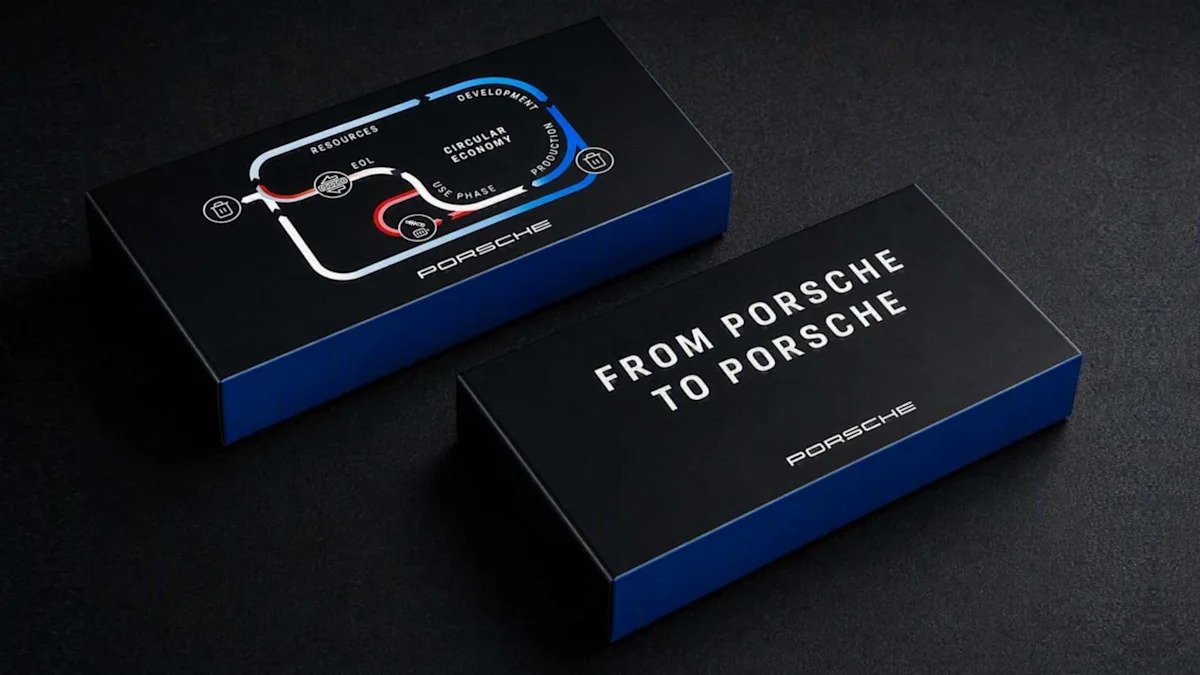
Porsche is taking a major step toward establishing a closed-loop battery recycling system. In partnership with German technology company Cylib, the automaker has demonstrated that valuable materials recovered from end-of-life electric vehicle batteries can be processed and reused to produce new battery components.
Battery recycling is becoming increasingly important across the EV industry. Materials such as lithium and cobalt, which are used in battery cathodes, are highly valuable, while mining them can have a significant environmental impact.
As a result, automakers are racing to find ways to keep these materials within the production cycle for as long as possible.
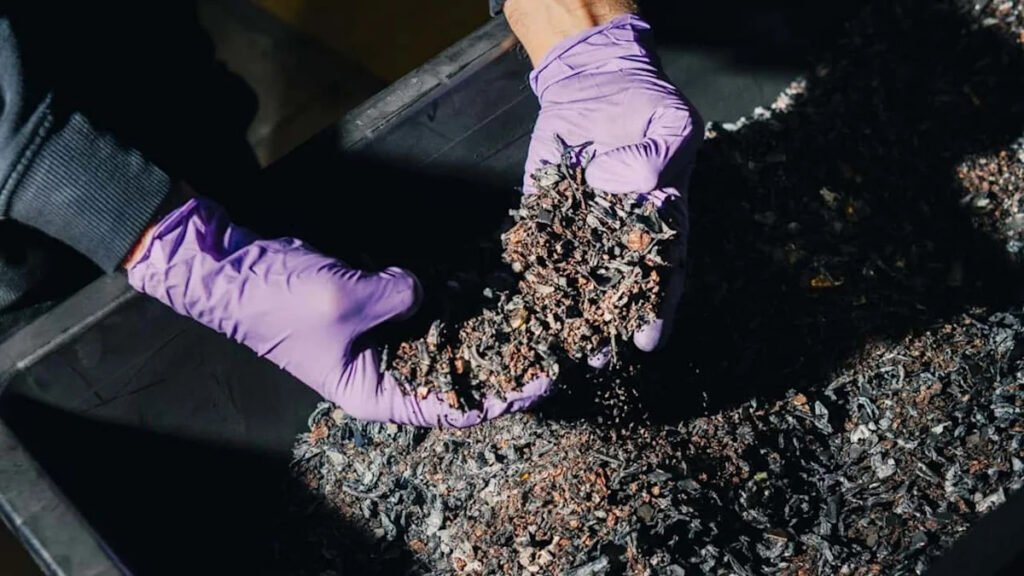
In a pilot project with Porsche, Cylib demonstrated that its recycling process can be implemented in real-world conditions. The goal is not simply to break down old batteries and extract their contents, but to create a cycle in which those raw materials can be reused to produce new battery components.
“Porsche’s pilot project demonstrates that our approach is viable in practice: valuable raw materials from Porsche batteries at the end of their first life could potentially be reused to produce new, high-performance batteries for Porsche vehicles,” said Dr. Lilian Schwich, co-CEO and co-founder of Cylib, in a press release.
However, recovering materials from used batteries is only part of the challenge. Porsche must also ensure that recycled materials meet the quality standards required for its production vehicles.
This is particularly important for the brand. Porsche is not a manufacturer competing in the budget-car segment. Its EV batteries must deliver the performance, durability, fast-charging capability, and capacity expected by its customers.
In other words, customers are unlikely to care whether their vehicle’s battery is made from newly mined or recycled materials. What matters to them is whether the battery performs as expected.
If Porsche can scale the technology to industrial levels and use recycled materials in at least some of its production vehicle batteries, the impact could be significant.
Such a system would not only help create a more sustainable battery-material supply chain, but could also reduce Porsche’s dependence on global raw-material supplies.
Porsche has previously invested heavily in alternative technologies, including synthetic e-fuels, which remain part of the company’s strategy as the automotive industry undergoes a major transformation.
However, the battery-recycling project offers a different kind of potential. If successfully implemented on a large scale, Porsche could recover valuable materials from its old batteries while creating a true battery life cycle: old cars providing the materials for the next generation.
And if the approach proves economically viable while maintaining Porsche’s high performance standards, other automakers may not be far behind.

Adhe is part of the 88 Eight Box Editorial Team, covering JDM culture, motorsport, automotive technology, and industry news. The team focuses on delivering original automotive stories, reviews, and insights for enthusiasts worldwide.