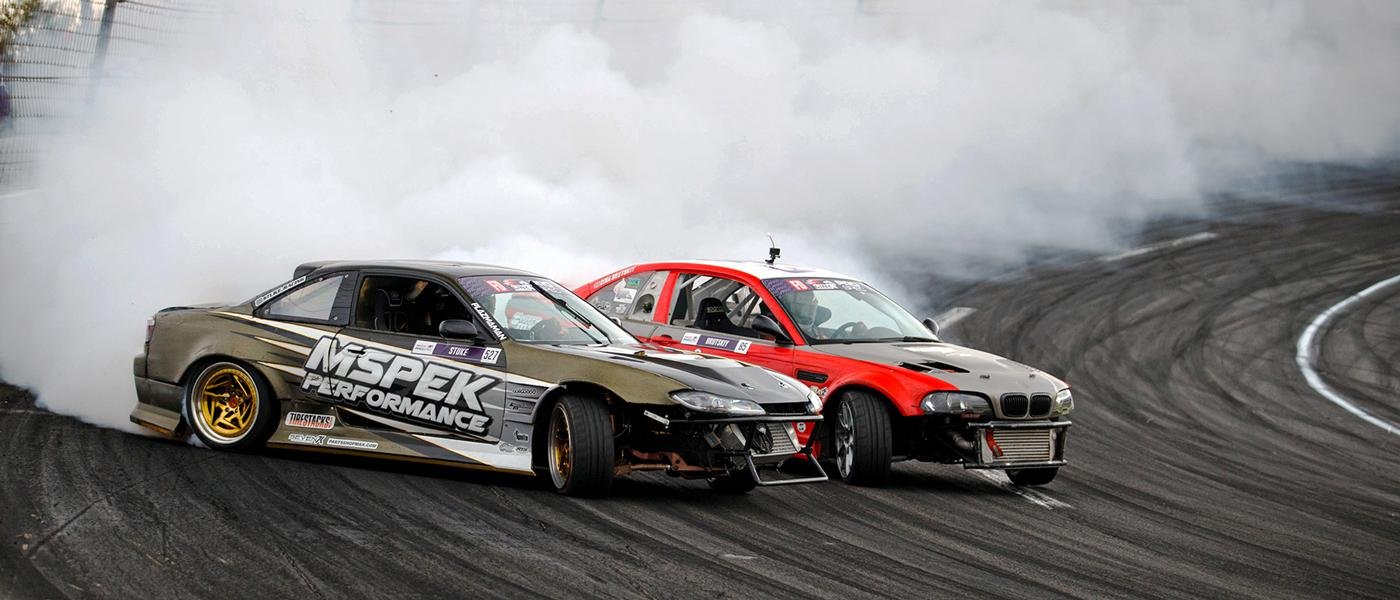
Formula Drift (FD) is known as one of the most extreme motorsport competitions in the world, where highly modified cars battle with incredible horsepower, aggressive driving styles, and spectacular sideways action.
However, not every car can enter the championship. Behind the smoke and tire destruction, Formula Drift has strict technical regulations that determine which vehicles are eligible to compete.
These rules ensure that every car still has a connection to a production vehicle while allowing teams enough freedom to develop extreme drift machines.
Production Car Requirements
To compete in Formula Drift, a vehicle must be based on a mass-produced production car.
The main requirements include:
- The vehicle must have been produced in a minimum quantity of 600 units within its model year.
- Allowed body styles include:
- Coupe
- Sedan
- Convertible
- Wagon with a maximum of five doors
Certain vehicle types are not permitted, including:
- SUVs
- Pickup trucks
- Crossovers
- Vans
The original factory chassis structure must also be maintained. The OEM steel chassis between the front and rear suspension mounting points must remain intact.
This means a completely custom tube chassis replacing the entire original structure is not allowed.
Rear-Wheel Drive Is Mandatory
One of the most important requirements in Formula Drift is the drivetrain layout.
All competition cars must use Rear-Wheel Drive (RWD).
However, Formula Drift allows competitors to convert vehicles that originally came with:
- Front-Wheel Drive (FWD)
- All-Wheel Drive (AWD/4WD)
into RWD configurations.
This has opened the door for unique builds, including converted Subaru WRX STI models, Toyota Corolla Hatchbacks, and Volkswagen Golf race cars that have been transformed into professional drift machines.
Extreme Engine Freedom
Formula Drift gives teams almost unlimited freedom when it comes to engine development.
Drivers are not required to keep the original factory engine. Engine swaps are common, with builders choosing powerful and reliable options such as:
- Chevrolet LS V8
- Toyota 2JZ-GTE
- Nissan VR38DETT
- Toyota 4A-GE
- Mazda Rotary engines
- Turbocharged custom-built engines
Despite the freedom in engine selection, the installation location must remain within the original engine compartment area according to the vehicle’s factory layout.
Safety Regulations and Technical Requirements
Before entering competition, every Formula Drift car must pass an annual technical inspection to ensure safety and compliance.
Mandatory safety equipment includes:
- FIA/Formula Drift specification roll cage
- FIA-approved racing seat
- Racing harness
- Fire suppression system
Tire regulations are also strictly controlled. Teams must use tires from the official Formula Drift Approved Tire List to maintain fair competition and prevent major differences in grip performance.
Popular Cars Seen in Formula Drift
Over the years, several vehicles have become icons of Formula Drift.
Nissan
- Nissan Silvia S13, S14, S15
- Nissan 180SX / 240SX
- Nissan 350Z
- Nissan 370Z
- Nissan Z (RZ34)
- Nissan Skyline R33, R34, and R35 (converted to RWD)
Toyota & Lexus
- Toyota GR Supra A90
- Toyota GT86 / GR86
- Toyota Chaser
- Toyota Supra A80
- Lexus RC
- Lexus IS
- Lexus SC400
Mazda
- Mazda RX-7 FD3S
- Mazda RX-8
- Mazda MX-5 Miata
BMW
- BMW E36
- BMW E46
- BMW E92
- BMW M2
- BMW M4
American Muscle
- Ford Mustang
- Chevrolet Corvette
- Dodge Viper
Formula Drift may look like a competition where anything goes, but behind every extreme drift car is a strict set of regulations.
A successful FD machine must combine a production-based chassis, RWD capability, advanced engineering, and complete safety equipment. These rules create the perfect balance between creativity and competition, allowing teams to build some of the most impressive drift cars ever created.

Adhe is part of the 88 Eight Box Editorial Team, covering JDM culture, motorsport, automotive technology, and industry news. The team focuses on delivering original automotive stories, reviews, and insights for enthusiasts worldwide.