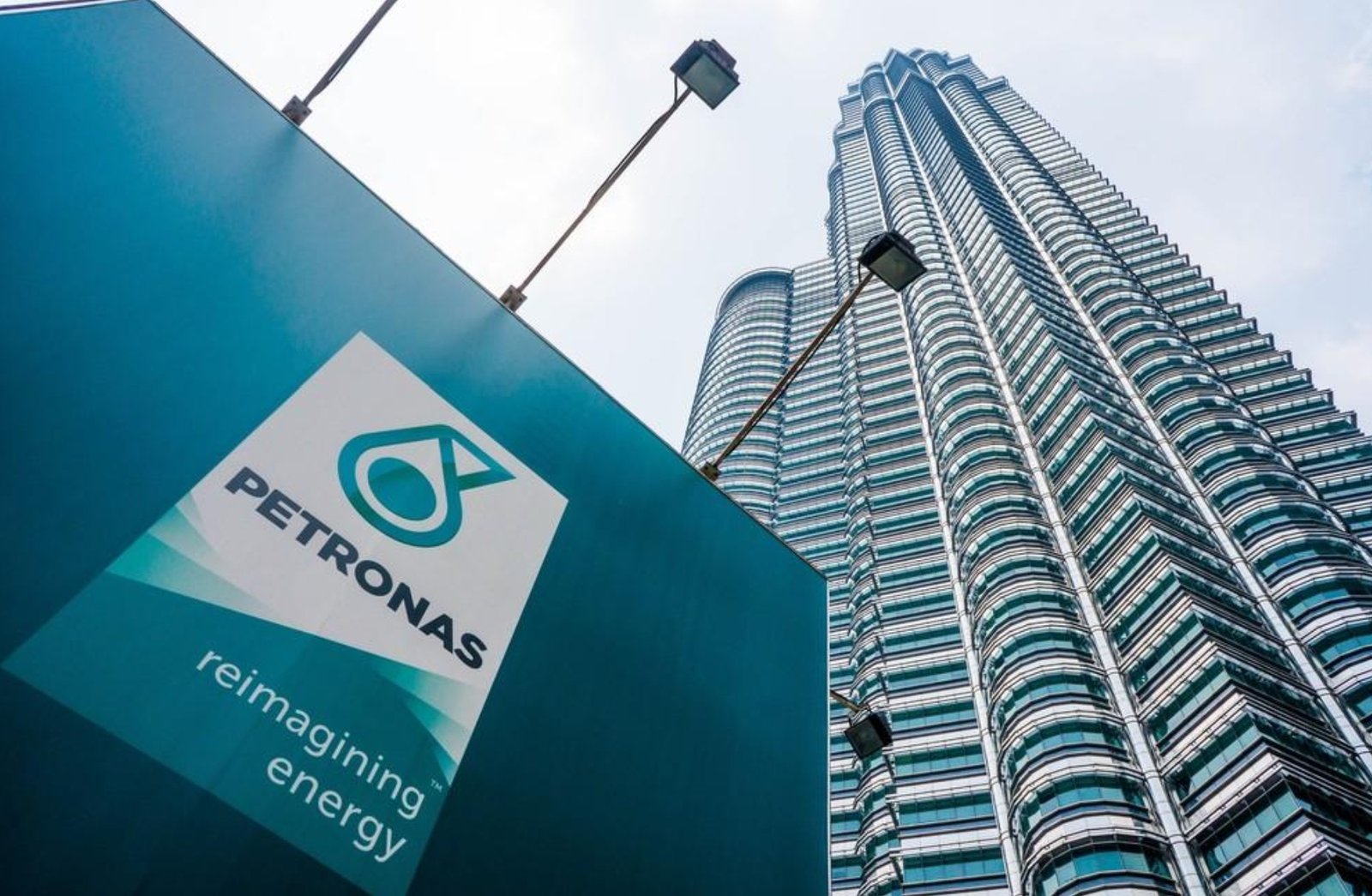
When people hear the name Mercedes-AMG Petronas Formula One Team, many may think Petronas is simply a company that places its logo on a Formula 1 car. However, behind that name lies a long journey that transformed Malaysia’s national oil company into one of the most important technology partners in modern Formula 1 history.
What makes the story even more interesting is that Petronas is relatively young compared to many global energy giants. Yet, within only a few decades, the company managed to build a reputation strong enough to earn the trust of one of the most successful teams in F1 history: Mercedes.
So, how did a Malaysian oil company become a key player in Formula 1? And why did Mercedes choose Petronas over other major energy companies such as Shell, Mobil, or BP?
Born From an Oil Crisis and Malaysia’s Ambition
The story of Petronas began in the early 1970s. At that time, Malaysia’s oil industry was largely controlled by foreign companies. Although the country had valuable natural resources, the Malaysian government believed that it was receiving only a small portion of the economic benefits.
The situation changed dramatically after the global oil crisis of 1973. Oil prices skyrocketed, and many countries realized that energy was not just a commodity, but a strategic asset that could determine economic strength and national independence.
In response, Malaysia took a major step by establishing Petronas in 1974 through the Petroleum Development Act.
The company was given exclusive rights to manage Malaysia’s oil and gas resources. Petronas was no longer just an oil producer; it controlled the entire energy chain, from exploration and production to refining and distribution.
The profits generated were continuously reinvested to expand the business. Petronas entered sectors such as natural gas, petrochemicals, and lubricants, eventually transforming itself into a global energy company.
However, becoming a major player in the energy industry was not easy. Petronas had to compete with global giants that already had decades of experience and international recognition.
They needed a platform to build worldwide credibility.
Formula 1 became their answer.
Formula 1 Was More Than Just a Logo Placement

For Petronas, entering Formula 1 was never simply about advertising. They saw F1 as a global stage and a technology laboratory where they could develop and prove their engineering capabilities.
Formula 1 represents one of the most extreme environments in the automotive world. Engines operate at extremely high RPM, temperatures reach hundreds of degrees, and every drop of fuel and lubricant must deliver maximum efficiency.
If a technology can survive the demands of Formula 1, it becomes a powerful argument when convincing customers about the quality of road-car products.
In 1995, Petronas officially entered Formula 1 as the title sponsor and technical partner of the Sauber F1 Team.
However, their role went far beyond displaying a logo on the car.
Petronas engineers worked closely with the team to develop specialized racing fuels and lubricants. They focused on reducing friction, maintaining engine temperatures, and improving overall efficiency.
Although their 15-year partnership with Sauber did not produce a championship title, it provided something extremely valuable: experience, technology, and credibility.
Through that journey, Petronas began earning respect in the world of Formula 1.
From Sponsor to Mercedes’ Technical Partner
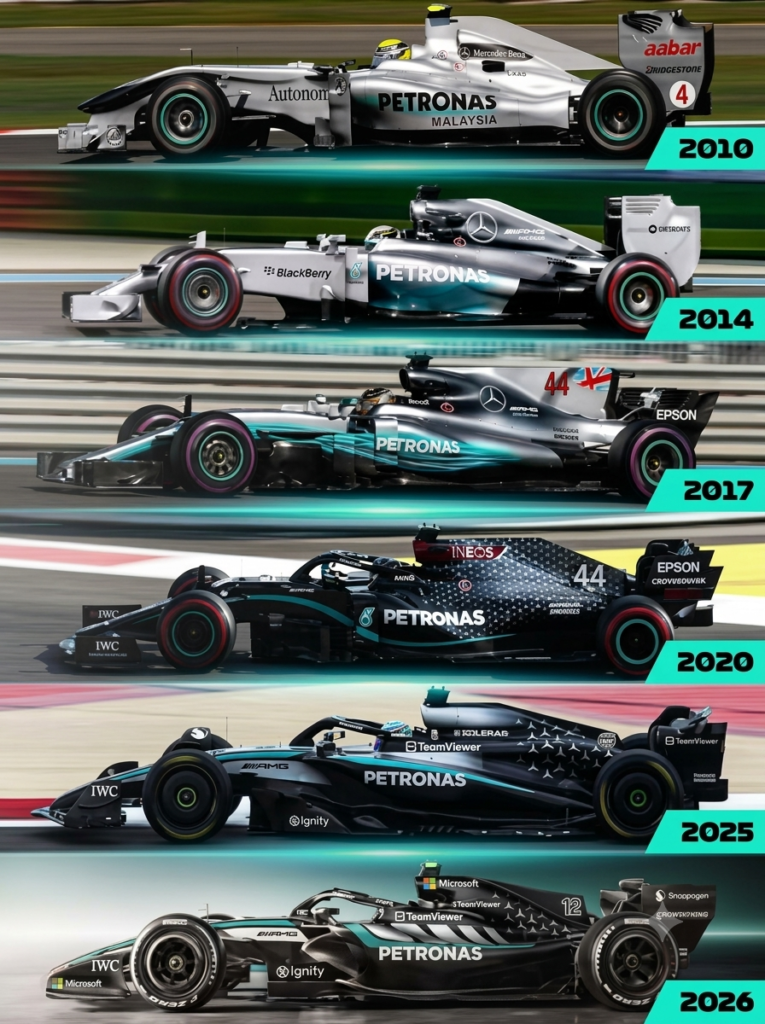
In 2009, Mercedes purchased the championship-winning Brawn GP team and began a major project to rebuild itself as a Formula 1 powerhouse.
The team recruited legendary names such as Michael Schumacher, Nico Rosberg, and later Lewis Hamilton. But to create a truly competitive car, Mercedes needed a technical partner capable of developing advanced fuels and lubricants.
That partner was Petronas.
The decision was not simply about money. Mercedes recognized the knowledge and experience Petronas had gained through years of Formula 1 involvement.
The partnership went far beyond sponsorship. Petronas became both the title sponsor and technical partner, which is why the team officially became known as the Mercedes-AMG Petronas Formula One Team.
Petronas played a direct role in developing critical fluids used in the F1 car, including fuel, engine oil, transmission oil, hydraulic fluids, and other specialized components.
During race weekends, Petronas engineers analyze hundreds of fluid samples from Mercedes cars to find even the smallest improvements in performance.
So when Lewis Hamilton, Nico Rosberg, and George Russell achieved victories, the success was not only the result of Mercedes engineering or driver talent, but also the technology developed together with Petronas.
Mercedes Dominance and Petronas’ Global Success

Since the introduction of the hybrid engine era in 2014, Mercedes became the dominant force in Formula 1.
The team won eight consecutive Constructors’ Championships from 2014 to 2021 and secured seven Drivers’ Championships through Lewis Hamilton and Nico Rosberg.
At the same time, Petronas gained enormous global exposure. Their name became recognized by millions of motorsport fans around the world.
The technology developed on the racetrack also strengthened their commercial products, including their Petronas Syntium lubricant range.
The phrase “technology proven in Formula 1” became more than just a marketing slogan — it represented years of real engineering development under extreme conditions.
88eightbox Opinion: The Biggest Lesson From Petronas’ Success
Petronas’ journey in Formula 1 proves that global recognition is not built overnight. Success comes from entering the most competitive environments, learning from failures, investing in technology, and continuously improving.
Petronas did not arrive at Mercedes as a company that was already perfect. They built their knowledge through years of experience with Sauber, collected valuable data, developed their technology, and eventually proved that they deserved to become a partner of one of the world’s most prestigious automotive brands.
In the author’s opinion, this is the most impressive part of Petronas’ story. They did not simply buy their way into Formula 1 — they earned their place by developing expertise that Mercedes could trust.
The question now is: could another national energy company, such as Pertamina, follow a similar path and become a major player in global motorsport?
The possibility exists, but it would require long-term investment, technological development, and a vision that sees motorsport not only as a marketing platform, but also as a place to create innovation.
What do you think? Could Pertamina reach the same level as Petronas in Formula 1 or other global racing championships? Share your comments!

Adhe is part of the 88 Eight Box Editorial Team, covering JDM culture, motorsport, automotive technology, and industry news. The team focuses on delivering original automotive stories, reviews, and insights for enthusiasts worldwide.