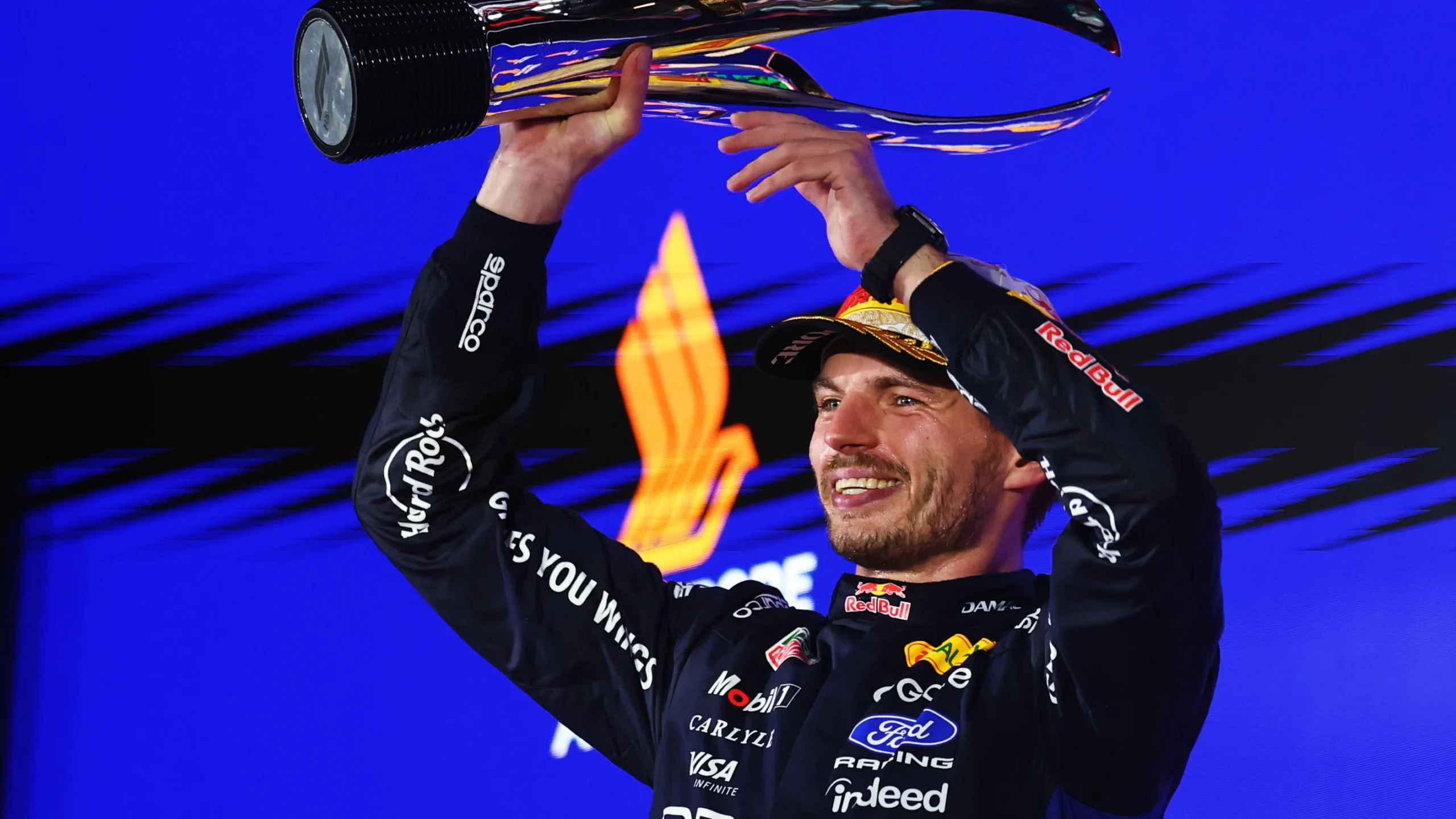
When watching a Formula 1 race, most fans only notice a few major logos. Oracle on Red Bull, HP on Ferrari, Petronas on Mercedes, Mastercard on McLaren, or Aramco on Aston Martin.
But look closer.
There are logos everywhere. On the front wing, sidepods, around the cockpit, the halo, rear wing, driver suits, helmets, and even on tiny areas of the car that are almost impossible to notice during a race.
This raises an interesting question: how many sponsors does a Formula 1 team actually have?
The answer is far bigger than most people imagine.
For the 2026 Formula 1 season, one team reportedly has as many as 53 commercial partners. Yes, fifty-three different companies are connected to a single F1 team.
However, the number of sponsors varies dramatically between teams. Some have fewer than 10 partners, while others have more than 40.
Here is the ranking of F1 teams from the fewest to the most commercial partners.
11. Cadillac — Around 9 Partners
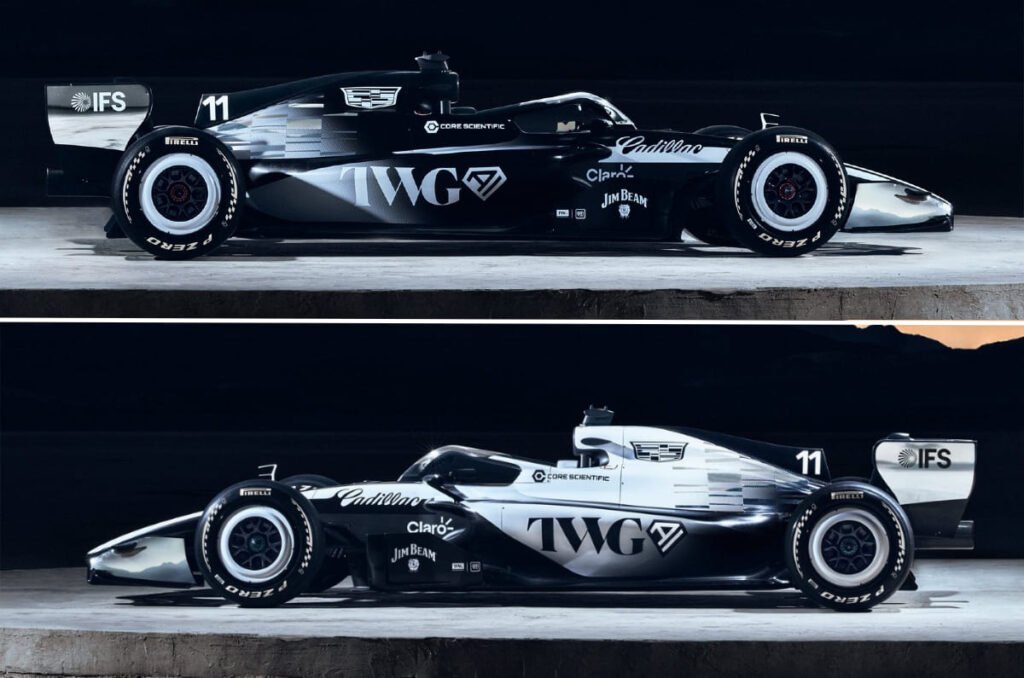
As Formula 1’s newest team in 2026, Cadillac currently has the smallest commercial portfolio on the grid with around 9 partners.
That number may look small compared with established teams, but it makes sense. Cadillac is still building its identity in Formula 1 and does not yet have decades of history like Ferrari, Mercedes, or McLaren.
In sponsorship, reputation matters. A team with a massive global fanbase, strong television exposure, and racing history naturally has more value for brands.
However, fewer sponsors do not always mean less money. A single major sponsor can be worth more than several smaller partnerships combined.
10. Haas — Around 22 Partners
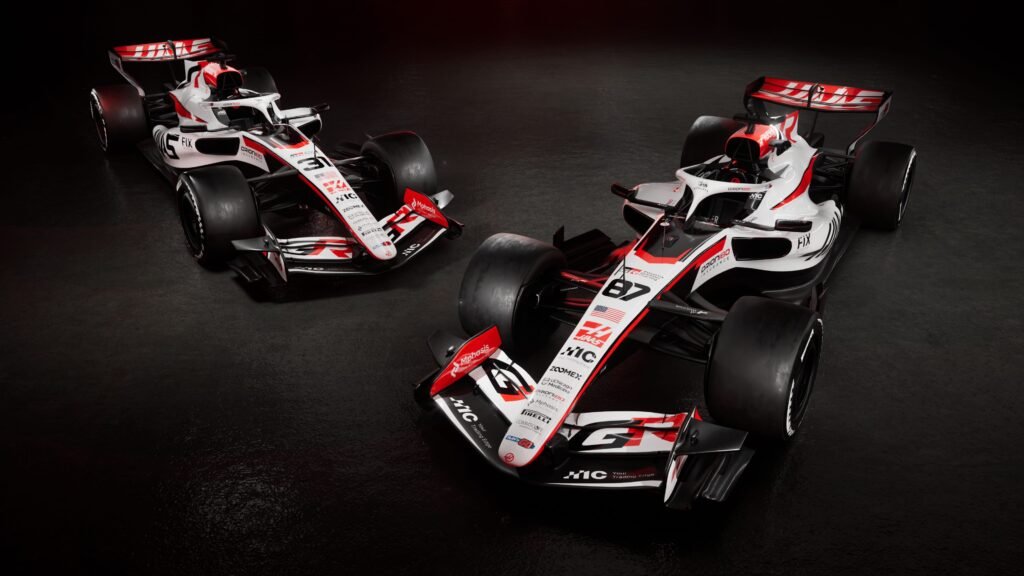
Haas has approximately 22 commercial partners, more than double Cadillac’s number.
The American team has traditionally operated with fewer resources compared with Formula 1 giants, but commercially they have still managed to attract dozens of companies.
So when fans see multiple logos across the Haas car, there is a reason — more than 20 businesses are involved with the team.
9. Racing Bulls — Around 23 Partners
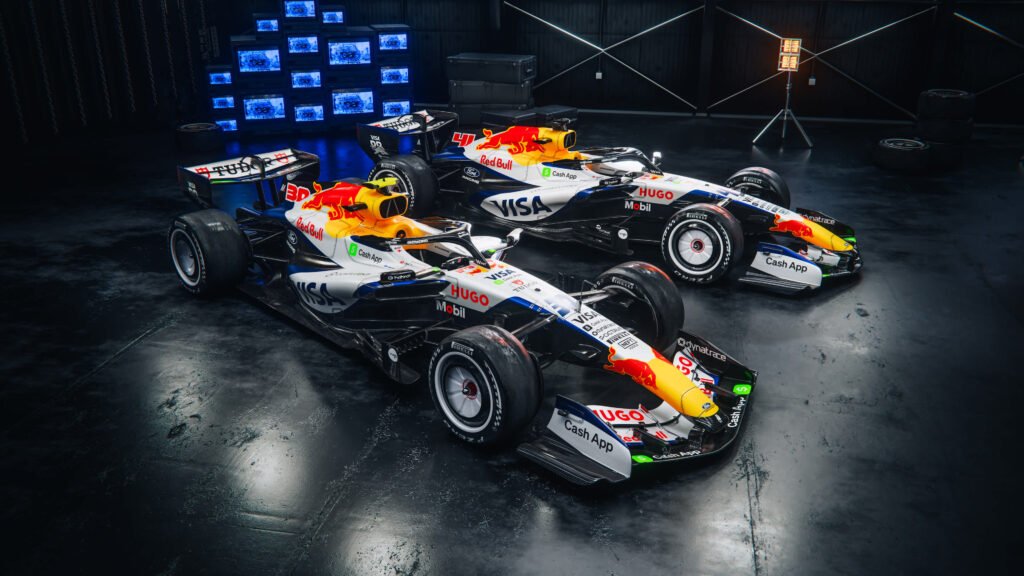
Formerly known as AlphaTauri, Racing Bulls has around 23 partners.
Although their total number is not significantly higher than Haas, the team benefits from major commercial names such as Visa and Cash App.
This highlights an important point: the quality of sponsors matters just as much as the quantity.
One global brand can bring enormous value compared with several smaller partnerships.
8. Audi — Around 24 Partners
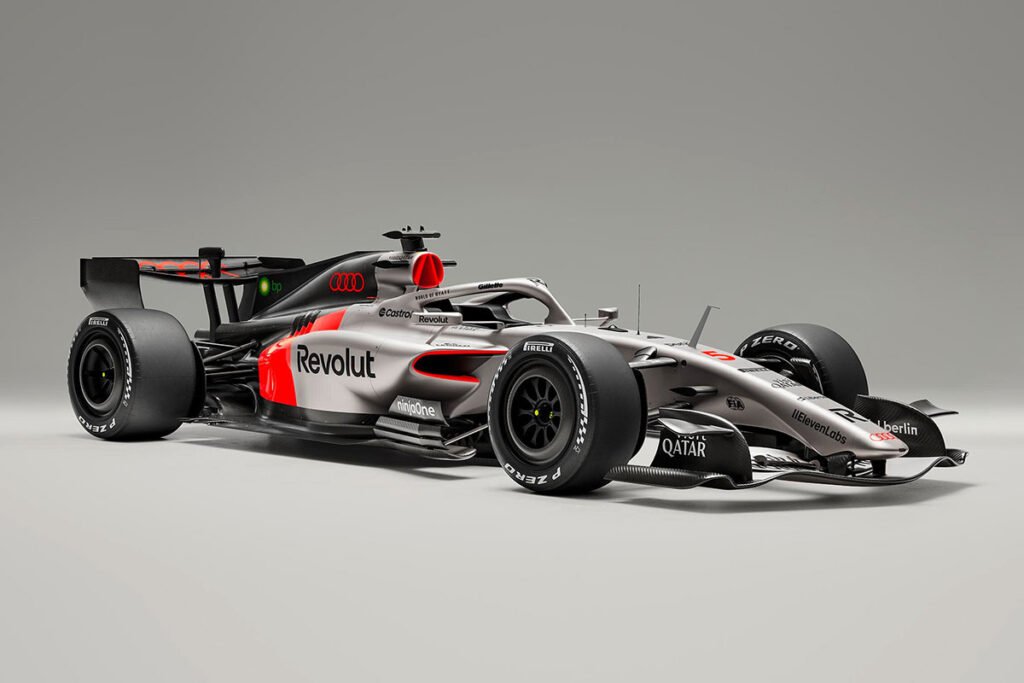
Audi enters Formula 1 as a full factory team and already has around 24 commercial partners.
Despite having one of the strongest automotive names in the world, Audi still needs a strong commercial ecosystem to support its F1 project.
One of the key partners connected to the team is Revolut, which has become part of Audi’s new Formula 1 identity.
7. Williams — Around 25 Partners
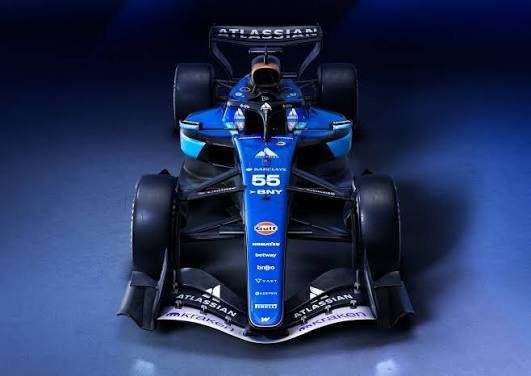
Williams, one of Formula 1’s most historic teams, has around 25 partners.
The team is currently working to rebuild its competitiveness after years away from the front of the grid.
As performance improves, commercial interest usually follows. A more competitive team creates greater exposure and more value for sponsors.
6. Mercedes — Around 27 Partners
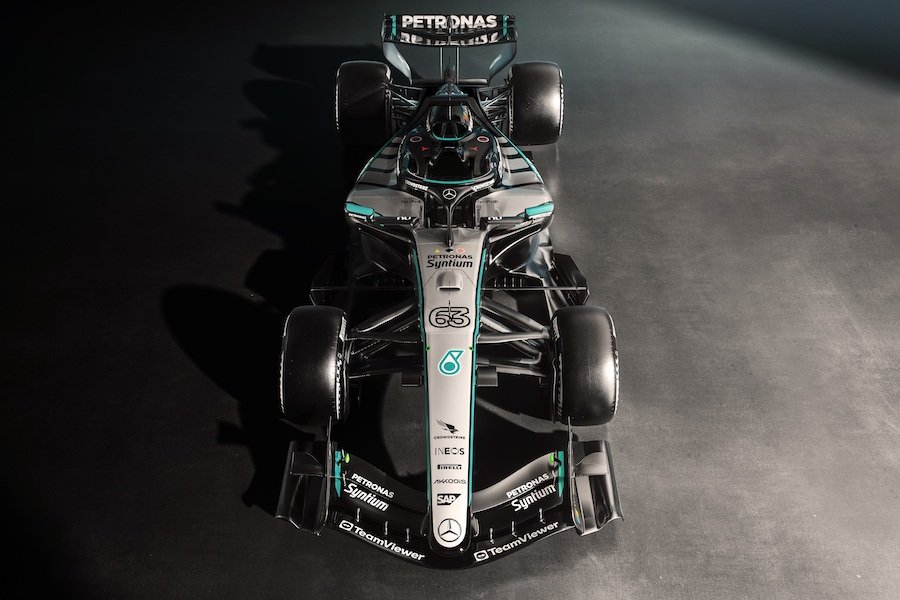
Mercedes has approximately 27 commercial partners.
The team does not simply sell advertising space on a race car — it sells access to one of the most recognizable motorsport brands in the world.
Petronas remains one of the most visible names on the Mercedes car, but behind that famous logo are dozens of other partnerships supporting the team.
5. Aston Martin — Around 33 Partners
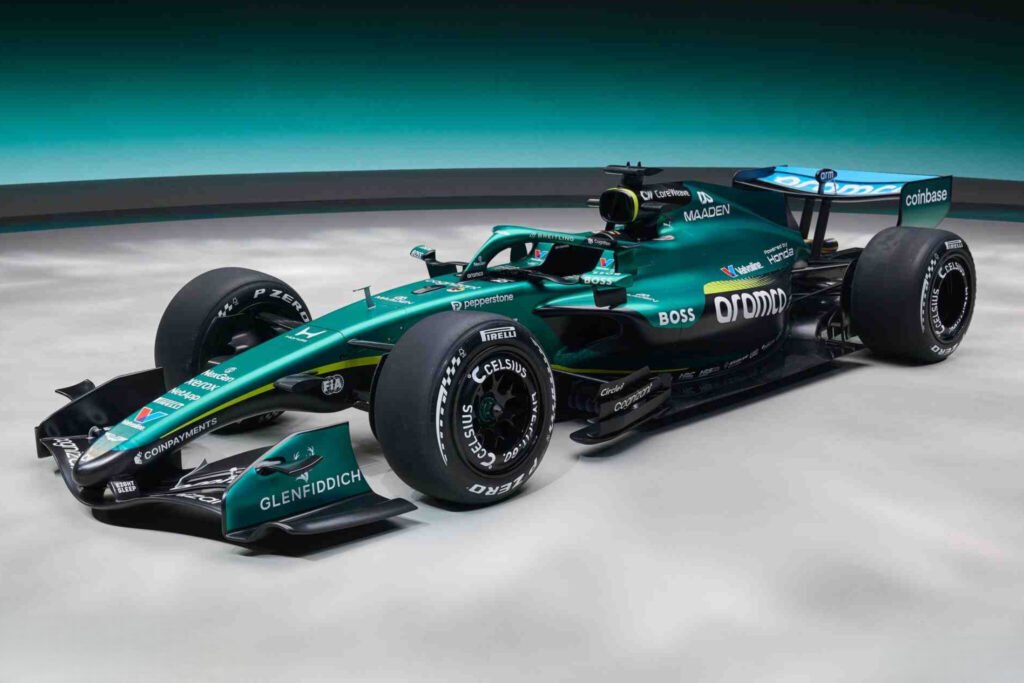
Aston Martin has around 33 commercial partners.
The team combines several powerful assets: a luxury automotive brand, major corporate backing from Aramco, and one of Formula 1’s biggest stars, Fernando Alonso.
That combination creates significant commercial value both on and off the track.
4. Red Bull Racing — Around 34 Partners
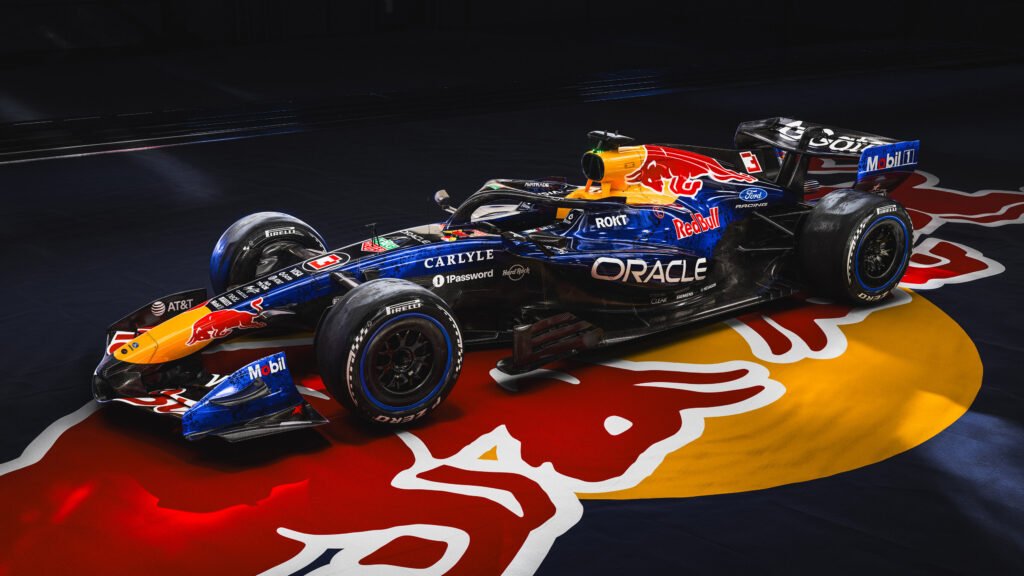
Red Bull Racing has approximately 34 partners.
This number is not surprising considering how aggressively Red Bull uses motorsport as a global marketing platform.
The team is not only involved in Formula 1 but also in numerous extreme sports and racing projects worldwide.
Oracle remains one of the most visible partners on the car, while the team’s new Red Bull Ford power unit era adds another major commercial dimension.
3. Alpine — Around 35 Partners
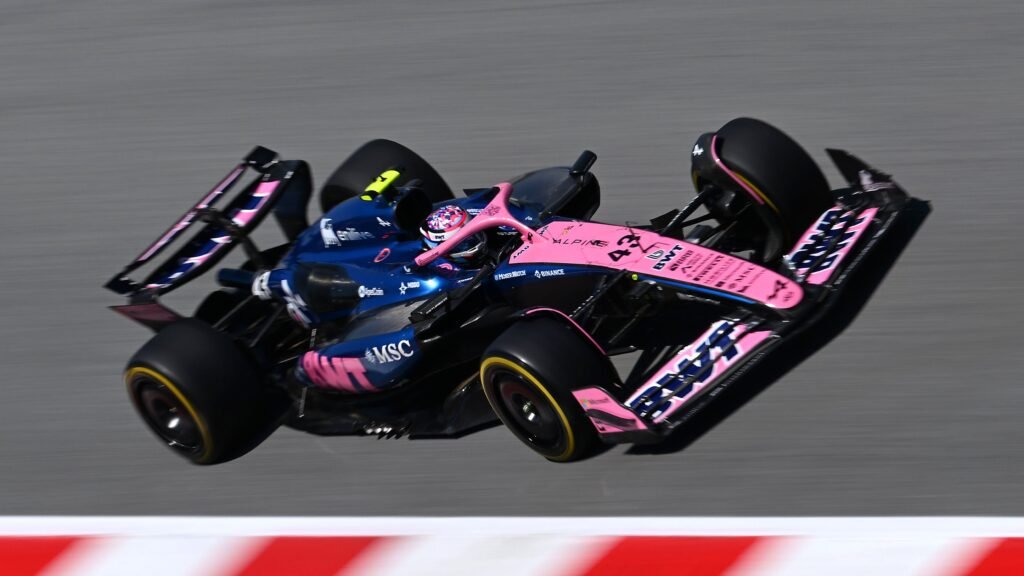
One of the more surprising entries is Alpine, with around 35 partners.
Many fans might expect Red Bull, Mercedes, or Ferrari to dominate this list, but Alpine proves that sponsor quantity does not always follow global popularity.
However, having more partners does not automatically mean earning more money.
F1 partnerships come in different categories, including title sponsors, official partners, technology partners, suppliers, and smaller commercial agreements. Each deal has a completely different value.
2. Ferrari — Around 40 Partners
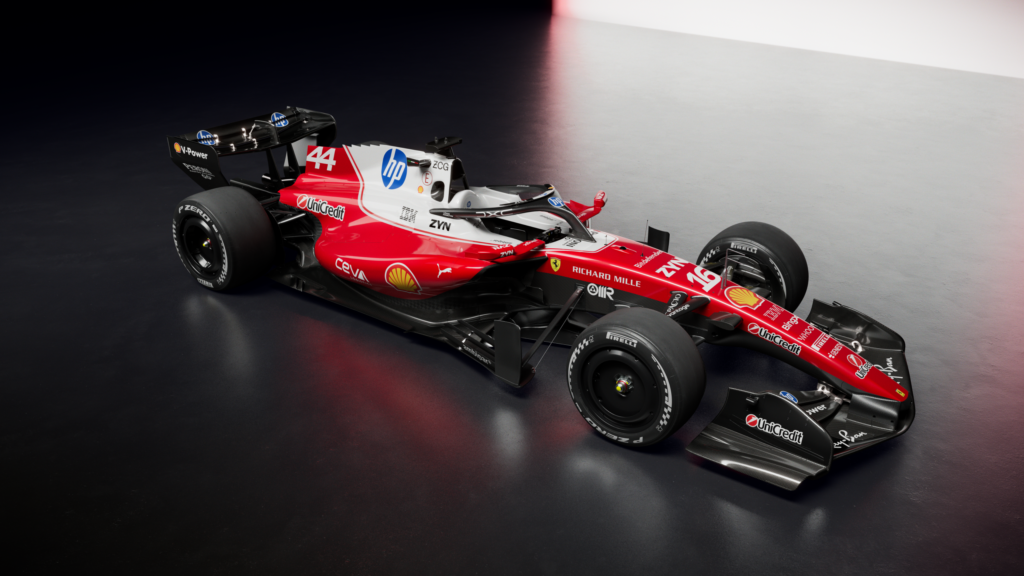
Ferrari has approximately 40 commercial partners.
Considering Ferrari’s history, this number is understandable.
Ferrari is not just a Formula 1 team — it is one of the most valuable automotive brands in the world.
The Ferrari badge itself carries enormous prestige, making partnerships with the team highly attractive for companies around the globe.
With major sponsors such as HP and two commercially powerful drivers, Charles Leclerc and Lewis Hamilton, Ferrari remains one of the strongest marketing platforms in motorsport.
1. McLaren — Around 53 Partners
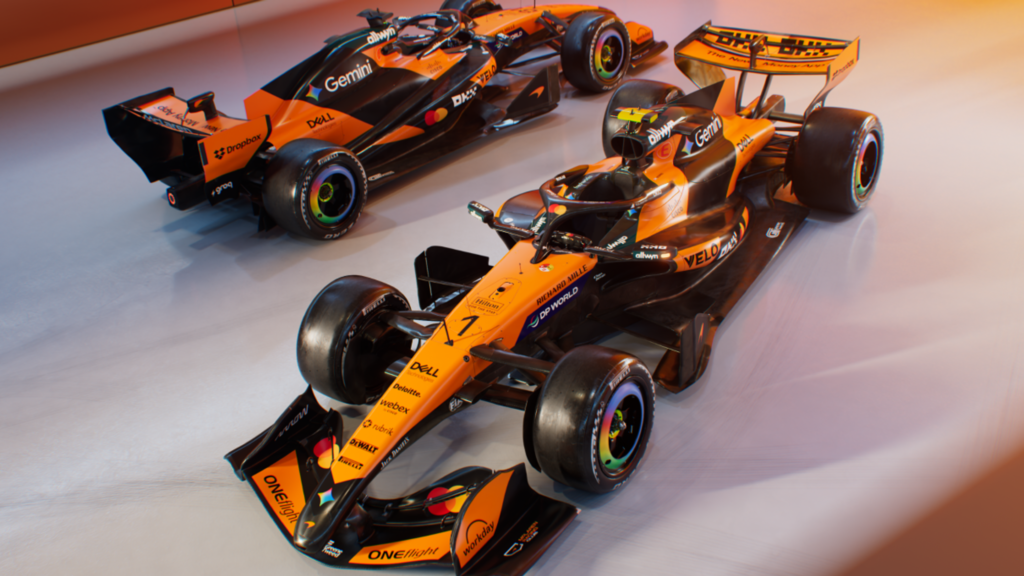
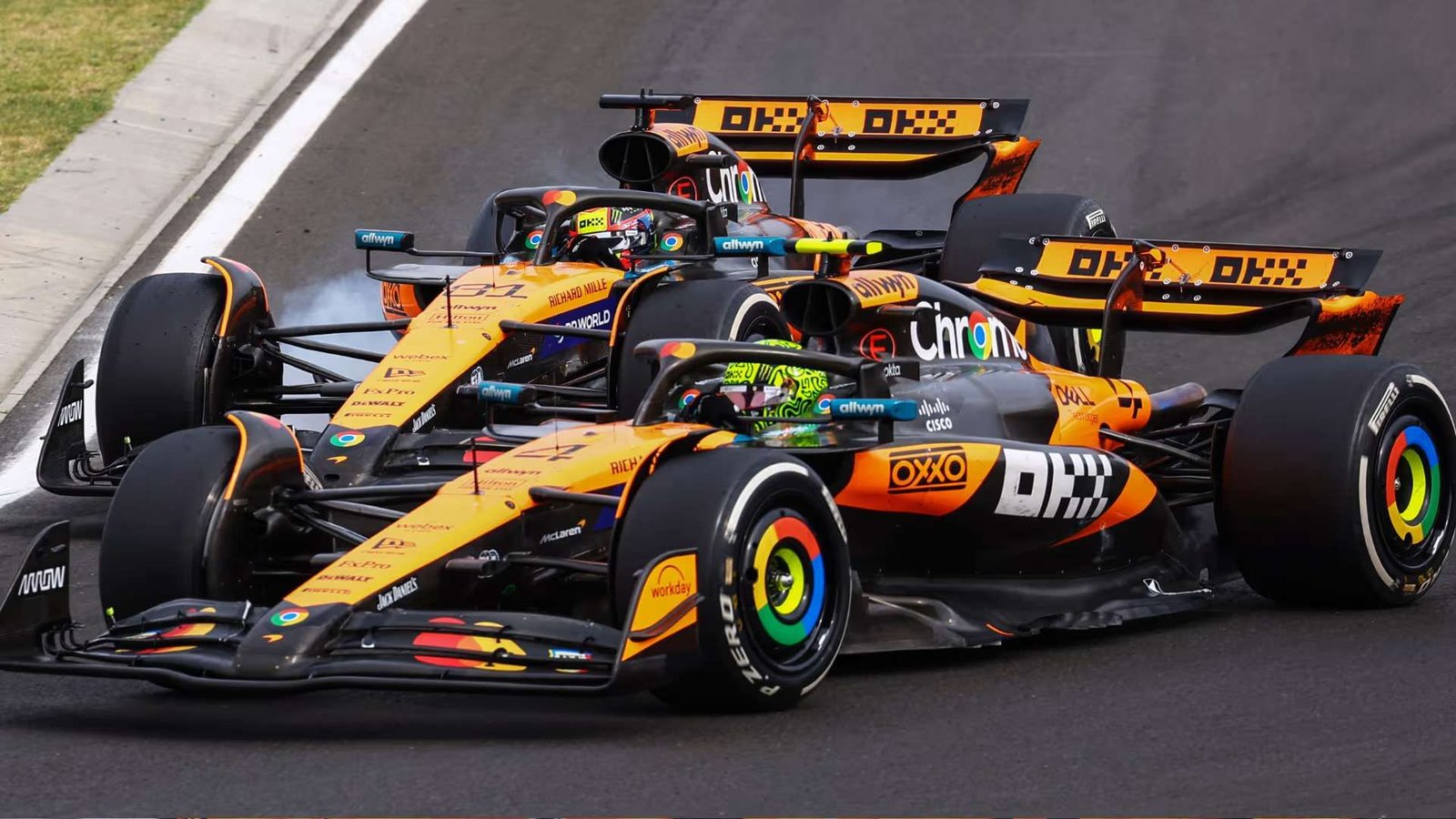
But the team with the most commercial partners in Formula 1 is McLaren, with around 53 partners.
McLaren has transformed its F1 car into a moving global advertising platform.
Every section of the car has commercial value: the front wing, sidepods, halo, rear wing, driver suits, helmets, digital content, and fan experiences.
The huge number of partners shows one important reality:
Formula 1 is not only a sport. It is a global business.
However, having 53 partners does not mean McLaren automatically earns six times more money than a team like Cadillac.
Sponsorship deals are divided into different levels. A title partner can contribute more money than several smaller partners combined.
The real value is not only about how many logos appear on the car, but how valuable each piece of space becomes.
A small logo on an F1 car may only appear for a few seconds on television, but it can be seen by millions of fans around the world.
That is the true power of Formula 1 sponsorship.

Adhe is part of the 88 Eight Box Editorial Team, covering JDM culture, motorsport, automotive technology, and industry news. The team focuses on delivering original automotive stories, reviews, and insights for enthusiasts worldwide.