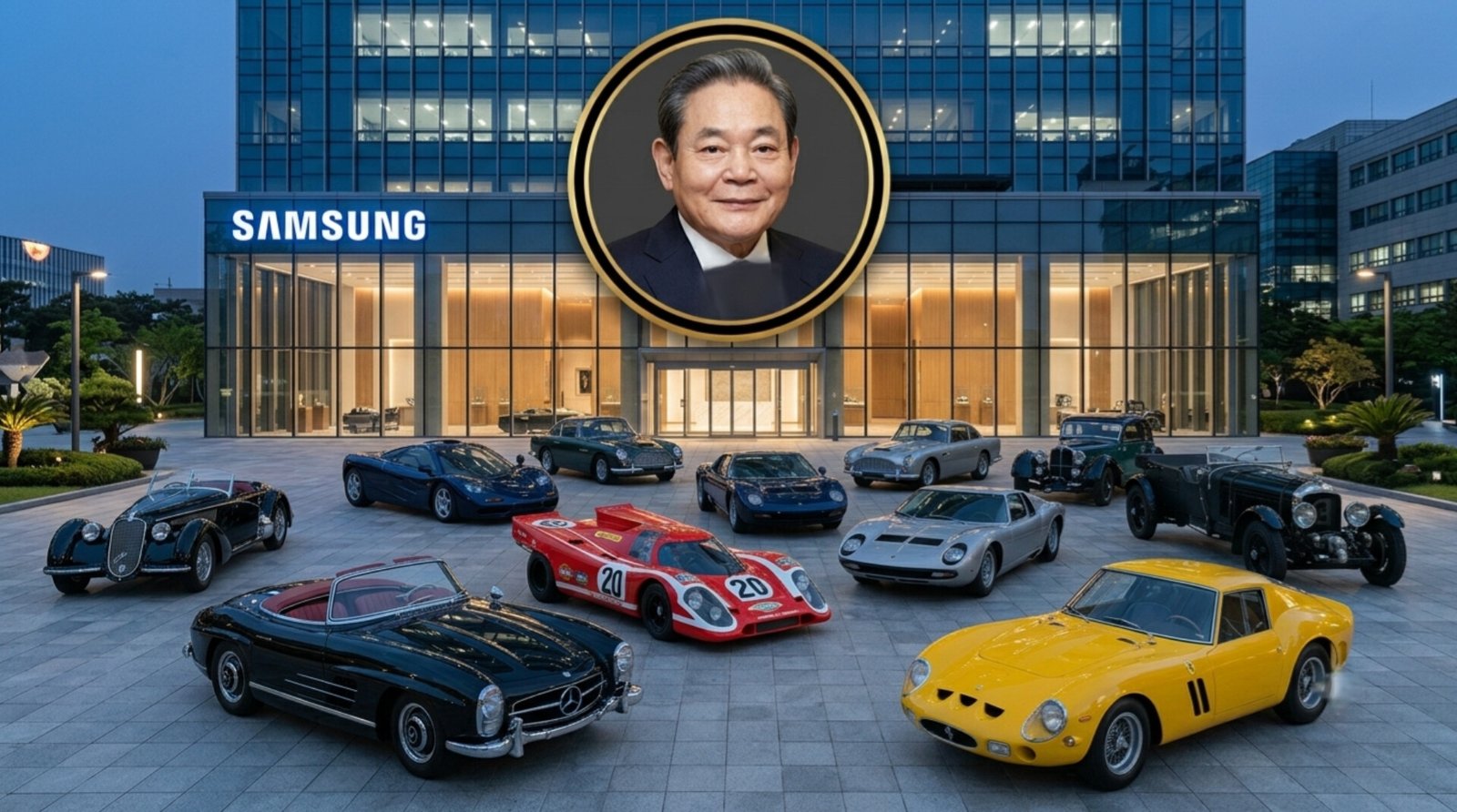
Lee Kun-hee, the former Chairman of Samsung Group, was not simply a billionaire who collected expensive cars. He was a true automotive enthusiast who appreciated vehicles for their history, engineering, technology, and artistic value.
Among the many cars associated with his collection, some stood out as extremely rare machines. These were not just luxury vehicles, but automotive masterpieces with limited production numbers, racing heritage, and historical importance.
Here are the rarest and most valuable cars linked to Lee Kun-hee’s collection.
1. Ferrari 330 LMB — Ferrari’s Ultra-Rare V12 Racing Machine
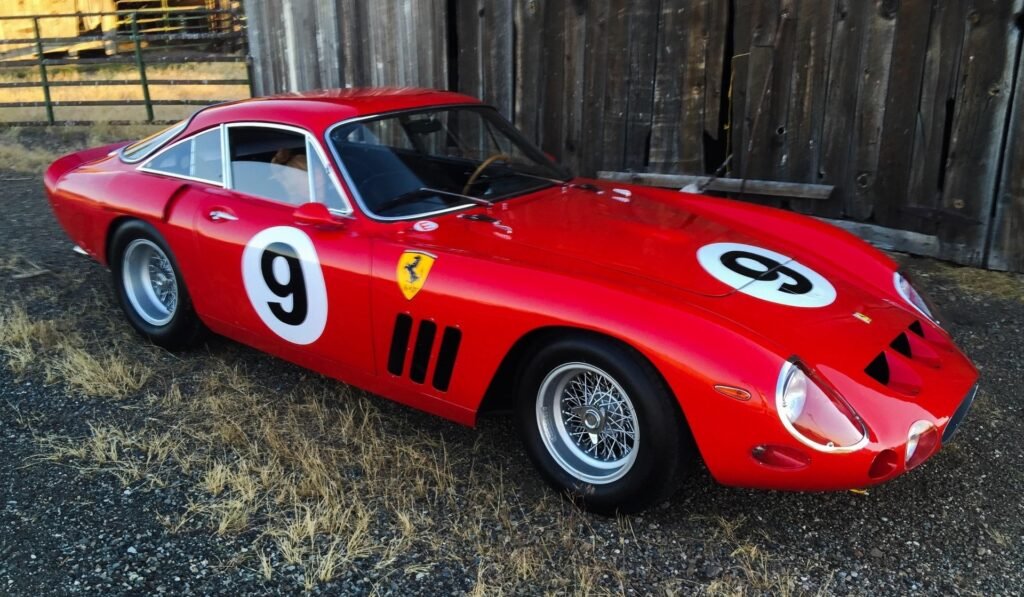
The Ferrari 330 LMB is considered one of the rarest Ferraris ever produced.
Only four examples were built worldwide, making it even rarer than many legendary Ferrari models. One example has been associated with Lee Kun-hee’s collection, placing it among the most exclusive cars connected to his garage.
The 330 LMB was created in 1963 as a GT racing prototype, combining Ferrari’s racing technology with the elegance of a road-going grand tourer.
The History Behind the Ferrari 330 LMB
The Ferrari 330 LMB was developed from Ferrari’s successful GT racing platform.
It shared several elements with:
- Ferrari 250 GTO,
- Ferrari 250 GT series,
- Ferrari’s endurance racing technology.
The goal was to create a front-engine V12 race car capable of competing in endurance events such as the 24 Hours of Le Mans.
However, Ferrari soon moved toward mid-engine race cars, and the 330 LMB project was discontinued after only four cars were built.
Ferrari 330 LMB Specifications
Engine:
- 4.0-liter Colombo V12
Power Output:
- Around 390 horsepower
Transmission:
- Manual gearbox
Drivetrain:
- Rear-wheel drive
Production:
- Only 4 units worldwide
Why the Ferrari 330 LMB Is So Valuable
The 330 LMB represents the golden era of Ferrari engineering.
Its value comes from:
- extremely limited production,
- Ferrari V12 heritage,
- racing DNA,
- connection to the legendary 250 GTO family.
For Ferrari collectors, the 330 LMB is considered a true automotive treasure.
2. Ferrari 250 GT Lusso — The Most Elegant Ferrari Grand Tourer
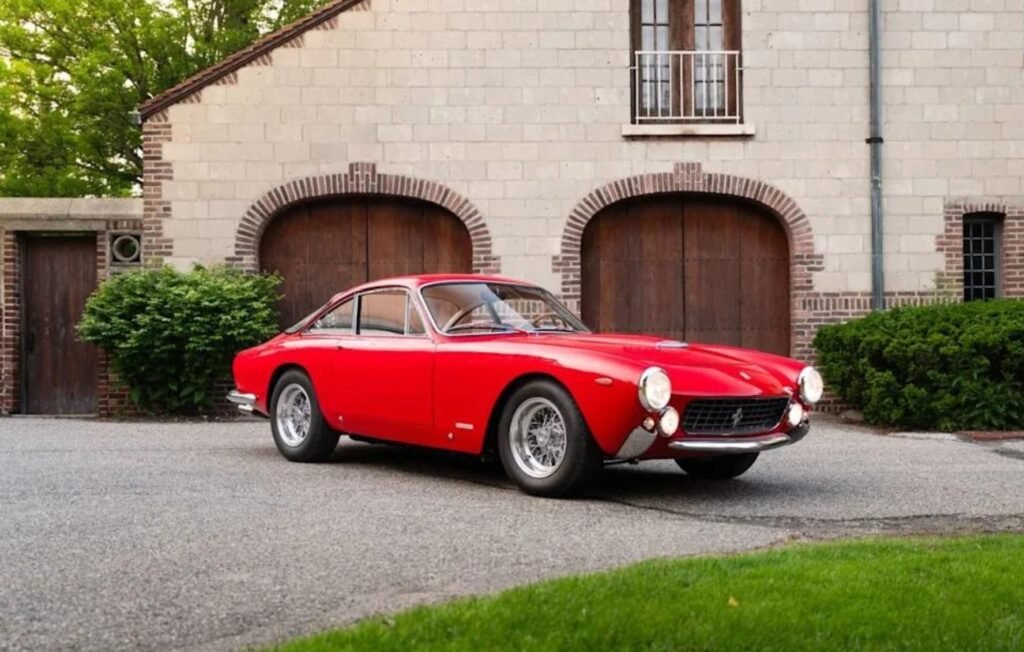
The Ferrari 250 GT Lusso is one of the most beautiful classic Ferraris ever created.
Produced between 1962 and 1964, the Lusso represented the perfect balance between Ferrari’s racing heritage and luxury grand touring philosophy.
Unlike Ferrari race cars that focused only on speed, the 250 GT Lusso was designed for owners who wanted performance combined with elegance.
Italian Design Excellence
The body design was created by:
Pininfarina
while construction was handled by:
Scaglietti
two of the most respected names in Ferrari history.
The design featured:
- a long elegant hood,
- flowing body lines,
- a compact rear cabin,
- classic Ferrari proportions.
Ferrari 250 GT Lusso Specifications
Engine:
- 3.0-liter Colombo V12
Power Output:
- Around 250 horsepower
Top Speed:
- Approximately 240 km/h
Production:
- 350 units
Although it was not built as an extreme racing machine, the 250 GT Lusso became one of the most desirable Ferrari classics because of:
- its V12 engine,
- timeless design,
- historical importance.
For Lee Kun-hee, owning a car like this showed his appreciation for automotive art, not just performance.
3. Ferrari 250 GTO — The Ultimate Ferrari Legend
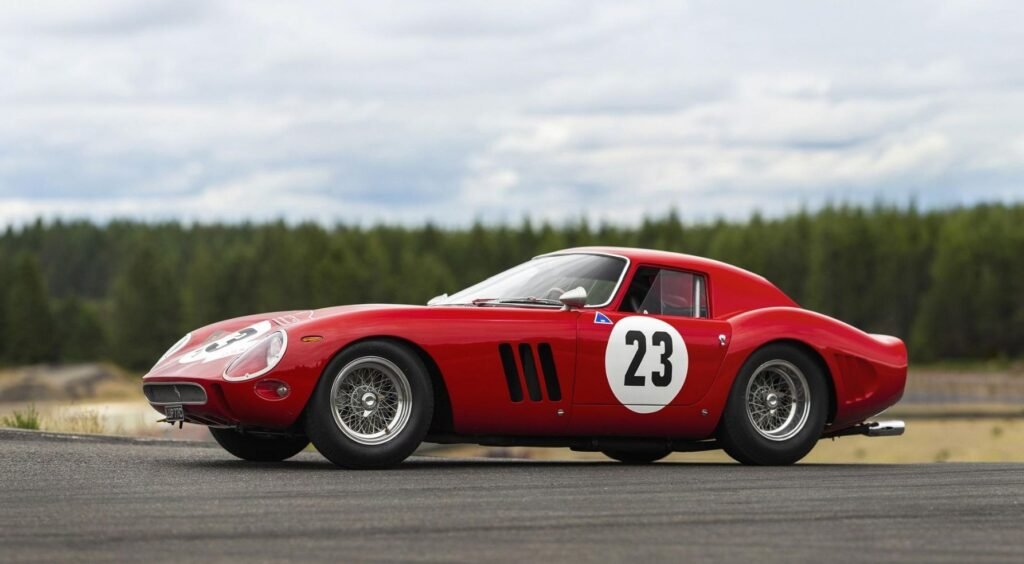
The Ferrari 250 GTO is widely regarded as one of the greatest collector cars ever made.
Although Lee Kun-hee’s ownership of a 250 GTO has not been publicly documented as clearly as some other cars, the model represents the level of rarity and exclusivity found among the world’s most elite Ferrari collectors.
Why the Ferrari 250 GTO Is Legendary
Ferrari produced only:
36 examples worldwide.
The car was developed specifically for GT racing and became one of Ferrari’s most successful competition machines.
Ferrari 250 GTO Specifications
Engine:
- 3.0-liter V12
Power Output:
- Around 300 horsepower
Top Speed:
- Approximately 280 km/h
The 250 GTO is more than a car.
For collectors, it represents:
- racing history,
- Ferrari heritage,
- investment value,
- automotive perfection.
It is one of the few cars in history that has reached the status of a true automotive masterpiece.
4. Ferrari F40 — The Last Ferrari Created During Enzo Ferrari’s Lifetime
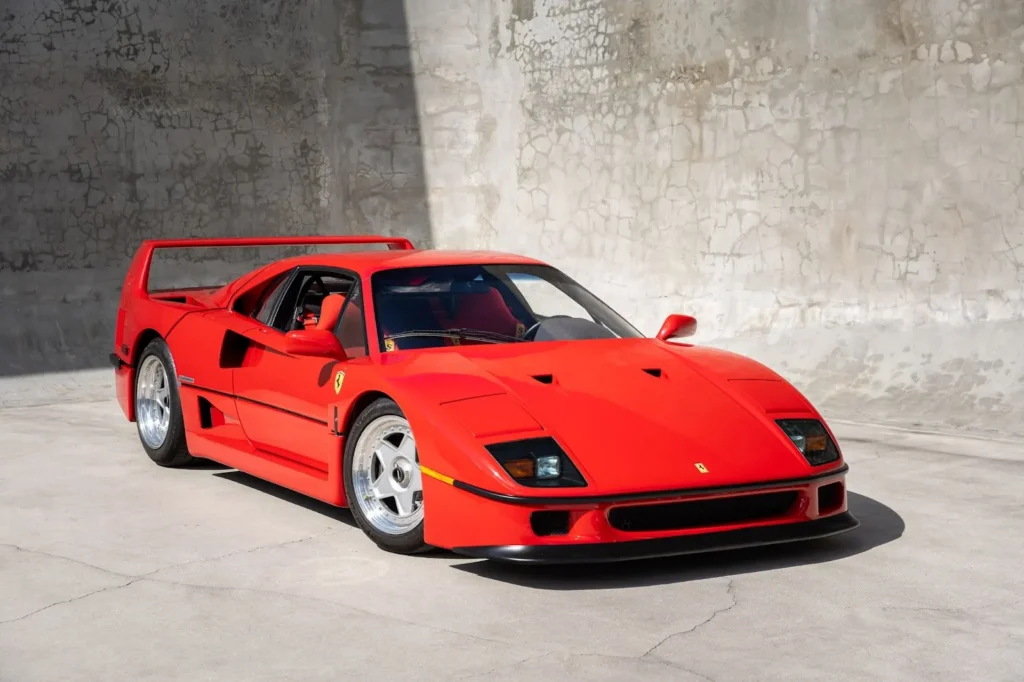
The Ferrari F40 may not be the rarest Ferrari by production numbers, but its historical significance makes it one of the most important cars in Lee Kun-hee’s collection.
The F40 was introduced in 1987 to celebrate Ferrari’s 40th anniversary.
More importantly, it was the last Ferrari developed while founder Enzo Ferrari was still alive.
Ferrari F40 Specifications
Engine:
- 2.9-liter V8 twin-turbo
Power Output:
- 478 horsepower
Top Speed:
- Over 320 km/h
0–100 km/h:
- Around 4 seconds
The F40 was built with a pure performance philosophy.
It used:
- carbon fiber,
- Kevlar,
- aluminum components,
- lightweight materials.
The interior was extremely simple:
- no unnecessary luxury features,
- minimal sound insulation,
- racing-focused design.
The F40 represents Ferrari’s raw and emotional era before modern electronics dominated supercars.
5. Porsche 959 — The Technological Masterpiece
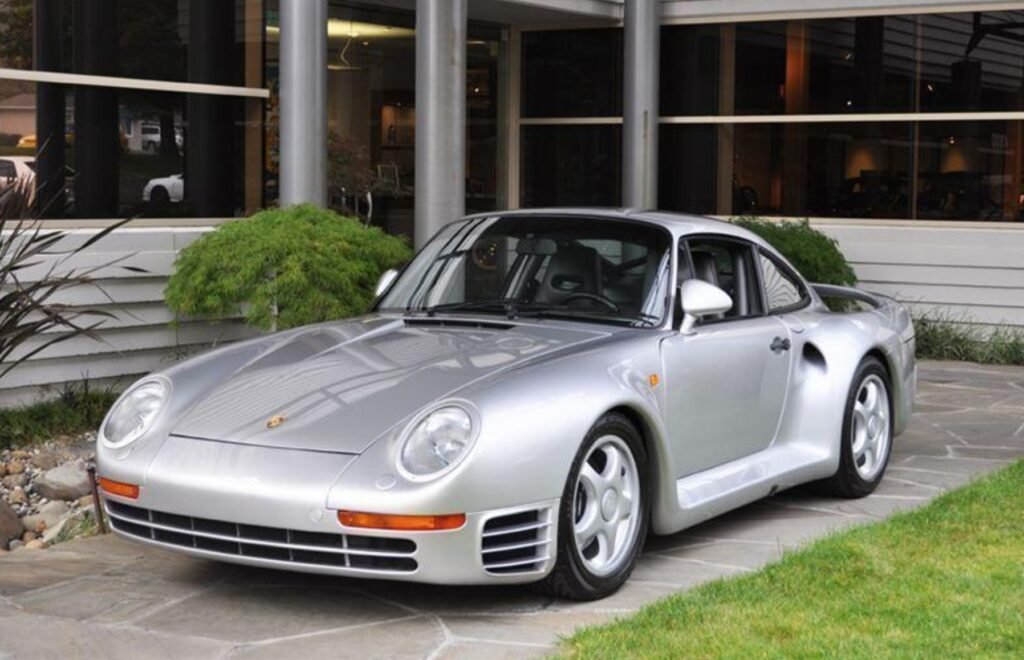
The Porsche 959 was one of the most advanced cars of the 1980s.
Developed from Porsche’s Group B rally technology, the 959 was created to demonstrate what the future of performance cars could become.
Porsche 959 Specifications
Engine:
- 2.85-liter flat-six twin-turbo
Power Output:
- Around 450 horsepower
Drivetrain:
- Advanced all-wheel drive system
Top Speed:
- Over 300 km/h
The Porsche 959 introduced technology that was revolutionary at the time:
- intelligent AWD system,
- advanced suspension technology,
- lightweight construction,
- sophisticated aerodynamics.
It became one of the earliest examples of a true modern supercar.
6. Lamborghini Countach LP5000 — The Original Supercar Icon
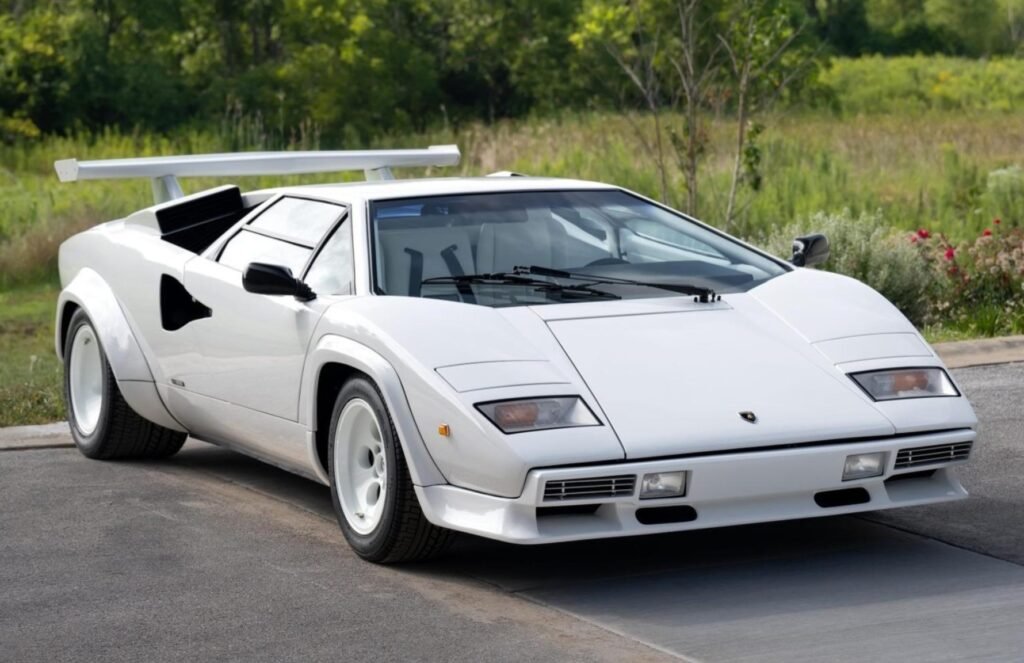
The Lamborghini Countach changed the image of the supercar forever.
Its extreme wedge-shaped design became the blueprint for future Lamborghini models.
The Countach introduced famous Lamborghini styling elements:
- scissor doors,
- aggressive proportions,
- futuristic design.
Lamborghini Countach LP5000 QV Specifications
Engine:
- 5.2-liter V12
Power Output:
- Around 455 horsepower
Top Speed:
- Approximately 295 km/h
The Countach became a dream car for an entire generation.
For collectors like Lee Kun-hee, it represented the golden era of Italian supercars.
7. Lamborghini Diablo VT — The Last Raw Lamborghini Era
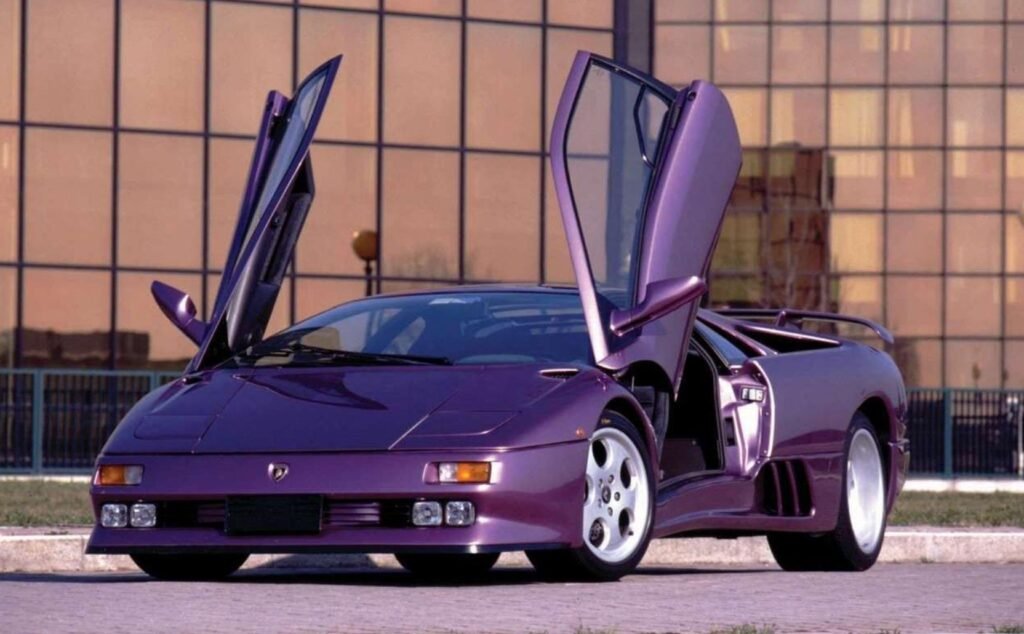
The Lamborghini Diablo followed the legendary Countach and became one of the most recognizable supercars of the 1990s.
The Diablo VT was especially desirable because it introduced:
- all-wheel drive,
- improved handling,
- better usability.
Lamborghini Diablo VT Specifications
Engine:
- 5.7-liter V12
Power Output:
- Around 485 horsepower
Top Speed:
- Over 320 km/h
The Diablo represents the final generation of Lamborghini’s old-school supercars before modern technology and Audi ownership changed the brand.
It remains highly valued because of its:
- mechanical character,
- dramatic design,
- naturally aspirated V12 engine.
8. Toyota 2000GT — Japan’s First True Collector Car
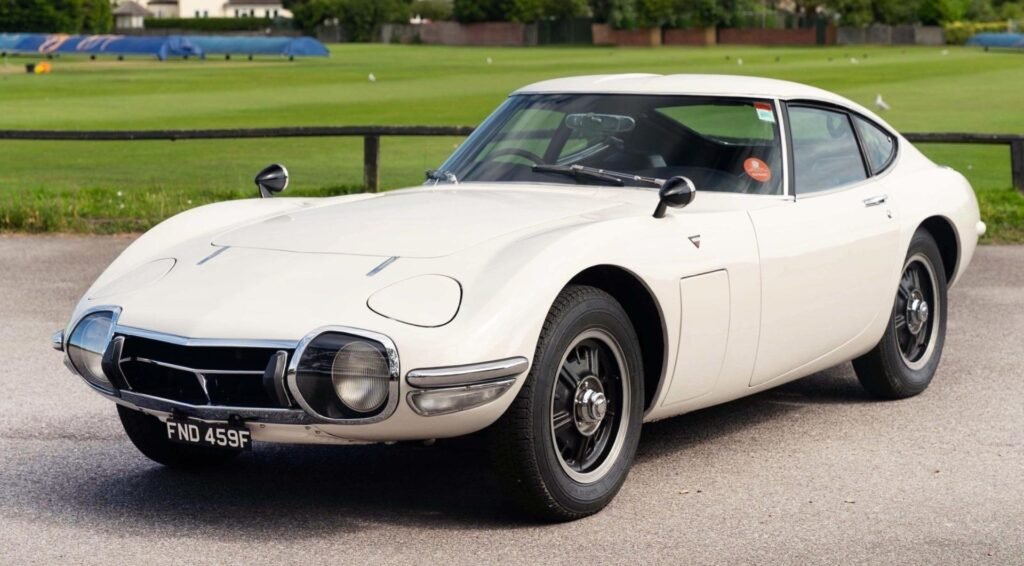
The Toyota 2000GT is one of the most valuable Japanese cars ever produced.
Built between 1967 and 1970, it proved that Japan could create a world-class sports car capable of competing with European manufacturers.
Toyota 2000GT Specifications
Engine:
- 2.0-liter inline-six
Power Output:
- Around 150 horsepower
Production:
- Only 351 units
The Toyota 2000GT became historically important because it:
- changed the global perception of Japanese cars,
- inspired future Toyota sports cars,
- became a symbol of Japanese automotive ambition.
9. Mercedes-Benz 600 Pullman — The Ultimate Luxury Limousine
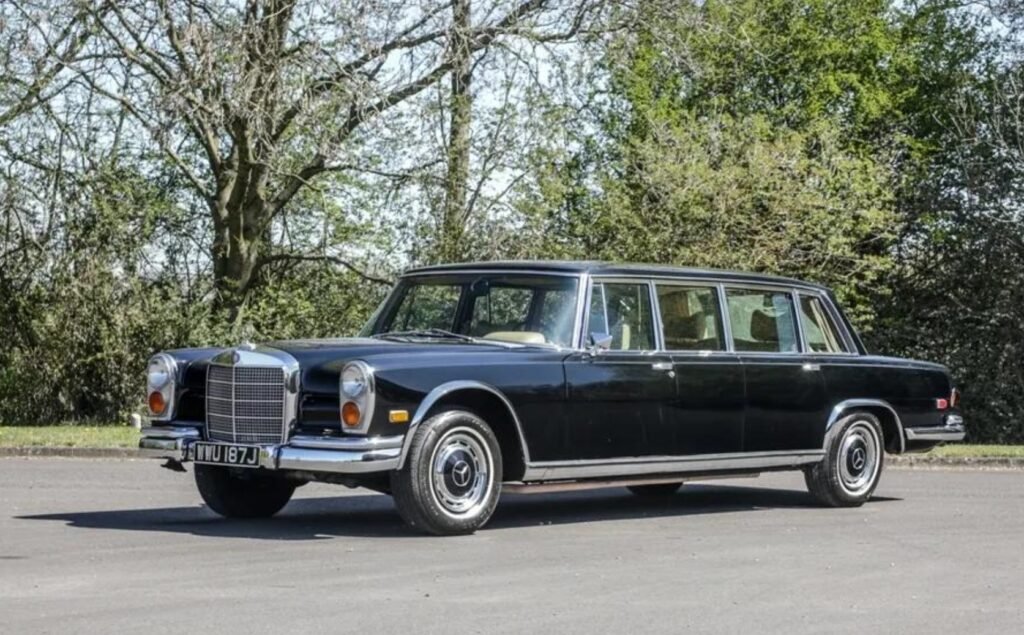
The Mercedes-Benz 600 Pullman represents a completely different philosophy compared to Ferrari and Lamborghini.
It was not designed for speed.
It was designed for power, prestige, and comfort.
The 600 Pullman was used by:
- presidents,
- royalty,
- industrial leaders,
- influential figures around the world.
Mercedes-Benz 600 Pullman Highlights
Features included:
- advanced hydraulic systems,
- luxurious handcrafted interior,
- enormous rear passenger space,
- limousine-level comfort.
Owning a 600 Pullman placed Lee Kun-hee among the world’s most prestigious collectors.
10. Bugatti Veyron — The Hypercar That Changed Everything
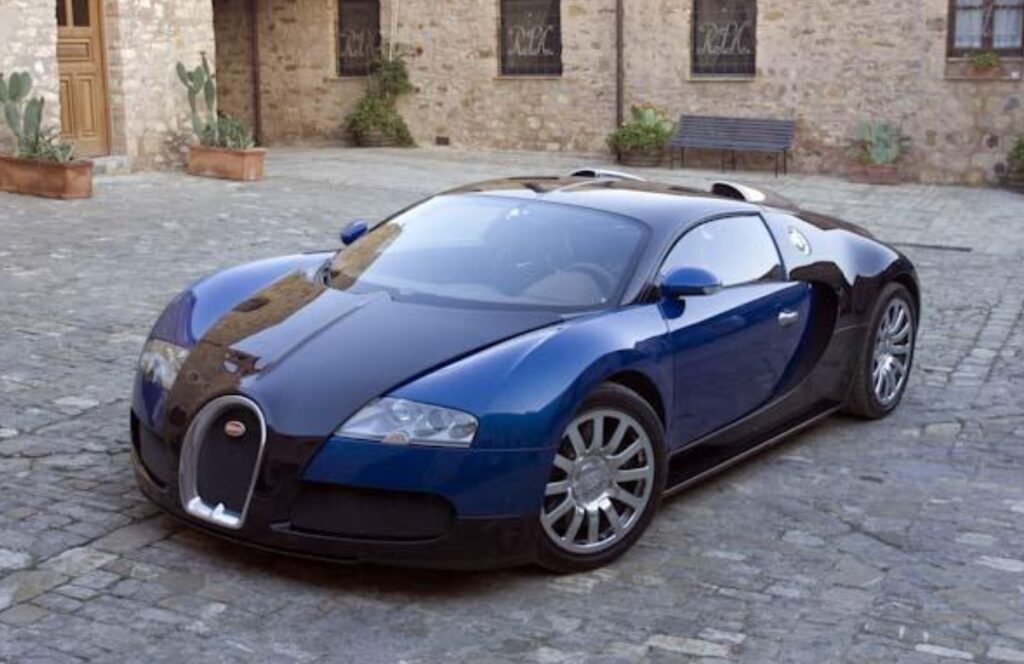
The Bugatti Veyron represented the ultimate achievement of modern automotive engineering.
When Bugatti created the Veyron, the goal was simple:
Build the fastest and most technologically advanced production car in the world.
Bugatti Veyron Specifications
Engine:
- 8.0-liter W16 quad-turbo
Power Output:
- 1,001 horsepower
Torque:
- 1,250 Nm
Drivetrain:
- All-wheel drive
Top Speed:
- Over 400 km/h
The Veyron required enormous engineering challenges:
- controlling extreme heat,
- developing special tires,
- maintaining stability at incredible speeds.
It became a symbol of automotive perfection.
The Rarest Cars in Lee Kun-hee’s Collection — Collector Ranking
| Rank | Car | Why It Is Special |
|---|---|---|
| 1 | Ferrari 330 LMB | Only 4 units ever built |
| 2 | Ferrari 250 GT Lusso | Rare V12 Ferrari masterpiece |
| 3 | Ferrari 250 GTO* | One of the most valuable cars in history |
| 4 | Porsche 959 | Revolutionary 1980s technology |
| 5 | Toyota 2000GT | Japan’s most valuable classic |
| 6 | Ferrari F40 | Last Ferrari of the Enzo Ferrari era |
| 7 | Lamborghini Countach | The original supercar icon |
| 8 | Lamborghini Diablo VT | Final era of raw Lamborghini V12s |
| 9 | Mercedes-Benz 600 Pullman | Legendary billionaire limousine |
| 10 | Bugatti Veyron | Modern hypercar revolution |
*Some individual ownership details are not publicly confirmed.
Final Thoughts
Lee Kun-hee’s rare car collection was never about simply owning expensive vehicles.
Each car represented something different:
- Ferrari represented passion and racing heritage.
- Lamborghini represented bold Italian design.
- Porsche represented engineering excellence.
- Mercedes-Benz represented prestige and leadership.
- Bugatti represented technological ambition.
- Toyota represented innovation from Japan.
His collection was a reflection of his personality: a man who valued technology, precision, history, and perfection.
Lee Kun-hee did not just collect cars — he preserved some of the greatest achievements in automotive history.

Adhe is part of the 88 Eight Box Editorial Team, covering JDM culture, motorsport, automotive technology, and industry news. The team focuses on delivering original automotive stories, reviews, and insights for enthusiasts worldwide.