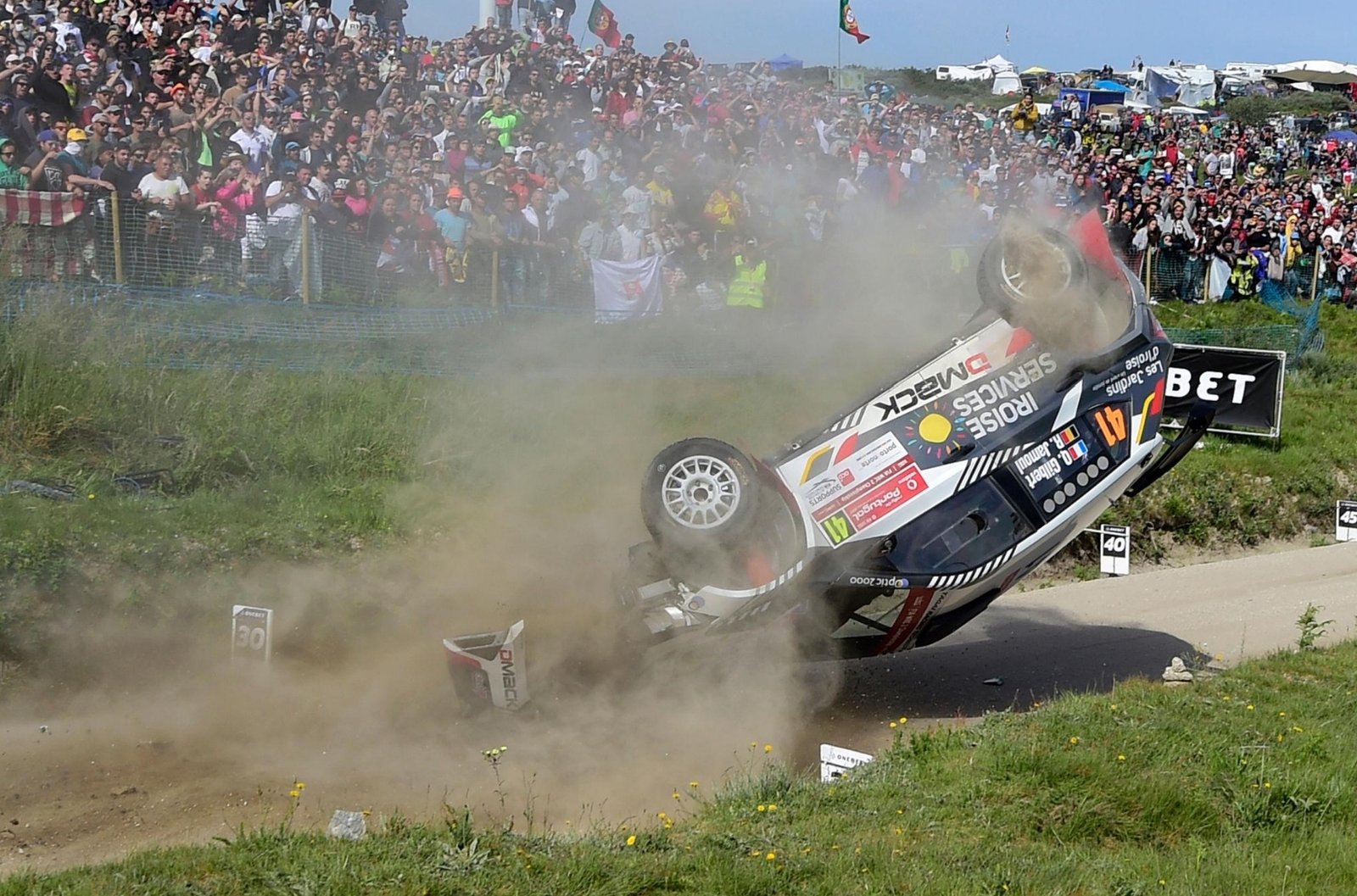
When Speed, Courage, and Risk Collide on the World’s Toughest Rally Stages
The World Rally Championship (WRC) is often considered one of the most extreme forms of motorsport on the planet. Unlike traditional circuit racing, rally drivers do not compete on a controlled track. They battle through forests, mountains, gravel roads, snow, mud, and unpredictable weather conditions while pushing their cars to the absolute limit.
Every corner carries danger. A small mistake, a wrong pace note, or a moment of lost traction can turn a potential victory into a terrifying crash.
Throughout WRC history, several accidents have shocked fans around the world. These crashes destroyed legendary rally cars, tested the limits of safety technology, and proved the incredible bravery of the drivers who survived them.
Colin McRae’s Legendary Crash: The Price of Driving at the Limit
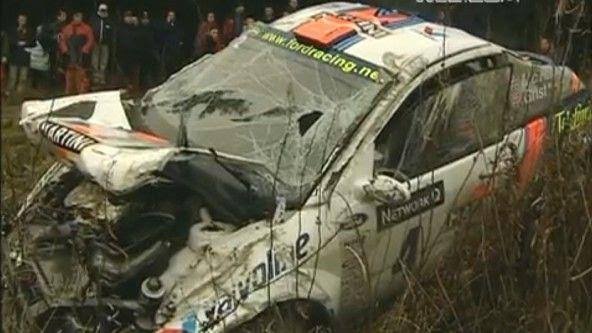
Colin McRae became one of the most iconic names in rally history because of his fearless driving style. The 1995 World Champion was famous for his “flat-out” approach, where he often pushed beyond the normal limits of control.
During the 1998 Rally Corsica, McRae experienced one of the most dramatic crashes of his career. His Subaru Impreza WRC left the road at high speed and rolled multiple times, leaving the car heavily damaged.
Despite the violent impact, McRae and his co-driver Nicky Grist survived without major injuries.
The crash became a perfect example of McRae’s racing philosophy: maximum commitment, maximum speed, and always fighting until the final meter.
Jari-Matti Latvala’s Huge Roll at Rally Portugal
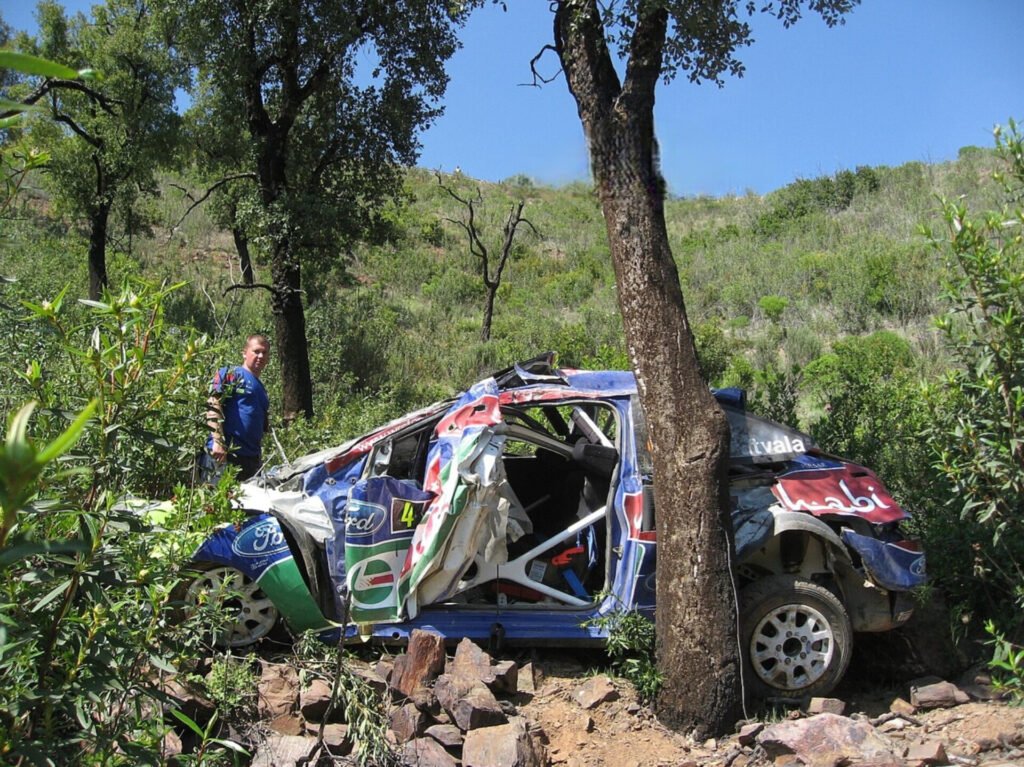
Jari-Matti Latvala produced one of the most frightening crashes in modern WRC history during Rally Portugal 2009.
Driving the Ford Focus RS WRC, Latvala lost control during a high-speed section. The car left the road and crashed into trees before rolling several times down the stage.
The Ford was destroyed, but Latvala and co-driver Miikka Anttila escaped safely.
The accident highlighted one of the biggest dangers in rally racing: drivers are often travelling at incredible speeds with only centimeters separating them from trees, rocks, and cliffs.
Thierry Neuville’s Massive Accident in Rally Chile
Thierry Neuville experienced one of the most dramatic crashes of the modern WRC era at Rally Chile 2019.
Driving a Hyundai i20 Coupe WRC, Neuville went off the road after a fast section and suffered a violent accident. The car rolled down a steep area, causing significant damage.
Fortunately, Neuville and his co-driver Nicolas Gilsoul escaped unharmed.
The crash demonstrated how far rally safety has improved. Modern WRC cars are designed with stronger survival cells, reinforced chassis structures, and advanced safety equipment that help protect drivers during extreme impacts.
Kris Meeke’s High-Speed Crash at Rally Finland
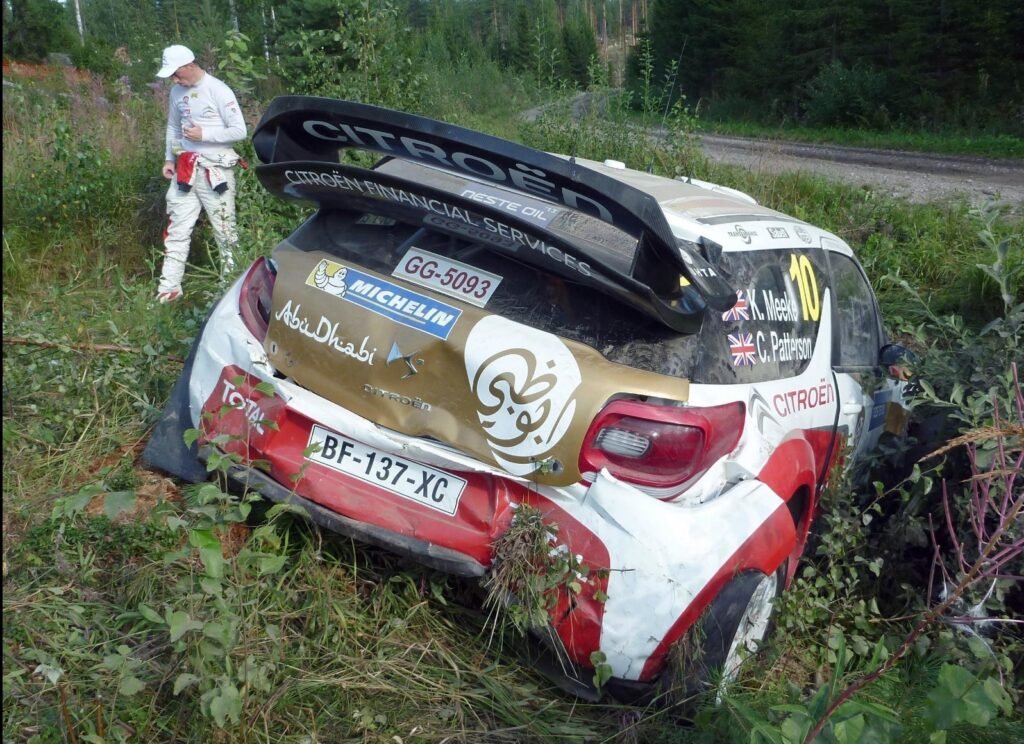
Kris Meeke was known as one of the fastest drivers of his generation, especially on Finland’s famous high-speed stages.
At Rally Finland 2017, Meeke suffered a huge crash after a jump went wrong. His Citroën C3 WRC landed heavily and suffered major damage.
However, Meeke and co-driver Paul Nagle walked away safely.
Rally Finland is famous for its massive jumps, where cars can fly through the air at extremely high speeds. It remains one of the most challenging events on the WRC calendar.
Sébastien Loeb’s Rare Mistake in Rally Cyprus
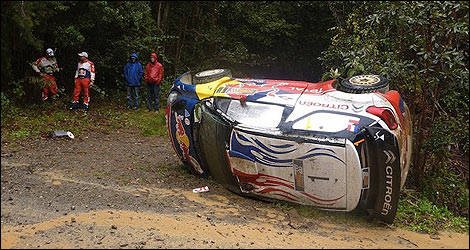
Sébastien Loeb dominated WRC for years, winning nine consecutive world championships between 2004 and 2012.
However, even the greatest driver in rally history was not immune to mistakes.
During Rally Cyprus 2006, Loeb crashed his Citroën Xsara WRC on the difficult gravel stages. The accident ended his event and reminded fans that even a legendary champion can be defeated by the unpredictable nature of rally racing.
Why WRC Crashes Are So Dangerous
WRC crashes are different from accidents in Formula 1 or other circuit racing categories because the environment constantly changes.
Drivers must deal with:
- Narrow forest roads
- Blind corners
- Changing weather conditions
- Loose gravel surfaces
- Massive jumps
- Limited visibility
Unlike circuit racing, where drivers can memorize every corner, rally drivers rely heavily on their co-driver’s pace notes. One wrong instruction or small mistake can have huge consequences.
Modern Rally Cars Are Built to Survive the Impossible
The evolution of WRC safety has saved many lives. Today’s rally cars are equipped with:
- Advanced roll cages
- Stronger chassis structures
- FIA-approved racing seats
- Six-point harness systems
- HANS head and neck protection
- Improved crash absorption technology
Accidents that could have been fatal decades ago are now often survivable thanks to these improvements.
The Legacy of WRC’s Biggest Crashes
The most dramatic crashes in WRC history are not remembered only because of the destruction they caused. They represent the incredible challenge of rally racing—a sport where drivers must combine speed, precision, courage, and trust.
Every stage is unpredictable. Every corner is a risk. And every crash reminds the world that WRC drivers are among the toughest competitors in motorsport.
Rally is not just about being fast. It is about surviving the impossible.

Adhe is part of the 88 Eight Box Editorial Team, covering JDM culture, motorsport, automotive technology, and industry news. The team focuses on delivering original automotive stories, reviews, and insights for enthusiasts worldwide.