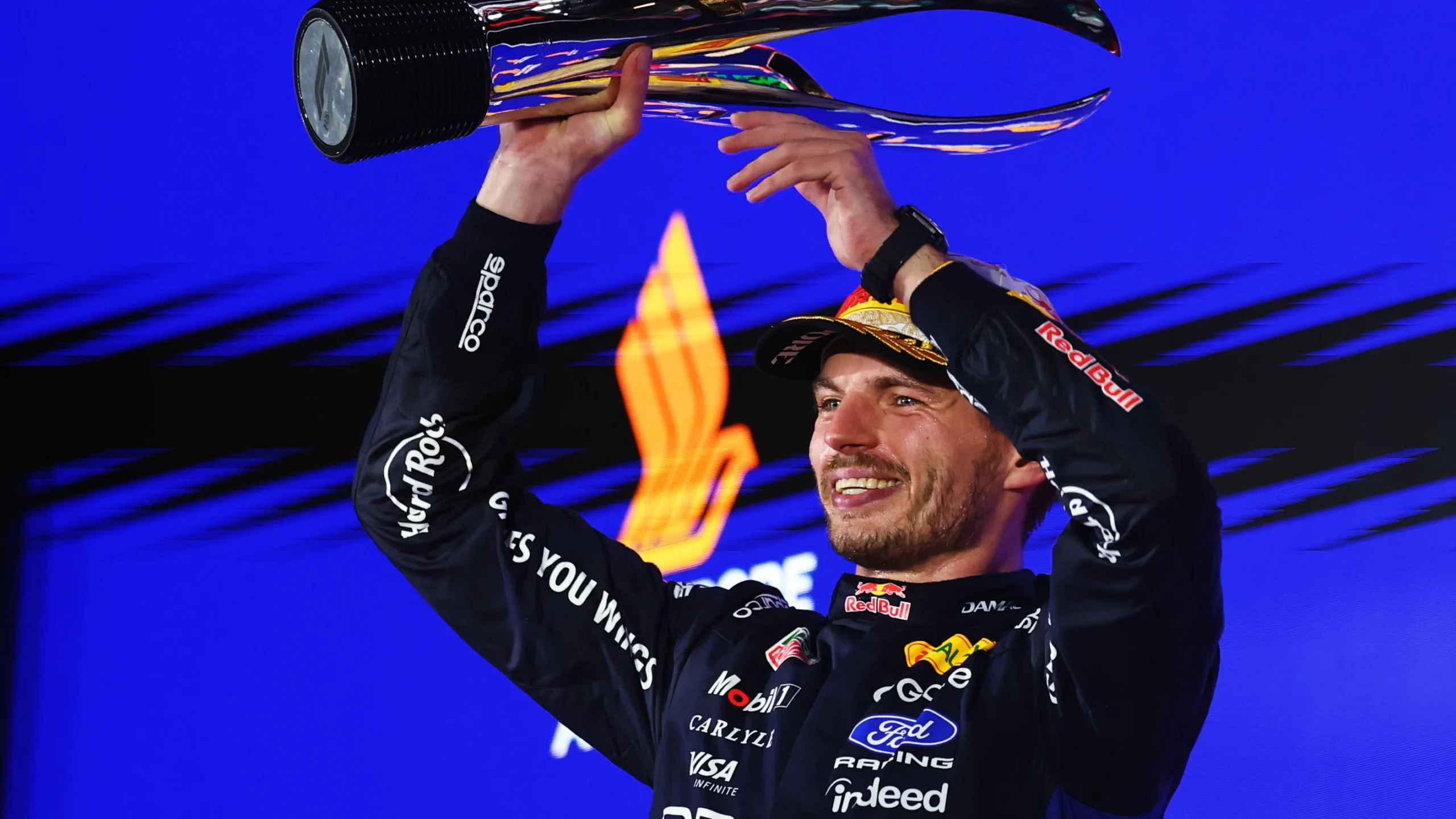
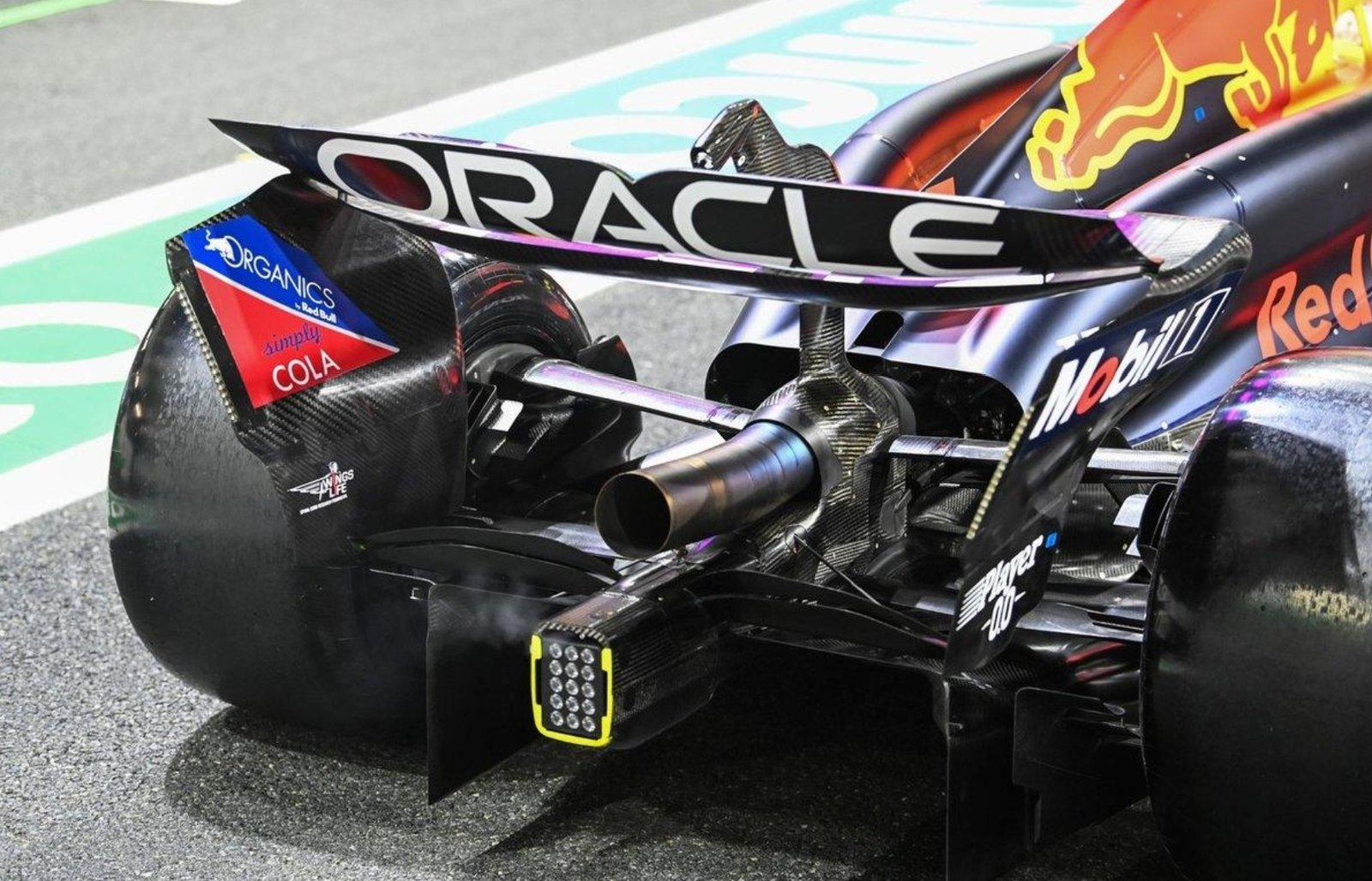
Red Bull Racing has made a major decision ahead of the Formula 1 Belgian Grand Prix at Spa-Francorchamps: the team has abandoned its controversial “Macarena” rear wing design and returned to a more conventional specification.
The decision comes after the component became a major talking point following two incidents involving Max Verstappen in recent races. Problems with the rear wing mechanism caused the aerodynamic system to fail to return properly to its normal position, resulting in a sudden loss of rear downforce at high-speed corners. Verstappen described the situation as a serious concern due to the potential safety risks.
What Is the “Macarena” Wing?
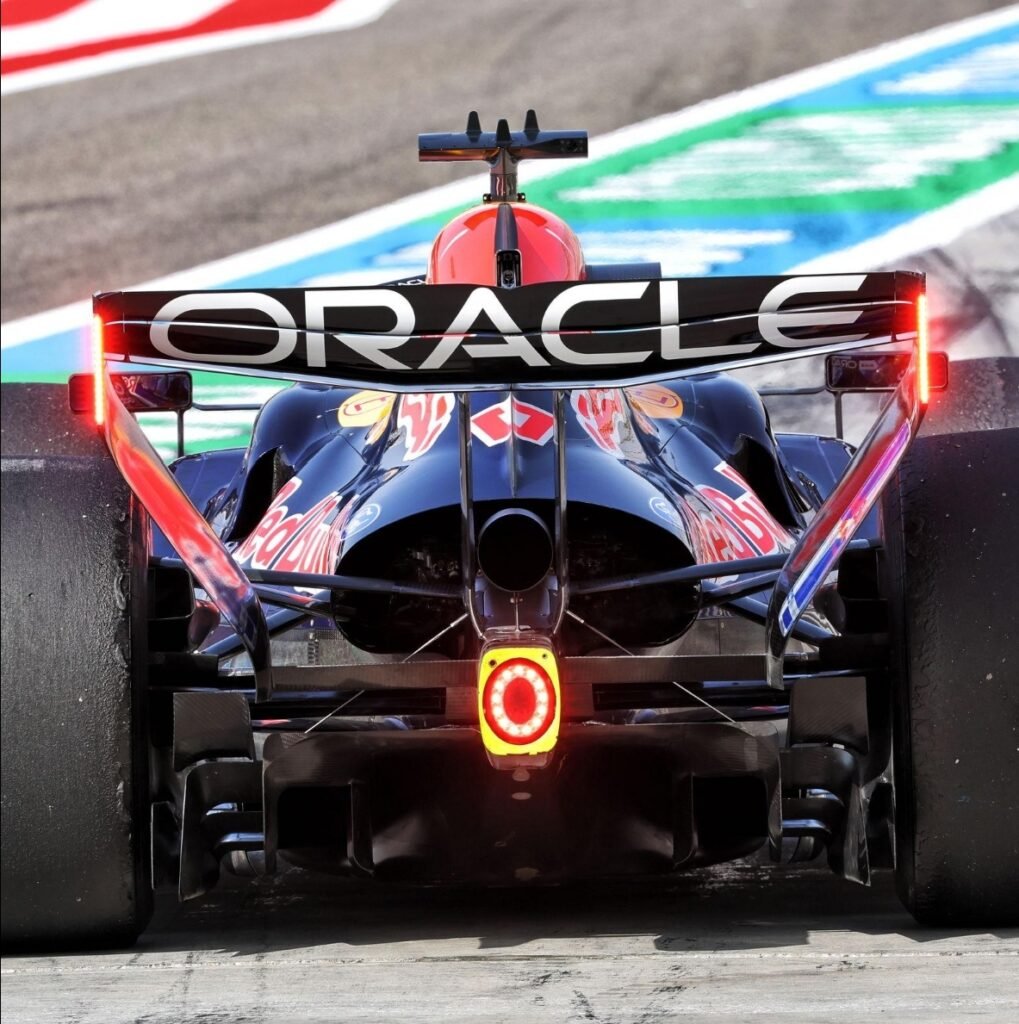
The nickname “Macarena wing” was created by fans and the media because of the unusual movement of the rear wing, which appeared to “dance” when changing positions.
Unlike the traditional DRS system used in previous F1 generations, the 2026 regulations introduce active aerodynamics, allowing aerodynamic components to adjust their position automatically. The goal is to reduce drag on straights while improving efficiency and performance through corners.
However, Red Bull’s system faced reliability issues when the wing failed to return correctly after changing modes. When this happened, the car could lose a significant amount of rear stability, making it more difficult to control at high speeds.
Red Bull Prioritizes Verstappen’s Safety
Red Bull has decided that reliability and driver confidence must come before chasing a small aerodynamic advantage. The team will run a more conventional rear wing specification at Spa-Francorchamps for both Max Verstappen and his teammate.
Although the older design may reduce some of the straight-line speed benefits offered by the active wing concept, Red Bull believes a stable and predictable car is far more important — especially at a demanding circuit like Spa.
The legendary Belgian track features some of the fastest sections in Formula 1, including the famous Eau Rouge–Raidillon complex, where confidence and aerodynamic stability are essential.
A Balance Between Innovation and Reliability
The “Macarena” wing showed Red Bull’s willingness to explore new technology under the 2026 regulations. However, Formula 1 is not only about innovation — every new solution must also prove its reliability under extreme racing conditions.
For Verstappen and Red Bull, the priority is clear: a slightly slower but more dependable car is a better weapon than a faster machine with unpredictable behavior.
As the 2026 season becomes increasingly competitive, Red Bull’s challenge will be finding the perfect balance between advanced technology, performance, and reliability.

Adhe is part of the 88 Eight Box Editorial Team, covering JDM culture, motorsport, automotive technology, and industry news. The team focuses on delivering original automotive stories, reviews, and insights for enthusiasts worldwide.