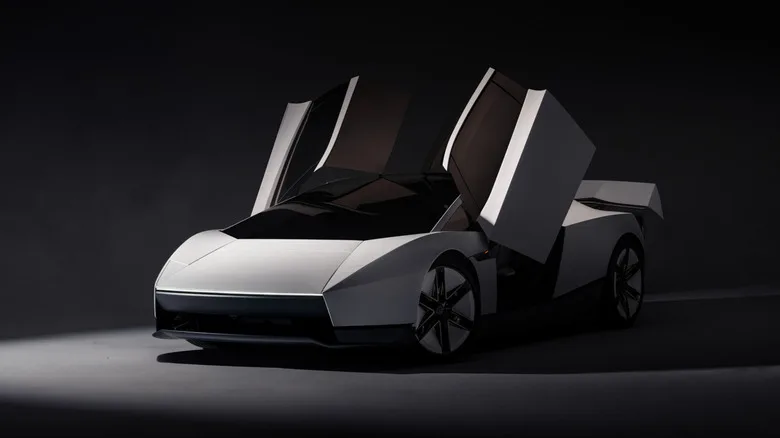
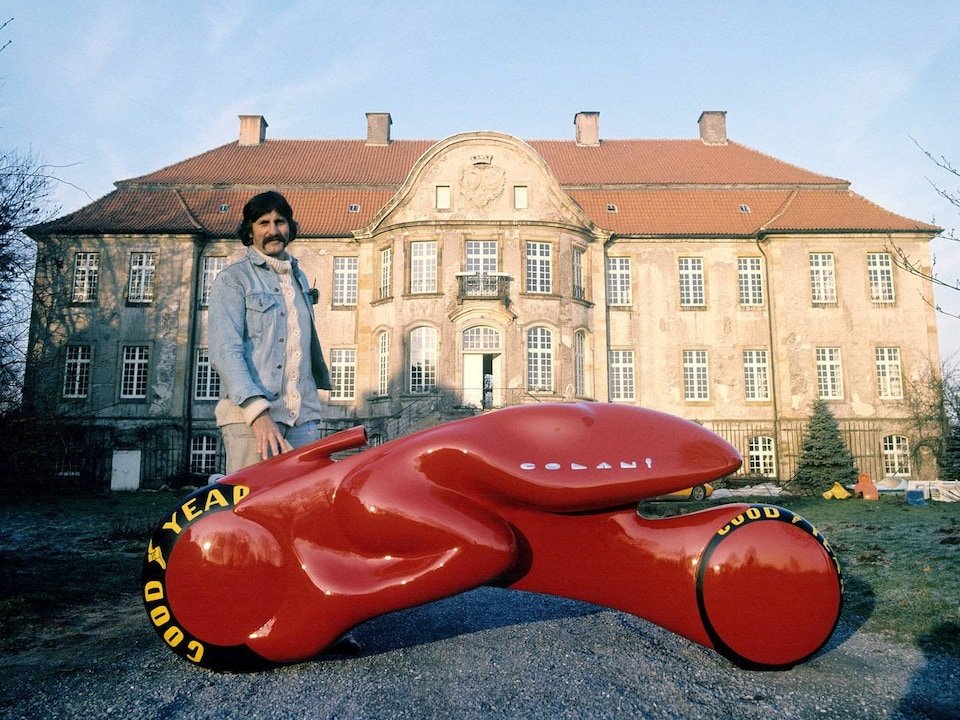
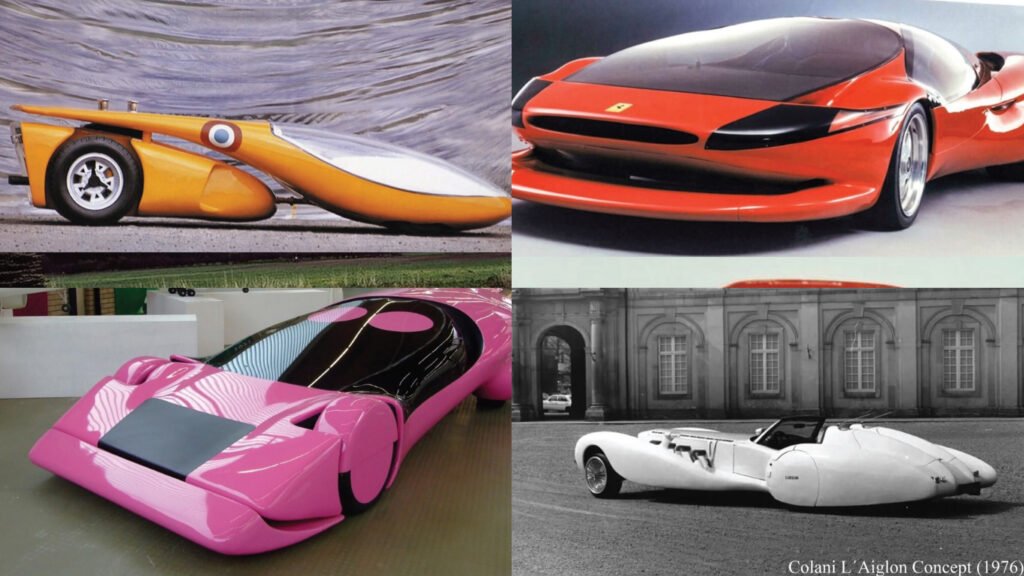
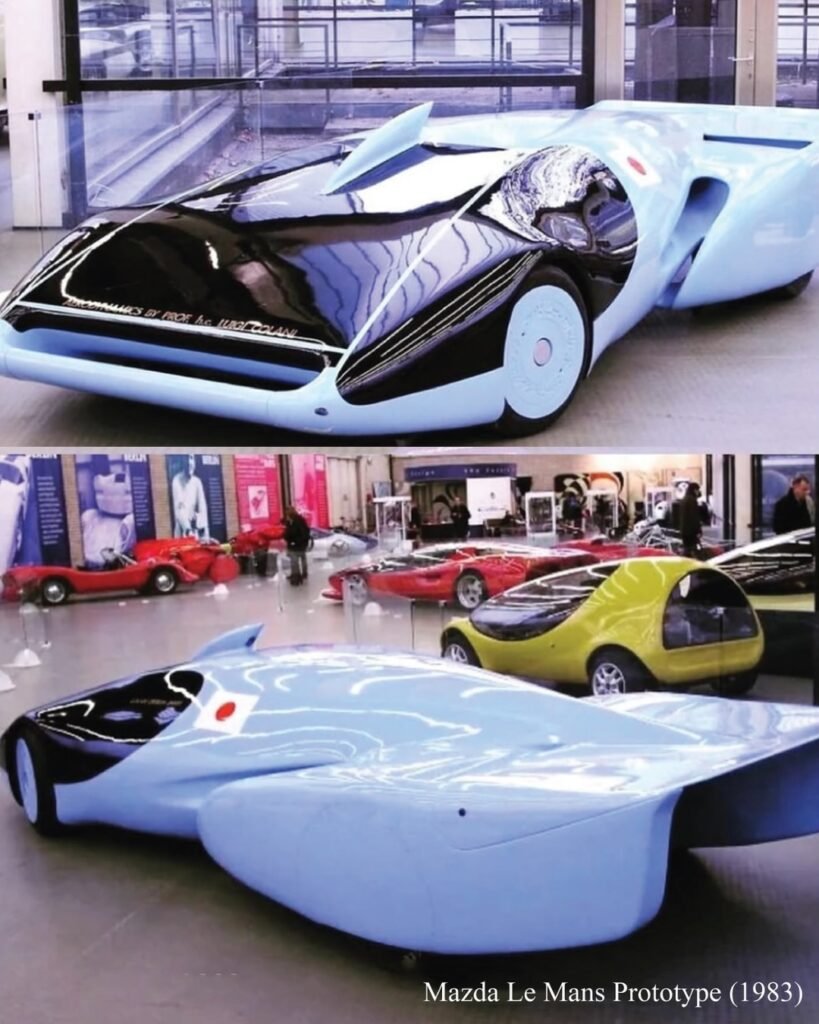
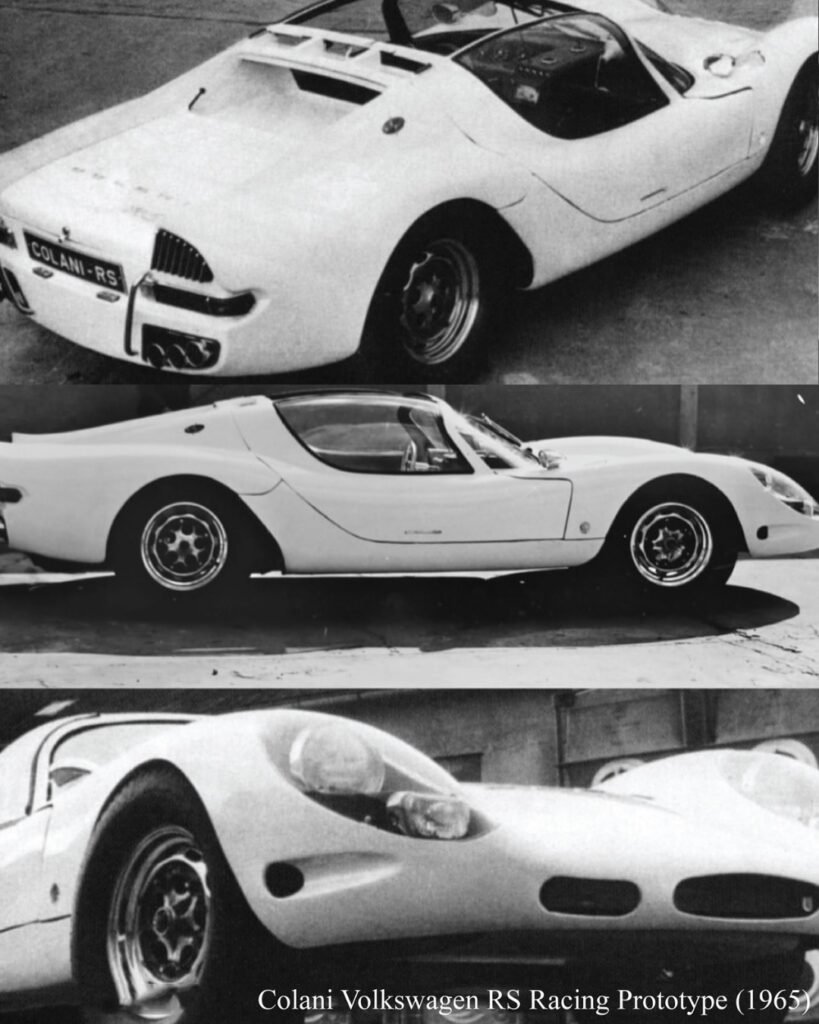
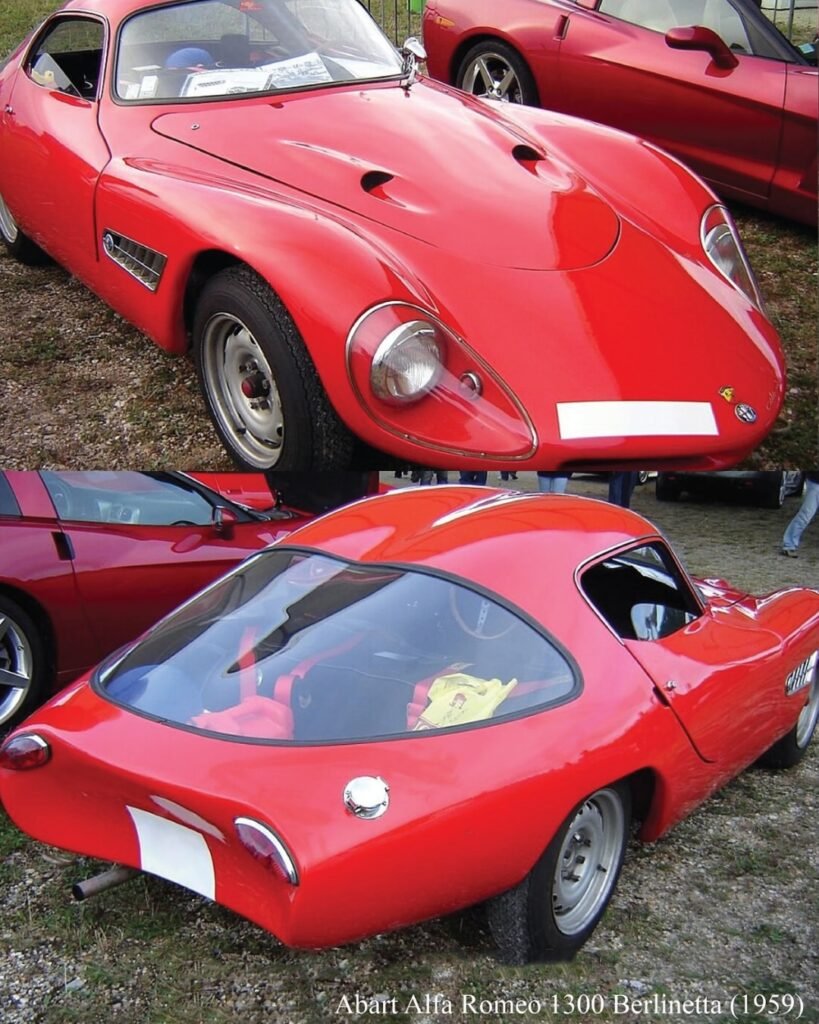
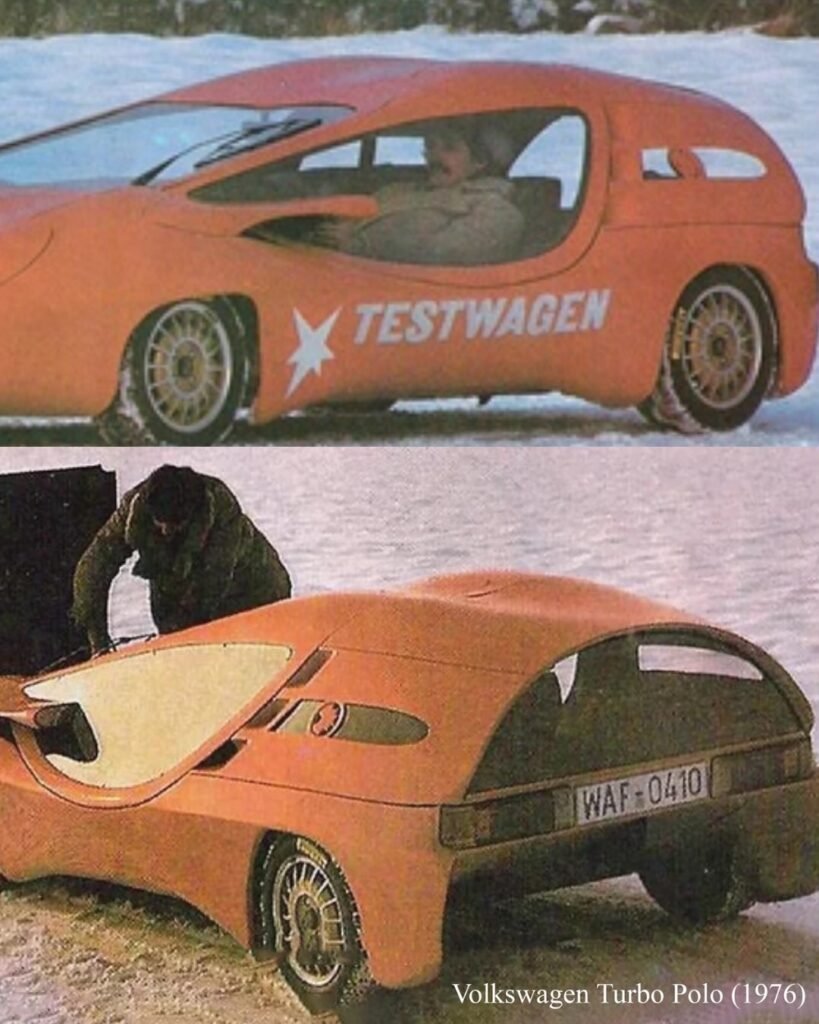
In the history of automotive design, few names represent imagination and innovation as strongly as Luigi Colani. Known for his futuristic creations and extreme aerodynamic concepts, Colani was a designer who looked decades ahead of the automotive industry.
While many people considered his designs too unusual or unrealistic, Colani saw cars as more than machines. For him, a vehicle was a piece of moving art — a perfect combination of technology, nature, and aerodynamics.
A Visionary Who Challenged Automotive Tradition
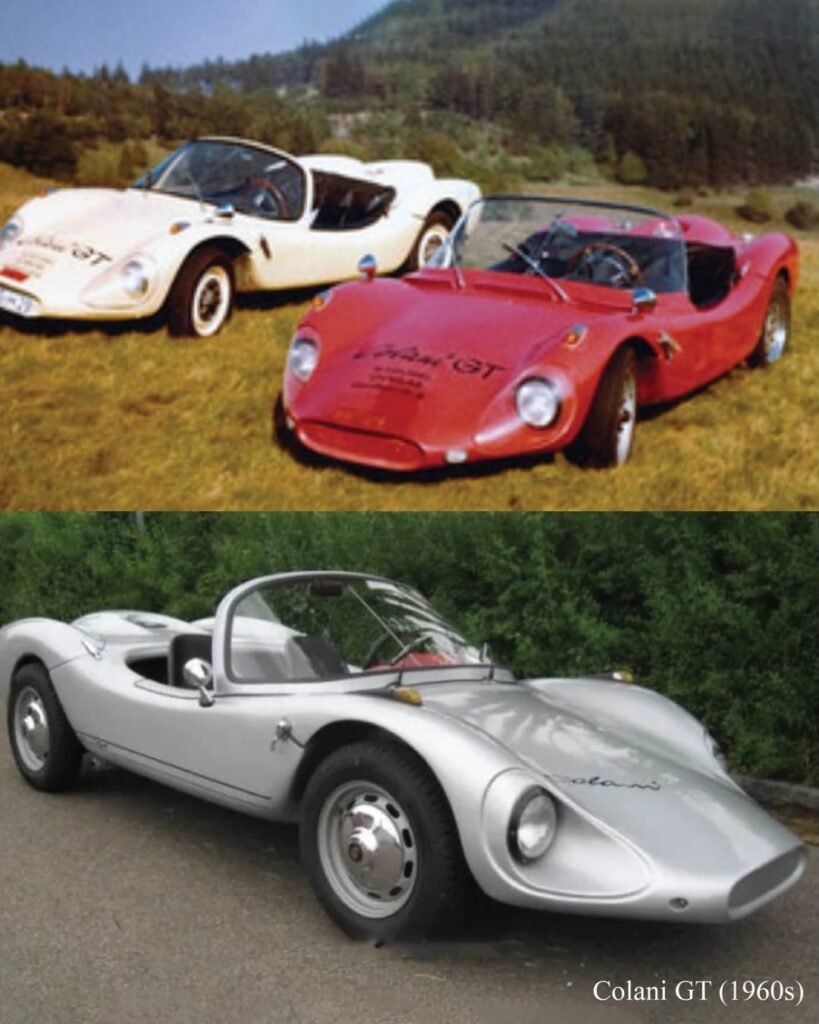
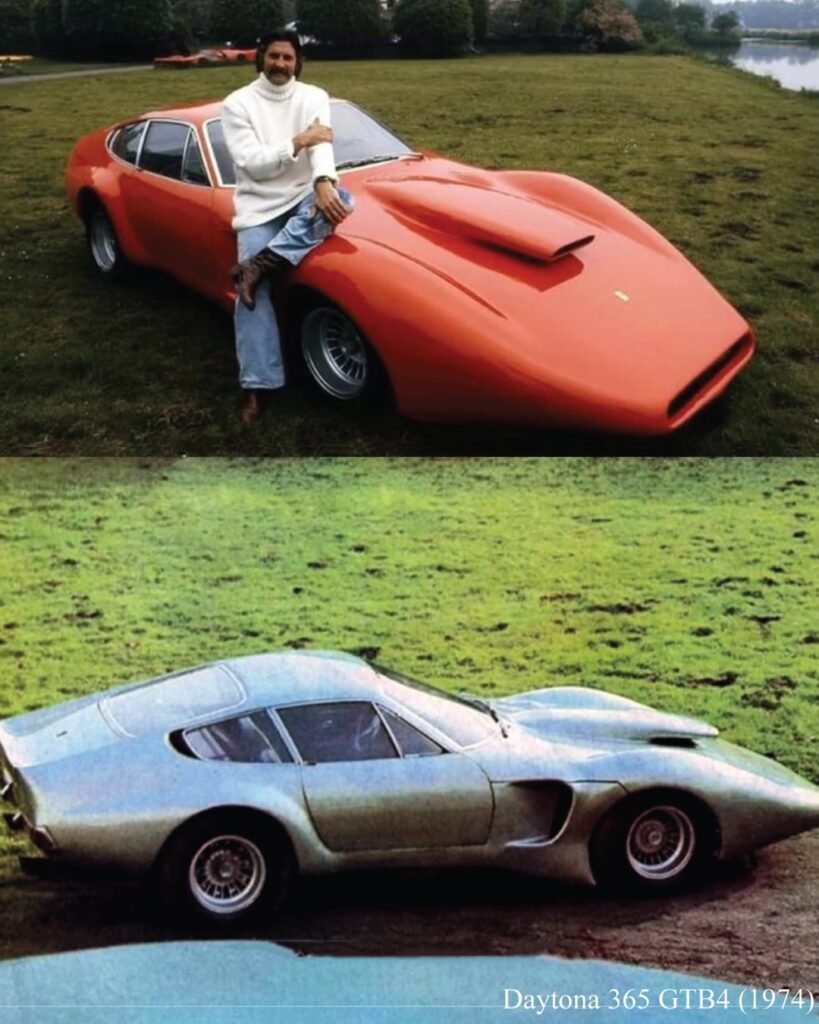
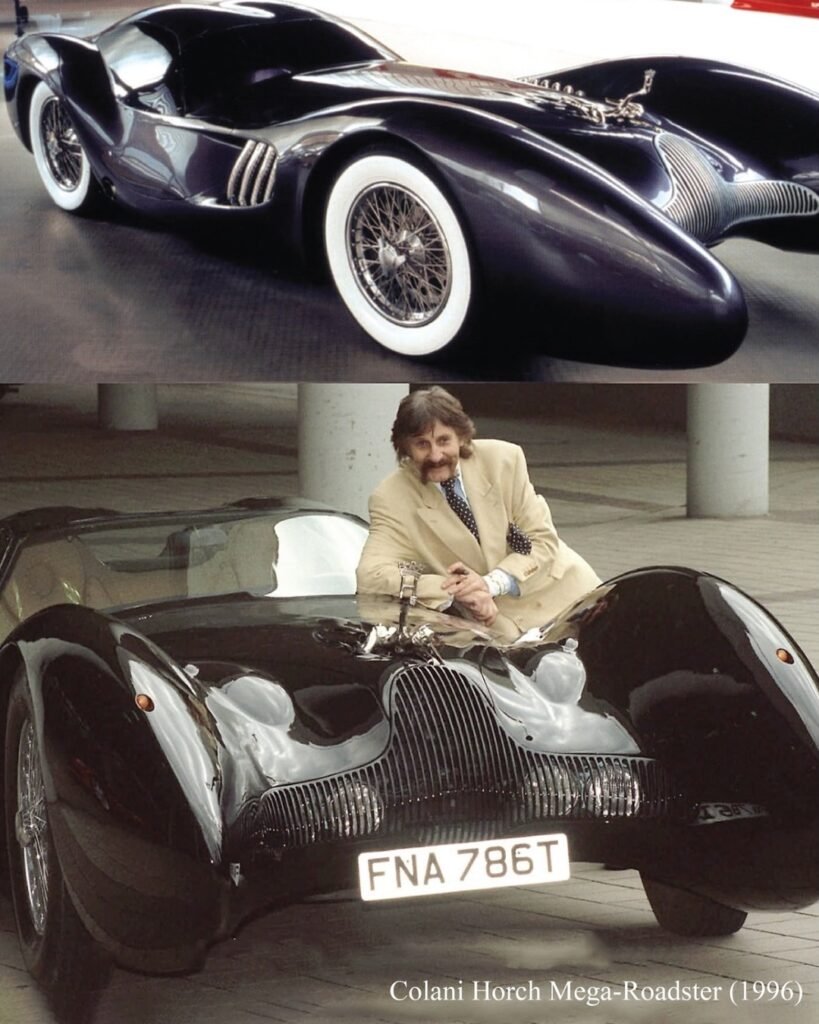
Born in Berlin on August 2, 1928, Luigi Colani developed a unique approach to design by combining engineering, sculpture, and aerodynamics. Unlike traditional car designers of the 1950s and 1970s, who focused on sharp lines and practical shapes, Colani created vehicles inspired by organic forms found in nature.
His design philosophy, known as “bio-design,” focused on smooth curves, natural shapes, and maximum aerodynamic efficiency.
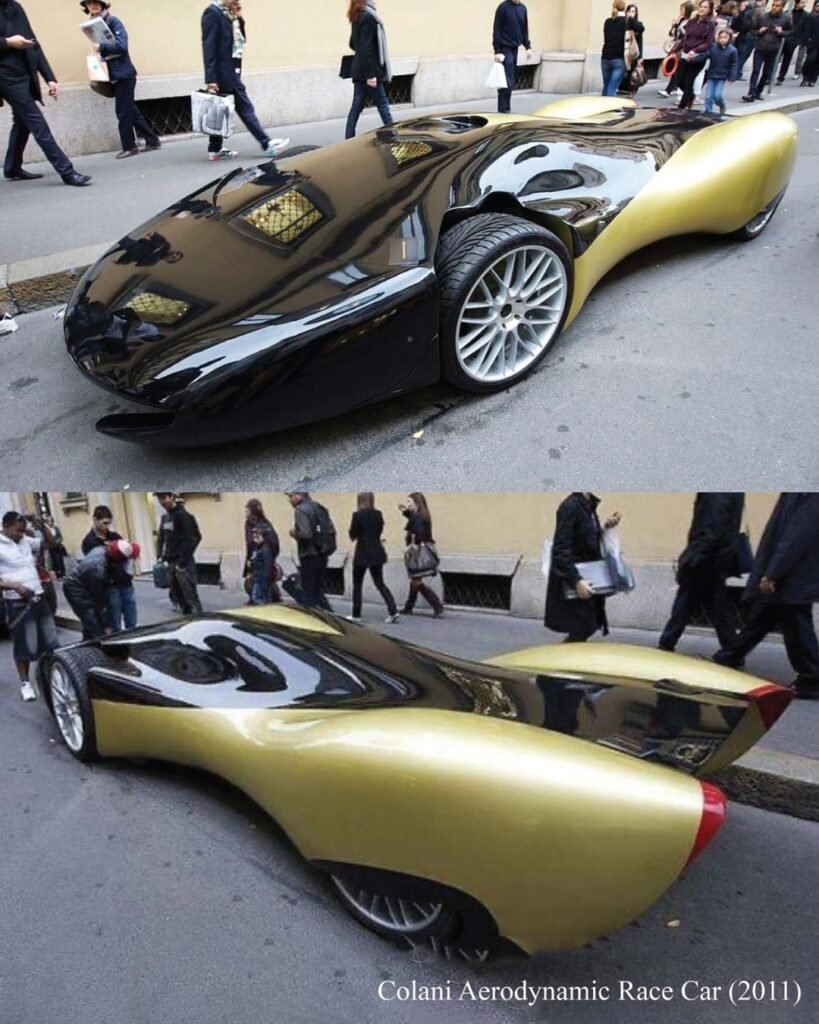
Many of his concepts featured:
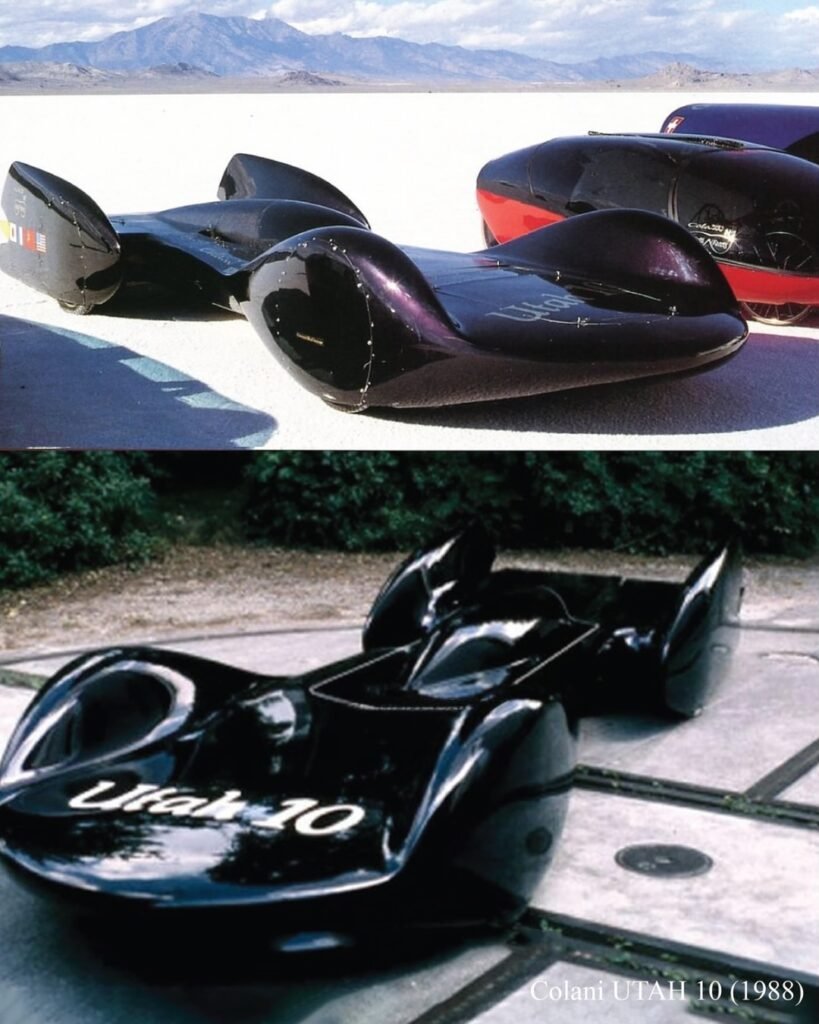
- Fully enclosed wheels
- Bubble-shaped cabins
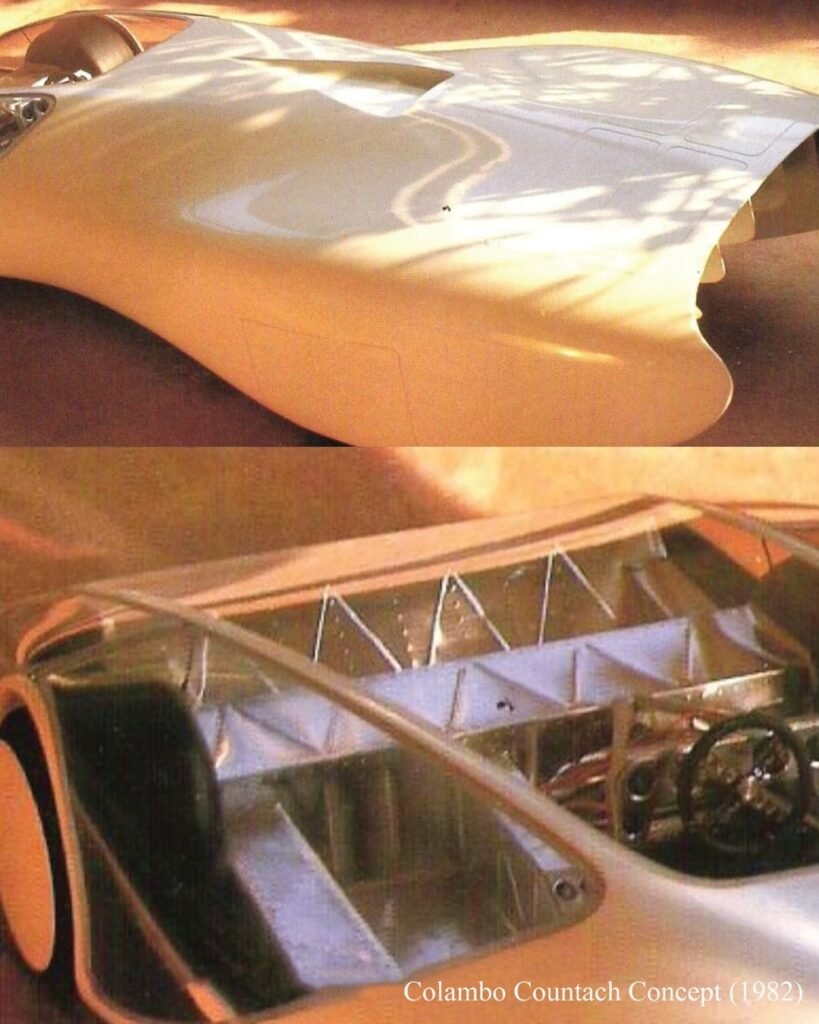
- Aircraft-inspired cockpits
- Extremely smooth body surfaces
- Radical aerodynamic solutions
At a time when most vehicles were still dominated by boxy shapes, Colani’s creations looked like machines from another planet.
Colani C-Form: A Futuristic Take on the Porsche 911
One of Luigi Colani’s most famous automotive projects was the Colani C-Form, an extreme reinterpretation of the Porsche 911.
Instead of following Porsche’s traditional design language, Colani transformed the iconic sports car into a futuristic aerodynamic machine.
The concept featured:
- A completely redesigned body shape
- Covered wheels to reduce drag
- A low and streamlined profile
- A design inspired by aircraft technology
Although it was never intended for mass production, the C-Form demonstrated ideas about aerodynamics that would later influence modern vehicle development.
Colani Stinger: A Sports Car From the Future
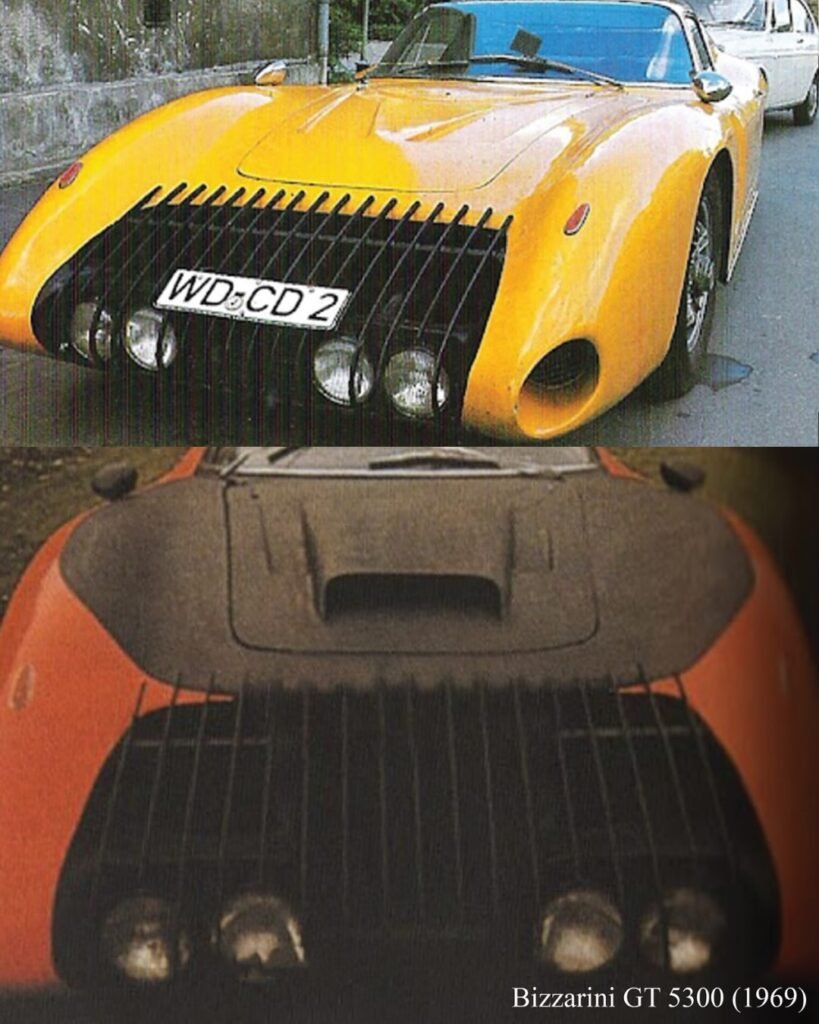
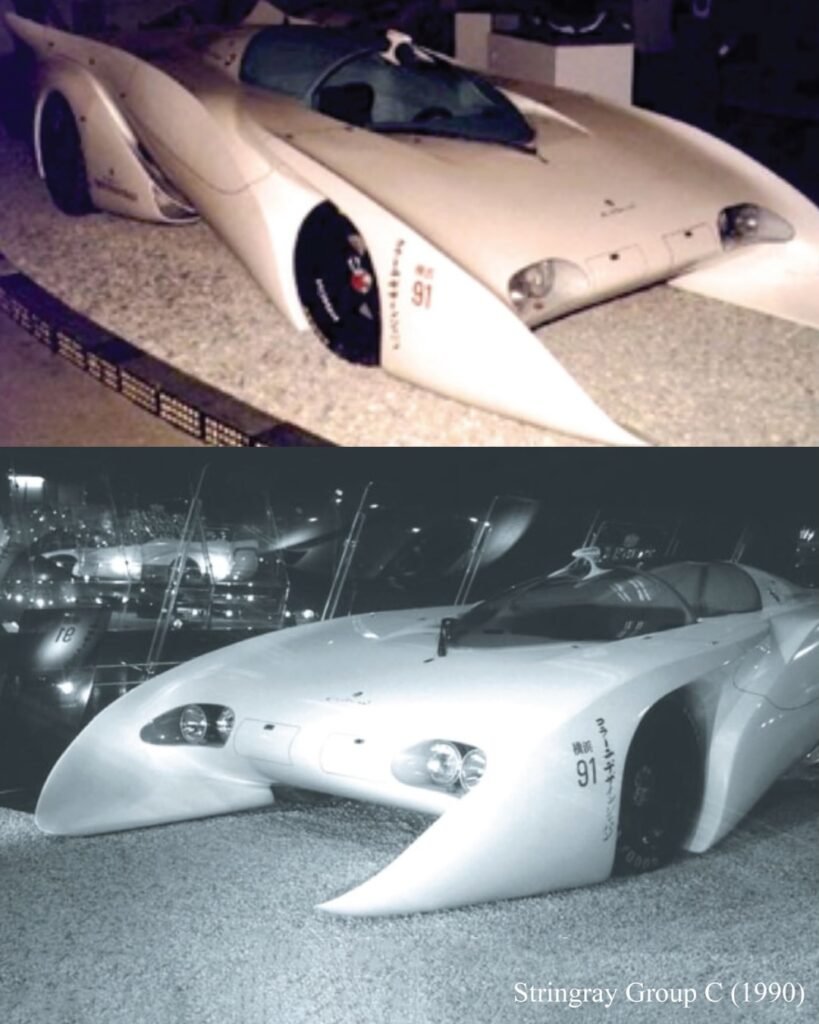
During the 1960s, Colani introduced the Colani Stinger, a radical sports car concept that looked far ahead of its era.
With its extremely low body, futuristic cockpit, and racing-inspired appearance, the Stinger looked more like a prototype from the 21st century than a vehicle from the 1960s.
It represented Colani’s belief that the future of performance cars should focus not only on engine power but also on aerodynamic efficiency.
The Colani Corvette: An Alien Interpretation of an American Icon
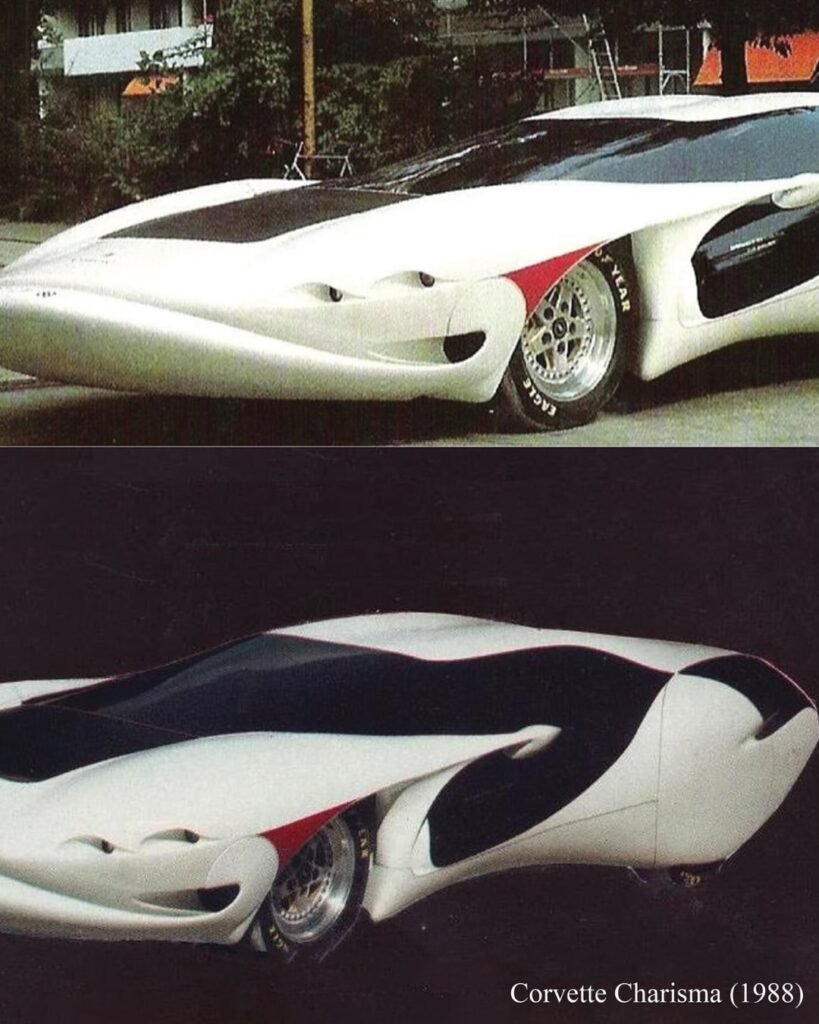
Colani also created his own vision of the Chevrolet Corvette.
Instead of keeping the traditional muscular appearance of the Corvette, he transformed it into a futuristic machine with smooth curves and aircraft-like styling.
The result was a vehicle that looked completely different from typical American sports cars of its generation.
Beyond Sports Cars: Reinventing Trucks
Colani’s imagination was not limited to performance cars. He also designed futuristic commercial vehicles, including highly aerodynamic trucks.
His truck concepts featured:
- Rounded cabins
- Reduced aerodynamic resistance
- Improved fuel efficiency
- A futuristic approach to transportation design
Although many of these ideas were considered too extreme at the time, modern electric vehicles and efficiency-focused designs now share some of the same principles.
Too Early for the Automotive World
The biggest challenge for Luigi Colani was not a lack of creativity — it was timing.
The automotive industry had to consider:
- Production costs
- Safety regulations
- Customer expectations
- Manufacturing limitations
Colani, however, was focused on what cars could become in the future.
Many of his concepts were impossible to produce with the technology available during his lifetime, but they pushed designers to think differently.
The Legacy of Luigi Colani
Luigi Colani passed away on September 16, 2019, but his influence remains visible in modern automotive design.
Today’s vehicles, especially electric and concept cars, often reflect ideas that Colani explored decades earlier:
- Extreme aerodynamic efficiency
- Smooth organic shapes
- Futuristic interiors
- Human-centered vehicle design
Luigi Colani was not simply a car designer. He was a visionary artist who used automobiles as a canvas to imagine the future.
He was a designer who arrived too early — a man whose ideas were too wild for his time, but perhaps exactly right for the future.

Adhe is part of the 88 Eight Box Editorial Team, covering JDM culture, motorsport, automotive technology, and industry news. The team focuses on delivering original automotive stories, reviews, and insights for enthusiasts worldwide.