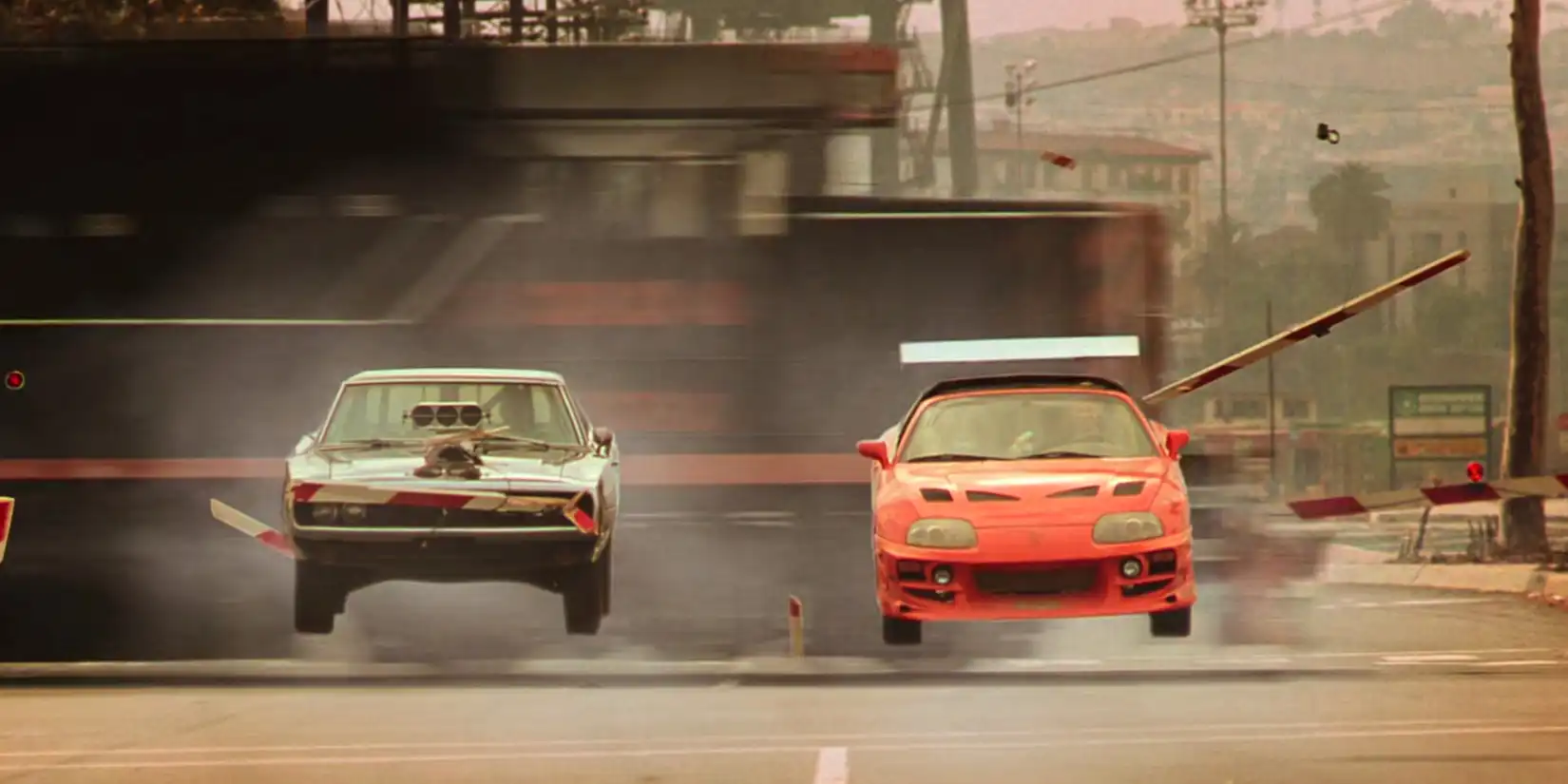
Before becoming a global action franchise filled with exotic supercars, impossible stunts, and high-speed missions, Fast & Furious started with a much simpler story: street racing, friendship, and a passion for modified cars.
The first three movies in the franchise — The Fast and the Furious (2001), 2 Fast 2 Furious (2003), and The Fast and the Furious: Tokyo Drift (2006) — played a major role in introducing JDM (Japanese Domestic Market) culture to millions of people around the world.
The cars featured in these movies were not just movie props. They became automotive icons, inspiring a new generation of car enthusiasts and turning several Japanese performance cars into global legends.
Toyota Supra MK4: Brian O’Conner’s Legendary “10-Second Car”
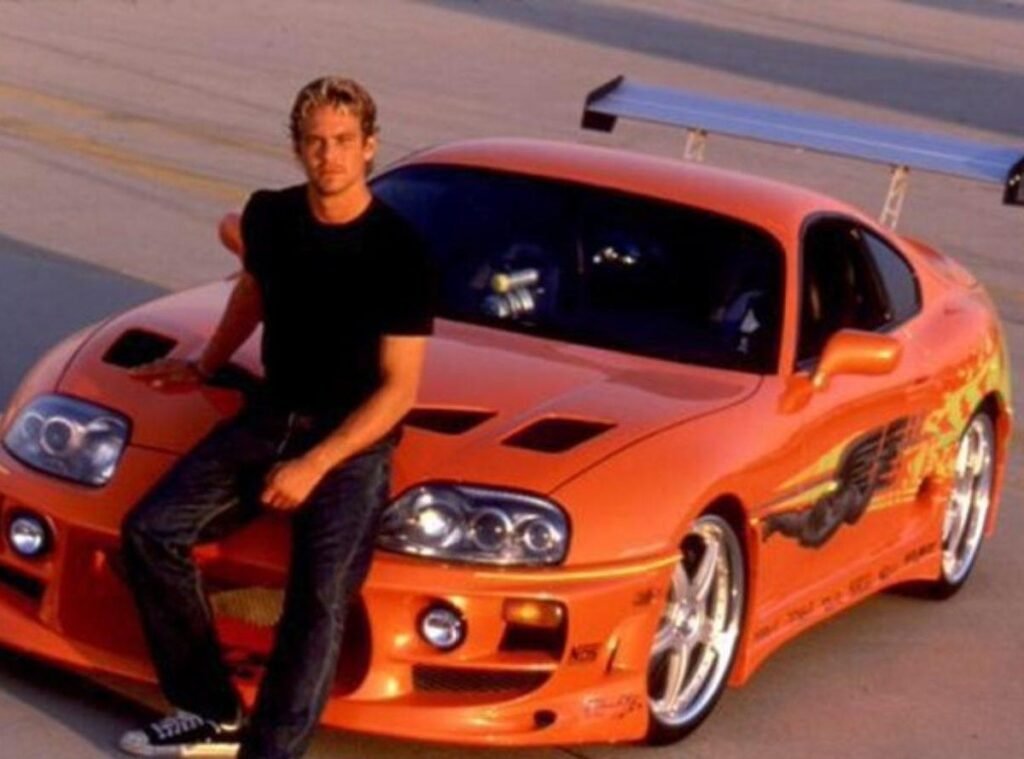
Few cars are as closely associated with Fast & Furious as the iconic orange Toyota Supra MK4 driven by Brian O’Conner.
The car became one of the most recognizable vehicles in automotive movie history after appearing in the first film.
Under the hood, the Supra MK4 was powered by the legendary 2JZ-GTE 3.0-liter twin-turbo engine, a powerplant famous for its incredible tuning potential and ability to handle massive horsepower upgrades.
In the movie, Brian and Dominic Toretto rebuilt the Supra into a machine capable of competing in a “10-second” quarter-mile race.
The success of Fast & Furious helped transform the Supra MK4 into a worldwide icon, with collectors and enthusiasts considering it one of the greatest Japanese performance cars ever produced.
Dodge Charger R/T 1970: Dominic Toretto’s Muscle Car Legend
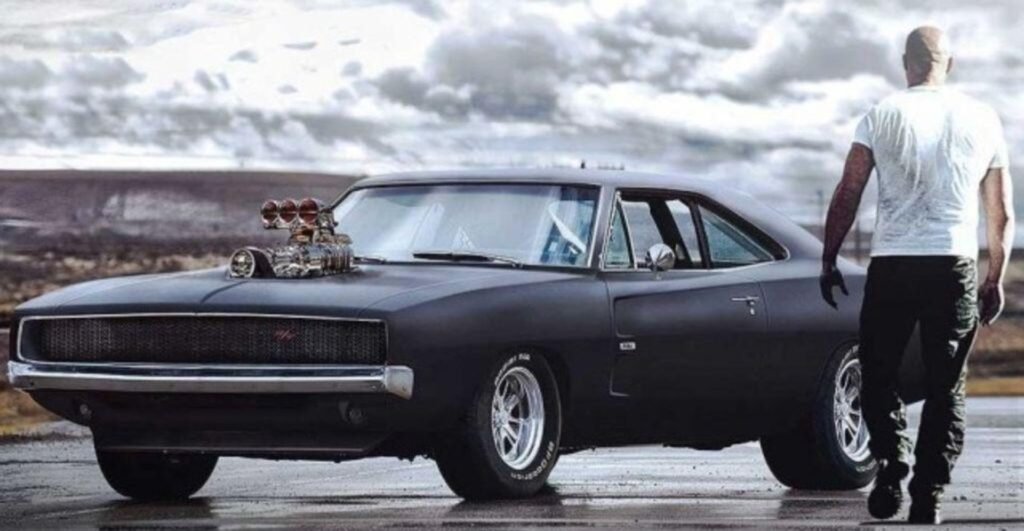
While the Supra represented Japanese tuning culture, the Dodge Charger R/T 1970 represented the raw power of American muscle cars.
Driven by Dominic Toretto, the black Charger featured a classic aggressive design and the character of a traditional V8-powered muscle machine.
The final race between Dom’s Charger and Brian’s Supra became one of the most memorable scenes in automotive movie history.
For Dom, the Charger was more than just a fast car. It represented family, loyalty, and his connection to his father’s racing legacy.
Mitsubishi Eclipse: The Beginning of the Tuner Era
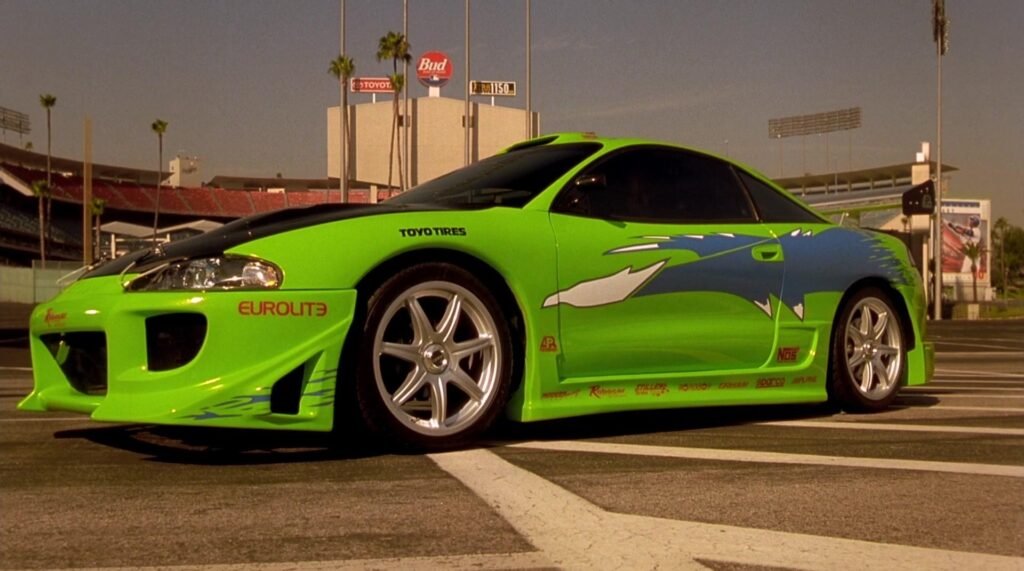
Another unforgettable car from the first movie was the green Mitsubishi Eclipse GSX driven by Brian O’Conner.
The Eclipse represented the early 2000s tuner scene, an era when enthusiasts began heavily modifying Japanese cars with body kits, custom wheels, graphics, upgraded engines, and performance parts.
Although the car was not as powerful as some of the other vehicles in the movie, it perfectly captured the style and creativity of the street racing culture at the time.
2 Fast 2 Furious and the Rise of the Nissan Skyline GT-R R34
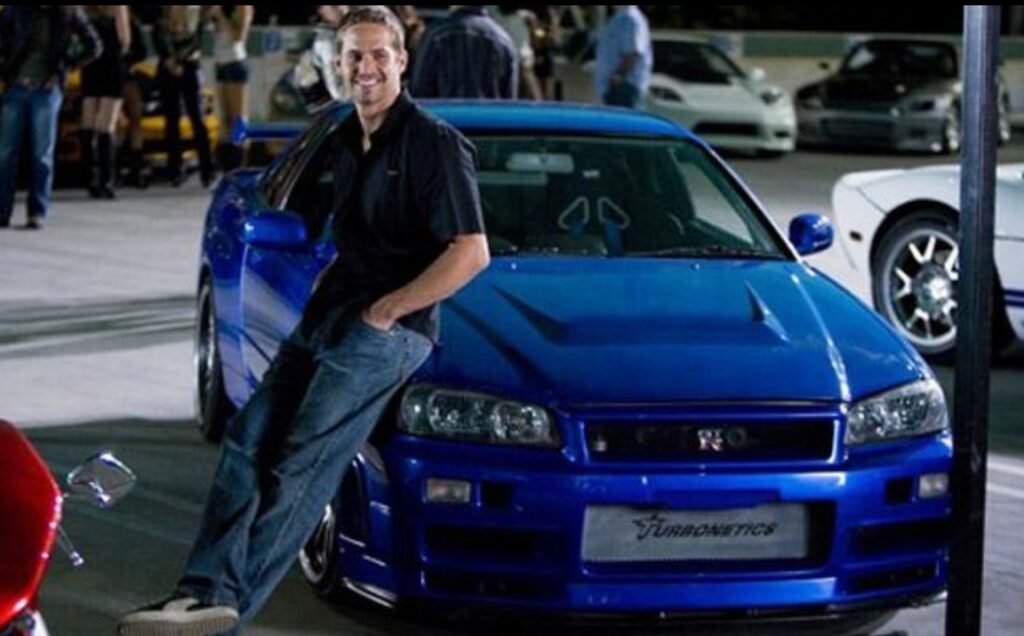
The second movie introduced one of the most legendary Japanese performance cars ever created: the Nissan Skyline GT-R R34.
Brian O’Conner’s blue Skyline became a dream car for millions of fans worldwide.
The R34 was powered by the famous RB26DETT 2.6-liter twin-turbo engine and featured Nissan’s advanced ATTESA E-TS all-wheel-drive system.
Before appearing in Fast & Furious, the Skyline GT-R already had a strong reputation in Japan. However, the movie turned it into a global automotive icon.
Honda S2000 and Mitsubishi Lancer Evolution: More JDM Icons
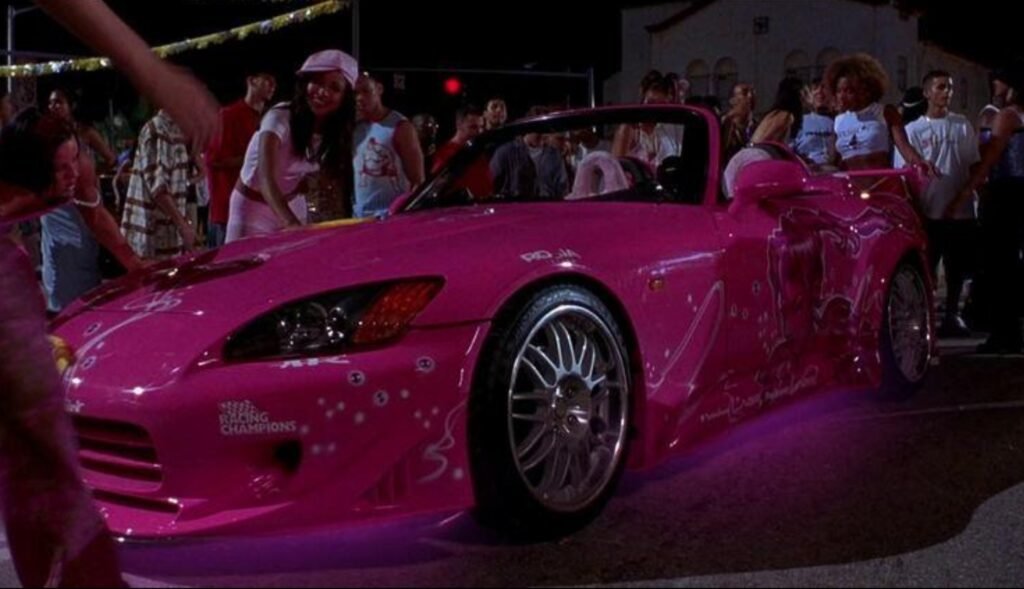
Besides the Skyline, 2 Fast 2 Furious also featured several other famous Japanese performance cars, including Suki’s Honda S2000 and the Mitsubishi Lancer Evolution VII.
The Honda S2000 became famous for its high-revving F20C VTEC engine, lightweight chassis, and excellent handling.
Meanwhile, the Lancer Evolution brought rally-inspired technology to the street with its turbocharged engine and advanced all-wheel-drive system.
Both cars showed that performance was not only about horsepower, but also about balance, technology, and driving experience.
Tokyo Drift: When the World Discovered Japanese Drift Culture
The third movie, The Fast and the Furious: Tokyo Drift, took the franchise in a new direction by introducing audiences to Japanese drifting culture.
The film helped popularize drifting worldwide and introduced legendary cars such as the Mazda RX-7, Nissan Silvia, and Mitsubishi Evolution to a broader audience.
Mazda RX-7 Veilside: Han’s Iconic Drift Machine
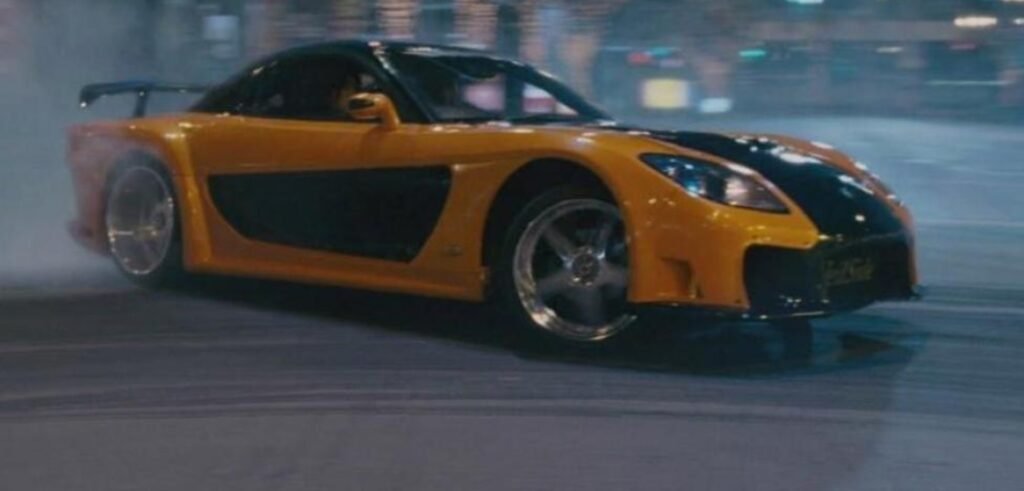
One of the most memorable cars from Tokyo Drift was Han Seoul-Oh’s Mazda RX-7 FD equipped with a Veilside body kit.
With its aggressive design, orange-and-black paint scheme, and rotary engine, the RX-7 became one of the most recognizable movie cars ever created.
The car proved that style, personality, and character could make a vehicle legendary — not just raw performance numbers.
Nissan Silvia S15 and Mitsubishi Evolution IX
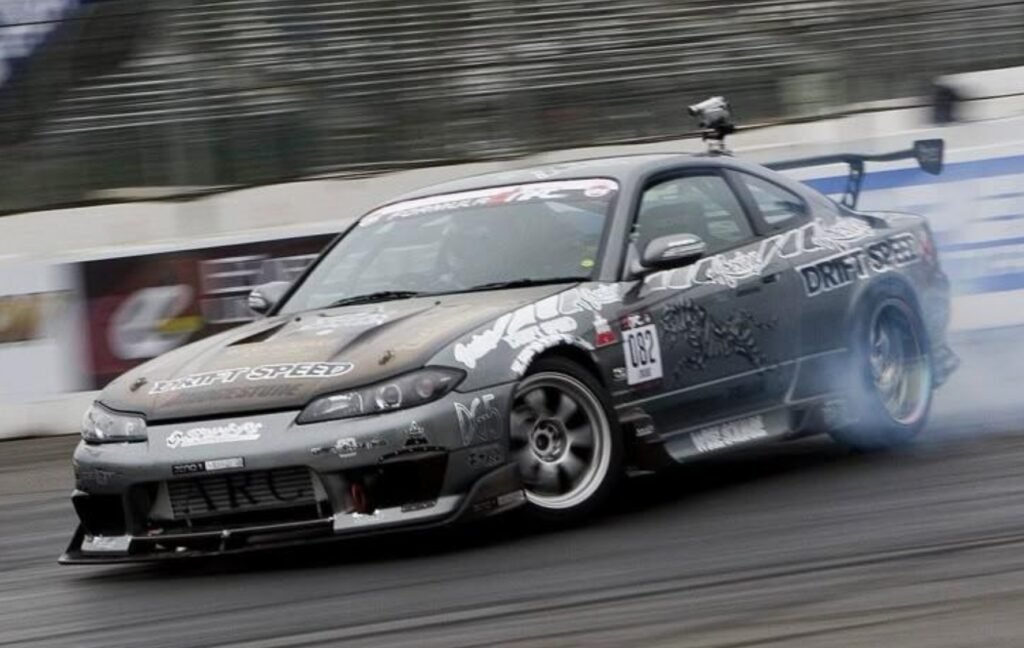
In Tokyo Drift, the Nissan Silvia S15 played an important role in Sean Boswell’s journey into the world of drifting.
Powered by the SR20DET engine and featuring rear-wheel drive, the Silvia S15 became one of the most popular drift platforms among enthusiasts.
Later in the movie, Sean drove a Mitsubishi Lancer Evolution IX, combining Mitsubishi’s rally technology with the world of Japanese drifting.
Fast & Furious 1–3 Changed Car Culture Forever
The first three Fast & Furious movies had a massive impact on the automotive world.
They transformed cars such as:
- Toyota Supra MK4
- Nissan Skyline GT-R R34
- Mazda RX-7 FD
- Honda S2000
- Mitsubishi Evolution
into global automotive legends.
More than just racing movies, Fast & Furious became a cultural phenomenon that introduced millions of people to car modification, JDM culture, and the passion behind automotive communities.
Even today, the cars from the early Fast & Furious era remain symbols of a time when creativity, personality, and passion could turn ordinary vehicles into unforgettable legends.
Tags:
Fast and Furious, Toyota Supra MK4, Nissan Skyline GT-R R34, Mazda RX-7, JDM Culture, Paul Walker, Brian O’Conner, Dominic Toretto, Tokyo Drift, Tuning Culture, Street Racing, Car Culture

Adhe is part of the 88 Eight Box Editorial Team, covering JDM culture, motorsport, automotive technology, and industry news. The team focuses on delivering original automotive stories, reviews, and insights for enthusiasts worldwide.