Formula 1 has always been defined by speed, technology, and intense competition on the circuit. However, in recent years, a major transformation has taken place away from the racetrack: the F1 paddock has evolved into a global fashion stage.
For decades, drivers arriving at the paddock were usually seen wearing team uniforms, sponsor polos, or simple casual outfits. Today, their arrival has become one of the most anticipated moments of a race weekend, with photographers, fans, and fashion media closely following their style choices.
The modern F1 paddock now carries the atmosphere of an exclusive fashion event, where drivers showcase their personalities through clothing, accessories, and personal style.
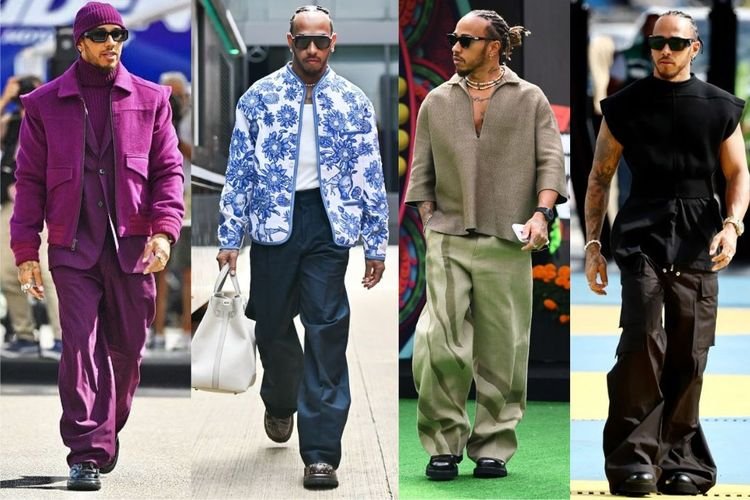
Lewis Hamilton: The Driver Who Changed F1 Fashion
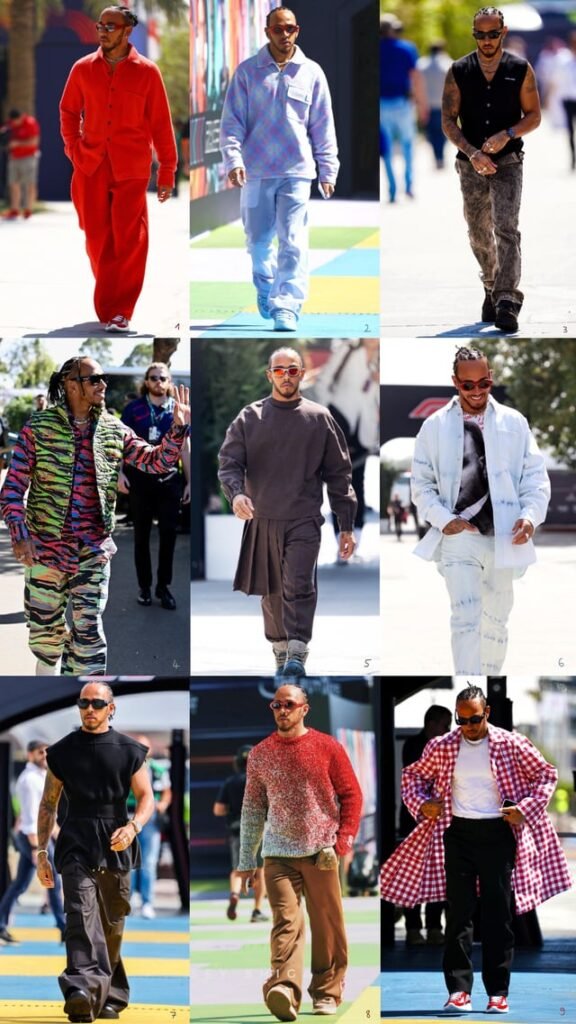
The biggest name behind this fashion revolution is undoubtedly Lewis Hamilton.
The seven-time world champion transformed the paddock into a platform for self-expression. Hamilton became known for his bold fashion choices, including designer outfits, oversized streetwear, luxury accessories, and unique combinations that challenged traditional motorsport culture.
For Hamilton, fashion is more than just appearance. It represents creativity, identity, culture, and personal expression. His influence helped change the perception that Formula 1 drivers only needed to be recognized by their helmets, racing suits, and results on the track.
A New Generation With Their Own Style
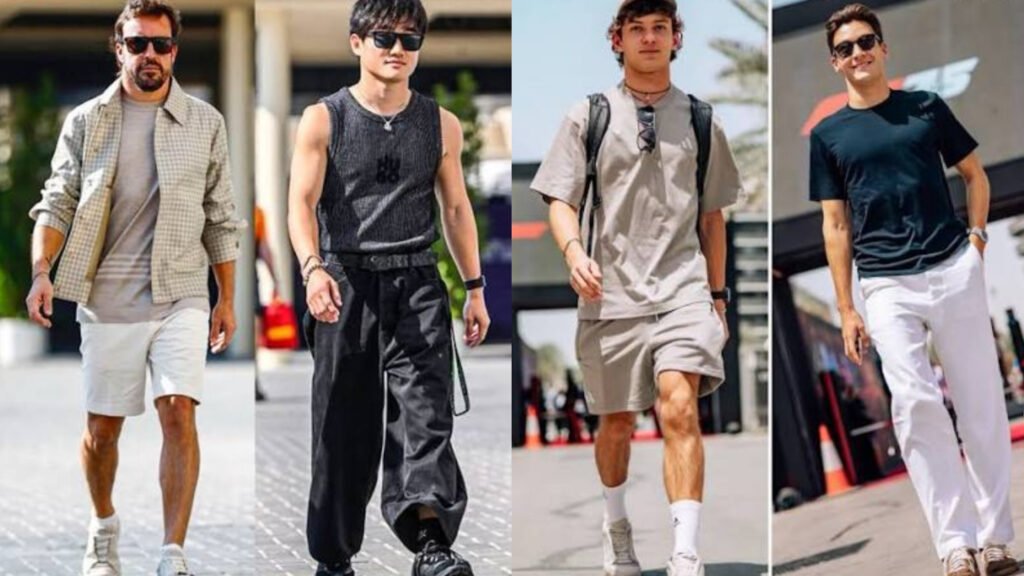
The younger generation of F1 drivers has embraced this new culture in different ways.
Charles Leclerc often represents a refined European style, combining classic elegance with modern fashion. Meanwhile, George Russell is known for a clean, sophisticated, and minimalist appearance.
Drivers such as Lando Norris and Oscar Piastri represent the younger generation, bringing influences from streetwear culture and modern lifestyle trends.
Their personalities outside the cockpit have become just as important as their performances during races.
Monaco, Miami, and Las Vegas: Where F1 Meets Fashion
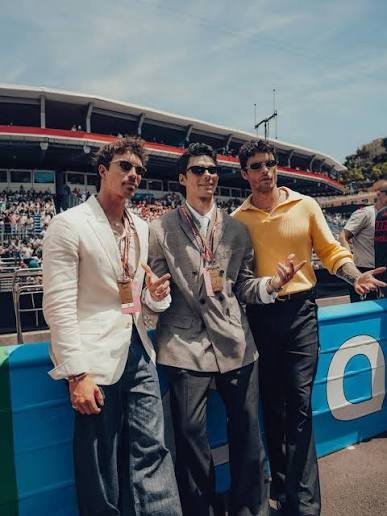
Some Formula 1 races have become more than just sporting events. The Monaco Grand Prix, Miami Grand Prix, and Las Vegas Grand Prix have developed into global lifestyle events where motorsport meets entertainment, celebrities, and fashion.
The paddock is no longer only filled with engineers, mechanics, and team personnel. It has become a meeting place for actors, musicians, influencers, and fashion figures from around the world.
The Impact of Drive to Survive and Social Media
The success of Netflix’s Formula 1: Drive to Survive has played a major role in expanding F1’s audience.
Formula 1 is no longer followed only by traditional motorsport fans. A younger generation has become interested in drivers’ personalities, lifestyles, friendships, and fashion choices.
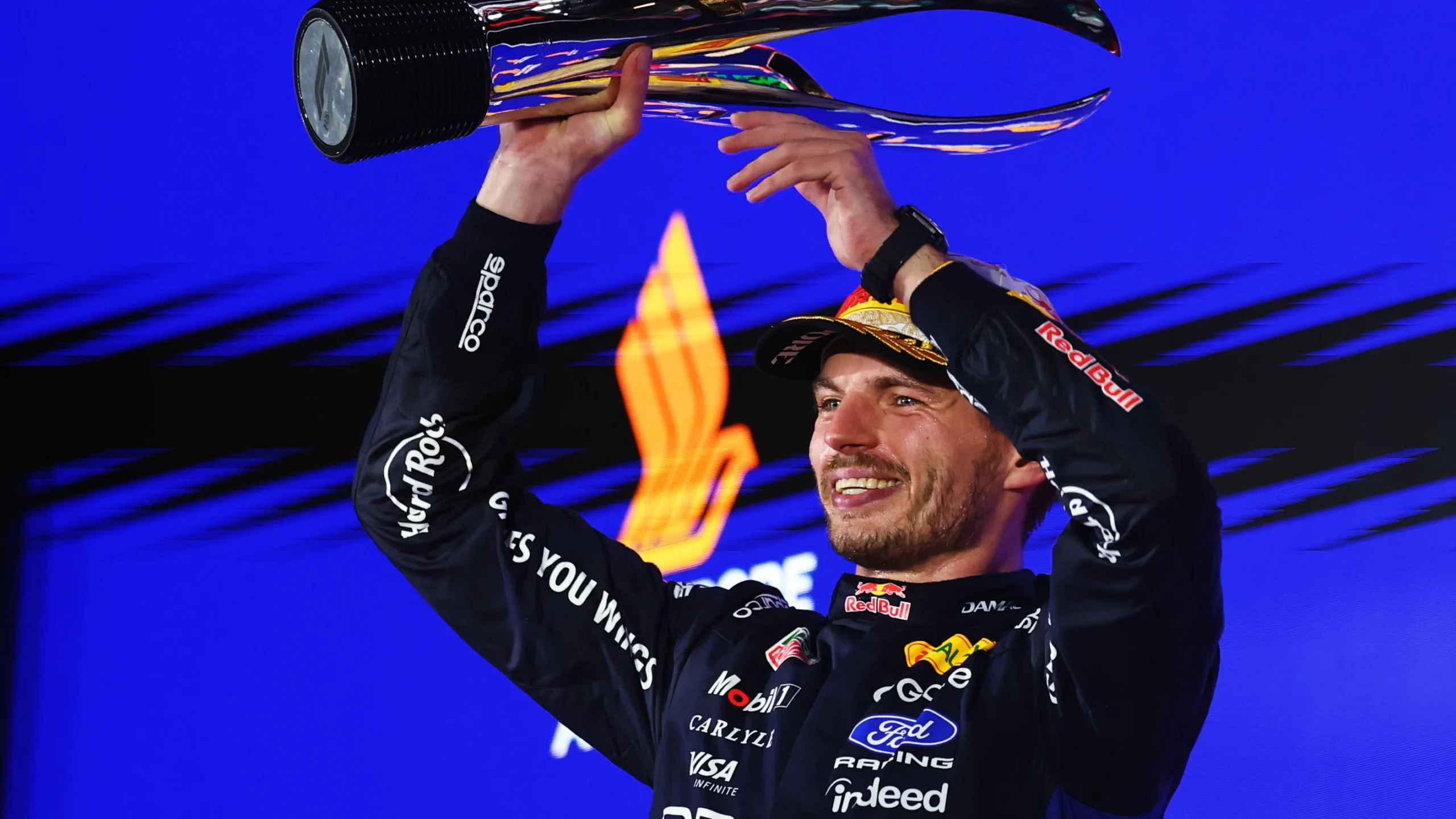
Today, a driver’s market value is influenced not only by racing ability but also by personality, social media presence, and connection with global brands.
The F1 Paddock: Between Racing and the Catwalk
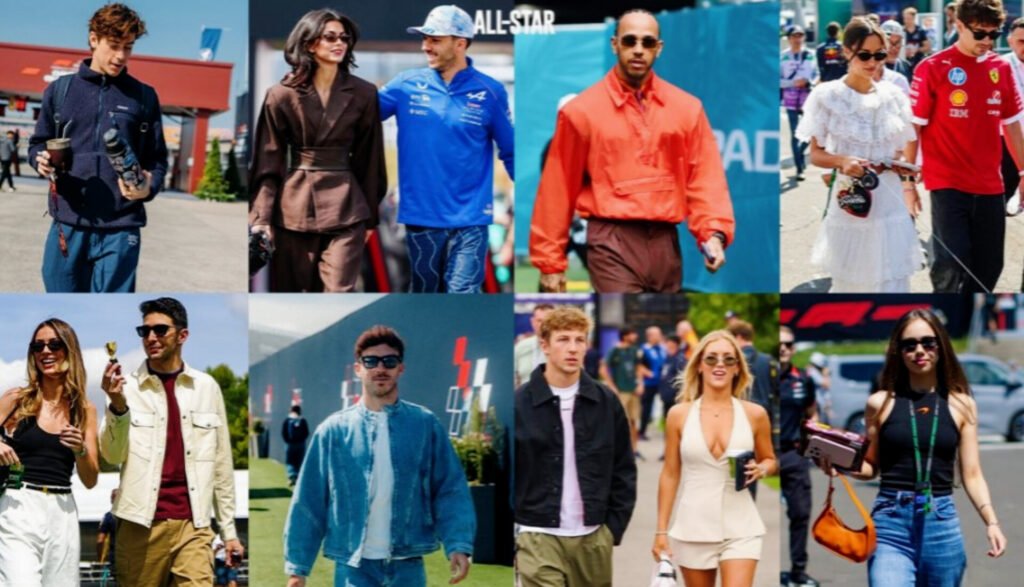
The transformation has created different opinions among fans. Some believe Formula 1 should remain focused purely on engineering and competition, while others see fashion as a natural evolution of modern sports culture.
Formula 1 today is no longer just about horsepower, lap times, and championship battles. It is also about storytelling, personality, lifestyle, and global influence.
In the modern era, an F1 driver must be fast on the track — but they also understand the importance of making an impression before the race begins.
The F1 paddock is no longer just a place where drivers prepare to race. It has become one of the most exclusive fashion runways in the world of sports.

Adhe is part of the 88 Eight Box Editorial Team, covering JDM culture, motorsport, automotive technology, and industry news. The team focuses on delivering original automotive stories, reviews, and insights for enthusiasts worldwide.