
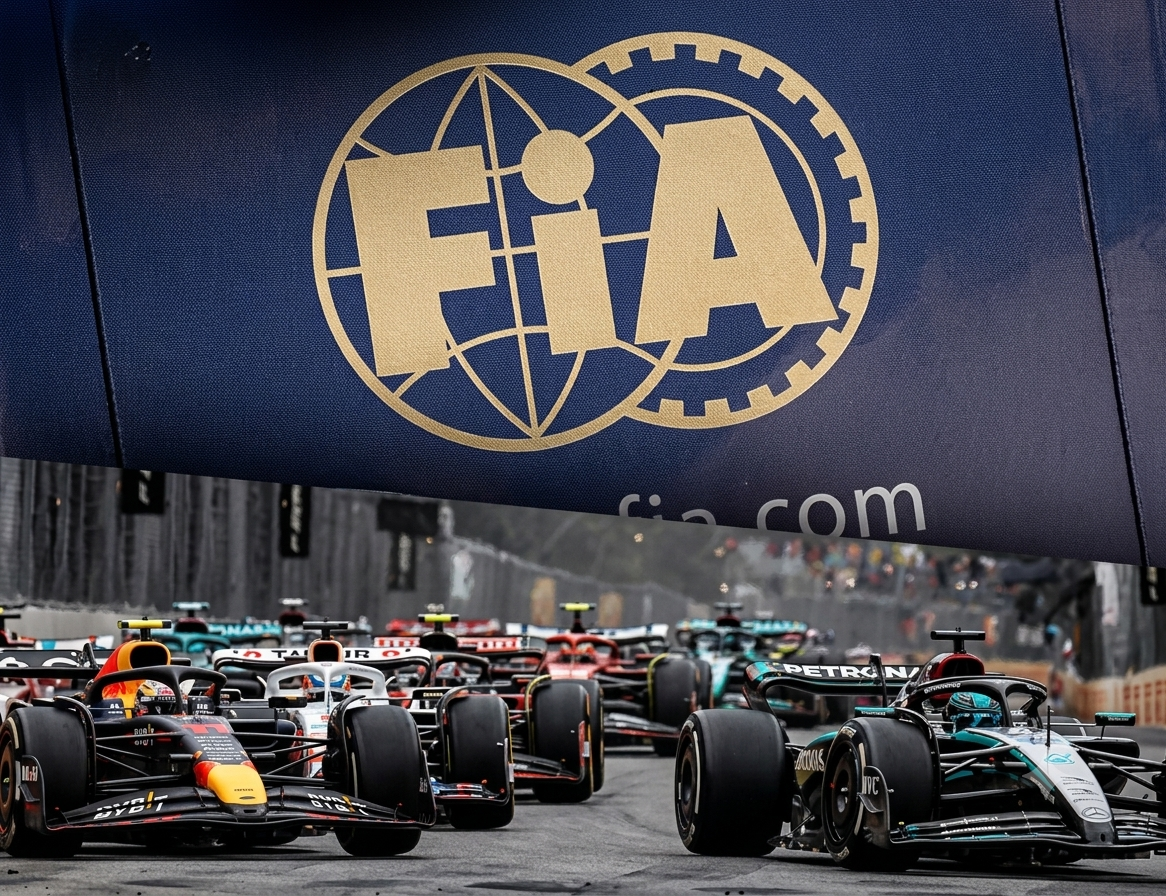
For decades, Formula 1 has been known as a sport where financial power often determines success. Teams with the biggest budgets usually have the greatest chance of winning because they can hire the best engineers, build the most advanced facilities, and develop their cars more aggressively throughout the season.
To reduce this gap, the FIA introduced the Formula 1 Cost Cap. The goal was simple: limit team spending and create a more balanced competitive environment.
However, after several seasons under the new system, one major question remains. If the Cost Cap has truly made Formula 1 fairer, why do the traditional powerhouse teams continue to dominate? Has the rule actually changed the competitive landscape, or has it simply changed how the biggest teams maintain their advantage?
Before the Cost Cap: When Money Controlled Formula 1
Before the introduction of the Cost Cap, Formula 1 was often considered a financial arms race.
Teams such as Mercedes-AMG Petronas Formula One Team, Scuderia Ferrari, and Oracle Red Bull Racing were capable of spending hundreds of millions of dollars every season.
Before budget restrictions were introduced, estimates suggested that top teams could spend around $400 million to $500 million per year. With that level of financial power, they could employ thousands of staff members, operate advanced research facilities, use sophisticated simulators, and introduce constant upgrades throughout the season.
Meanwhile, smaller teams often operated with much lower budgets, sometimes around $120 million to $200 million per season.
This huge financial difference created an uneven playing field. Some teams struggled to survive, while others were forced to sell or leave Formula 1 because they could not keep up with the rising costs of development.
The FIA recognized that without major changes, Formula 1 risked becoming a championship where only the richest teams could compete.
How Does the F1 Cost Cap Work?
Starting in the 2021 season, the FIA officially introduced a spending limit for all Formula 1 teams.
The initial cap was set at around $145 million per season, later reduced to approximately $140 million, with further adjustments bringing it closer to $135 million per year.
However, the Cost Cap does not cover every single expense a team has.
Certain costs are excluded, including:
- Driver salaries.
- Salaries of some senior executives.
- Marketing and promotional activities.
- Several other specific expenses.
The main focus of the Cost Cap is controlling spending directly related to car performance, including:
- Research and development.
- Manufacturing components.
- Testing and technical development.
- Trackside operations during the season.
Every team must submit detailed financial reports to the FIA, which then conducts audits to ensure compliance.
If a team exceeds the spending limit, the FIA can impose penalties ranging from financial fines and reduced aerodynamic testing time to championship points deductions or more severe sporting punishments for serious violations.
The idea behind the system is to prevent teams from simply buying success by spending unlimited amounts of money.
The Positive Impact of the Cost Cap
There is no doubt that the Cost Cap has brought several important changes to Formula 1.
1. Healthier Team Finances
One of the biggest achievements of the Cost Cap is improved financial stability.
Teams that previously struggled with losses now have a more sustainable business model. The value of Formula 1 teams has also increased significantly because investors see the sport as a more attractive and stable opportunity.
Owning an F1 team is no longer viewed as a business that is almost guaranteed to lose money.
2. Efficiency Has Become More Important
Before the Cost Cap, wealthy teams could spend enormous amounts of money to solve problems. If a component failed, they could simply design and manufacture a new version without worrying too much about the cost.
Today, every decision must be carefully calculated.
A mistake in development can consume valuable resources and limit future upgrades. Teams must now focus on producing maximum performance from every dollar they spend.
3. Smaller Teams Have Become More Competitive
Although the gap has not completely disappeared, the Formula 1 grid has become closer compared with previous eras.
Some midfield teams have been able to challenge the front runners and fight for podium positions under the right circumstances.
Strategy, efficiency, and smart development decisions have become just as important as financial power.
Why Do Big Teams Still Have an Advantage?
Despite its benefits, the Cost Cap has not completely removed the advantage of the biggest teams.
The reason is simple: the rule limits future spending, but it does not erase decades of progress that were built before the regulation existed.
Teams such as Ferrari, Mercedes, Red Bull, and McLaren already had:
- World-class facilities.
- Advanced simulators.
- Strong manufacturing systems.
- Years of technical data.
- Experienced engineering organizations.
These advantages cannot be created overnight simply by giving every team the same annual budget.
Human resources also play a major role. Teams with the best engineers, strongest management structures, and most efficient working methods can still achieve better results even with identical spending limits.
In Formula 1, the same amount of money does not always produce the same level of performance.
The Challenge of Monitoring and Rule Loopholes
Another criticism of the Cost Cap is the complexity of financial monitoring.
Formula 1 team finances are extremely complicated, making it difficult to guarantee that every expense is being controlled perfectly.
Although the FIA has introduced auditing systems, concerns remain about possible loopholes that teams could exploit.
Early Cost Cap controversies also increased debate about whether the current monitoring system is strong enough to completely prevent financial advantages.
So, Has the Cost Cap Worked?
The answer is not simply yes or no.
From a financial perspective, the Cost Cap can be considered a success. Formula 1 teams are now more stable, the risk of financial collapse has decreased, and the sport has become more attractive to investors.
However, if the goal was to create a completely equal competition, the results are still debatable.
The biggest teams continue to benefit from their history, technology, infrastructure, and experience built over many years.
Nevertheless, the Cost Cap has changed the way teams compete. Money alone can no longer solve every problem. Efficiency, strategy, and smart decision-making have become more important than ever.
Over time, the rule could help reduce the gap between the biggest teams and smaller competitors compared with the era when unlimited spending could dominate the championship.
The Future of the F1 Cost Cap
The biggest question now is not whether the Cost Cap is perfect, but whether it can continue to evolve.
Formula 1 fans do not only want to see the fastest cars. They want closer battles, unpredictable races, and championship fights that remain exciting until the final round.
Because at the heart of any great competition, success should not only come from having the most resources — but from using those resources better than anyone else.
The Cost Cap may not have made Formula 1 completely equal, but it has fundamentally changed how teams fight for success in the modern era.

Adhe is part of the 88 Eight Box Editorial Team, covering JDM culture, motorsport, automotive technology, and industry news. The team focuses on delivering original automotive stories, reviews, and insights for enthusiasts worldwide.