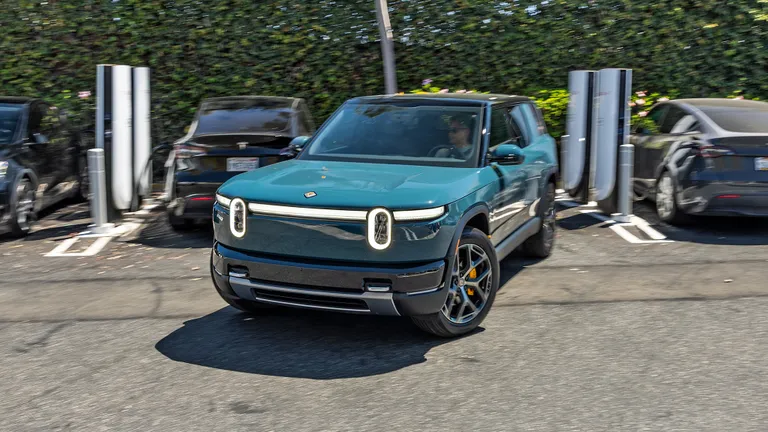
Rivian R2 Proves That Extreme Heat Is No Match for Modern EV Engineering
When most performance vehicles are pushed repeatedly in extreme temperatures, power output usually begins to drop. Battery temperatures rise, thermal systems struggle, and acceleration times can become slower after multiple hard launches.
However, the upcoming 2027 Rivian R2 Performance showed impressive consistency during acceleration testing—even when driven in triple-digit Fahrenheit temperatures. The compact electric SUV demonstrated that Rivian’s latest battery management and cooling technology can maintain strong performance under harsh conditions.
The R2 Performance is powered by Rivian’s dual-motor all-wheel-drive system, producing 656 horsepower and 609 lb-ft (826 Nm) of torque. Rivian claims a 0–60 mph (0–97 km/h) time of around 3.6 seconds, placing it firmly among the quickest electric SUVs in its class.
Heat Is the Real Enemy of EV Performance
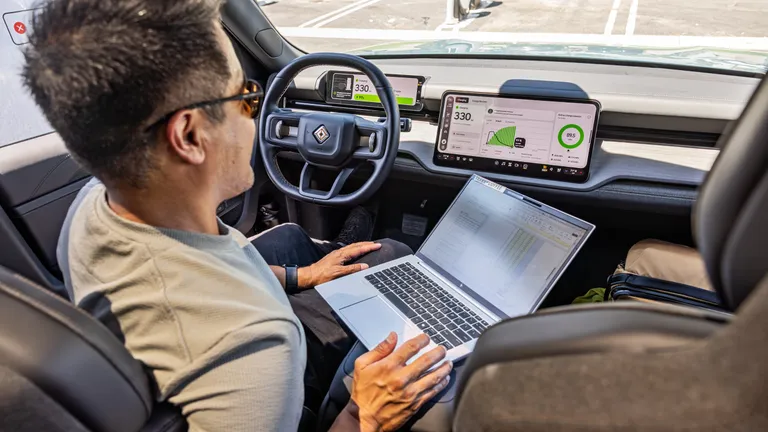
Unlike gasoline engines that rely on fuel combustion and traditional cooling systems, EVs depend heavily on maintaining battery and electric motor temperatures. During repeated acceleration runs, excessive heat can force the vehicle’s software to reduce power output to protect components.
This phenomenon, often called thermal throttling, has become one of the biggest challenges for high-performance EVs.
The Rivian R2 uses a liquid-cooled battery pack and advanced thermal management systems designed to keep temperatures under control during demanding driving. The result is more stable acceleration performance, even when conditions are far from ideal.
Acceleration That Doesn’t Fade Away
During testing, the R2 continued delivering strong launches instead of showing significant performance degradation after repeated acceleration runs. The SUV’s electric motors were able to provide immediate torque delivery, allowing the driver to experience the same instant acceleration expected from a premium EV.
Beyond initial launches, the R2 also impressed with its high-speed performance. Reviewers noted that its power delivery remains strong at highway speeds, with passing acceleration arriving quickly and smoothly.
Independent enthusiast testing has also shown the R2 Performance achieving acceleration figures close to its official estimates, with measured 0–60 mph times in the mid-3-second range depending on setup, tires, and conditions.
More Than Just a Fast SUV
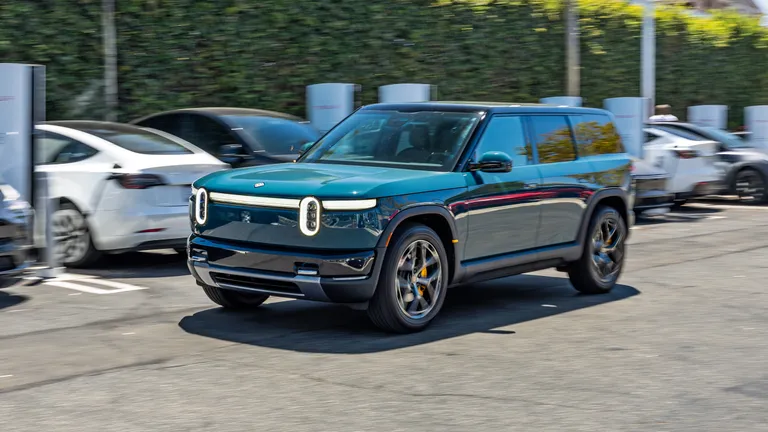
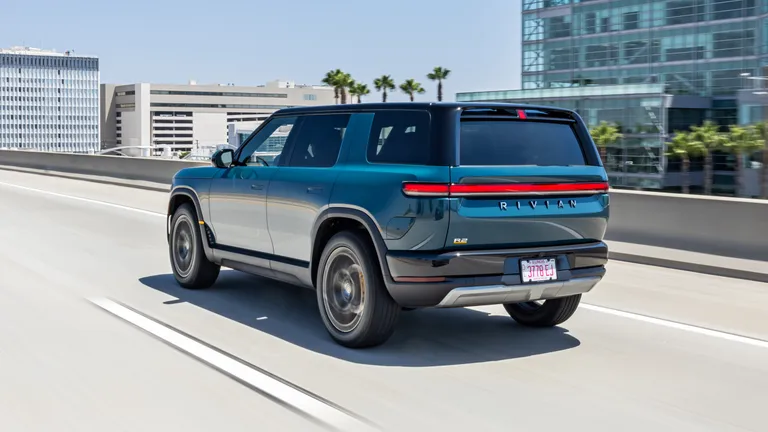
Although acceleration is one of the R2’s headline features, Rivian designed it as a versatile adventure vehicle rather than a pure performance machine.
The R2 combines its speed with:
- 88 kWh battery pack
- Up to around 330 miles (531 km) estimated range
- 9.6 inches of ground clearance
- Dual-motor AWD capability
- Up to 4,400 pounds towing capacity
This combination allows the R2 to compete not only with performance-oriented EVs but also with SUVs focused on outdoor capability.
Rivian’s Challenge to Tesla Model Y
The R2 arrives in a highly competitive segment dominated by vehicles such as the Tesla Model Y. With its 656-hp configuration and adventure-focused design, Rivian is aiming to attract buyers who want Tesla-like acceleration but with a more rugged SUV character.
Performance Without Compromise
The 2027 Rivian R2 demonstrates how far EV technology has progressed. A vehicle that can repeatedly deliver sports-car-like acceleration while operating in extreme heat shows that battery cooling, software control, and electric motor efficiency are becoming just as important as horsepower numbers.
The era when EV performance disappeared after a few hard runs may be coming to an end. With the R2, Rivian is proving that speed and consistency can exist together—even under the toughest conditions.

Adhe is part of the 88 Eight Box Editorial Team, covering JDM culture, motorsport, automotive technology, and industry news. The team focuses on delivering original automotive stories, reviews, and insights for enthusiasts worldwide.