The world of JDM (Japanese Domestic Market) cars has never stopped surprising enthusiasts. Besides being famous for legendary engines, high-performance machines, and iconic sports cars, Japanese manufacturers were also known for creating unique factory options and accessories that were sometimes incredibly creative — and occasionally just plain weird.
After looking through a collection of classic Japanese car brochures, we discovered five of the strangest and most interesting factory-original JDM parts ever offered. These items prove how Japanese automakers combined technology, style, and automotive culture into one unforgettable package.
1. Tommykaira Wing Robo — The Electronic Movable Spoiler
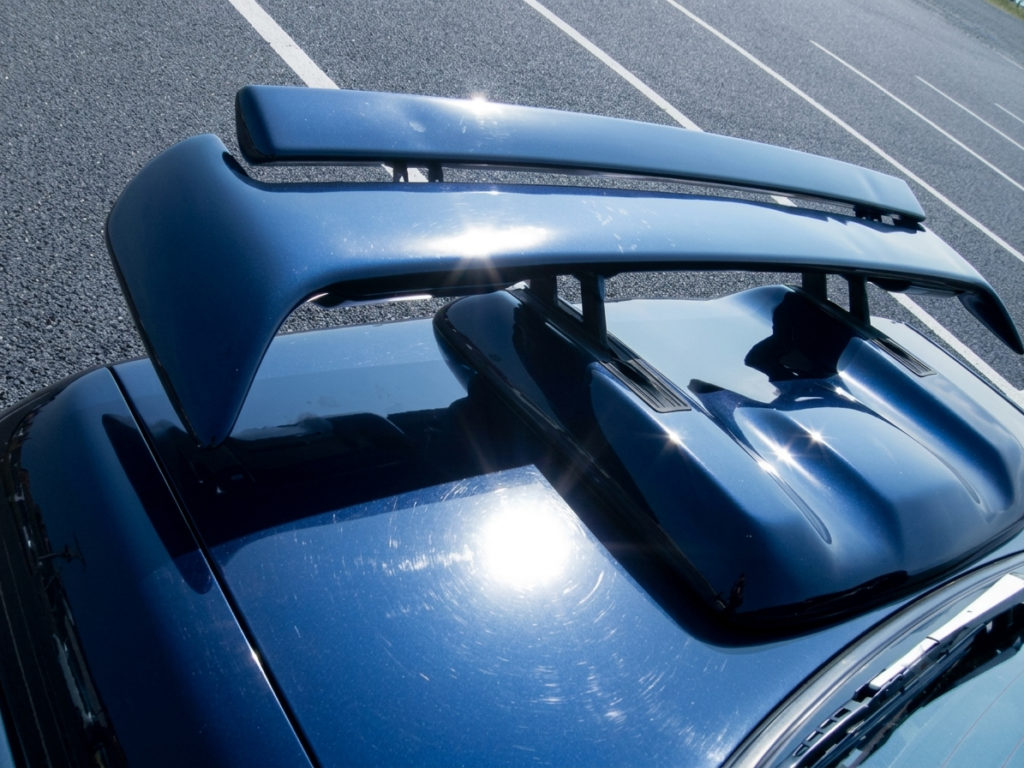
Taking the top spot is the Tommykaira Wing Robo, a multi-stage rear spoiler that could be adjusted electronically from inside the cabin.
Tommykaira was one of Japan’s most famous tuning companies, known for creating extreme and innovative performance cars. One of its most famous projects was based on the Nissan Silvia, which was completely transformed into the legendary Tommykaira Silvia.
In Tommykaira’s aero parts catalog, customers had two spoiler options. The first was the aggressive-looking Tail-Fin, while the second was the much more unique Wing Robo, featuring an active mechanism.
Interestingly, the Wing Robo was not exclusive to Tommykaira. A similar concept was also seen from BMW tuning specialist Hartge, a company that held a reputation in Europe similar to AMG’s relationship with Mercedes-Benz.
This spoiler was far from cheap. When installed on a Tommykaira S13 in 1989, the Wing Robo cost more than 10 percent of the car’s original price, reaching around US$2,000.
Adjusted for today’s money, that would be roughly US$5,700 — an enormous amount for just a spoiler.
Despite its cost and extra weight, the Wing Robo became a symbol of Japanese automotive innovation during the 1980s and 1990s. It was one of the earliest examples of active aerodynamic technology offered on a road car.
Unfortunately, the part is no longer produced and has become extremely difficult to find today.
Tommykaira M30Z — The Forgotten Japanese Sports Car
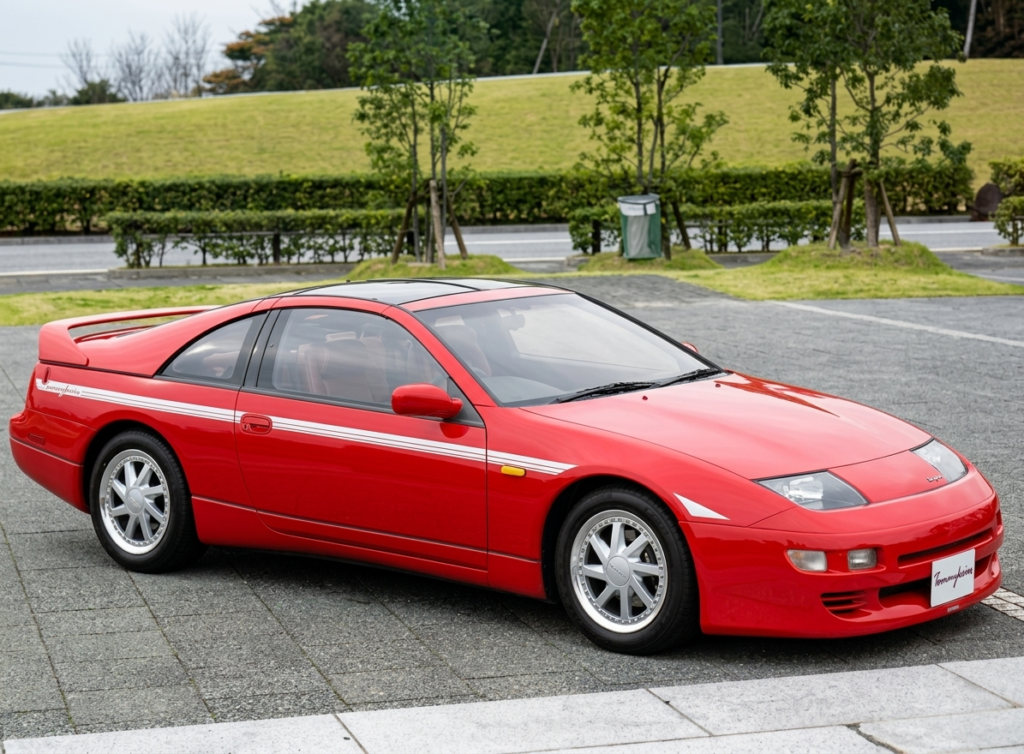
While searching for rare Tommykaira parts at Japanese auctions, another forgotten legend appeared: the Tommykaira M30Z.
This car was one of the most important models in Tommykaira’s history and became the company’s “poster car” in 1991.
For customers visiting a Tommykaira dealership during that era, the M30Z was the first car they would see.
Its performance was impressive for its time, producing around 350 horsepower in 1991 — a figure that was already approaching supercar territory.
However, the once-famous machine has now faded into obscurity. One example was even offered for around US$25,000, making it a surprisingly affordable piece of Japanese tuning history.
2. Subaru WRC Type Roof Ventilator — A Rally-Inspired Roof Air Vent
Subaru has always been one of the most experimental Japanese manufacturers, especially during the golden era of 1990s rally racing.
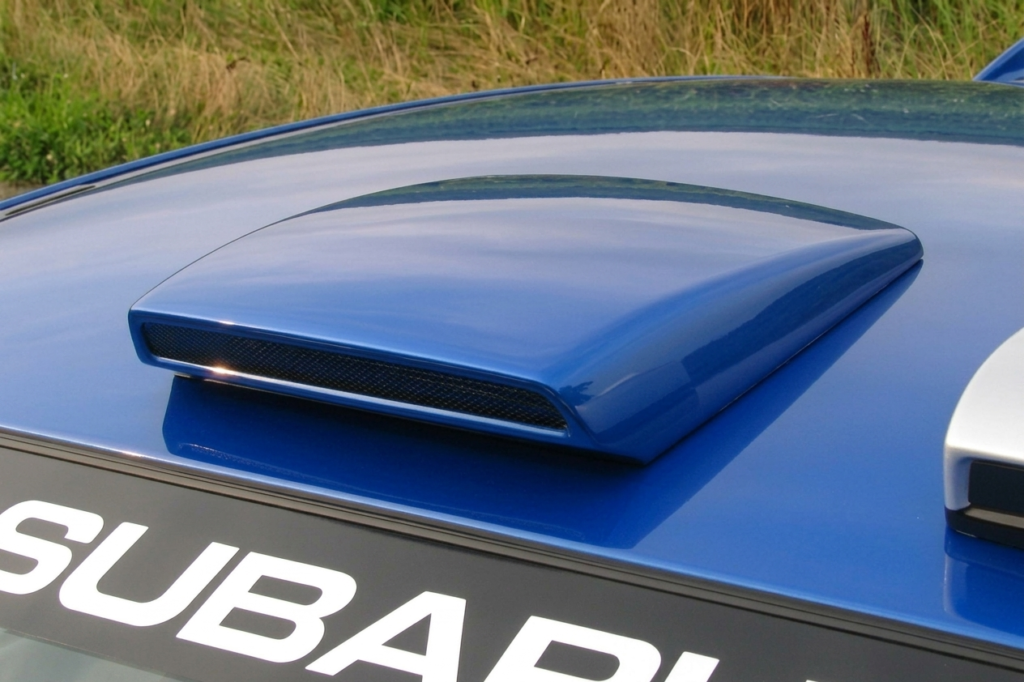
One of its most unusual factory options was the WRC Type Roof Ventilator, a roof-mounted ventilation system inspired by rally cars.
The component was likely created due to homologation requirements. In rally competition, manufacturers often had to produce road-going versions of their race cars with similar components in order to qualify for racing regulations.
The idea was similar to the Honda NSX-R GT, which featured a Formula 1-style intake purely to satisfy homologation rules.
However, Subaru’s roof ventilator was not just for appearance. Drivers could open or close the vent depending on conditions.
When opened:
- Fresh air entered the cabin.
- Interior temperatures became cooler.
- Positive air pressure helped reduce dust entering the vehicle.
When closed:
- Aerodynamic drag was reduced.
The option was available for several Impreza models, including the coupe, sedan, and wagon versions. However, it was not offered on convertible models because they lacked a roof structure.
Unique, functional, and unmistakably Japanese.
3. Subaru Impreza WRX STI 555 Decal Package
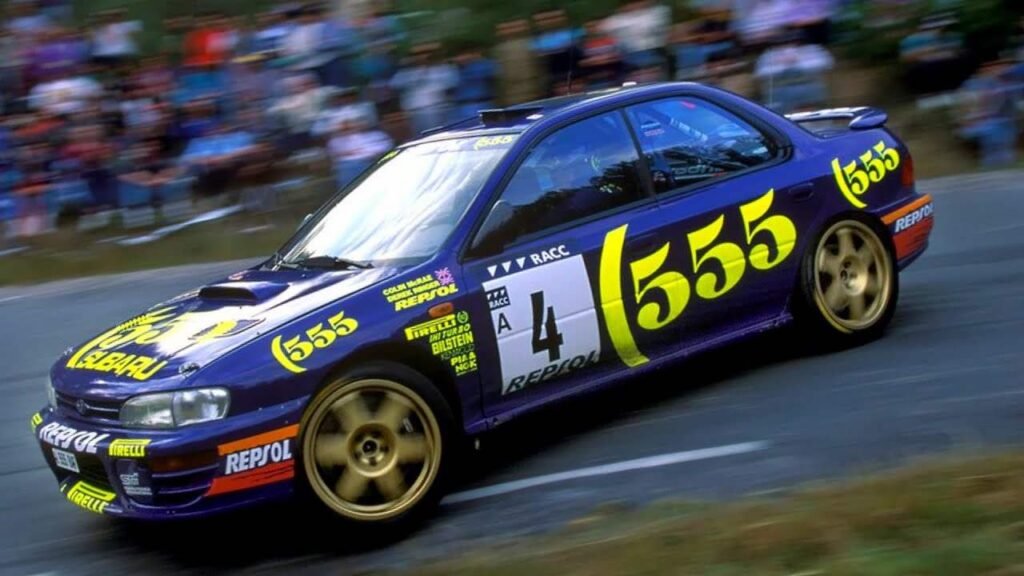
Many enthusiasts remember the Mitsubishi Lancer Evolution VI Tommi Mäkinen Edition, but Subaru also created a special edition that was equally fascinating.
Its name:
Subaru Impreza WRX STI 555
Limited to only 500 units, this special model was inspired by Subaru’s legendary rally sponsorship during the 1990s.
The optional package included a complete WRC-style livery featuring:
- 555 logos.
- Rally sponsor stickers.
- Driver names such as Colin McRae and Carlos Sainz.
- Special mudflaps and emblems.
Interestingly, Subaru’s famous blue-and-gold racing colors were connected to the colors of the 555 cigarette brand, which sponsored Subaru’s rally program at the time.
It is fascinating to think that a color combination inspired by a tobacco product eventually became one of the most recognizable identities in rally history.
The German-market Impreza GT Turbo also received a similar package, but after tobacco sponsorship was banned in motorsport, the 555 logos were replaced with three simple stripes.
For JDM enthusiasts, this car is special because owners can proudly say:
“This is not an aftermarket sticker kit. The car actually came from the factory like this.”
4. Toyota Supra MK4 -chan Baby Seat
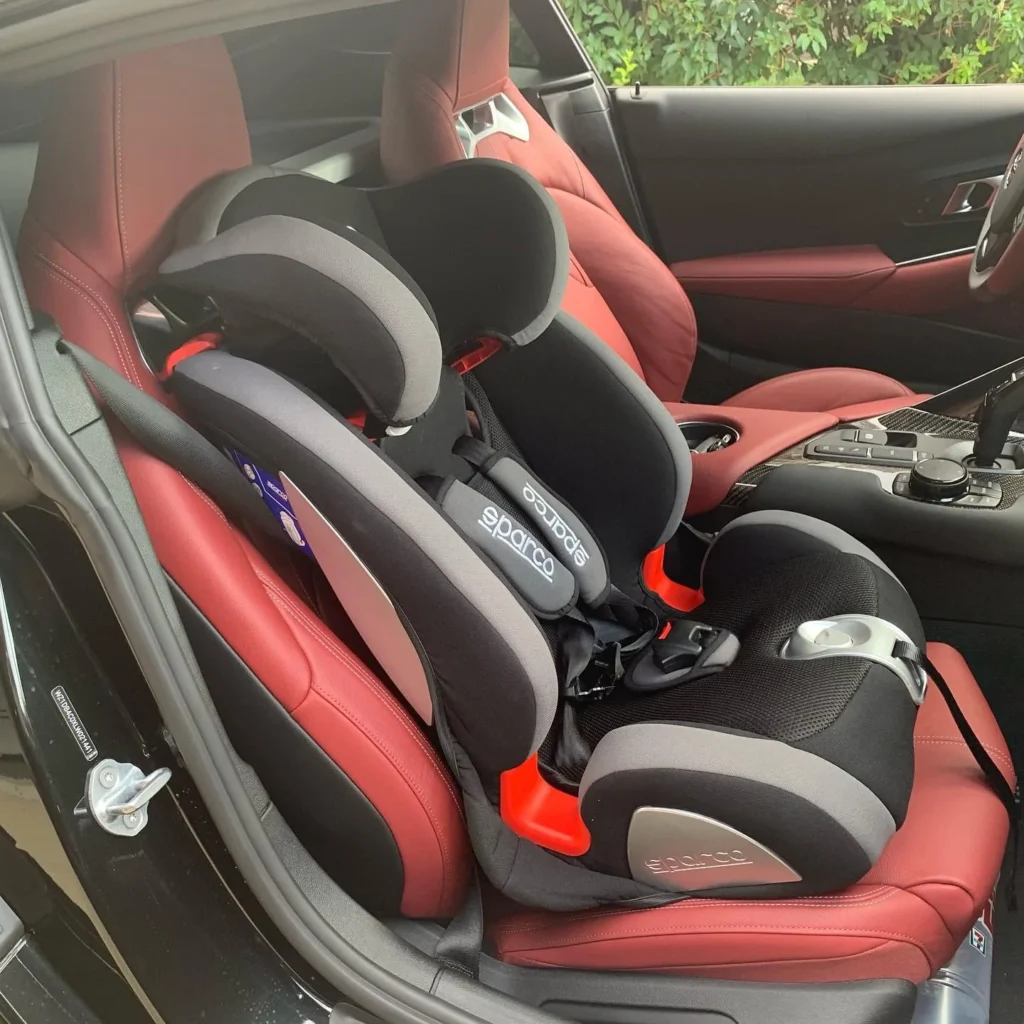
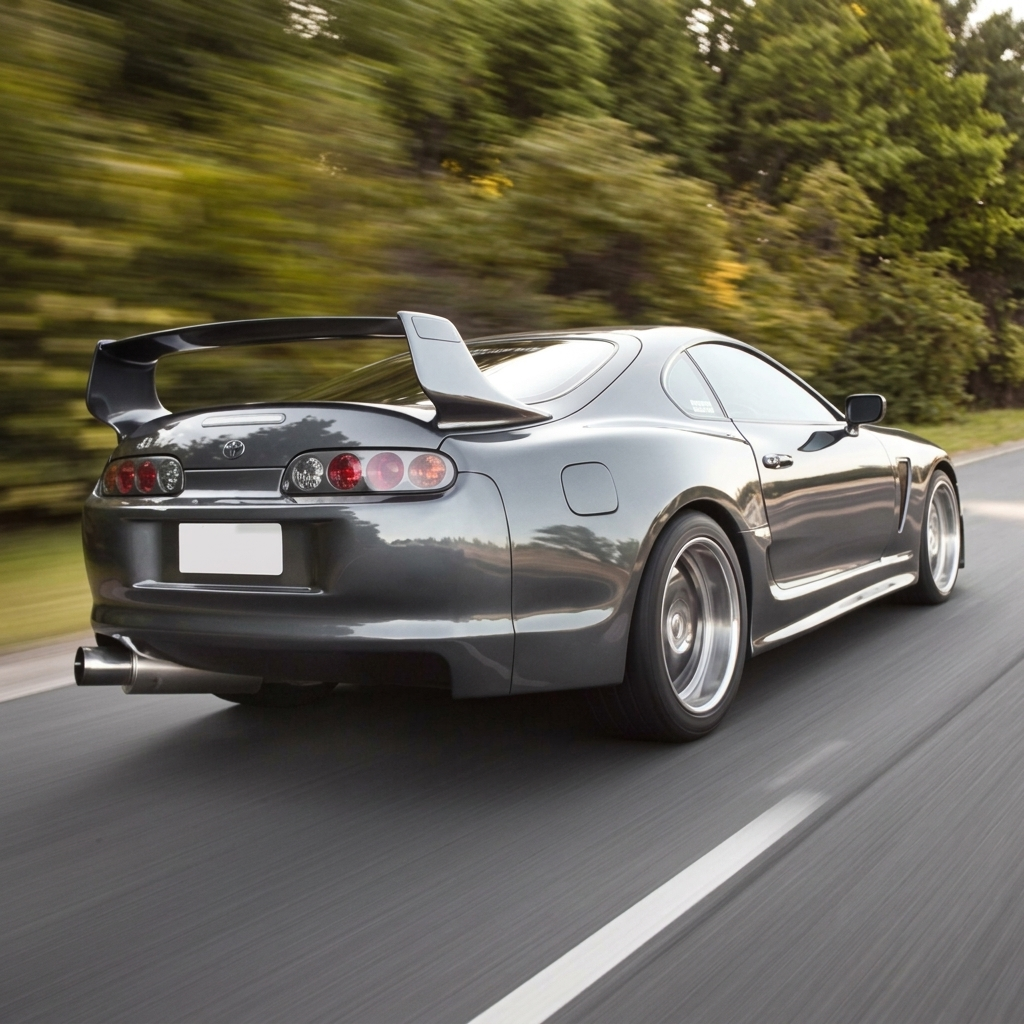
The Toyota Supra MK4 is widely considered one of the greatest Japanese sports cars ever built.
But Toyota once offered a very unusual accessory:
The Koala-chan Baby Seat
The concept was adorable, but installing a baby seat inside a Supra was a questionable decision.
The rear seats of the Supra were extremely cramped. Even carrying a small child was far from practical.
Unlike cars such as the Toyota Corolla FX GT or Nissan Pulsar, the Supra was never designed to be a family vehicle.
However, finding an original Koala-chan Seat today is still fascinating. One example was sold complete with its original manual, and the previous owner explained that the seat carried special memories with their grandchild.
The selling price was only around US$20 — not because it lacked value, but because the owner wanted someone else to enjoy the memories attached to it.
5. TRD Type R Wing Toyota Supra
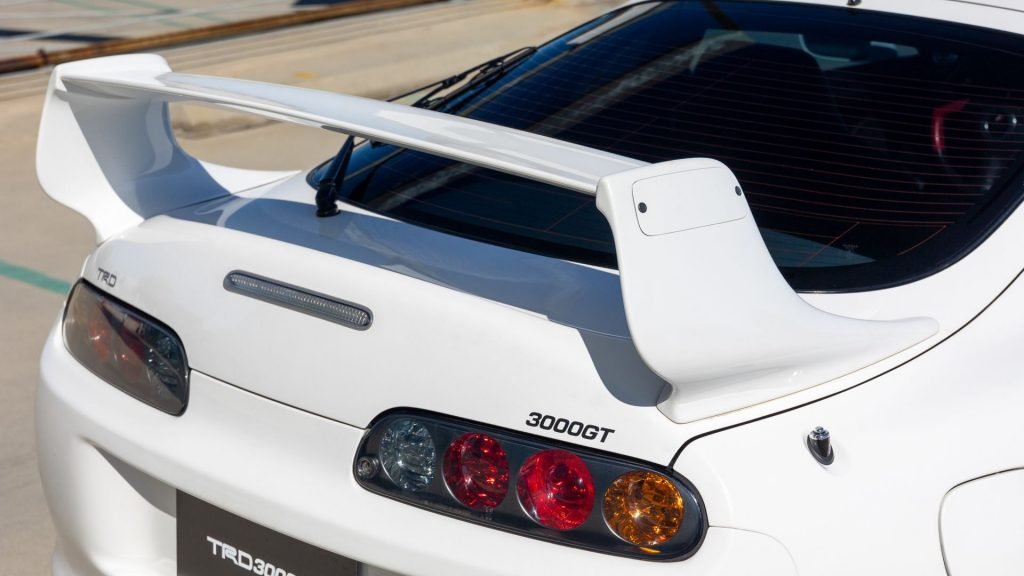
Toyota appears again with another rare performance part from its racing division:
The TRD Type R Wing
Most Supra fans are familiar with the adjustable TRD spoiler, but the Type R version was much rarer.
Unlike the standard unit, this spoiler featured a fixed angle design created specifically for track use.
The component appeared in the 1998 TRD catalog and was used on the TRD 3000GT, one of the most extreme Supra conversions ever created.
The car is often considered a Japanese tuning icon alongside:
- Nissan Skyline GT-R Nismo Z-Tune.
- Subaru Impreza 22B STI.
The design may be controversial, but because it is an authentic TRD part with extremely limited availability, its value remains very high.
The 1980s and 1990s were a time when Japanese manufacturers were willing to experiment with unusual ideas that have now become valuable collector items.
Which factory-original JDM part do you think is the coolest?
Does the Tommykaira Wing Robo deserve its S-Tier status, or is the Subaru Impreza WRX STI 555 package the true legend?
Share your thoughts in the comments!

Adhe is part of the 88 Eight Box Editorial Team, covering JDM culture, motorsport, automotive technology, and industry news. The team focuses on delivering original automotive stories, reviews, and insights for enthusiasts worldwide.