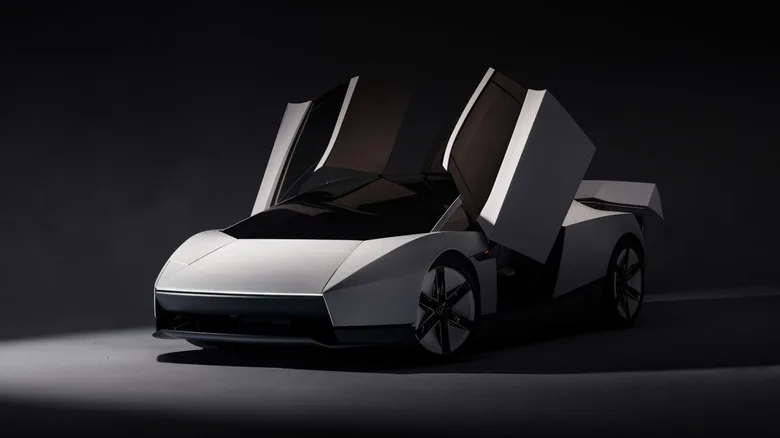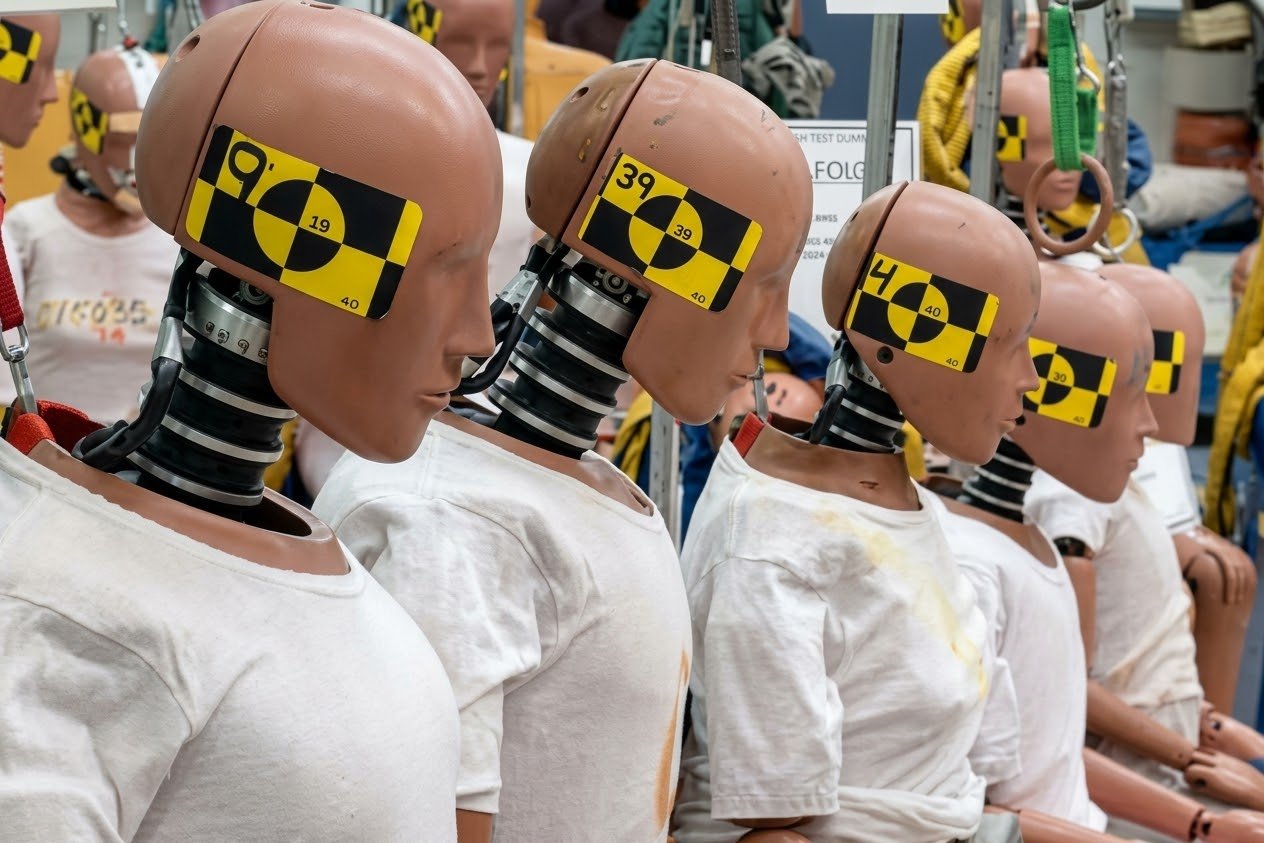
Humans have been using wheels for thousands of years. Over the past century, technology has advanced at an almost ridiculous pace. We have built machines capable of reaching the deepest parts of the ocean, crossed the skies at incredible speeds, and even landed on the Moon multiple times.
Yet one dream still refuses to become an everyday reality: the flying car.
Believe it or not, flying cars are not a new idea. For decades, engineers and companies have experimented with vehicles that could combine the convenience of a car with the freedom of an aircraft.
Some of them actually worked.
The problem is that many projects eventually disappeared because of cost, safety concerns, technical limitations, regulations, and the sheer difficulty of making one machine perform two completely different jobs.
But now, the dream is coming back.
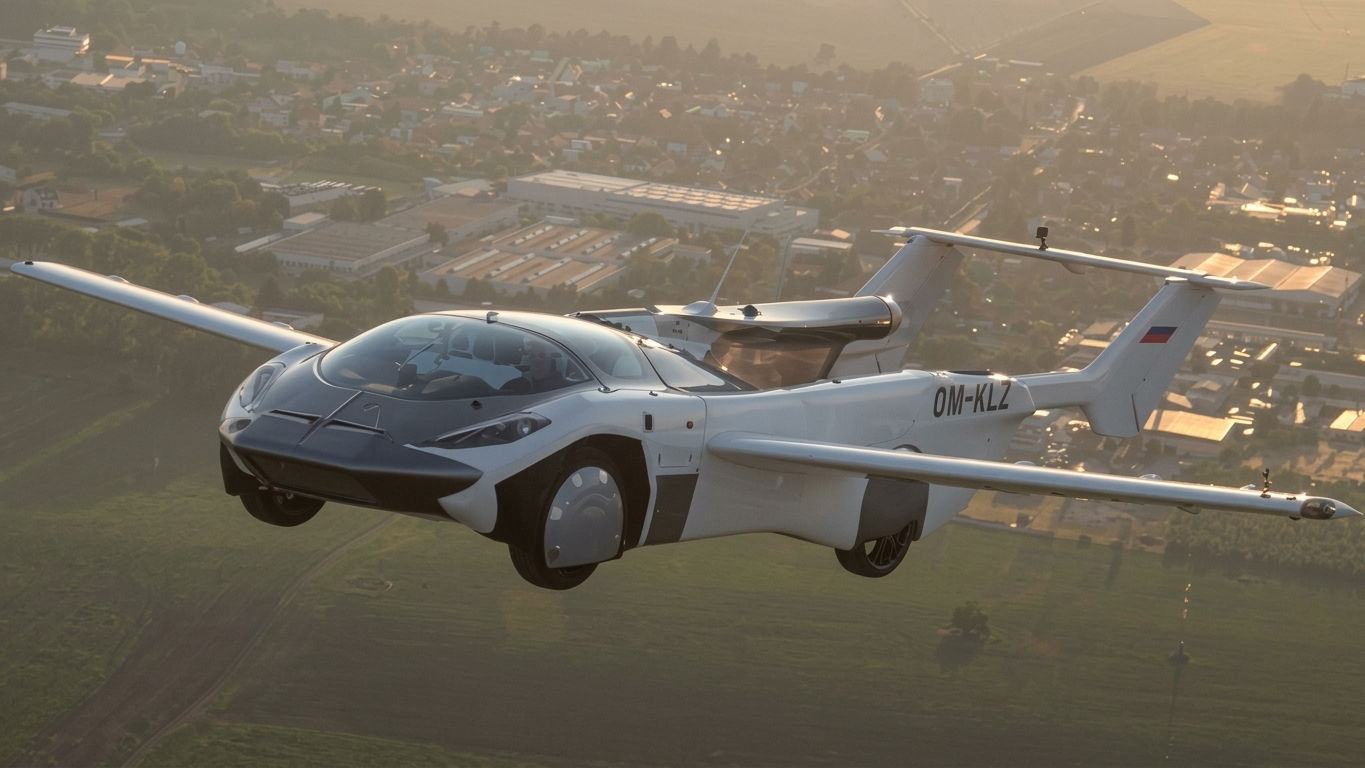
One of the most fascinating concepts is a vehicle that can transform from a road-going car into an aircraft in roughly three minutes. Once transformed, it is designed to fly at high speed and cover hundreds of kilometres potentially turning a journey such as Jakarta to Solo into a trip through the sky rather than another battle with traffic.
And that is only one example.
Several other flying-car concepts are currently being developed, while some companies are taking a completely different approach with eVTOL aircraft electric vertical take-off and landing vehicles that can rise into the air more like helicopters than conventional airplanes.
Some of these technologies are already moving towards real-world testing. Indonesia is also beginning to enter the conversation, with one type of aerial vehicle expected to undergo testing in Bali.
SO WHY IS BUILDING A FLYING CAR SO DIFFICULT?
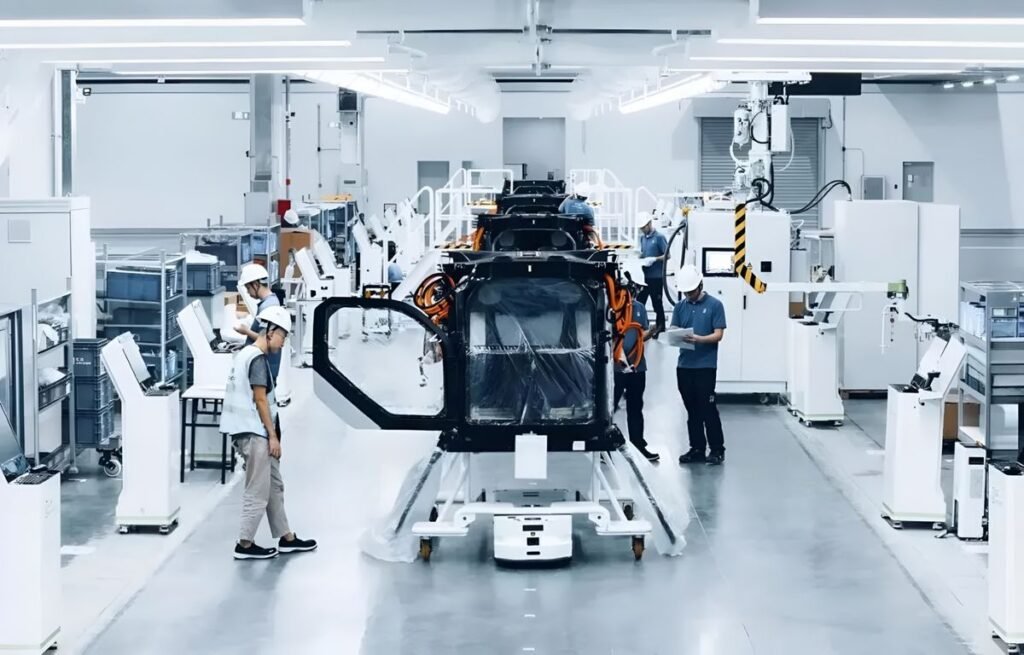
Here is the strange part.
Humans can build rockets, submarines, supersonic aircraft and spacecraft capable of travelling beyond Earth. So why is putting a car in the sky still such a headache?
Because cars and aircraft are essentially designed around opposite priorities.
A car needs to be strong and stable enough to survive on the road. It needs wheels, suspension, brakes, crash structures, doors, glass and all the equipment required for everyday driving.
An aircraft has a completely different set of requirements.
It needs to be as light and aerodynamically efficient as possible. Its body and wings must generate lift, while every kilogram matters when the vehicle has to leave the ground.
And that creates the fundamental problem with flying cars.
Engineers have to build something strong enough to behave like a car, yet light and aerodynamic enough to behave like an aircraft.
Then there is the powertrain.
An engine or electric motor designed for road use does not necessarily make an efficient aircraft powerplant. Meanwhile, a system powerful enough to keep a vehicle airborne can become too heavy, expensive or inefficient for normal road driving.
Even seemingly ordinary car components can become a problem.
Wheels, suspension systems, windows, doors and safety structures all add weight. At the same time, components designed for road use can create aerodynamic drag when the vehicle is flying.
And then comes the nightmare scenario.
What happens if the vehicle breaks down in the sky?
If your car stops working on the highway, you can pull over and call a mechanic.
If your flying car develops a serious problem several hundred metres above the ground, finding the nearest repair shop suddenly becomes the least of your concerns.
IT DOESN’T HAVE TO LOOK LIKE A CAR WITH WINGS
That is why the future of personal air transportation may not actually be dominated by traditional flying cars.
Instead, one of the most promising directions is the eVTOL.
These aircraft are designed to take off and land vertically, meaning they do not require a conventional runway. Their concept sits somewhere between a helicopter, a drone and an electric aircraft.
There are also other personal flying machines being developed, including compact aerial vehicles and flying-board-style concepts designed to give individuals the ability to move through the air.
But they all face similar challenges.
Safety.
Regulation.
Battery technology.
Infrastructure.
Noise.
Operating costs.
And, perhaps most importantly, whether ordinary people will actually want to use them.
Because creating a machine that can fly is one thing.
Creating one that is safe, affordable, practical, quiet, easy to operate and legally allowed to fly almost anywhere is an entirely different challenge.
WILL FLYING CARS ACTUALLY CHANGE THE WORLD?
History shows that transportation revolutions rarely happen exactly the way people imagine them.
More than a century ago, when horses were still a dominant form of transportation, Henry Ford helped make automobiles far more accessible through mass production.
Now the transportation industry is facing another potentially transformative question.
Could flying cars become the next great transportation revolution?
Or are we simply developing an extremely complicated machine to solve a problem that humanity never actually needed to solve?
For now, there is no definitive answer.
What is certain is that getting from your driveway to the sky is far more complicated than simply putting wings on a car.
And before we all need a new kind of driver’s licence, engineers still have to answer one very important question:
DO WE REALLY NEED FLYING CARS, OR ARE WE JUST TIRED OF TRAFFIC?

Adhe is part of the 88 Eight Box Editorial Team, covering JDM culture, motorsport, automotive technology, and industry news. The team focuses on delivering original automotive stories, reviews, and insights for enthusiasts worldwide.