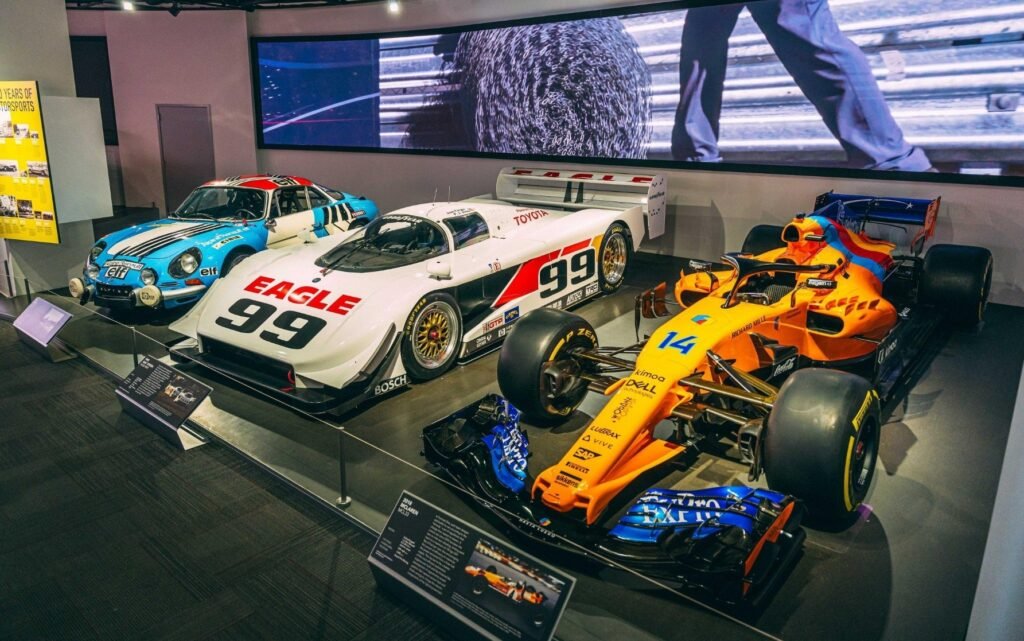
“World’s Fastest” Exhibition Celebrates the Legendary Machines That Redefined Automotive Performance
In the automotive world, speed has never been just about numbers on a speedometer. It represents innovation, ambition, and the relentless pursuit of engineers pushing the limits of what machines can achieve.
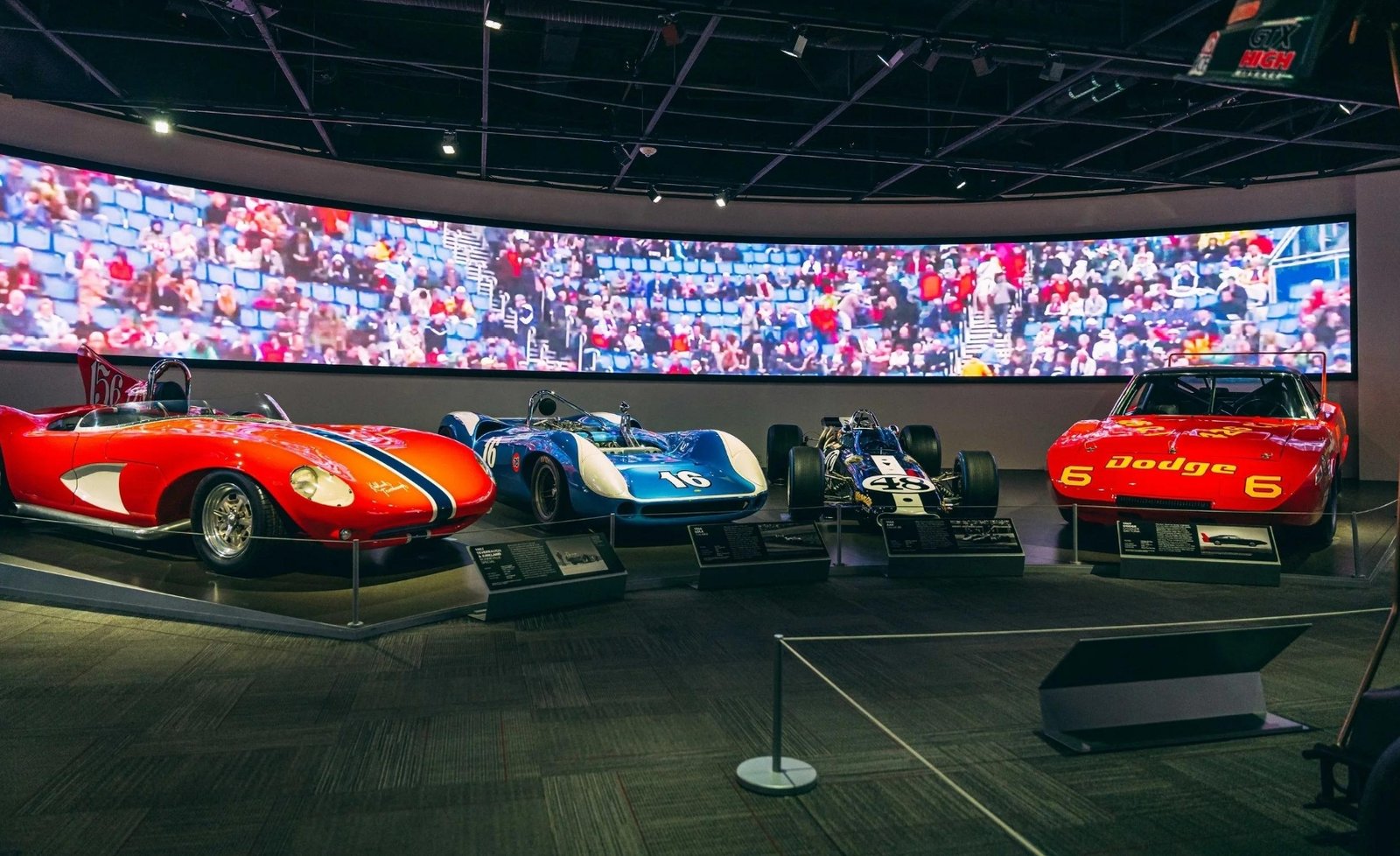
Now, that incredible journey is being celebrated at the “World’s Fastest: A Timeline of Record-Setting Automobiles” exhibition at the Petersen Automotive Museum. The showcase brings together a collection of legendary cars that have made history as the fastest vehicles of their era.
More Than Just the Highest Top Speed
The exhibition is not simply about cars with the biggest speed figures. Petersen Automotive Museum carefully selected vehicles based on verified performance records, ensuring that each car has a meaningful place in the history of automotive speed.
The main idea behind the exhibition is to show how the definition of the “world’s fastest car” has continued to evolve over time.
A vehicle can become legendary by achieving the highest top speed, dominating the track, or introducing groundbreaking technology that changes the future of automotive engineering.
From Classic Supercars to Modern Hypercars
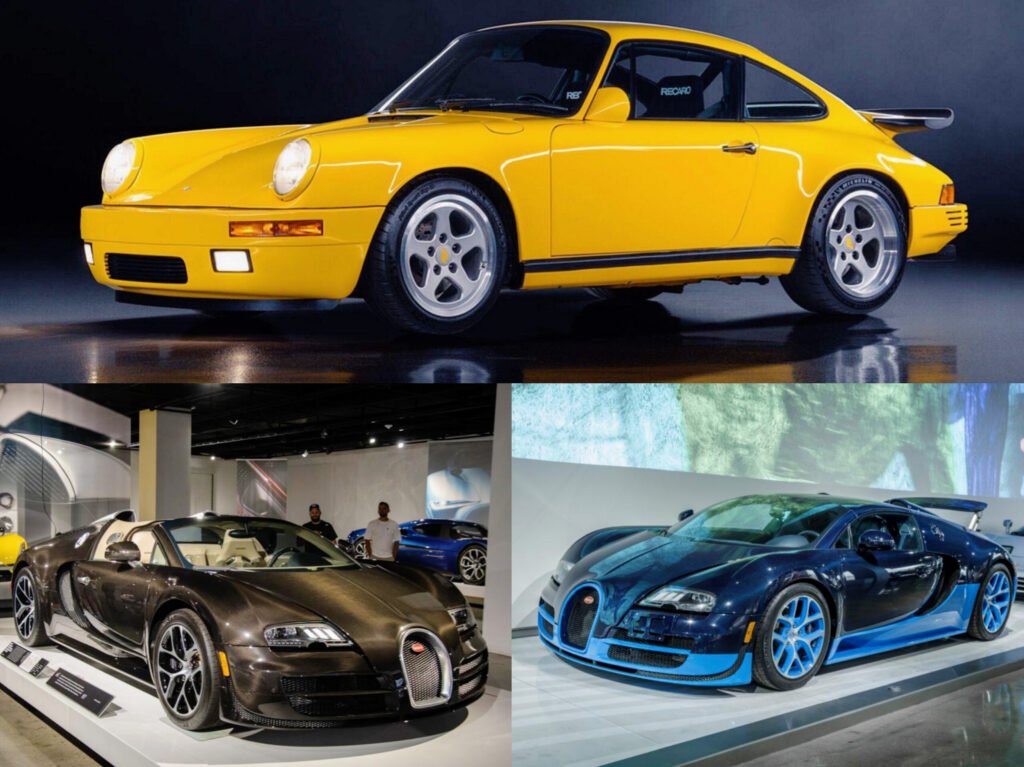
Visitors are taken on a journey through the evolution of high-performance automobiles, from the early days of the supercar era to today’s extreme machines producing thousands of horsepower.
The Birth of the Supercar Era
Cars like the Lamborghini Miura P400 became symbols of a new automotive revolution. With its mid-engine layout and dramatic design, the Miura helped define the modern supercar concept and influenced generations of performance cars that followed.
The 1980s Speed Revolution
The 1980s marked one of the most exciting periods in automotive history, with European manufacturers competing to create the fastest road cars on the planet.
Icons such as:
- Porsche 959
- Ferrari F40
- RUF CTR “Yellowbird”
represented the ultimate pursuit of performance during that era.
The RUF CTR, famously known as the “Yellowbird,” earned its place in automotive history with its impressive performance and legendary reputation among enthusiasts.
The Modern Hypercar Era
Entering the 21st century, advances in aerodynamics, lightweight materials, and hybrid technology pushed performance to an entirely new level.
Cars from manufacturers such as Bugatti and other hypercar brands demonstrated that the boundaries of speed were still far from being reached.
These machines combined enormous power with advanced engineering, active aerodynamics, and cutting-edge electronics to achieve incredible performance.
The Technology Behind Extreme Speed
The exhibition also highlights that speed is not created by horsepower alone.
Modern performance cars rely on a combination of advanced technologies, including:
- Active aerodynamics
- Lightweight carbon-fiber construction
- Advanced cooling systems
- High-performance tires
- Sophisticated electronic controls
- Turbocharged and hybrid powertrains
Every generation of speed record cars introduces innovations that eventually influence the development of future road vehicles.
Celebrating the History of Automotive Excellence
Through “World’s Fastest,” Petersen Automotive Museum celebrates the stories behind the machines that changed automotive history.
The fastest cars in the world are not simply about massive horsepower figures. They represent human creativity, engineering excellence, fierce competition between manufacturers, and the endless desire to break new boundaries.
The exhibition runs from July 18, 2026, to August 22, 2027, at the Petersen Automotive Museum in Los Angeles.

Adhe is part of the 88 Eight Box Editorial Team, covering JDM culture, motorsport, automotive technology, and industry news. The team focuses on delivering original automotive stories, reviews, and insights for enthusiasts worldwide.