From six wheeled monsters and fan-powered cars to hidden brake pedals and computer-controlled machines, Formula 1 has always been a battlefield of engineering creativity. When the rulebook creates limitations, engineers often find the smallest gaps and turn them into revolutionary advantages.
Formula 1 is often described as the ultimate engineering competition. But sometimes, the biggest victories do not come from simply building a faster engine or a better chassis. They come from reading the regulations more carefully than anyone else.
Throughout F1 history, teams have discovered loopholes hidden between the lines of FIA regulations. Some of these ideas became legendary innovations that changed the sport forever. Others were quickly banned after rivals complained that they went too far.
Here are some of the wildest examples of engineering creativity in Formula 1 history.
1. Tyrrell P34: The Six-Wheeled Formula 1 Car That Actually Won a Race (1976)
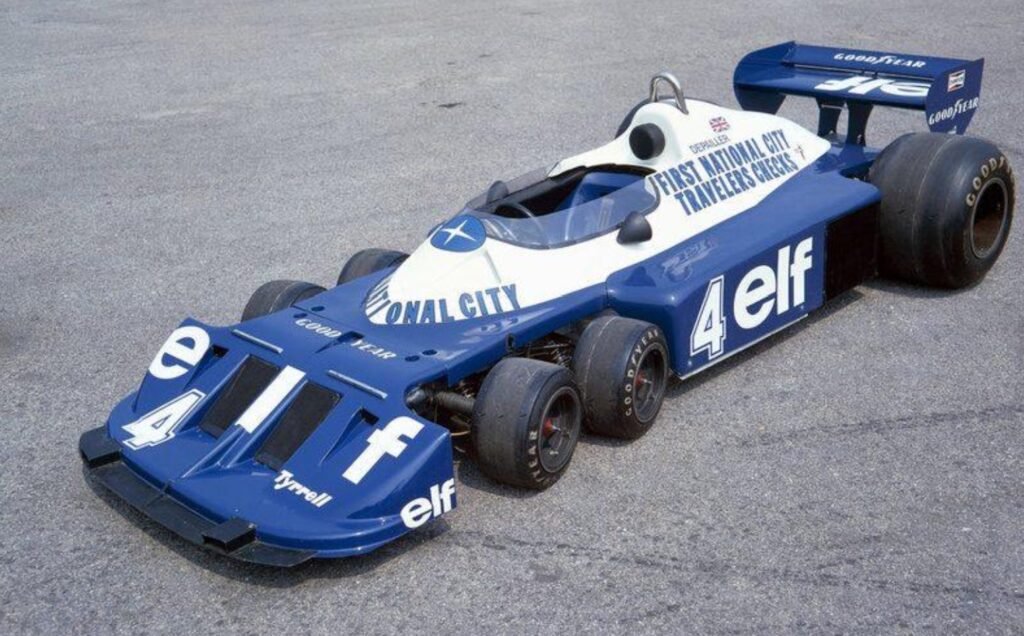
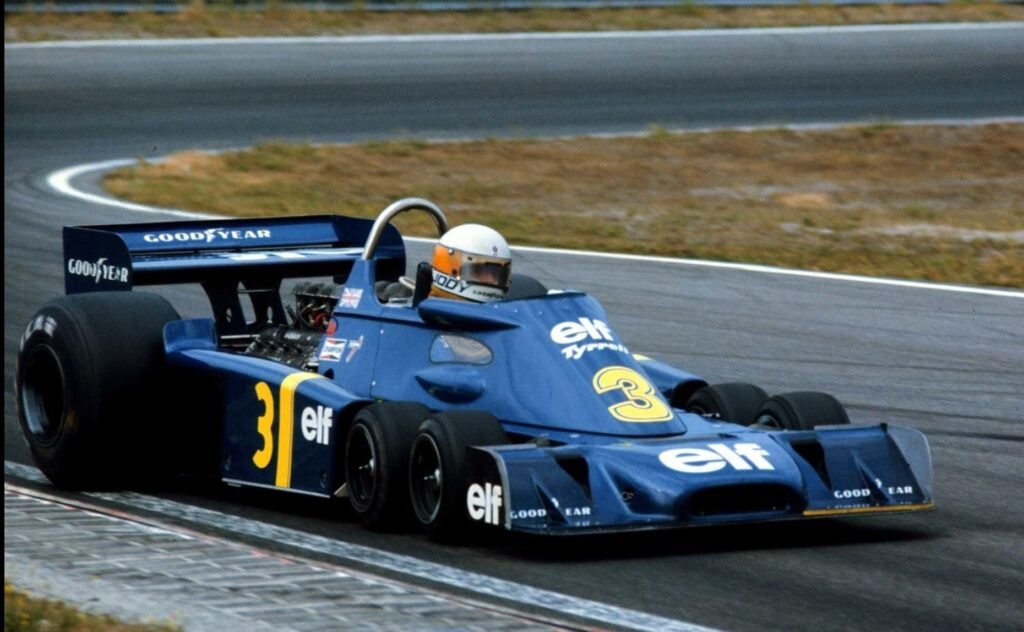
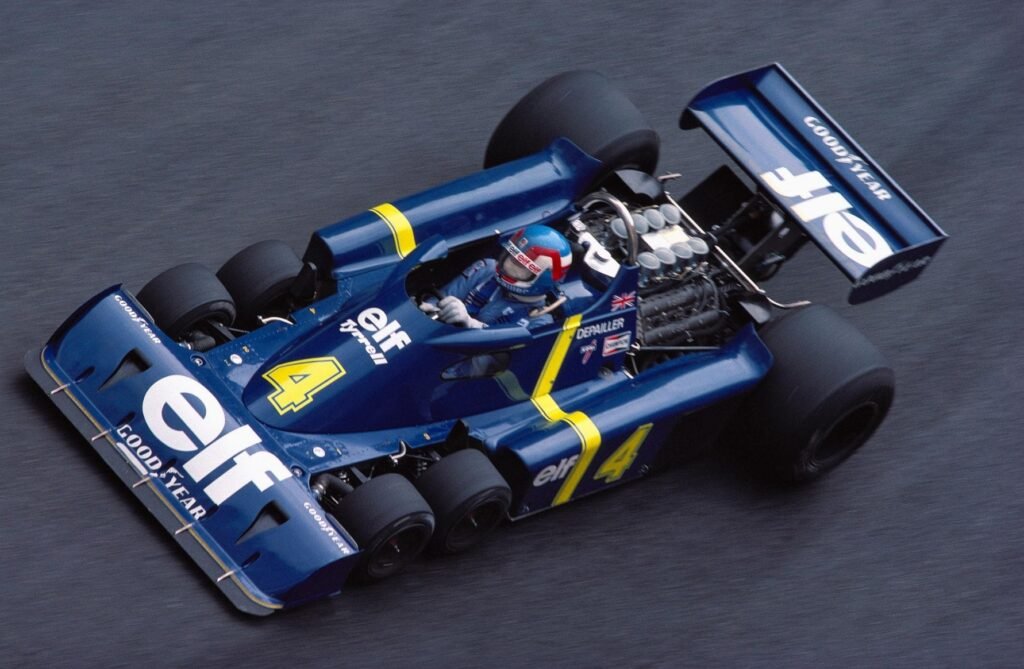
In 1976, Formula 1 witnessed one of the strangest-looking race cars ever created: the Tyrrell P34, the only six-wheeled car in F1 history to win a Grand Prix.
At the time, FIA regulations limited the maximum width of the front wing. However, F1 cars in that era had large front tires that extended beyond the front wing area, creating massive aerodynamic drag and disturbing airflow toward the rear of the car.
Tyrrell engineer Derek Gardner came up with a radical solution. Instead of using two large front wheels, why not use four smaller wheels?
The idea was simple: smaller tires would reduce aerodynamic drag while maintaining enough grip through additional contact patches.
But there was one problem would a six-wheeled F1 car even be legal?
After studying the regulations, Tyrrell discovered that the FIA rulebook never specifically stated how many wheels a Formula 1 car must have. The rules simply assumed every car had four wheels.
Tyrrell exploited that forgotten detail and created a car with:
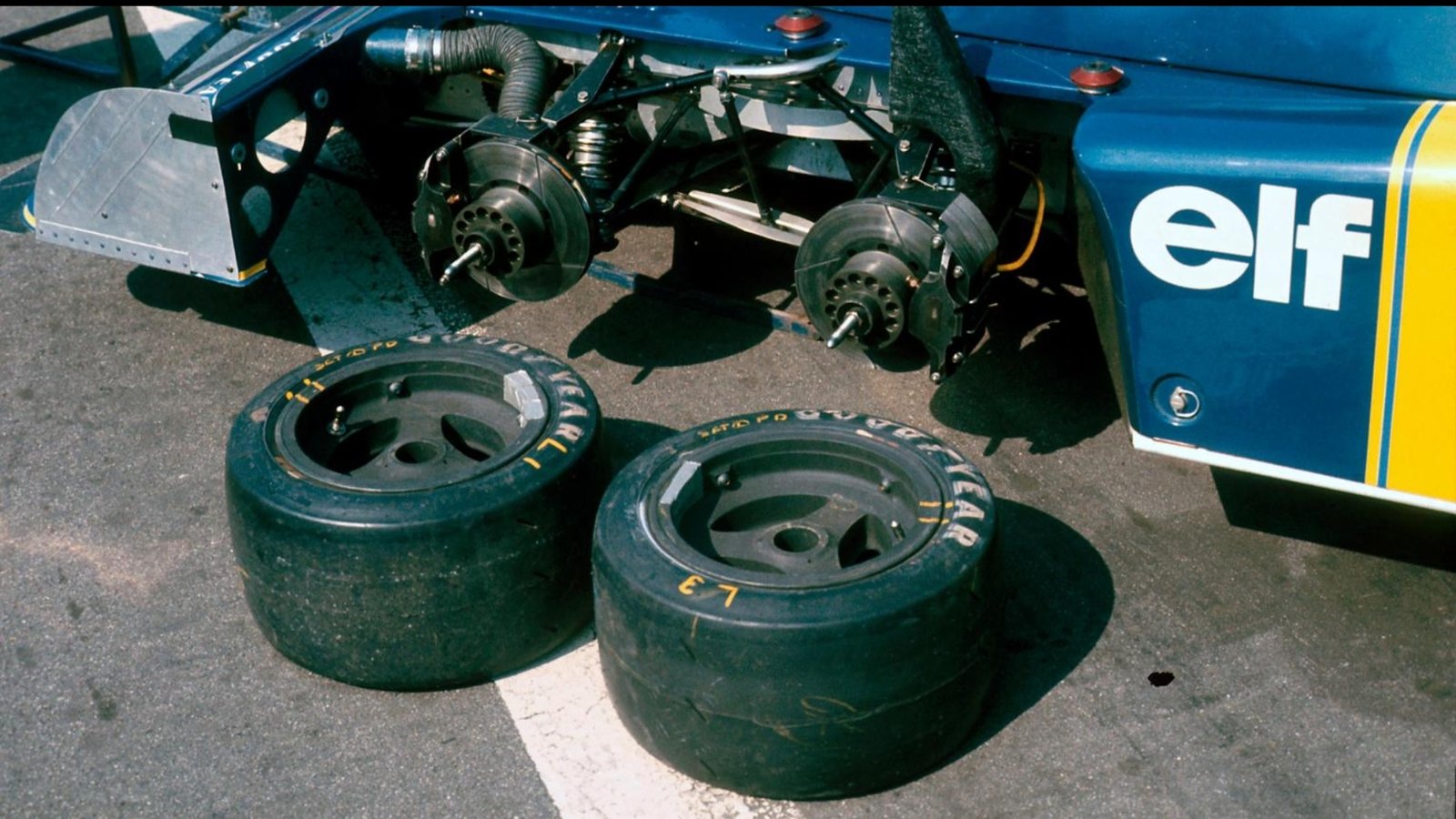
- Four tiny 10-inch front wheels hidden behind the front bodywork
- Two conventional rear wheels for power delivery
The result was surprisingly effective.
At the 1976 Swedish Grand Prix, Tyrrell achieved a historic one-two finish with Jody Scheckter winning and Patrick Depailler finishing second.
To this day, the Tyrrell P34 remains the only six-wheeled Formula 1 car to win a race.
Other teams, including Williams and March, later experimented with six-wheel concepts, but instead of reducing drag, they focused on increasing rear traction with four driven rear wheels.
The famous Williams FW08B showed impressive potential during testing, but FIA eventually decided enough was enough.
In 1983, new regulations officially closed the loophole by requiring F1 cars to have exactly four wheels, with only two allowed to provide power and two allowed for steering.
2. Brabham BT46B “Fan Car”: The Vacuum Cleaner That Dominated F1 (1978)
When Lotus introduced ground-effect technology with the Lotus 79, Formula 1 entered a new aerodynamic era.
Ground effect turned the underside of the car into a giant vacuum system. Special tunnels beneath the floor accelerated airflow, reducing pressure underneath the car and effectively sucking it toward the track surface.
The result was incredible cornering speed without sacrificing straight-line performance.
But Gordon Murray, the genius designer behind Brabham, faced a major problem.
Brabham’s car used an Alfa Romeo flat-12 engine, which was wide and occupied too much space under the car. That made it almost impossible to create traditional ground-effect tunnels.
So Murray found another solution.
If the car could not create suction naturally, why not force it?
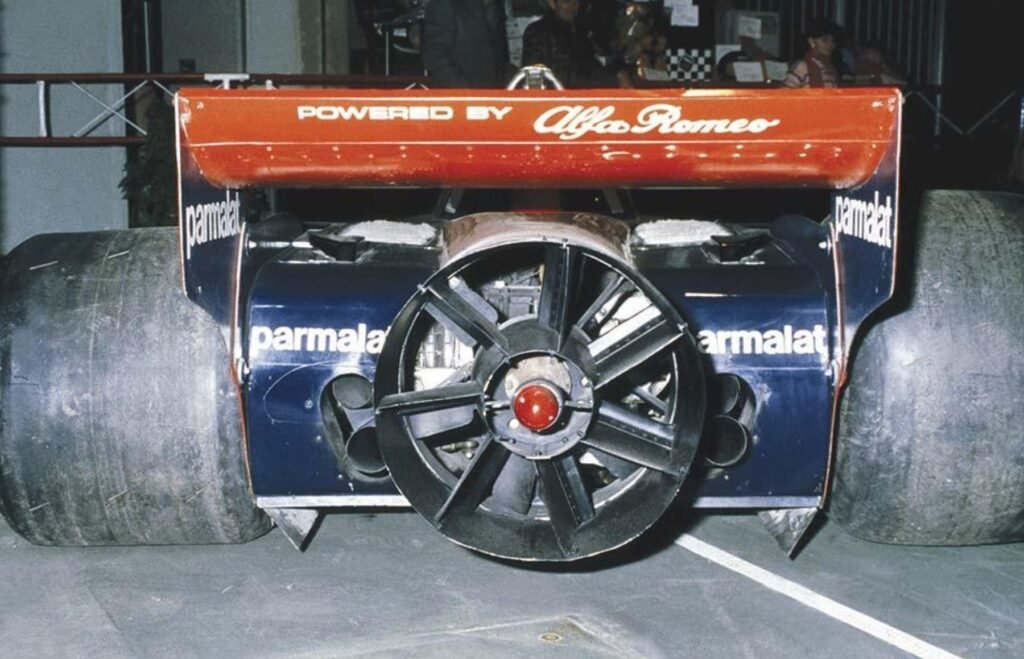
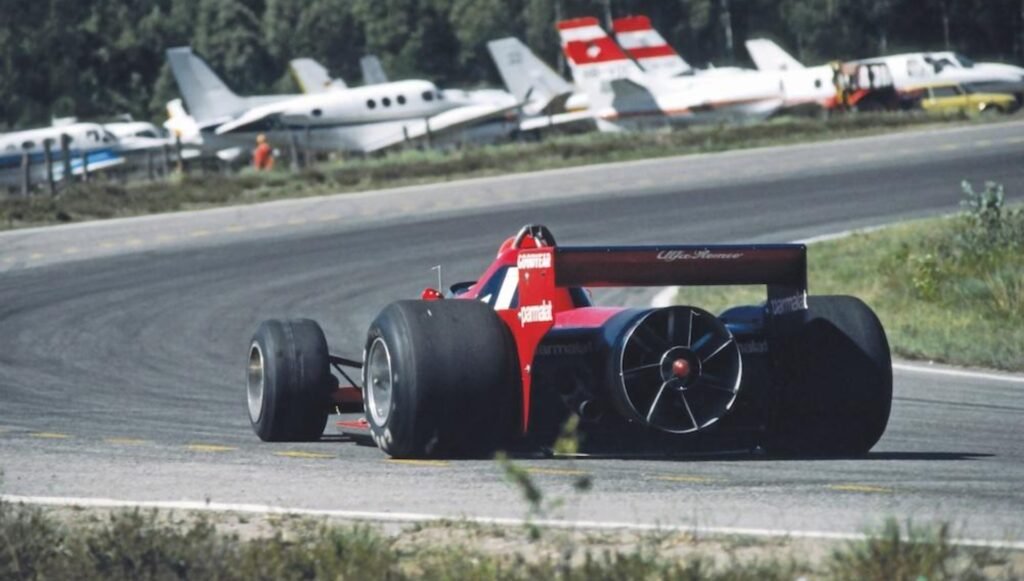
The answer was the Brabham BT46B fan car.
A massive fan was installed at the rear of the car to actively pull air from underneath, creating enormous downforce.
The problem was that FIA regulations banned movable aerodynamic devices.
Murray cleverly found a loophole.
The regulations allowed equipment designed for engine cooling. So Brabham connected the fan to the radiator and argued that its primary purpose was cooling the engine.
During inspection, Brabham proved that around 55% of the airflow was used for cooling purposes. The remaining airflow was simply an “unintended” benefit that increased downforce.
Technically, the car was legal.
And it was devastatingly fast.
At the 1978 Swedish Grand Prix, Niki Lauda won the race comfortably, later saying the car was so dominant that it felt like he was driving at half speed.
However, the BT46B was removed from competition shortly afterward.
Interestingly, FIA did not ban it because it was considered illegal. Instead, concerns focused on safety, as the powerful fan threw dust and debris toward following drivers.
The fan car remains one of the greatest examples of Formula 1 engineers defeating the rulebook.
3. Tyrrell 012: The Water Tank Trick That Got a Team Disqualified (1984)
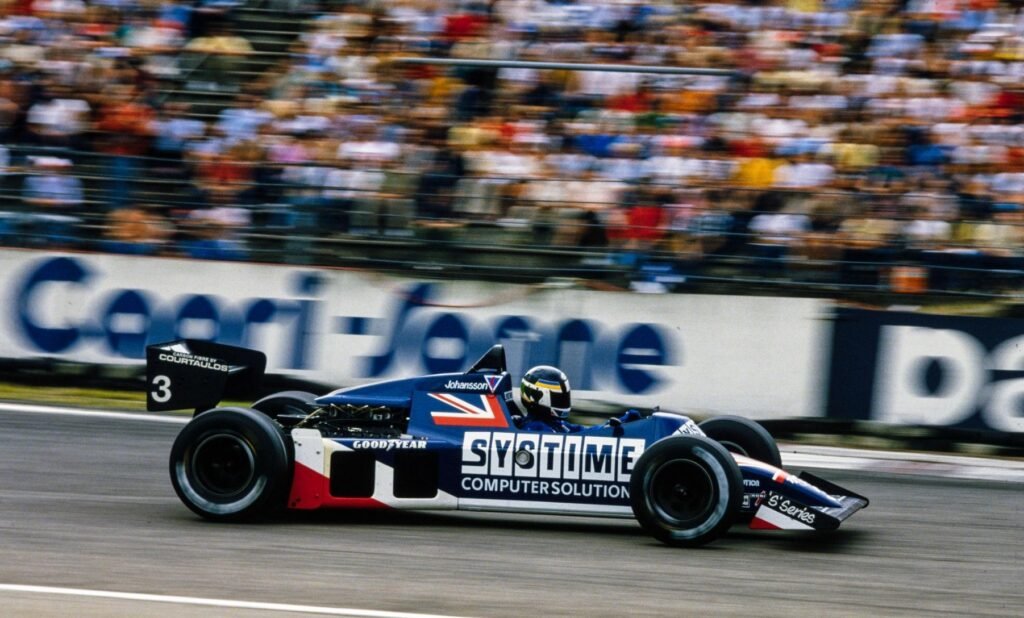
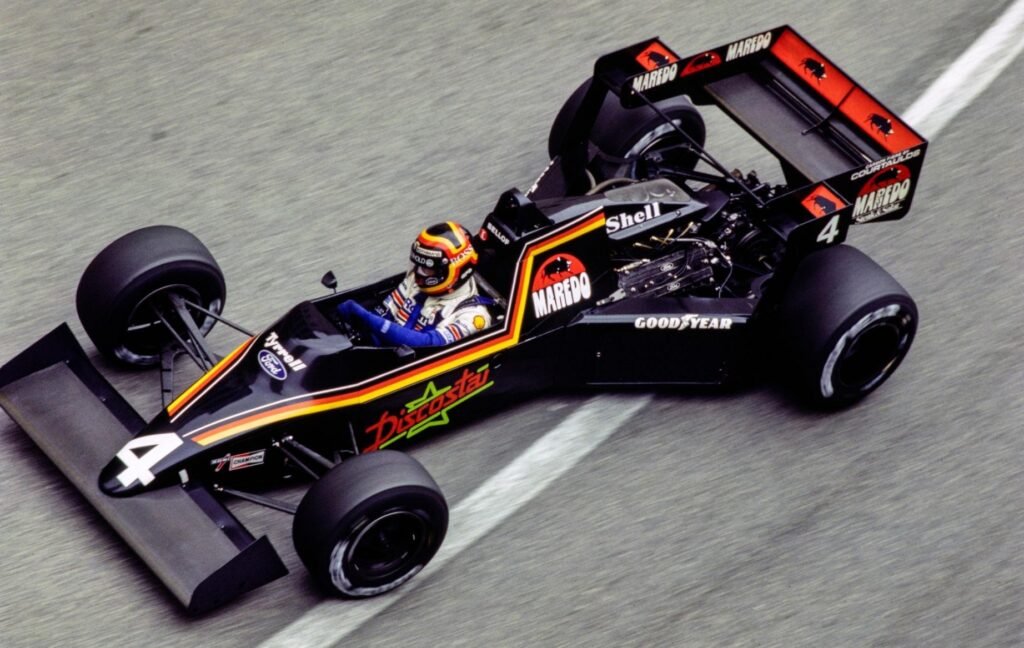
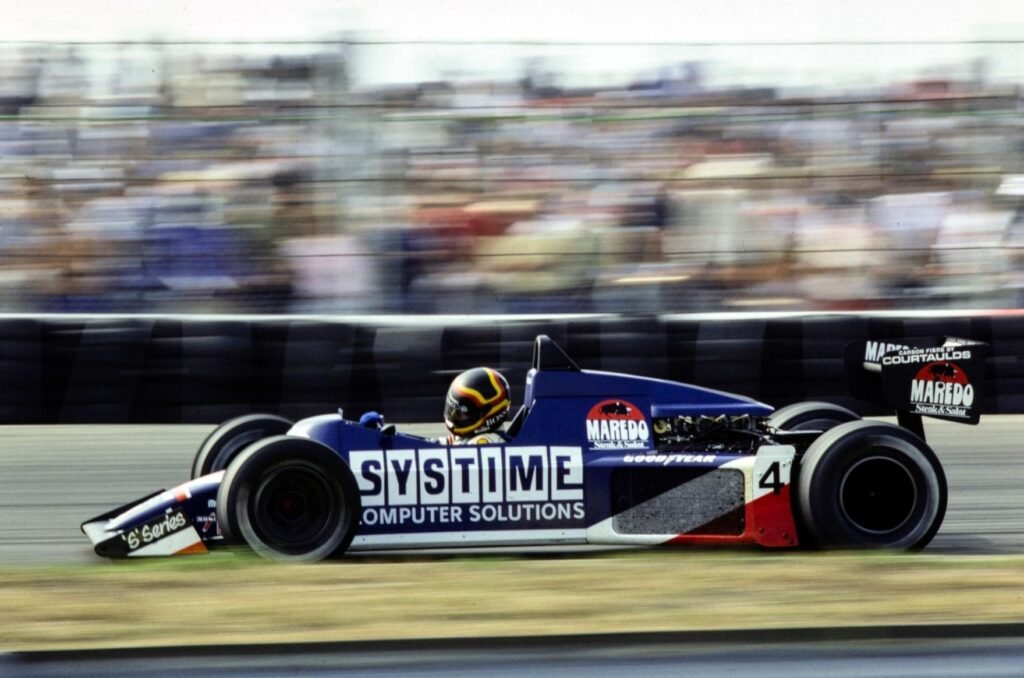
By 1984, turbocharged engines had transformed Formula 1. Teams using powerful turbo engines had a massive advantage over Tyrrell, which still relied on a naturally aspirated Cosworth V8.
To compete, Tyrrell needed to make its car as light as possible.
They discovered a strange loophole in the regulations.
At that time, cars were weighed after races. Teams were allowed to refill certain fluids, such as cooling water, before final inspection.
Tyrrell used this rule in a creative — and controversial — way.
The team installed a large water injection tank. During the race, the car used the water, becoming lighter and faster.
Before the post-race weighing, Tyrrell would refill the tank.
But the FIA discovered something suspicious.
The water was mixed with heavy lead pellets, allowing the car to recover the missing weight before inspection.
The trick worked — until the evidence became impossible to ignore.
Lead pellets were found scattered around the garage and even on the circuit, with some reportedly being thrown from the car during acceleration.
At the Detroit Grand Prix, FIA finally investigated the system and uncovered the deception.
The punishment was severe:
Tyrrell was disqualified from the entire 1984 Formula 1 championship.
It became one of the biggest technical scandals in F1 history.
4. McLaren MP4/12: The Hidden Third Brake Pedal (1997)
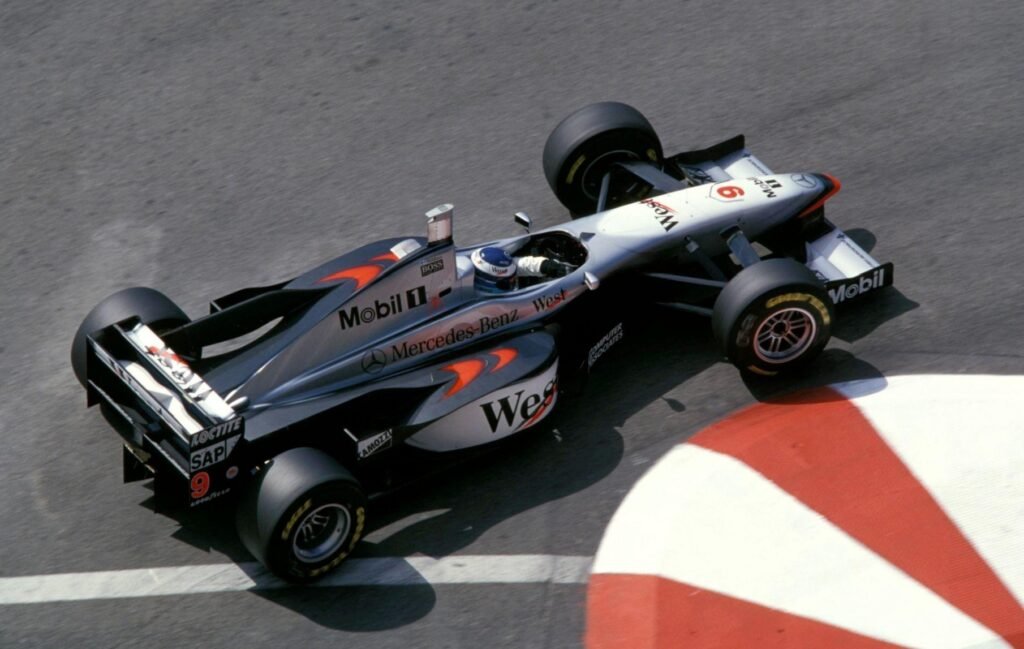
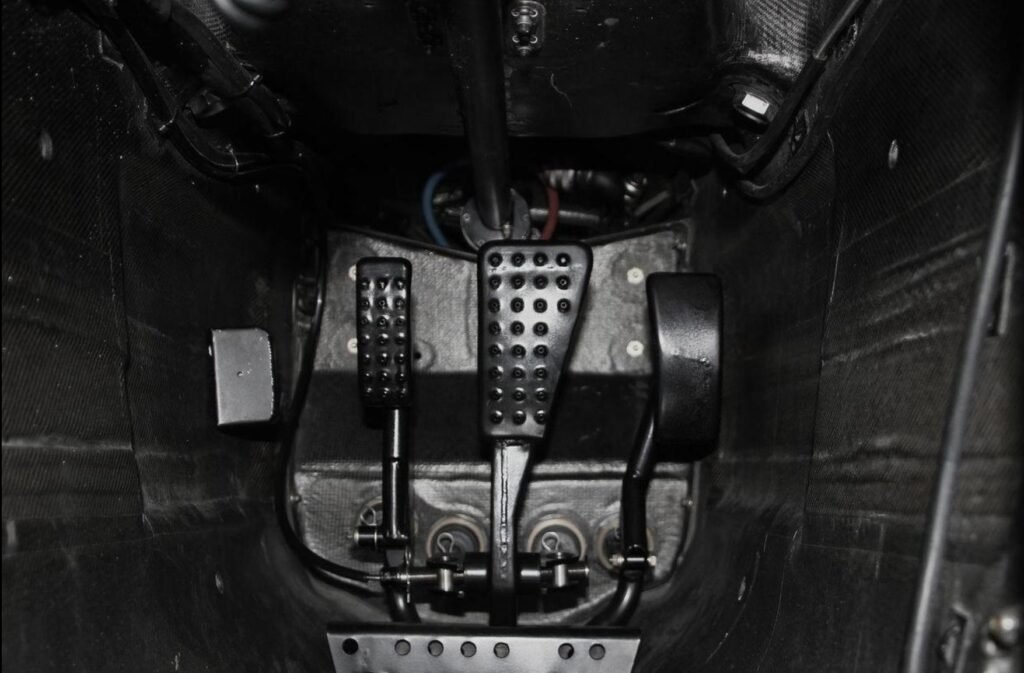
In 1997, Formula 1 discovered another brilliant loophole.
During a race weekend, a photographer captured images inside a broken-down McLaren MP4/12.
The pictures revealed something unusual.
A normal F1 car had two pedals:
- Throttle
- Brake
But McLaren had a third pedal.
It was not a clutch.
It was an additional brake system.
The pedal controlled only one rear brake — the inside rear wheel.
The concept worked similarly to a tank turning system. By braking one side of the car, McLaren could help the car rotate through corners.
The result:
- Reduced understeer
- Faster corner entry
- Better handling on tight circuits
Ferrari immediately protested.
McLaren argued that the regulations never specified how many brake pedals a car could have.
However, FIA decided the system effectively acted as a steering aid, which was prohibited.
The clever loophole was closed.
5. Williams Active Suspension: The Computer-Controlled F1 Car From Another Planet (1992–1993)
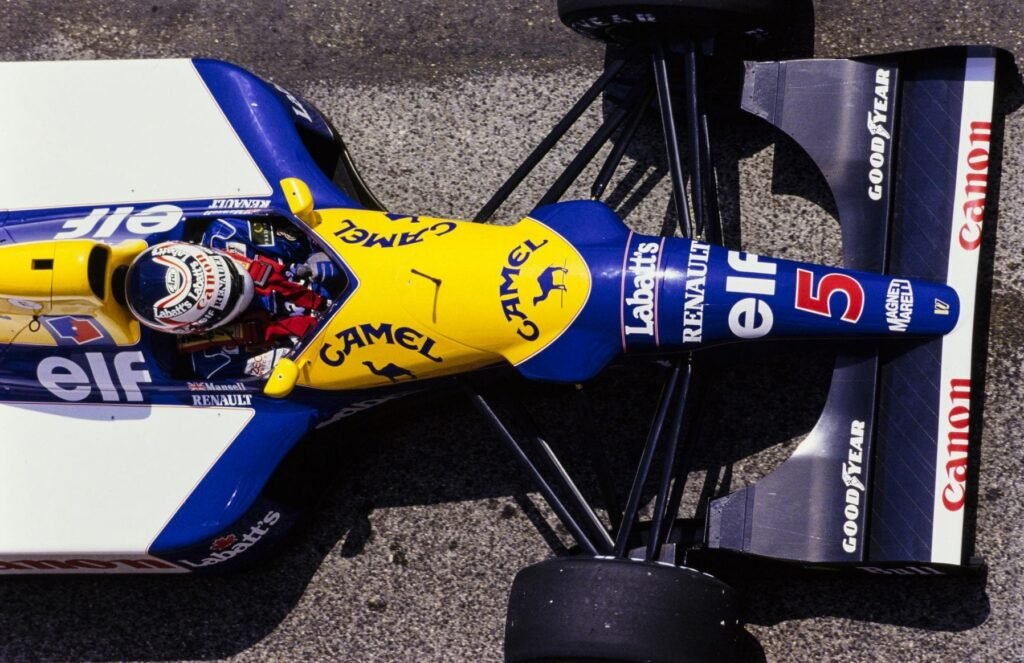
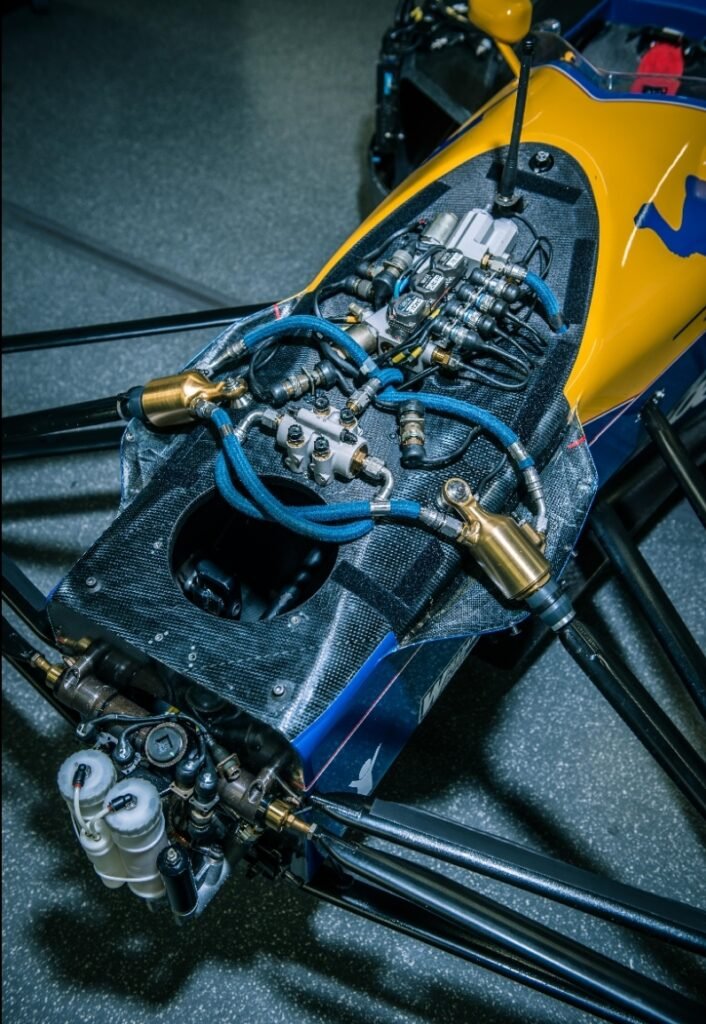
The early 1990s became the era of computer technology in Formula 1.
Williams found a loophole that changed the sport forever: active suspension.
At the time, FIA banned movable aerodynamic devices. But the rules were written before advanced electronic systems became possible.
Williams engineers asked a simple question:
If the wing cannot move, why not move the entire car?
Instead of traditional springs and dampers, Williams used hydraulic suspension controlled by computers.
The system could:
- Keep the car perfectly level under braking
- Lower the ride height on straights for better aerodynamics
- Maintain ideal suspension settings in corners
The result was extraordinary.
The Williams FW14B and FW15C were so advanced that rivals described them as cars from another world.
Nigel Mansell dominated the 1992 season, while Alain Prost won the 1993 championship with Williams.
Even Ayrton Senna reportedly expressed frustration at the advantage Williams had.
FIA eventually banned active suspension and other electronic driver aids in 1994, mainly because costs were becoming impossible for smaller teams to match.
6. Renault Mass Damper: The 9-Kilogram Device That Shook F1 (2005–2006)
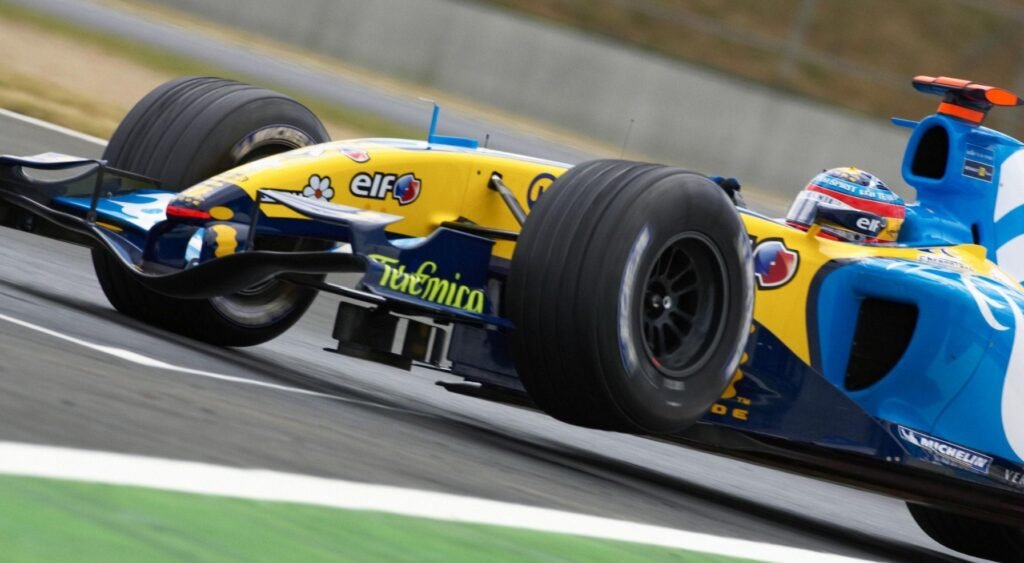
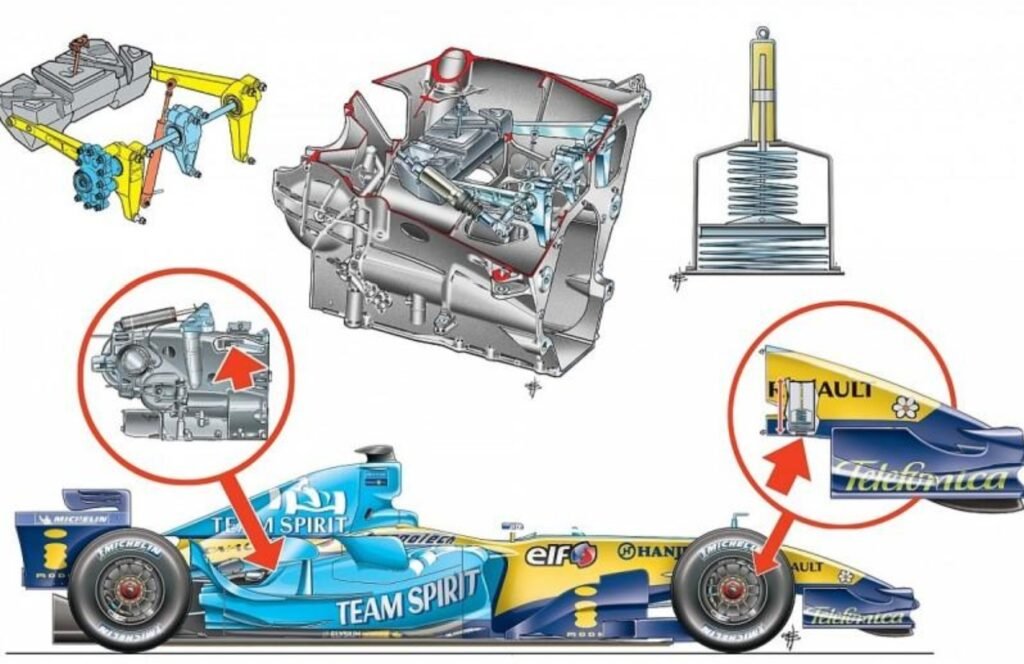
In 2005, Renault shocked Formula 1 by challenging Ferrari’s dominance. Behind Fernando Alonso’s championship-winning car was a mysterious device hidden inside the nose of the Renault R25.
It was called the mass damper.
At first glance, it looked simple: a 9-kilogram metal weight attached to springs inside the front of the car.
But its effect was extremely sophisticated.
When the car hit kerbs or experienced sudden changes in elevation, the metal mass moved in the opposite direction, reducing vibrations and keeping the tires in constant contact with the track.
The benefits were huge:
- More consistent grip
- Better stability over bumps
- Improved aerodynamic performance
- More predictable handling
FIA initially approved the system, considering it part of the suspension.
However, once Renault became too competitive, rival teams began protesting.
The argument changed.
Instead of calling it suspension, FIA later classified the device as a movable aerodynamic component because the moving mass affected the car’s aerodynamic behavior.
Renault protested the decision, but eventually had to accept the ban.
The mass damper became one of the most controversial technical bans in modern F1 history.
7. Brawn GP Double Diffuser: The One-Pound Team That Shocked F1 (2009)
The 2009 Formula 1 season produced one of the greatest underdog stories ever.
A team that was almost gone suddenly became a championship-winning machine.
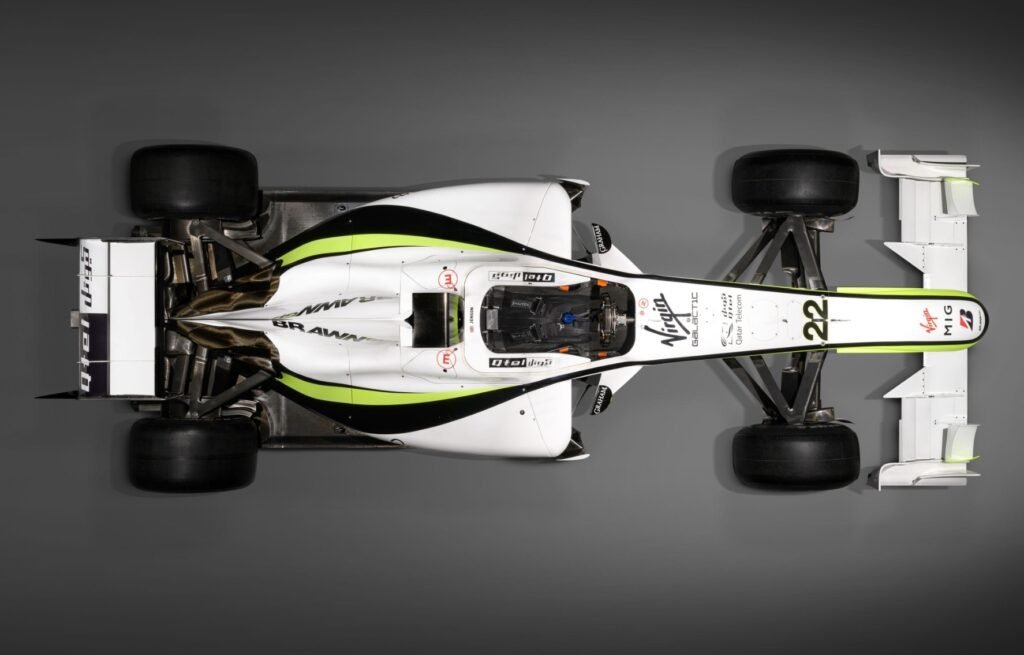
That team was Brawn GP.
The team was created after Honda sold its F1 operation for just one British pound. Despite the low price, the car inherited years of expensive Honda research.
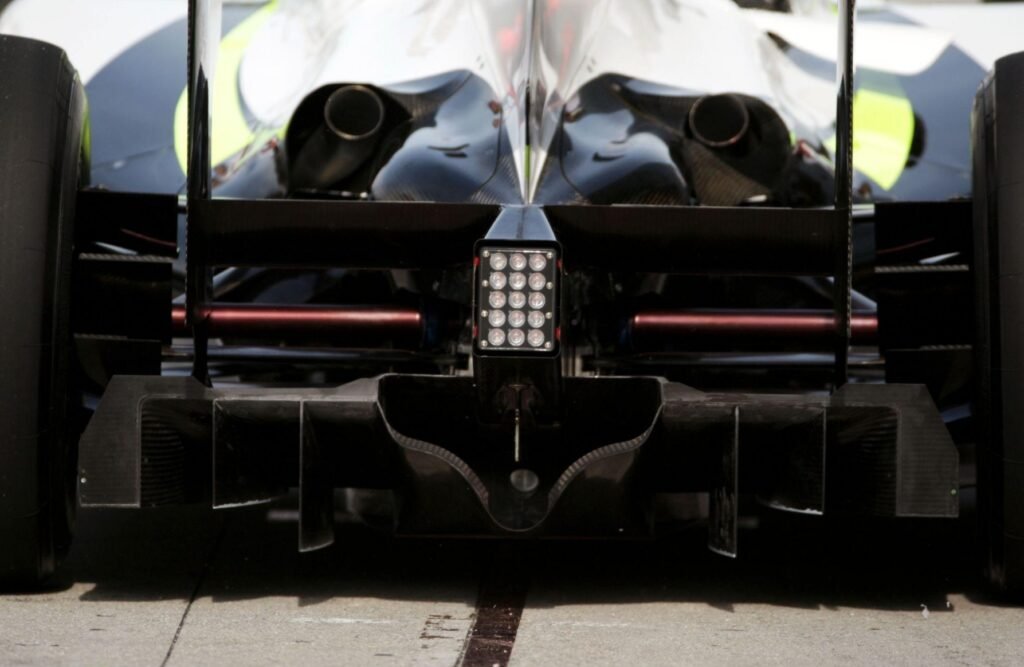
The secret was a revolutionary aerodynamic idea: the double diffuser.
FIA had redesigned the aerodynamic rules for 2009 to reduce downforce and make overtaking easier.
The diffuser area at the rear of the car was heavily restricted.
But Brawn GP engineers noticed something interesting in the wording of the regulations.
The rules clearly defined the floor dimensions, but there was no clear restriction on a small transition area between different floor levels.
Brawn exploited that gap.
They created an additional aerodynamic channel that allowed extra airflow through the rear structure, producing significantly more downforce than rivals expected.
The result was dramatic.
Jenson Button dominated the early races, and Brawn GP became world champions in their only season of existence.
Several top teams protested, but FIA’s legal review concluded that the design followed the written regulations.
The double diffuser became one of the most famous examples of a loophole becoming a championship-winning weapon.
8. McLaren F-Duct: The Driver Became Part of the Aerodynamic System (2010)
By 2010, Formula 1 teams faced a classic problem.
High downforce was great for corners, but terrible for straight-line speed.
More aerodynamic grip meant more drag.
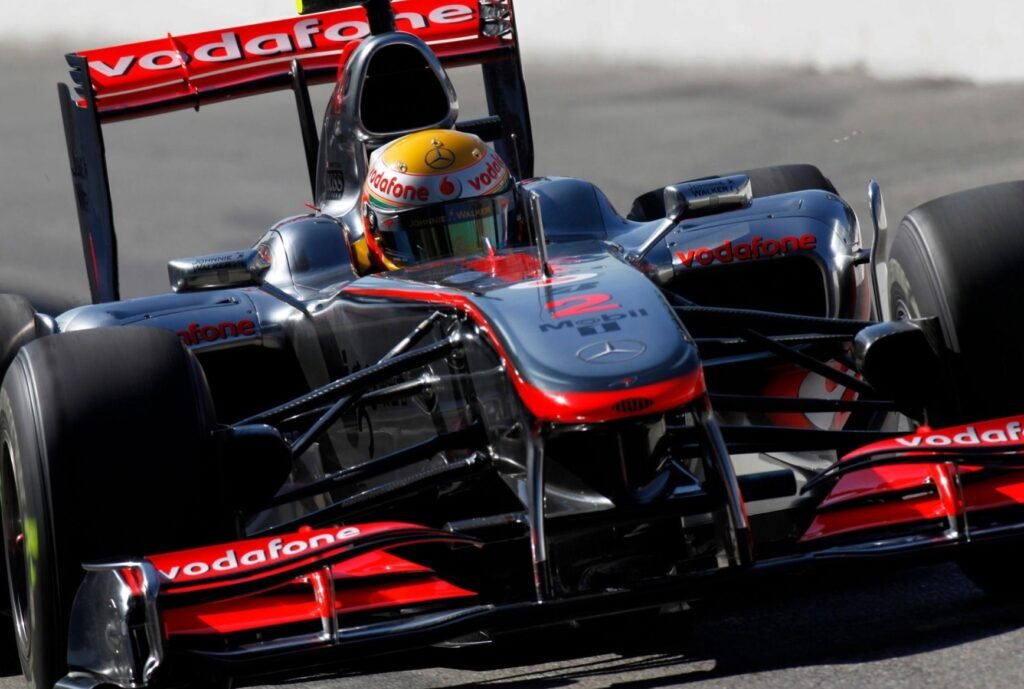
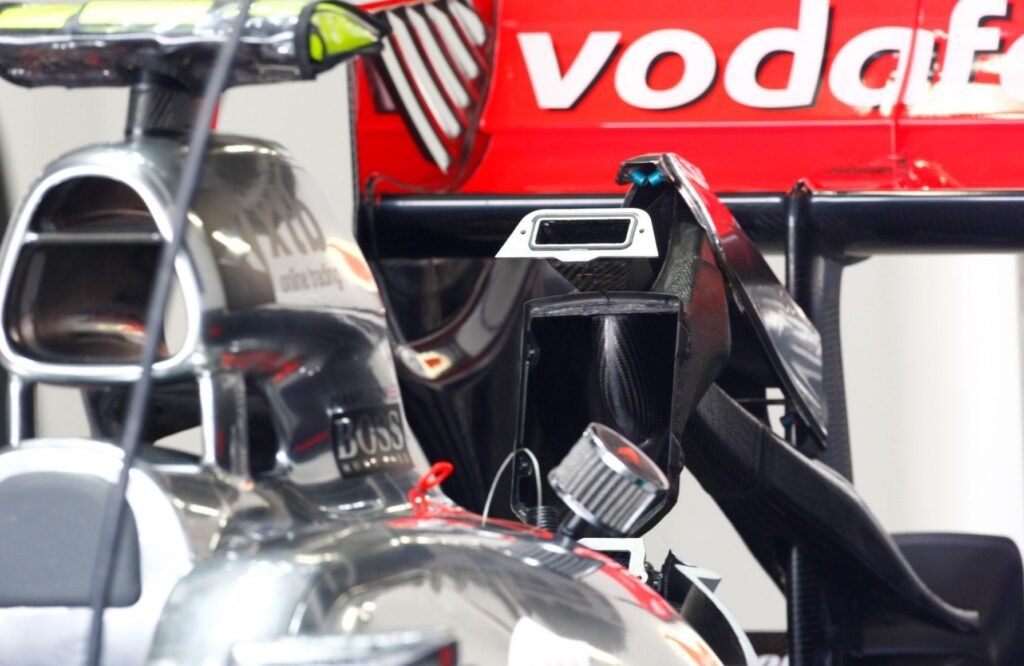
McLaren found a unique solution with the F-Duct system.
The regulations banned movable aerodynamic devices, but McLaren discovered a loophole.
They created a hidden airflow channel that connected the front of the car to the rear wing.
When activated, the airflow disrupted the rear wing’s effectiveness, reducing drag and increasing straight-line speed.
The genius part?
The system was controlled by the driver’s body.
The driver would cover a small cockpit opening with their knee, redirecting airflow through the system.
The human body effectively became part of the aerodynamic mechanism.
Other teams rushed to copy the idea, but FIA considered the system too dangerous.
For 2011, F-Duct systems were officially banned.
9. Flexible Wings: The Never-Ending Aero War (2010–Present)
Few loopholes have created more controversy than flexible wings.
The concept is simple:
A Formula 1 wing must pass FIA’s static load tests while the car is stationary.
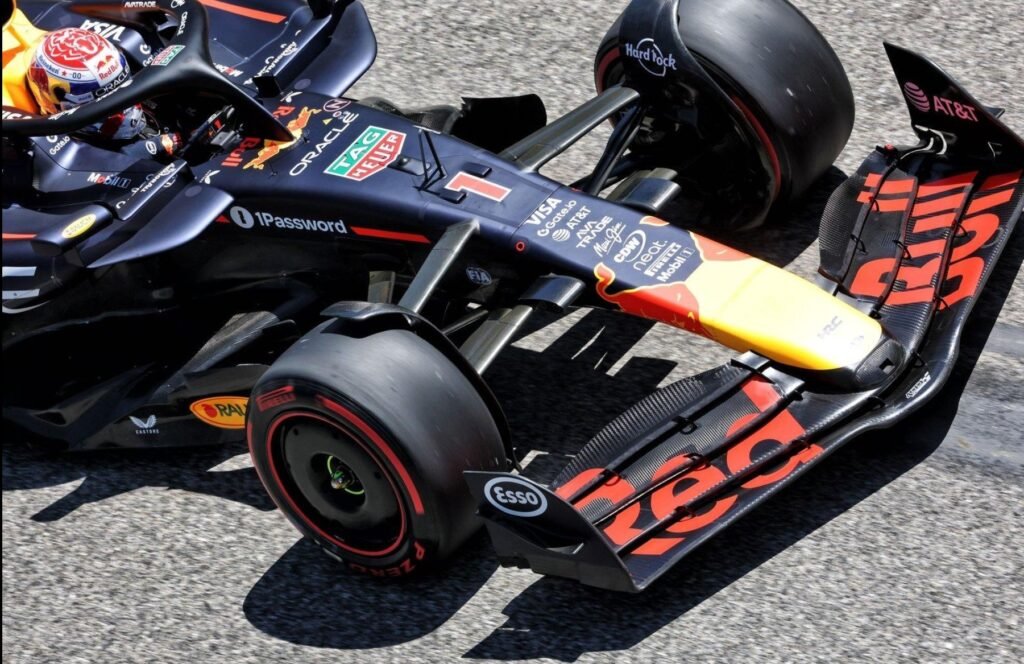
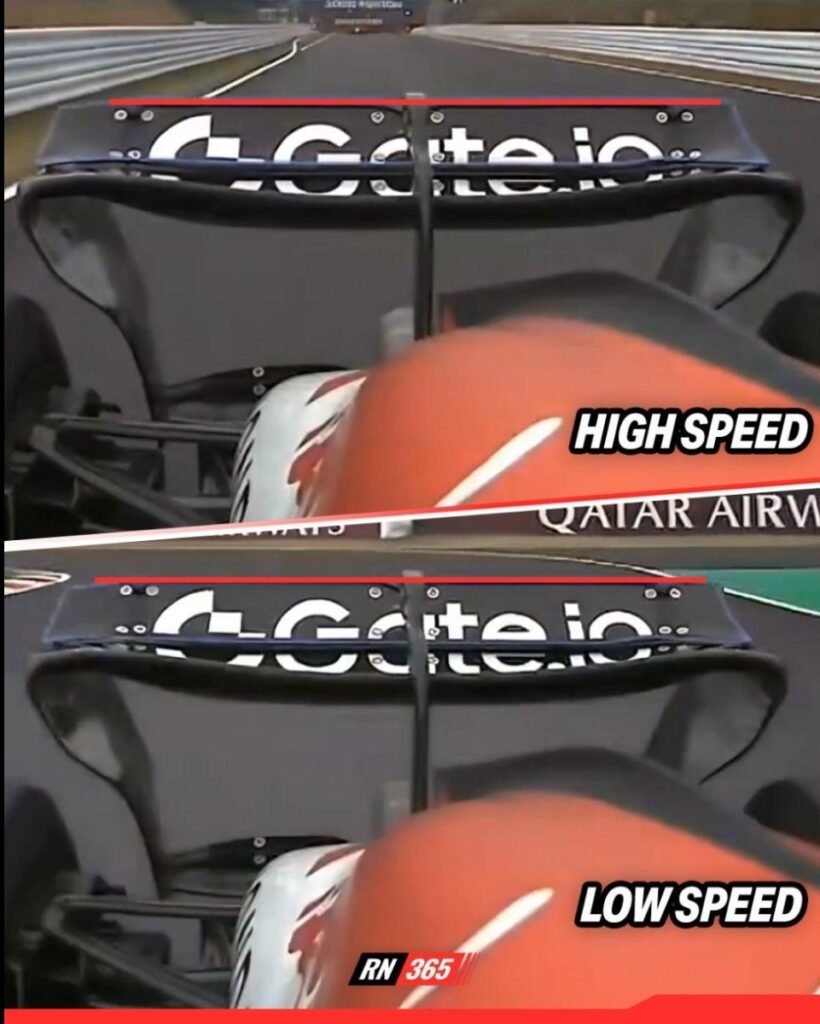
But engineers discovered that a wing could be stiff during testing and flexible at high speed.
Using advanced carbon fiber construction, teams could create wings that behaved differently depending on the forces applied.
At high speeds:
- Front wings could move closer to the ground for extra grip
- Rear wings could flex backward to reduce drag
Adrian Newey and Red Bull became famous for exploiting aerodynamic flexibility.
Every year FIA introduced stricter tests, but engineers continued finding new solutions.
The battle between regulators and designers became an endless technological arms race.
10. Ferrari Fuel Flow Trick: The Mysterious SF90 Power Advantage (2019)
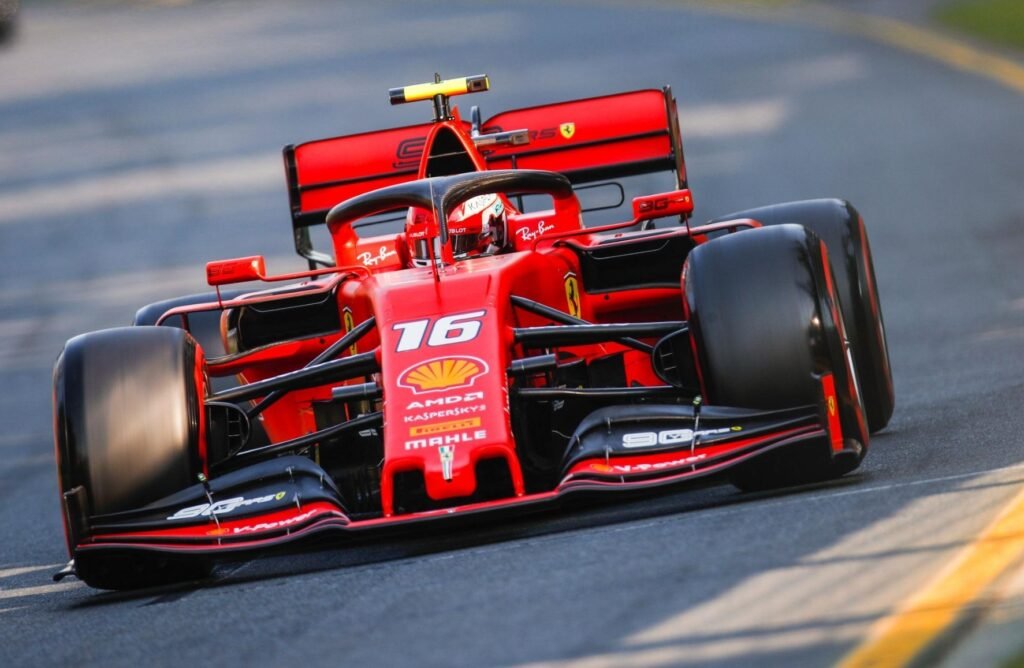
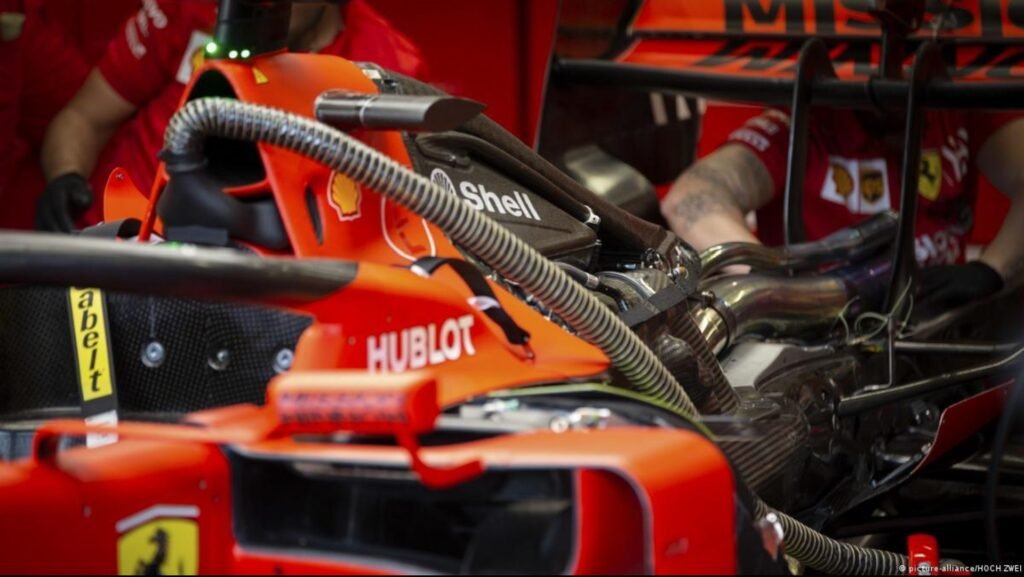
In 2019, Ferrari suddenly became almost unbeatable on straights.
The SF90 had incredible acceleration and top speed, leaving rivals confused.
The problem?
FIA regulations limited fuel flow to 100 kilograms per hour.
To monitor this, FIA used ultrasonic sensors.
Red Bull suspected Ferrari had discovered a way around the system and asked FIA a clever question:
Could a team manipulate the sensor reading frequency?
The exact technical details were never publicly confirmed, but many experts believed Ferrari may have exploited a phenomenon known as aliasing.
The theory suggested Ferrari could inject extra fuel during moments when the sensor was less effective at measuring flow.
After FIA issued a technical clarification, Ferrari’s straight-line advantage suddenly disappeared.
A confidential settlement was later reached between Ferrari and FIA.
The controversy remains one of the biggest technical mysteries of modern F1.
11. Mercedes DAS: The Steering Wheel That Changed Tire Behavior (2020)
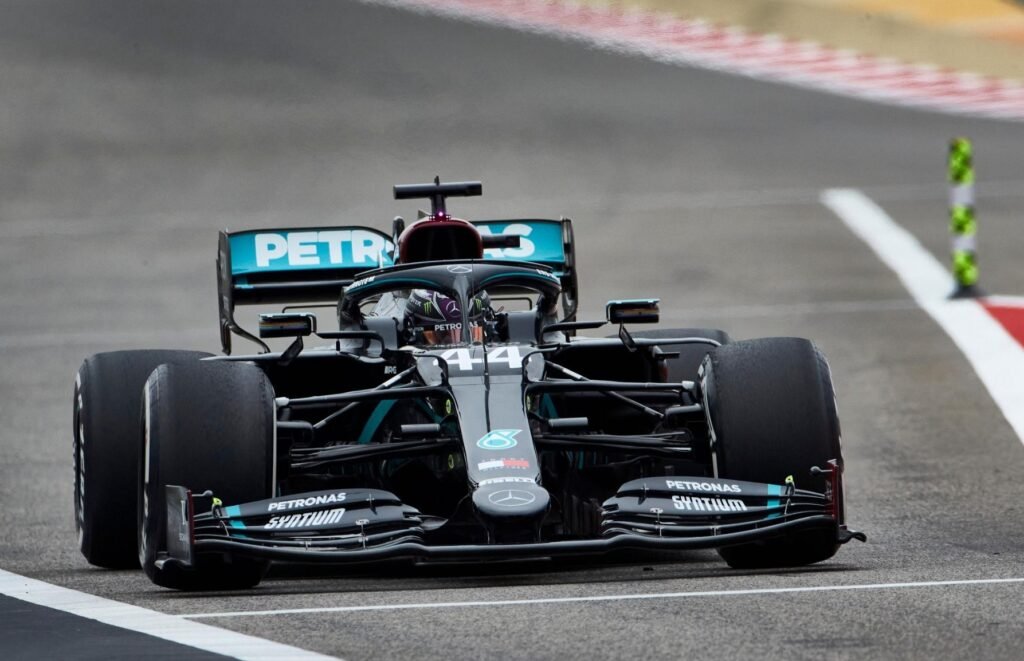
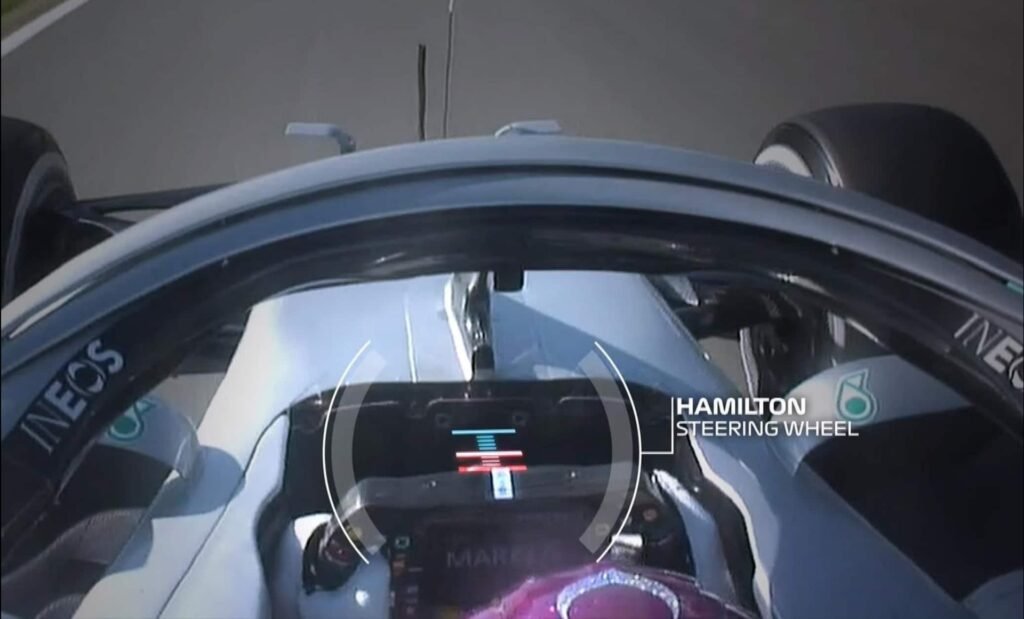
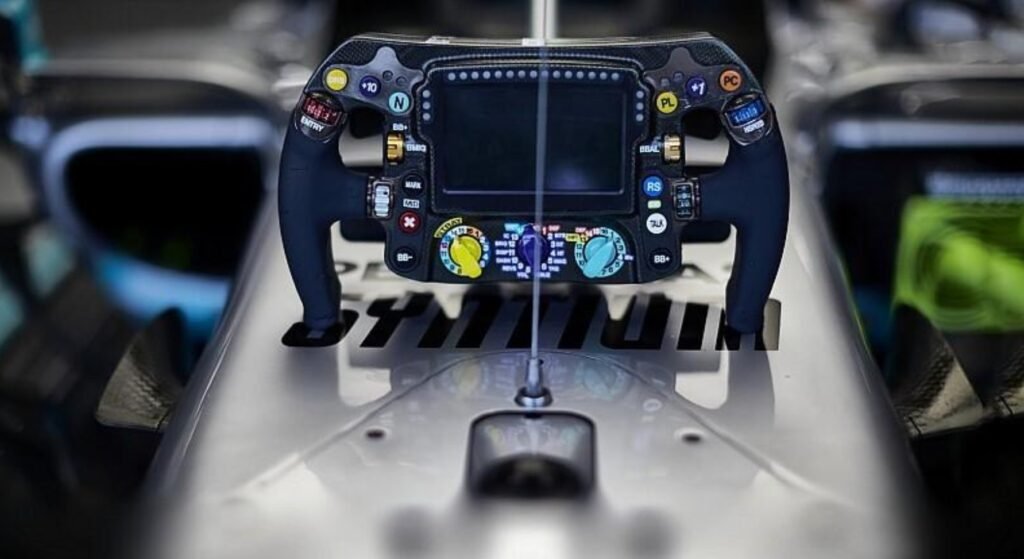
During 2020 preseason testing in Barcelona, Mercedes shocked the world.
Onboard cameras showed Lewis Hamilton pulling the steering wheel toward himself on the straight.
It looked like something from an airplane cockpit.
The system was called DAS — Dual Axis Steering.
Normally, F1 cars run with front wheel toe angles designed for cornering performance. But on straights, this creates extra tire drag.
Mercedes designed a system that allowed the driver to push and pull the steering wheel to change the front wheel alignment.
Benefits:
- Reduced tire wear on straights
- Better straight-line efficiency
- Improved tire temperature control
Red Bull protested, arguing that the system changed suspension geometry while the car was moving.
Mercedes responded that they were not changing suspension — they were simply changing steering input.
FIA accepted the explanation.
However, the system was banned for 2021.
Mercedes still went on to win the championship with the legendary W11.
12. Aston Martin “Armchair Wing”: A Fake Return of the Old Wing Plate (2022)
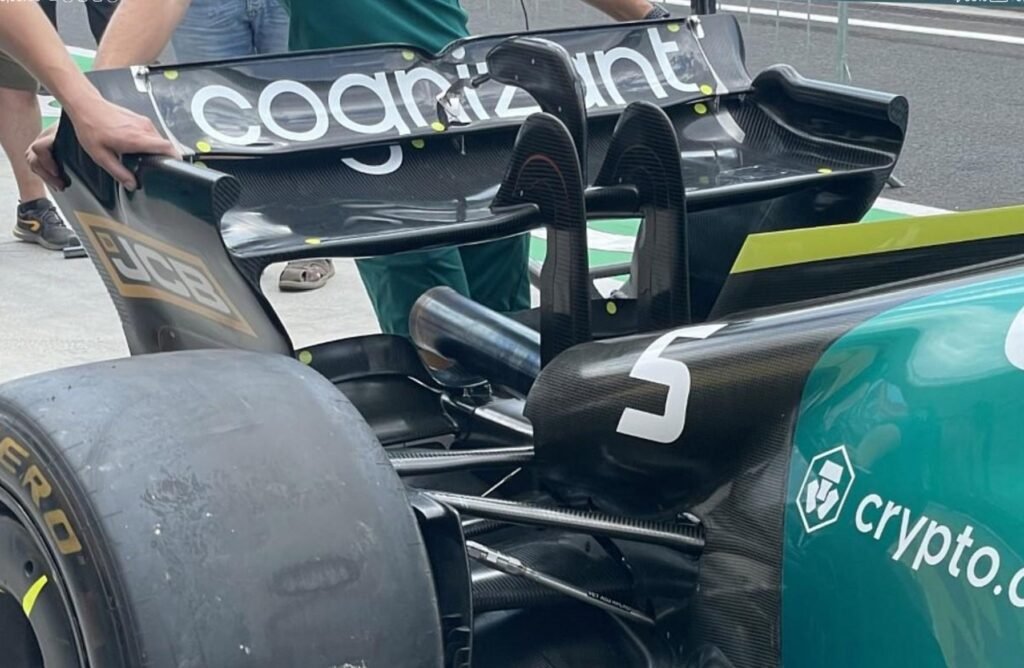
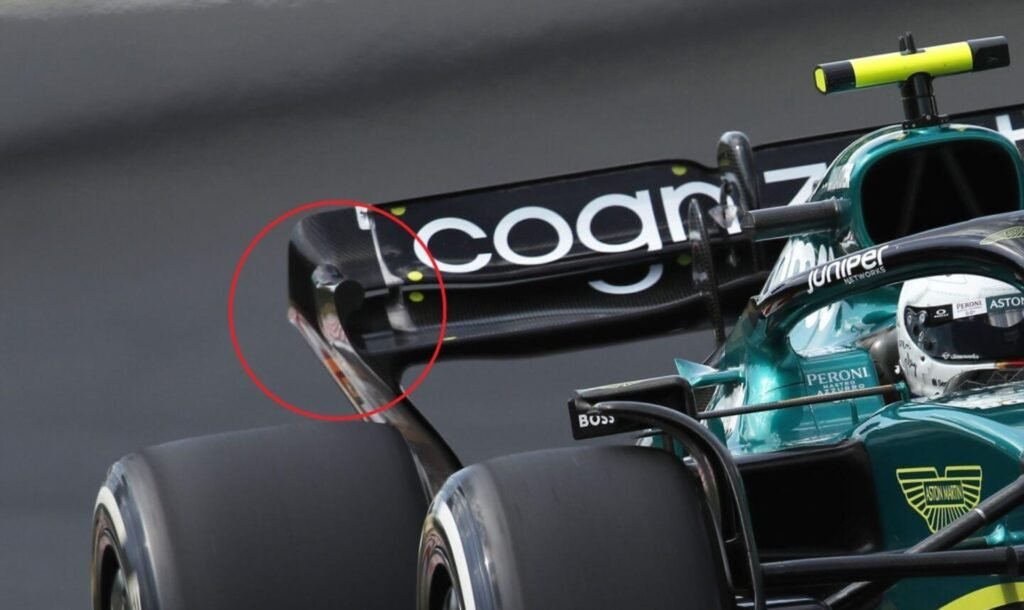
In 2022, FIA introduced new aerodynamic rules designed to reduce dirty air.
Traditional sharp vertical wing plates were heavily restricted.
But Aston Martin discovered a creative interpretation of the regulations.
Instead of creating a traditional wing plate, they shaped the end of the rear wing into a curved structure that effectively recreated the aerodynamic effect.
Mathematically, it followed the rules.
Functionally, it achieved something FIA wanted to eliminate.
The design became known in the paddock as a clever loophole.
However, FIA quickly changed the regulations and banned the concept for 2023.
13. McLaren Mini DRS: The Flexible Wing That Created a 2024 Storm
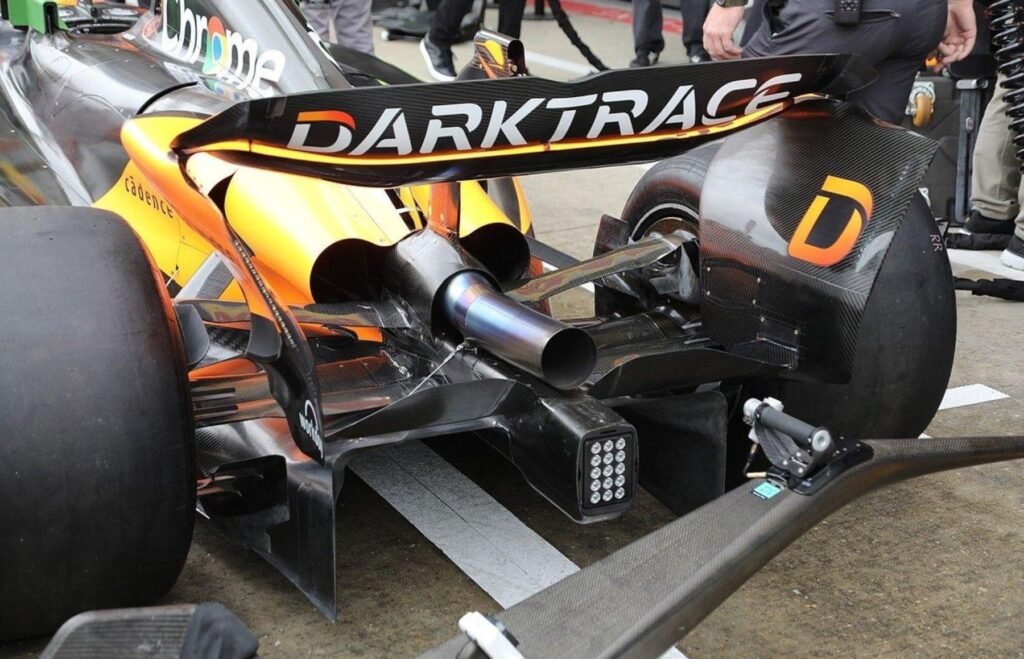
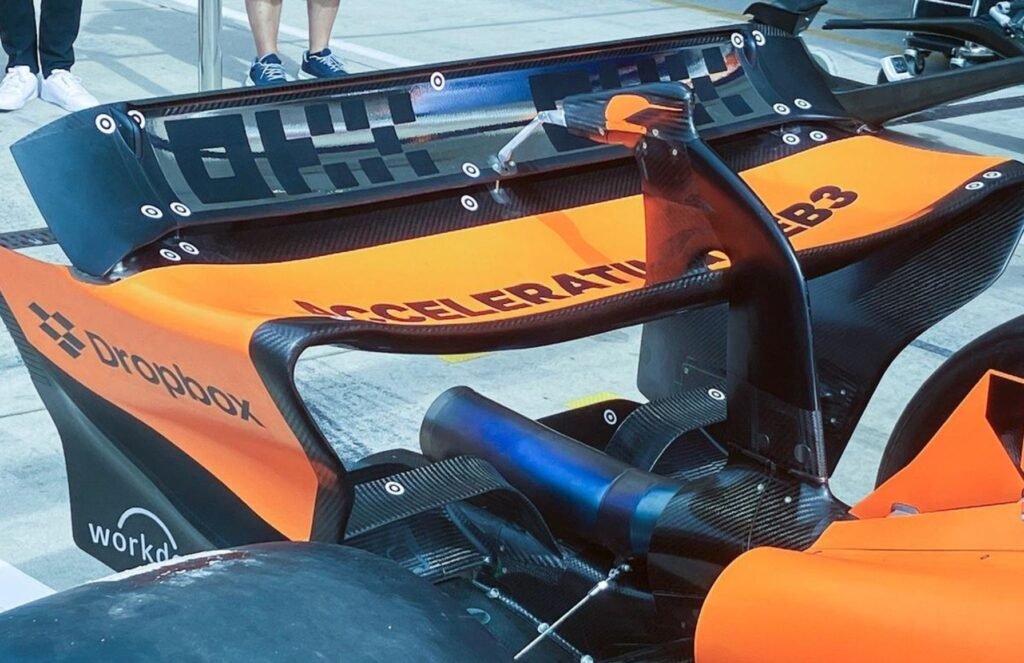
During the second half of the 2024 season, McLaren shocked the Formula 1 paddock with a controversial rear wing design.
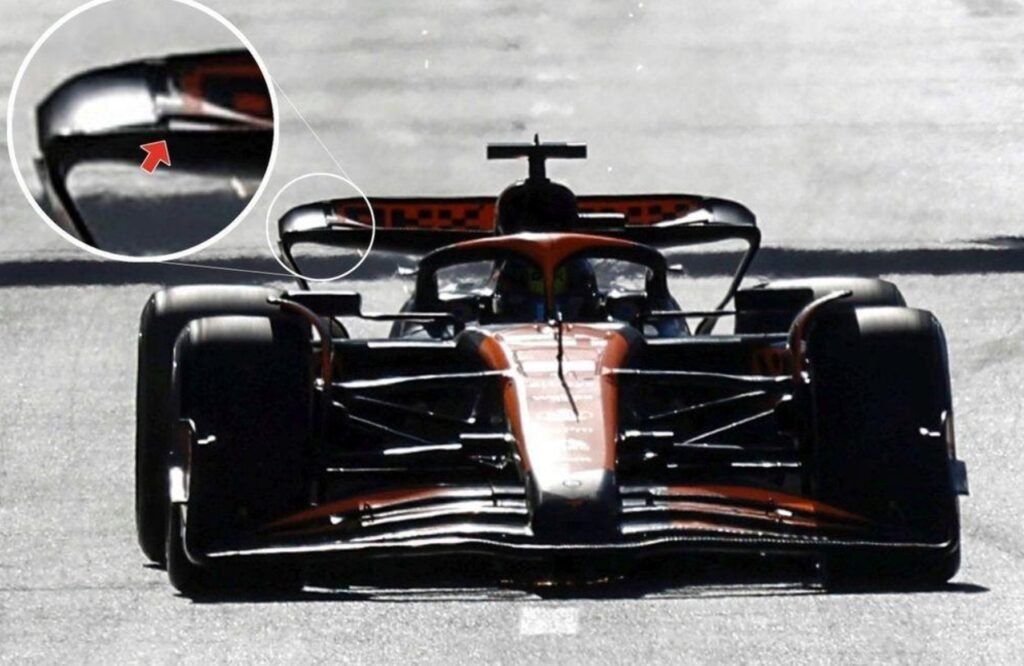
The issue appeared during the Azerbaijan Grand Prix when onboard footage from Oscar Piastri’s car showed the rear wing changing shape at high speed.
At low speeds and during FIA inspections, the wing remained stiff and passed all official tests.
But when the car reached maximum speed, aerodynamic pressure caused parts of the wing to flex, creating a small opening that reduced drag.
The effect was similar to a partial DRS system:
- Less aerodynamic resistance on straights
- Higher top speed
- Better overtaking ability
Rivals questioned whether the design violated the spirit of the regulations.
However, McLaren argued that the wing fully complied with FIA’s existing load tests.
Before FIA officially forced changes, McLaren voluntarily modified the design to avoid further controversy.
The incident once again highlighted the endless battle between FIA testing methods and engineering creativity.
14. Red Bull Floor Device Controversy: The Hidden Adjustment Debate (2024)
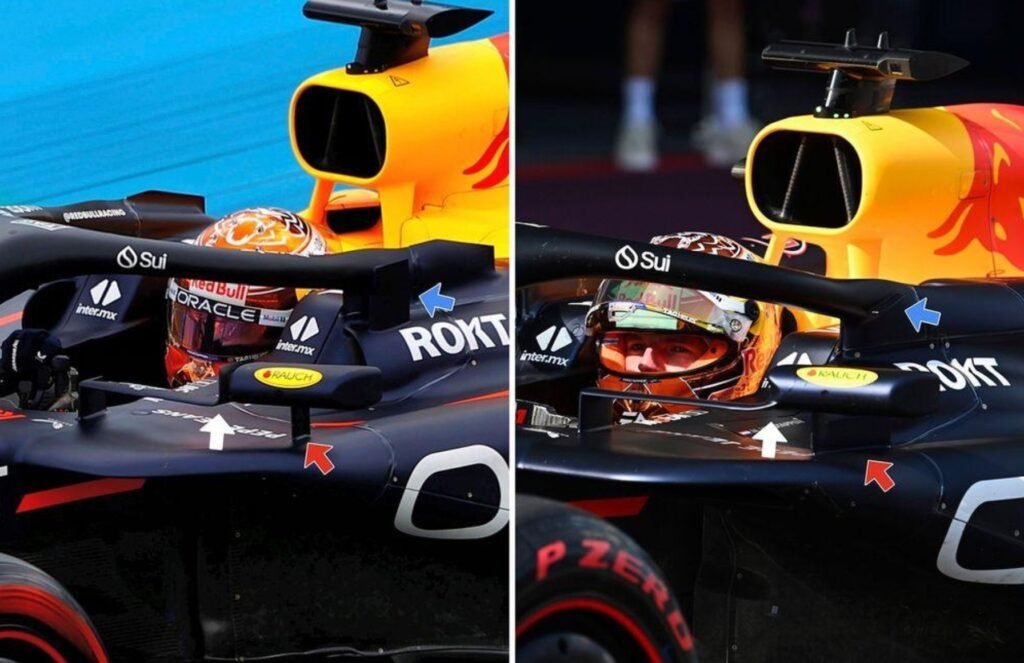
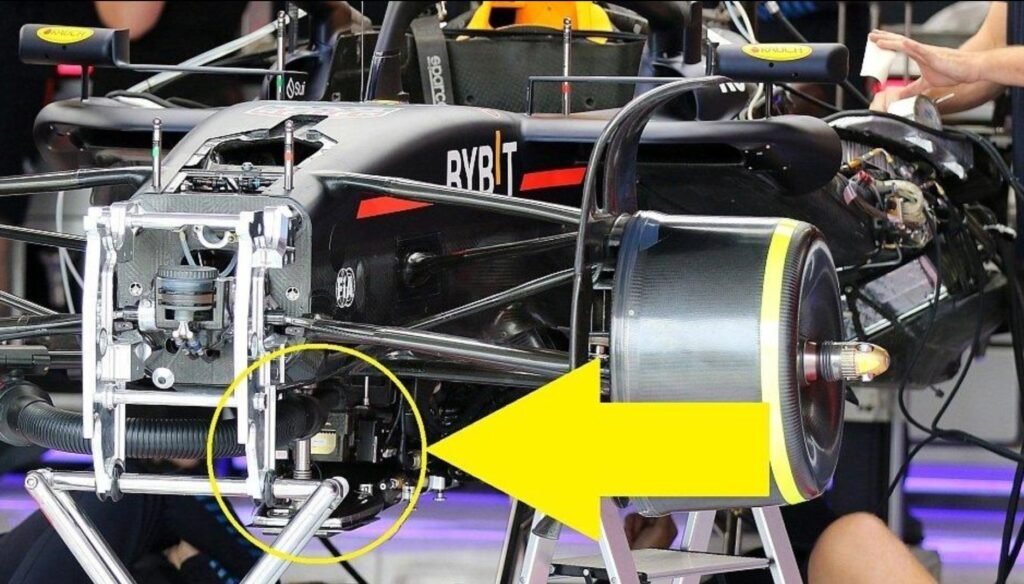
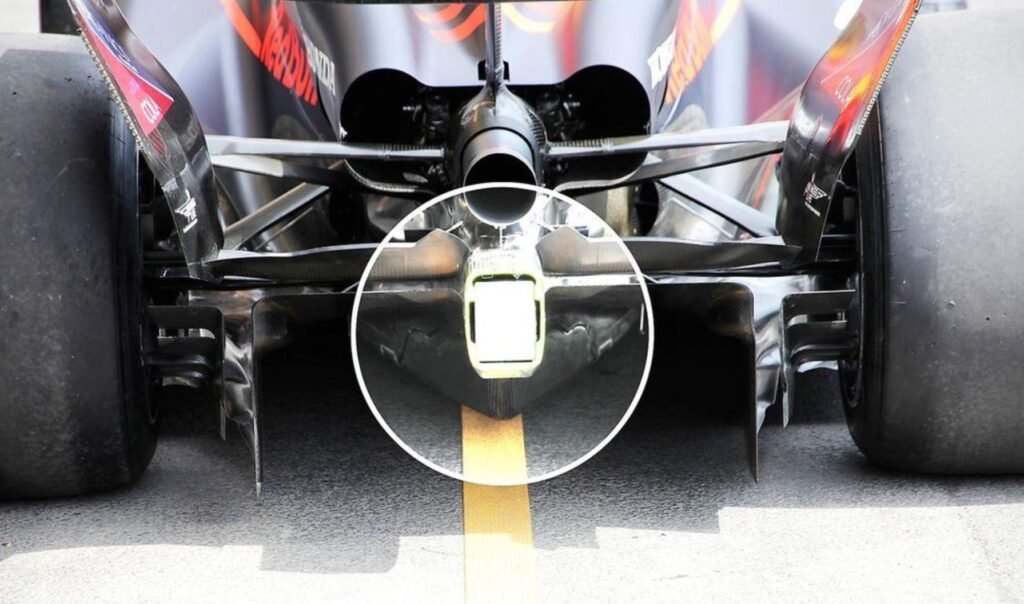
In the ground-effect era, the floor of an F1 car has become one of the most important performance areas.
The height of the floor can dramatically affect downforce and aerodynamic efficiency.
Late in the 2024 season, rivals questioned Red Bull after reports emerged about a possible adjustable mechanism inside the cockpit area connected to the front floor.
Teams suspected the device could allow changes to the car’s ride height.
Red Bull denied any wrongdoing, explaining that the mechanism could not be adjusted once the car was fully assembled.
FIA investigated the situation and introduced additional measures to ensure teams could not access or modify such systems during competition.
The controversy became another example of how small mechanical details can create major political battles in F1.
15. Asymmetric Brakes: The Secret Cornering Weapon That Never Became Officially Confirmed
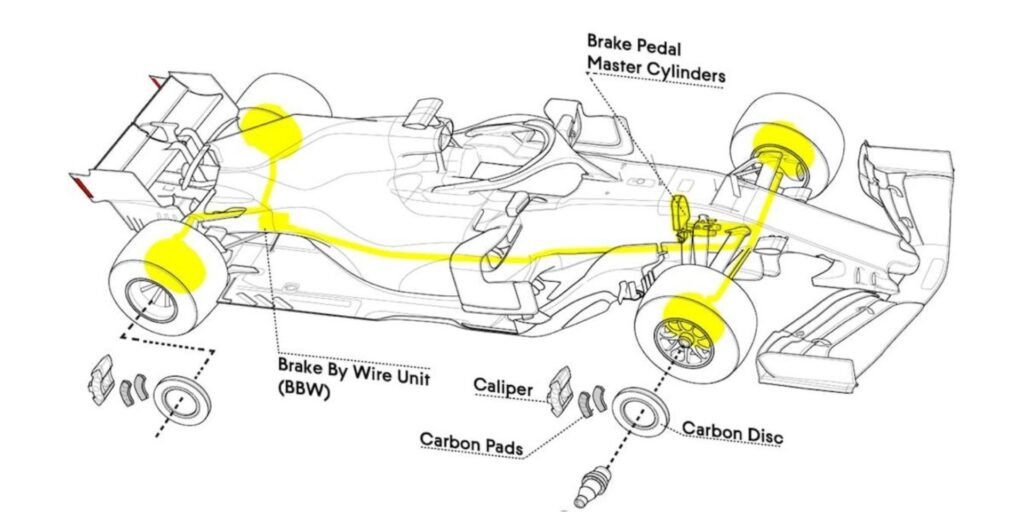
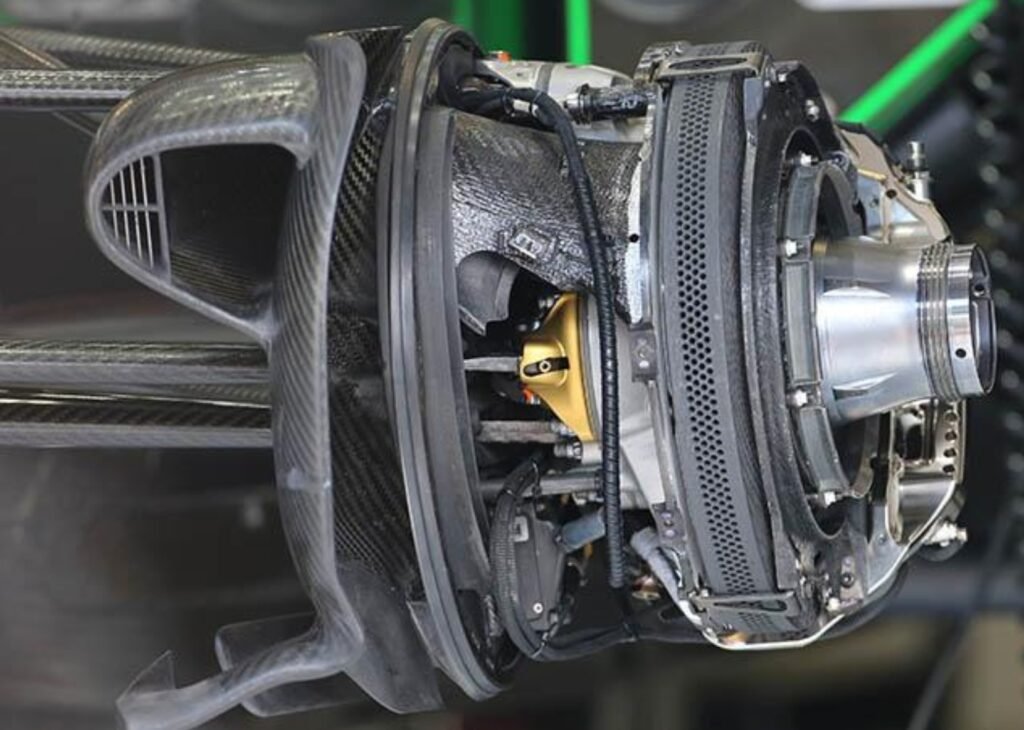
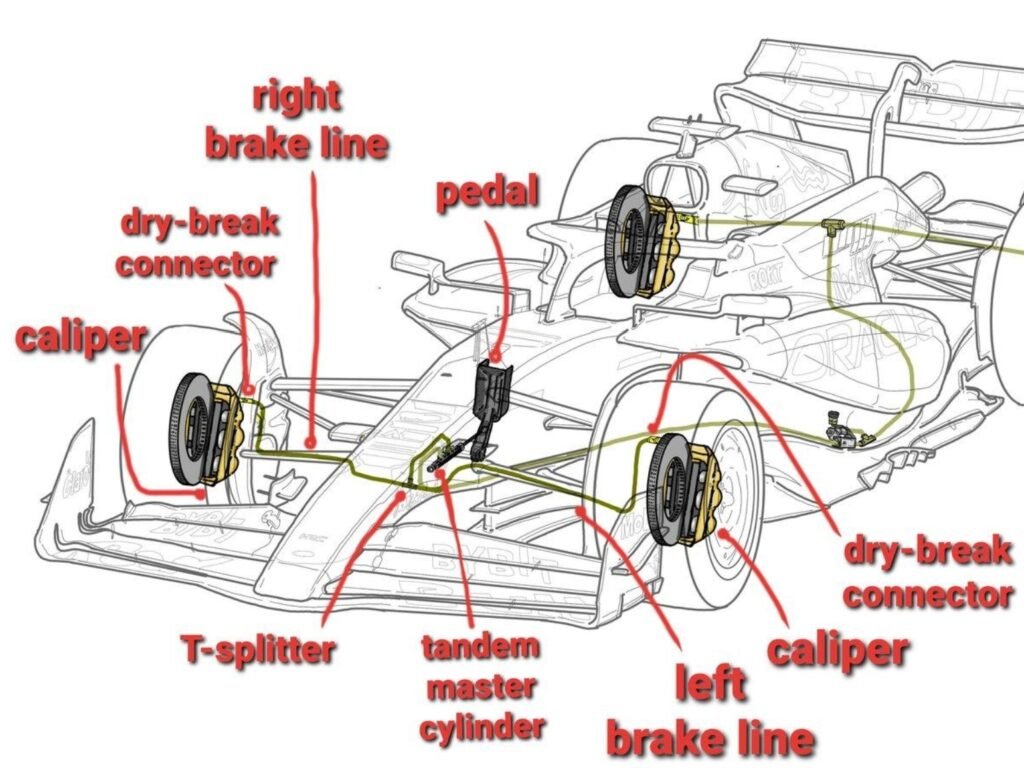
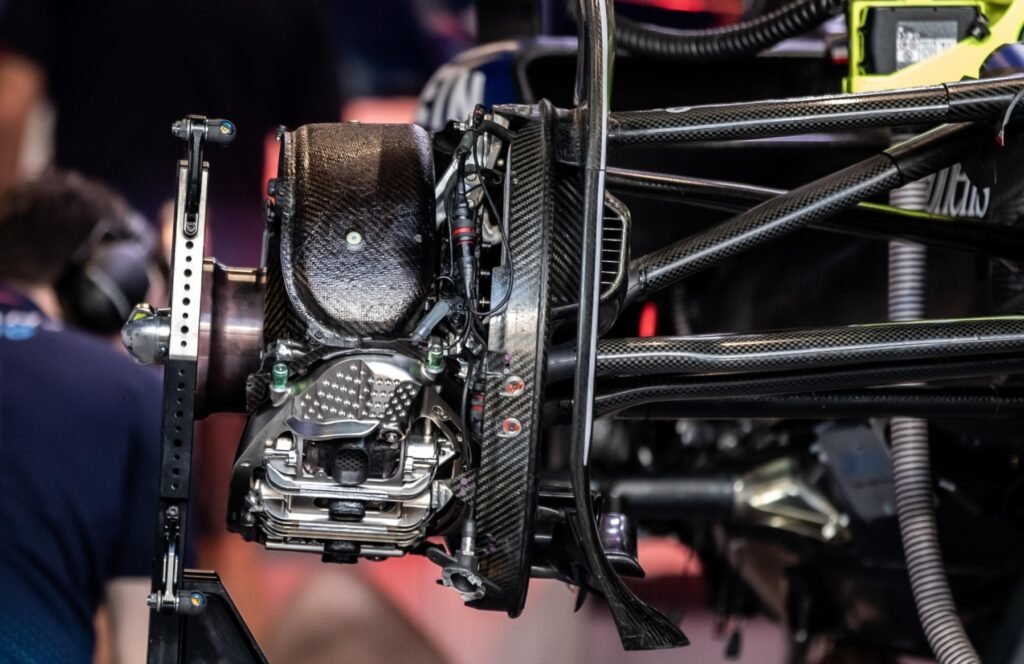
In 2024, FIA suddenly introduced stricter rules banning asymmetric braking systems.
Officially, FIA stated that no team had been caught using an illegal system.
However, paddock rumors suggested that someone may have explored a clever hydraulic solution.
The idea was similar to McLaren’s third brake pedal from 1997.
By applying different braking forces to each rear wheel, a car could rotate more easily through corners.
A hidden hydraulic valve could theoretically provide:
- Better corner entry
- Reduced understeer
- Improved rotation
The rumors became stronger when some teams experienced sudden performance changes during the season.
But without official confirmation, the asymmetric brake system remains one of F1’s modern mysteries.
16. Plank Wear Loopholes: The Floor Battle of the Ground Effect Era
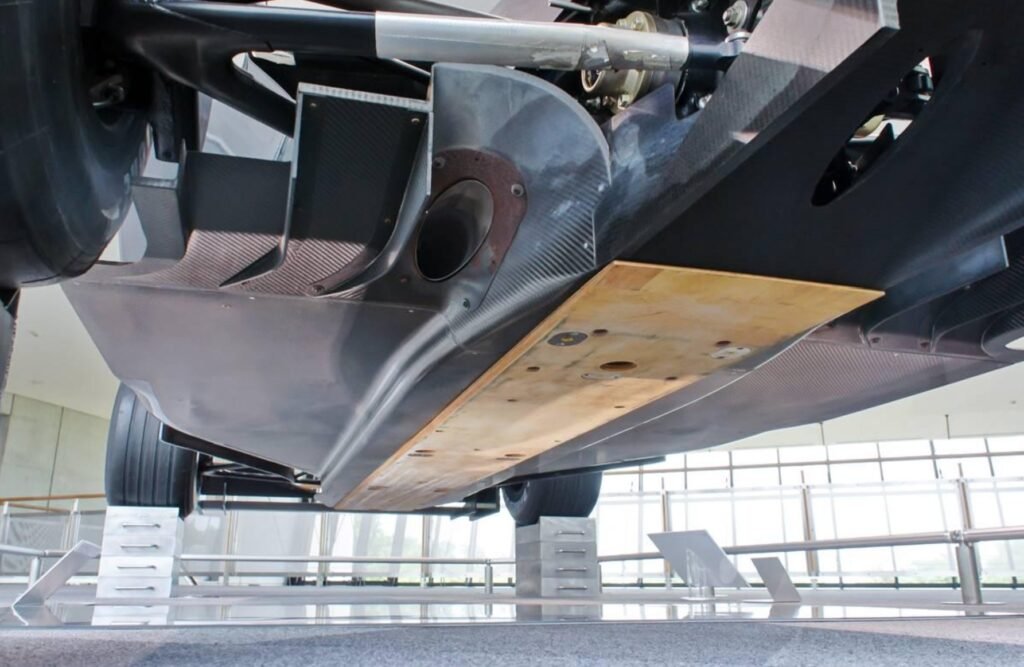
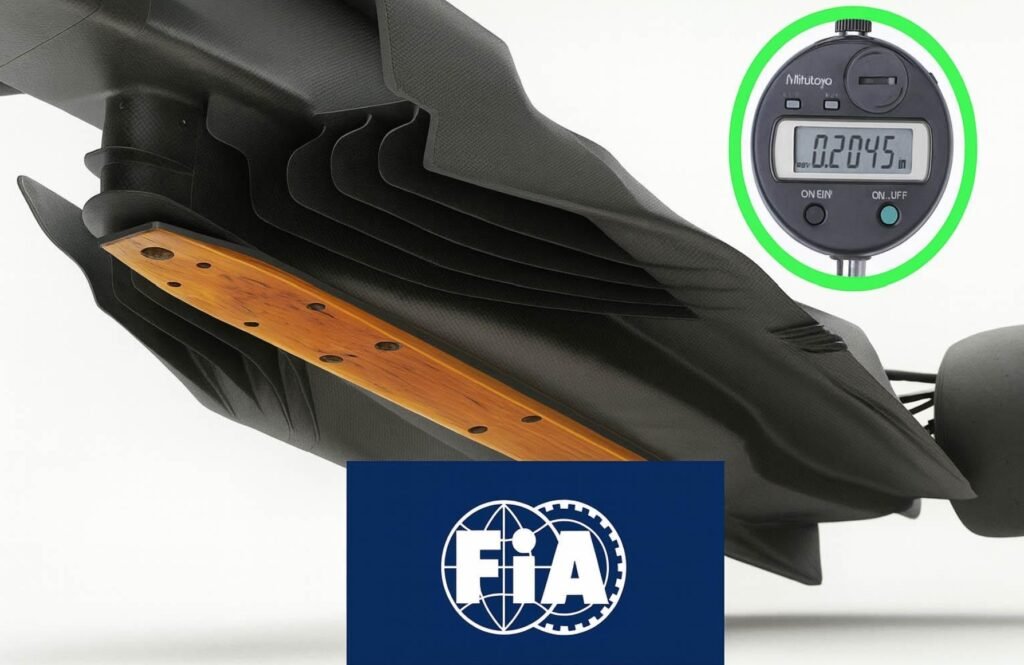
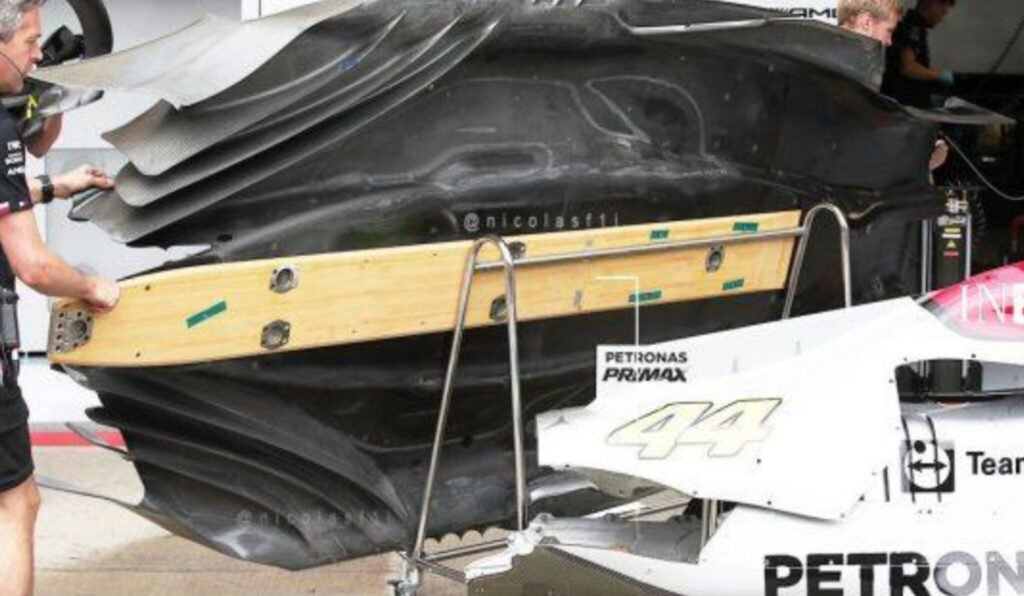
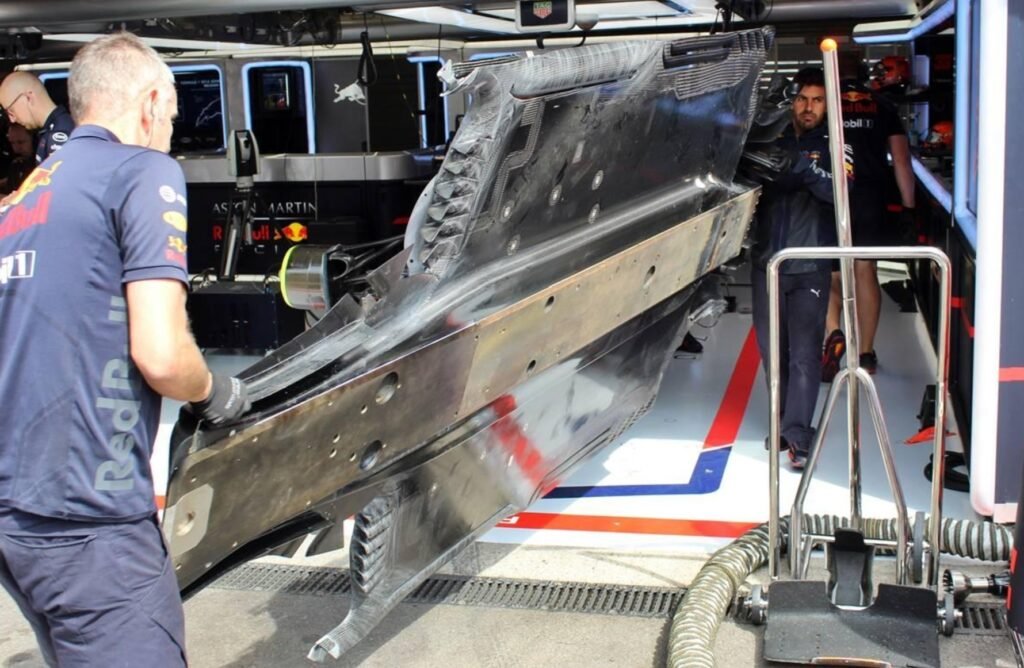
Since the return of ground-effect regulations, the floor of an F1 car has become a critical weapon.
Every car uses a wooden composite plank underneath the floor.
The rules are strict:
After a race, the plank cannot wear beyond the permitted limit.
If it becomes too thin, the car is immediately disqualified.
Historically, teams have searched for ways to protect this area while keeping the car extremely low.
Some theories suggested teams experimented with advanced materials or temperature manipulation around the titanium skid blocks.
The idea was that changing material behavior could help the plank survive heavy contact with the track.
However, many engineers questioned whether such methods would create a meaningful advantage.
The physics simply did not support some of the more extreme rumors.
Still, FIA increased monitoring to prevent future exploitation.
17. The “Water in Tires” Mystery: Cooling Trick or Just a Rival Theory?
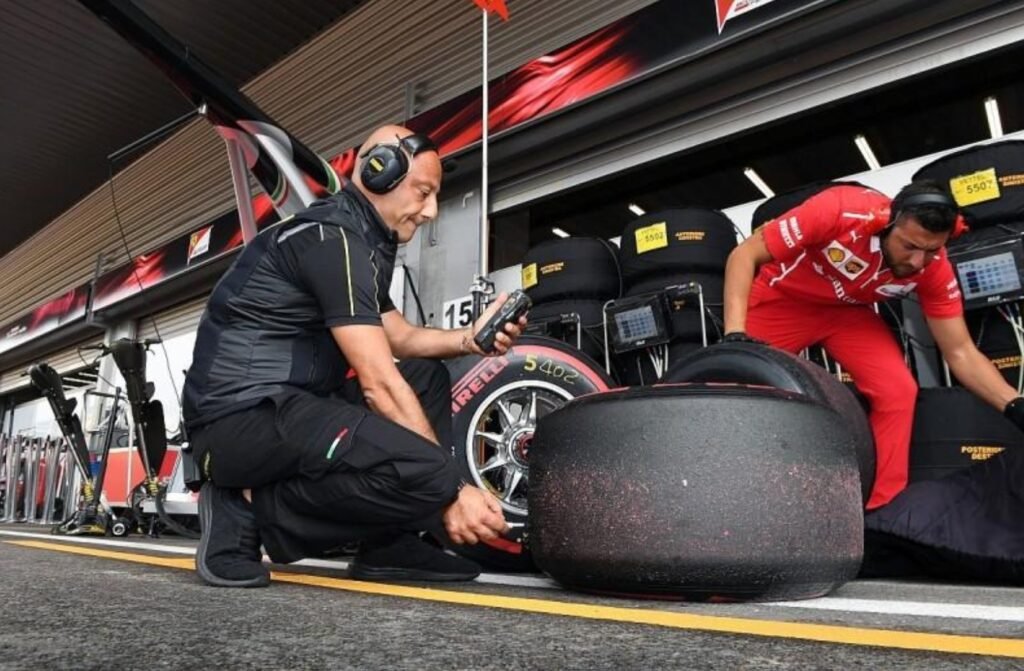
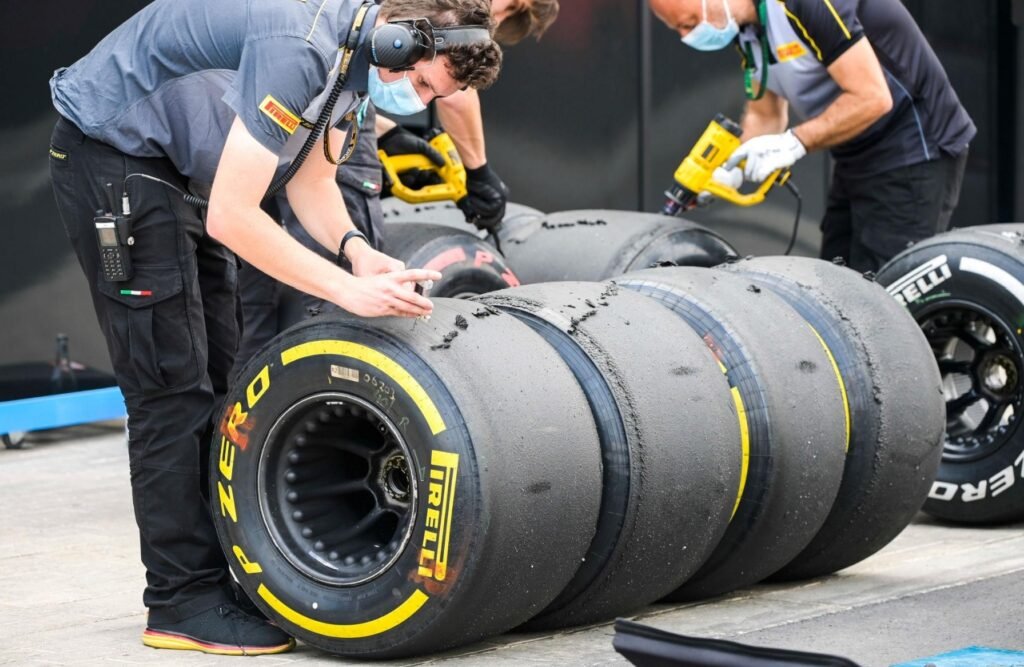
When McLaren became extremely competitive during the end of 2024, rivals began searching for explanations.
One theory suggested that a team may have been adding liquid into Pirelli tires.
The idea was fascinating.
If water or another liquid existed inside the tire, heat could theoretically transform it into vapor, helping control tire temperatures from inside.
Potential advantages:
- Better tire durability
- More stable temperatures
- Reduced overheating
However, FIA and Pirelli investigated the claims and found no evidence of illegal substances.
The “water tire” theory remained exactly that — a theory.
But it showed how suspicious teams become when one competitor suddenly finds a major advantage.
18. Pit Lane Fuel Saving Trick: The Forgotten Starting Grid Loophole
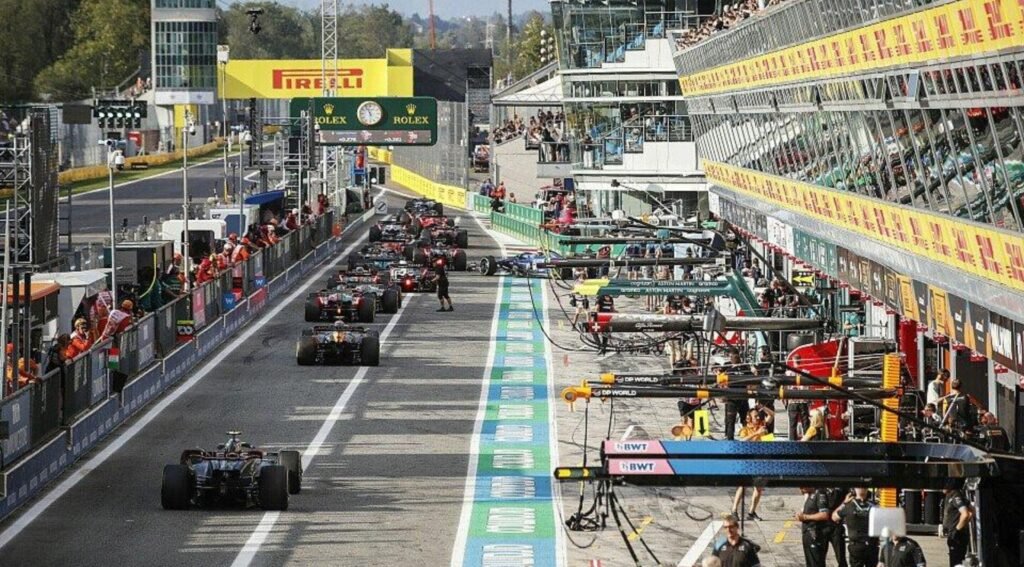
Before rule changes in 2025, cars starting from the pit lane had a unique advantage in certain situations.
Normally, drivers on the grid completed a formation lap before the race.
During unusual situations, such as:
- Aborted starts
- Extreme weather delays
Cars already on the track had to complete additional laps, burning valuable fuel.
Meanwhile, cars waiting in the pit lane could remain stationary with the engine off.
The result?
They could save fuel before the race even started.
It was a small advantage, but in modern F1, small advantages matter.
19. McLaren Brake Cooling Controversy: The “Fridge Brake” Mystery (2025)
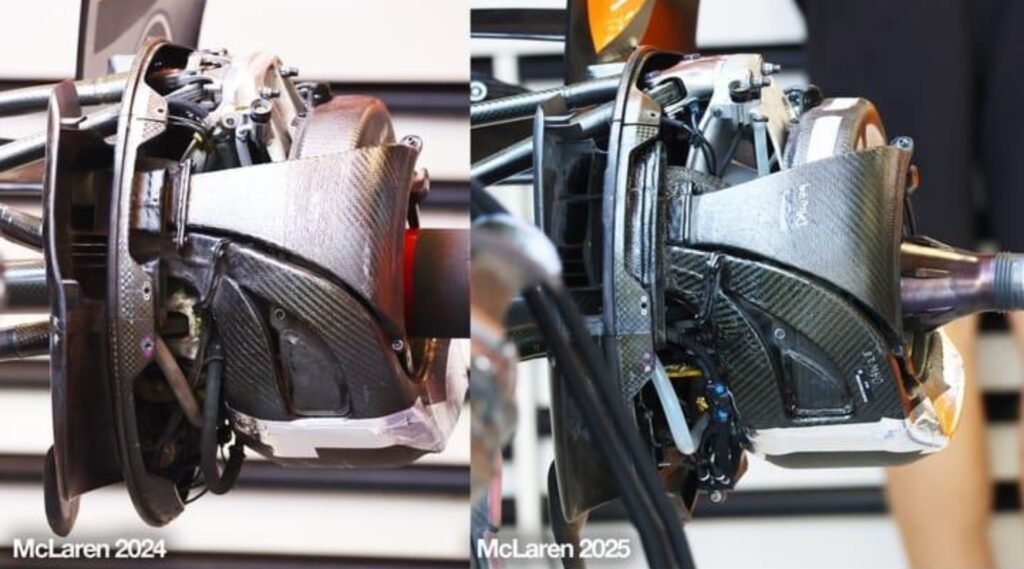
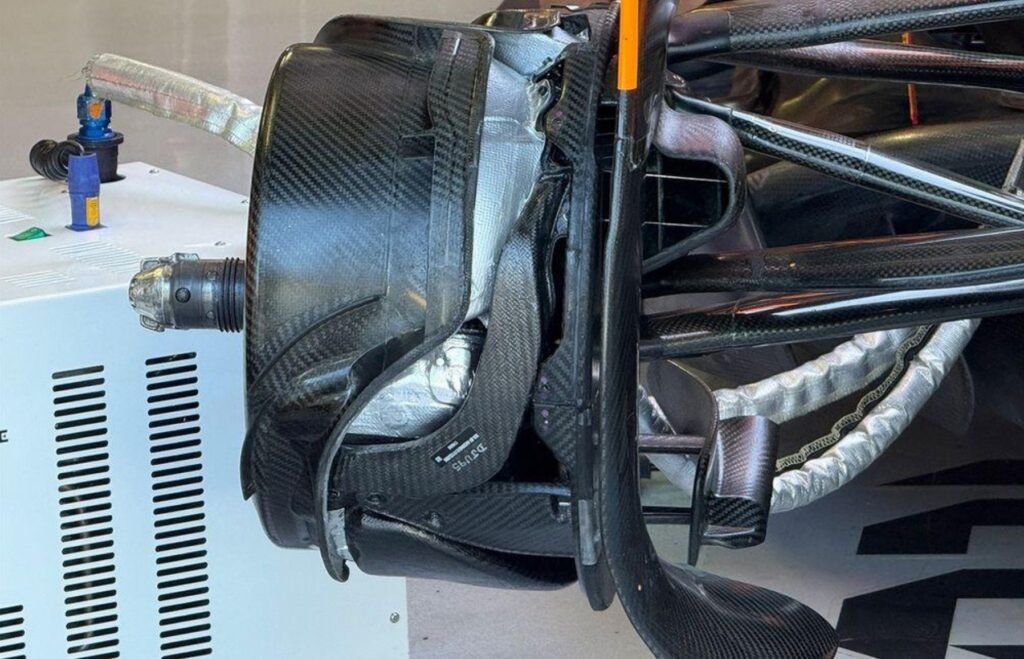
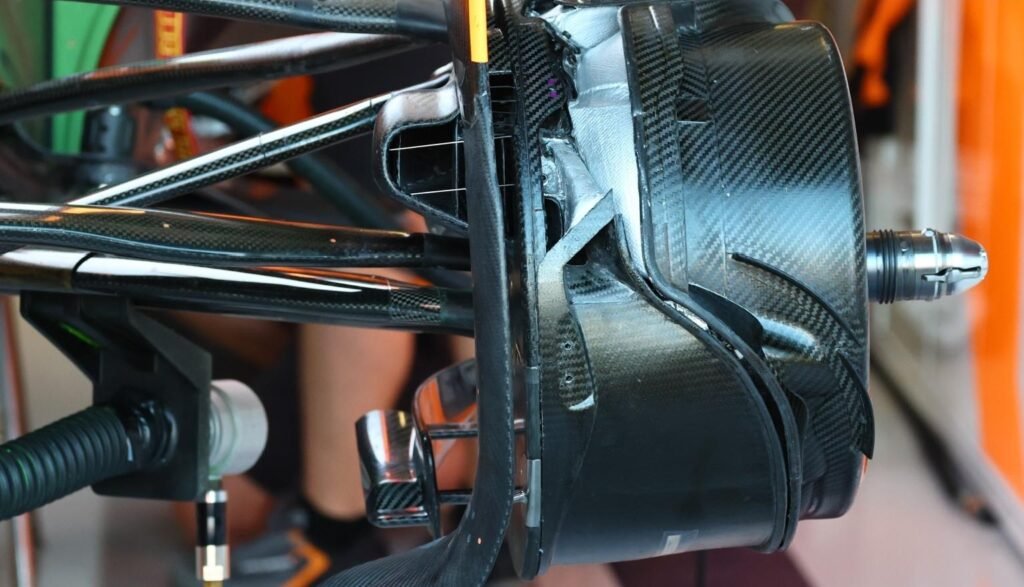
At the 2025 Miami Grand Prix, rival teams noticed something unusual about McLaren’s rear brakes.
Thermal cameras showed their brake area appearing significantly cooler compared with other cars.
This created speculation that McLaren had discovered a hidden cooling advantage.
The theory suggested that airflow management around the brakes could prevent heat from transferring into the tires.
Red Bull raised questions about possible hidden methods, including rumors of liquid cooling.
McLaren team principal Zak Brown strongly rejected the accusations and challenged rivals to submit an official protest if they had evidence.
FIA inspected the system but found no violation.
Once again, the controversy became a battle of engineering suspicion rather than proven cheating.
20. 2026 Engine Expansion Trick: Using Physics Against the Rulebook
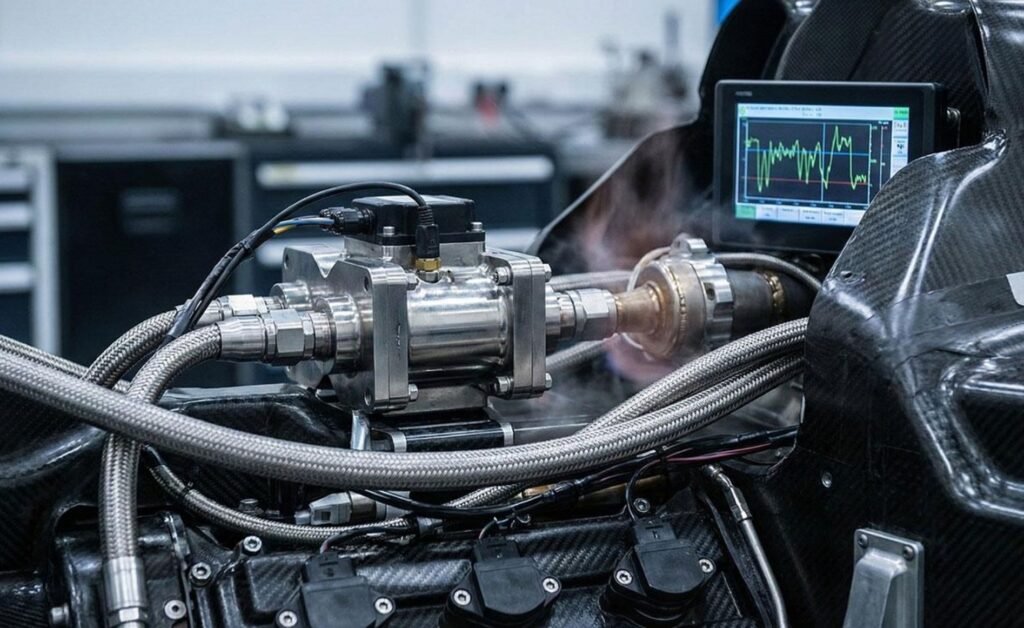

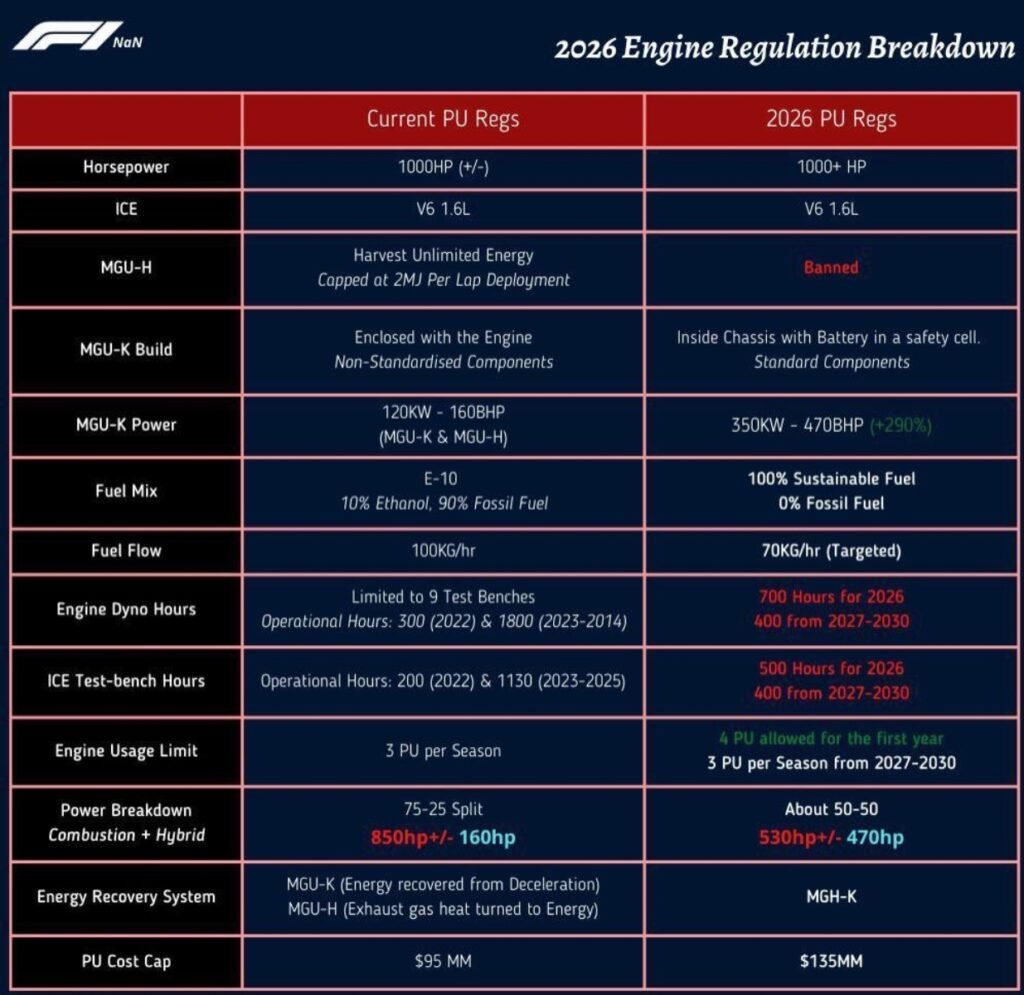
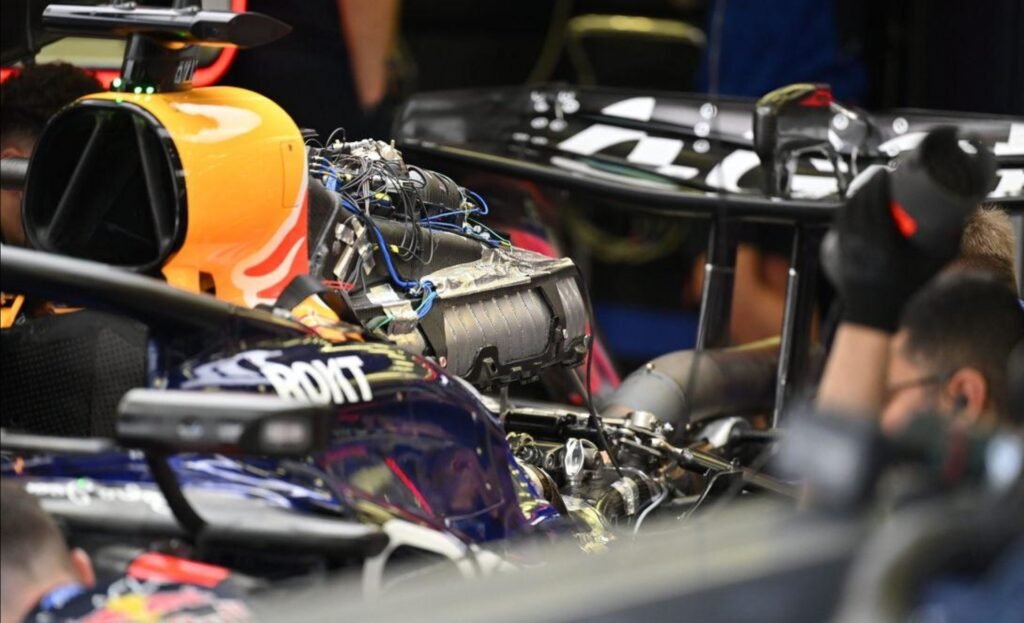
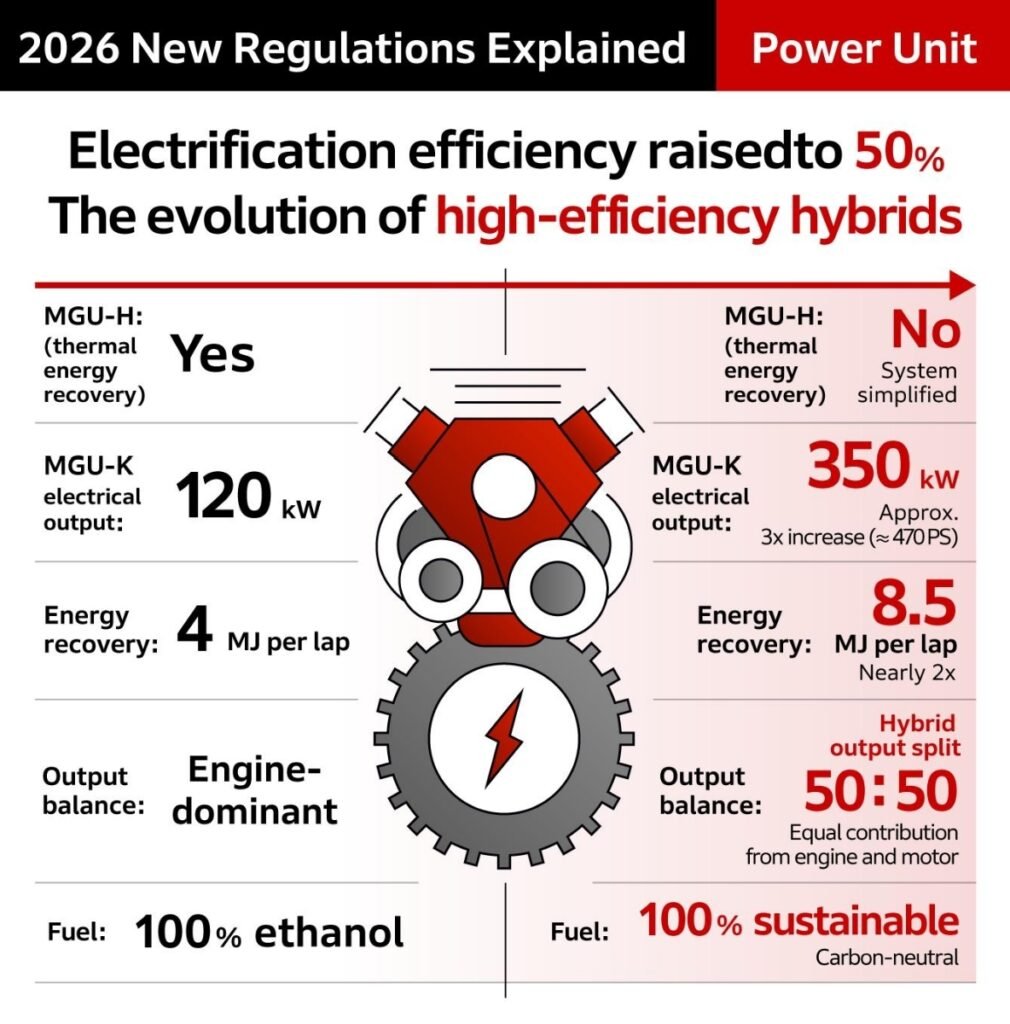
The latest chapter in Formula 1 loophole history comes with the 2026 engine regulations.
New power unit rules introduced stricter limits, including sustainable fuels and a reduced compression ratio limit.
However, some engineers reportedly looked at how materials behave under different temperatures.
The theory:
A component could meet the required measurement when cold but change slightly when operating at racing temperatures due to thermal expansion.
In simple terms:
- Engine passes inspection when cold
- Components expand when hot
- Performance could theoretically increase during racing conditions
The concept uses basic physics, but exploiting it in a real F1 engine would require extraordinary engineering precision.
FIA responded by strengthening testing procedures, requiring checks under more representative operating conditions.
The loophole, if it existed, would not survive for long.
From six wheels in 1976 to computer-controlled suspension, hidden pedals, flexible wings, and modern aerodynamic tricks, Formula 1 has always been a war of ideas.
The fastest car is not always created by breaking the rules.
Sometimes, it is created by understanding the rules better than everyone else.
That is what makes Formula 1 different.
Every regulation creates a limitation.
Every limitation creates a challenge.
And every challenge inspires someone to ask:
“What if the rules never said we couldn’t?”
Which F1 loophole do you think was the smartest of all time?
Share your opinion in the comments.

Adhe is part of the 88 Eight Box Editorial Team, covering JDM culture, motorsport, automotive technology, and industry news. The team focuses on delivering original automotive stories, reviews, and insights for enthusiasts worldwide.