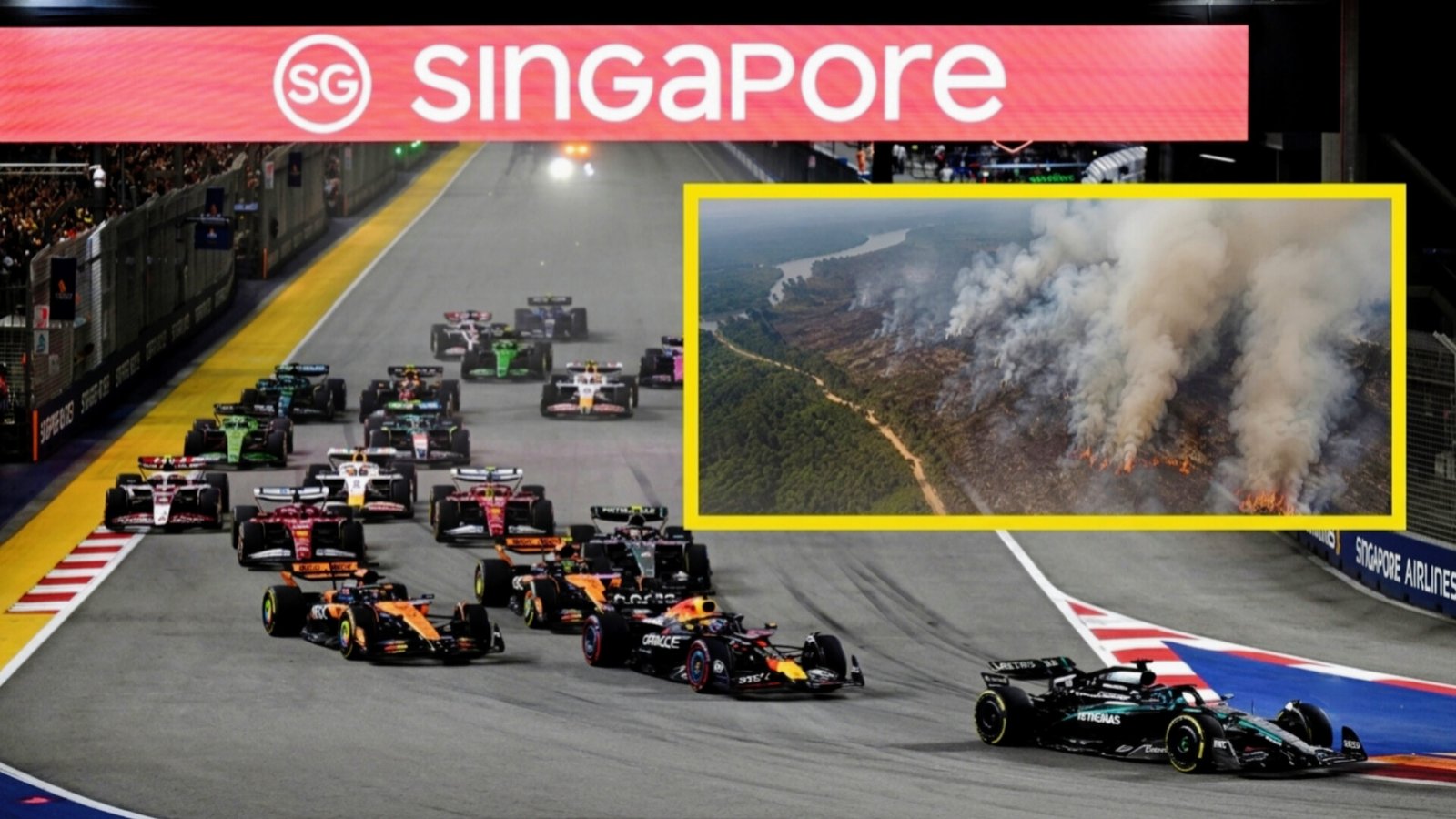
The 2026 Formula 1 Singapore Grand Prix, scheduled to take place in October, is once again facing a potential threat from cross-border haze caused by forest and land fires in Sumatra and Kalimantan.
Singapore authorities have warned that the risk of haze could be higher this year due to dry weather conditions and the influence of the El Niño phenomenon, which can increase the possibility of wildfires across parts of Southeast Asia.
The haze situation has become a recurring concern for the Singapore Grand Prix, one of Formula 1’s most iconic night races. Poor air quality could have a direct impact on the safety and comfort of drivers, teams, officials, and thousands of spectators attending the event at the Marina Bay Street Circuit.
Potential Impact on the Race
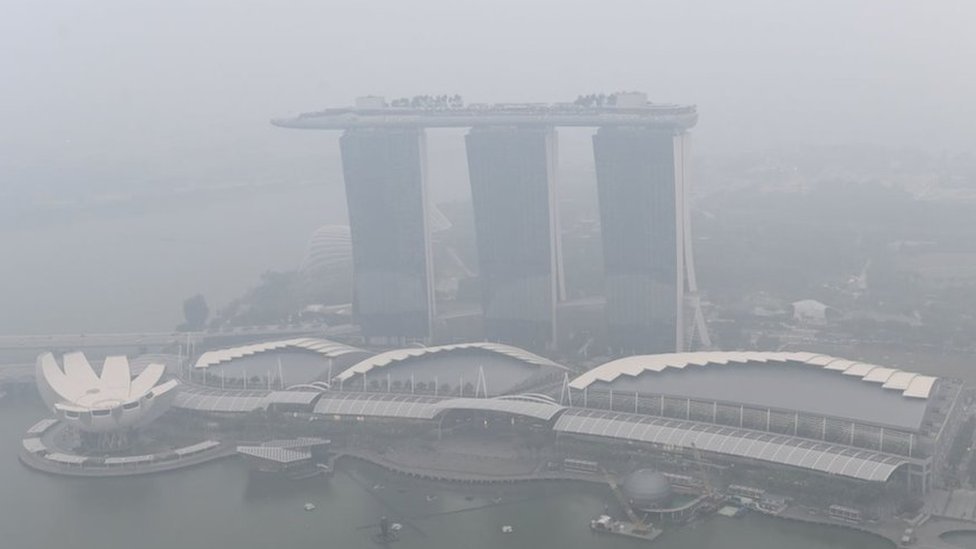
One of the biggest concerns caused by haze is reduced visibility. Thick smoke particles in the air could affect drivers’ ability to see clearly while racing at extremely high speeds on the narrow street circuit.
The unique night-time environment of Marina Bay could also be affected. Heavy haze may scatter artificial lighting around the circuit, making it more challenging for drivers during braking zones and technical corners.
Health and safety concerns are another major issue. High levels of PM2.5 particles in the air could create respiratory problems for drivers, team members, marshals, and spectators who spend several hours outdoors.
If the Pollutant Standards Index (PSI) reaches dangerous levels, particularly above 200–300, organizers may be forced to adjust schedules, delay sessions, or consider cancelling activities if conditions become unsafe.
Singapore GP and Government Prepare Emergency Measures
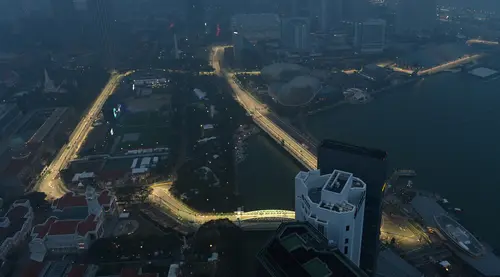
To prepare for possible disruptions, the Singapore Grand Prix organizers are working closely with government agencies to monitor air quality indicators, including PSI and PM2.5 levels, in real time.
A multi-agency Haze Task Force involving 28 organizations has also been placed on standby to respond quickly to changes in air quality conditions.
Safety measures for spectators are also being prepared, including additional medical facilities around the circuit, regular air quality updates, and the distribution of N95 masks if required.
Lessons From the 2019 Singapore GP
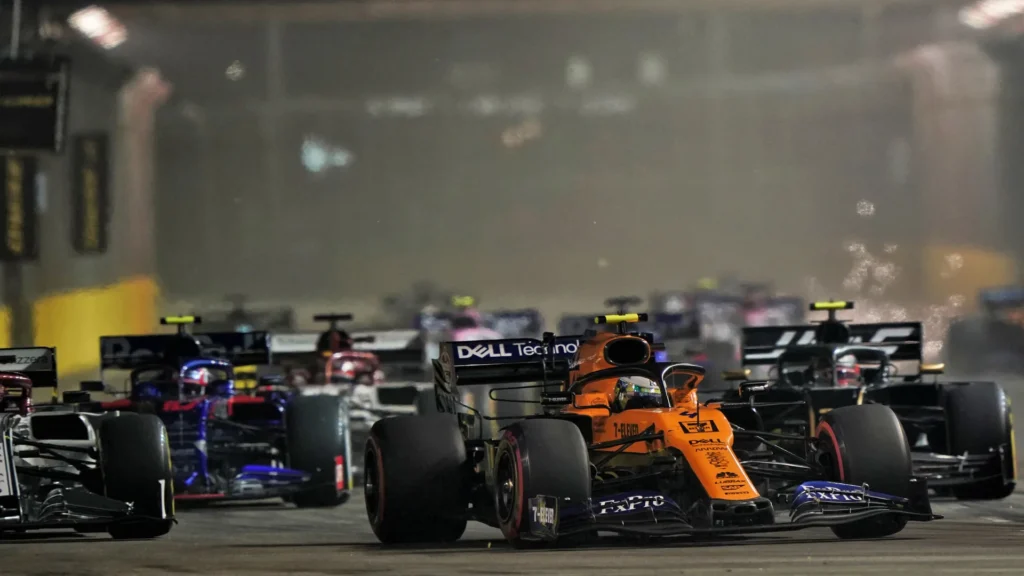
A similar situation occurred during the 2019 Formula 1 Singapore Grand Prix when haze from regional forest fires affected air quality in the region.
Despite unhealthy air conditions at the time, the race continued with additional health precautions, including medical support and the availability of N95 masks for spectators.
The experience highlighted how environmental factors can become a major challenge for large-scale international sporting events.
The Singapore Grand Prix remains one of Formula 1’s most spectacular events, combining high-speed racing with the atmosphere of a night race in the heart of a major city. However, the potential haze threat shows that motorsport is increasingly facing challenges beyond the track.
Safety must always come first. While Formula 1 has proven its ability to adapt to extreme conditions, decisions regarding air quality should prioritize the health of everyone involved, from drivers and teams to spectators and event staff.
The situation also serves as another reminder that environmental issues can have consequences beyond national borders. Forest fires in one region can affect communities, economies, and even global sporting events thousands of kilometers away.
What do you think? Should the Singapore GP continue if haze levels become dangerous, or should Formula 1 consider postponing the race to protect everyone’s safety? Share your opinion in the comments.

Adhe is part of the 88 Eight Box Editorial Team, covering JDM culture, motorsport, automotive technology, and industry news. The team focuses on delivering original automotive stories, reviews, and insights for enthusiasts worldwide.