What Is a Sunroof?
A sunroof is a panel installed on the roof of a vehicle that can be opened to allow fresh air and natural light into the cabin. Depending on the design, the panel can slide open or tilt upward manually or through an electric mechanism.
Originally created as a practical feature for ventilation, the sunroof has evolved into a symbol of luxury, comfort, and modern automotive design.
The Origins and Inventor of the Sunroof
The development of the modern automotive sunroof is closely associated with Heinz Prechter, the founder of the American Sunroof Company (ASC), a company that played a major role in popularizing aftermarket and factory-installed sunroof systems.
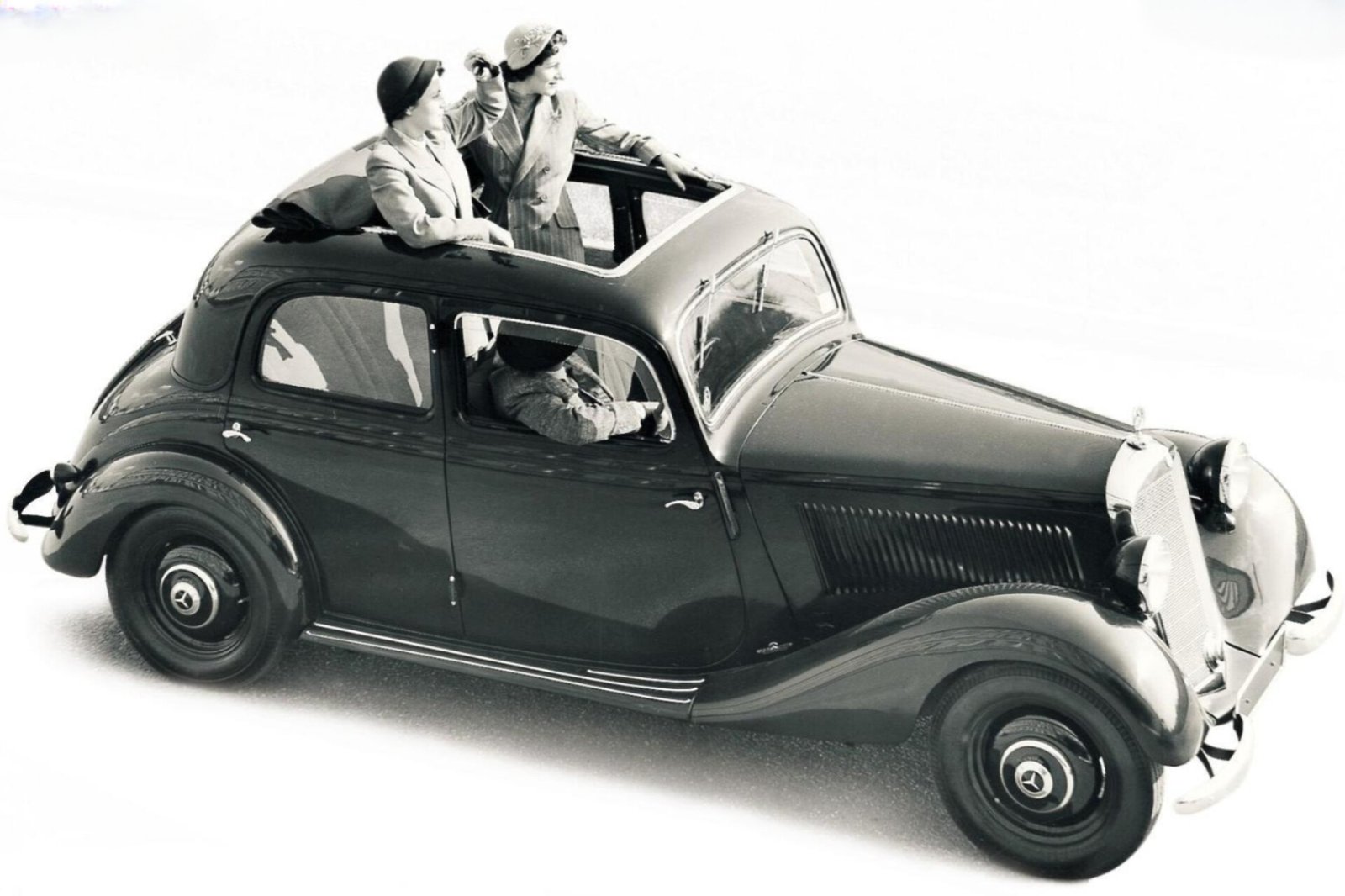
However, the idea of a vehicle roof that could be opened existed long before the modern sunroof. In the 1920s, manufacturers experimented with removable and sliding roof panels known as sunsliding roofs. These early designs were inspired by horse-drawn carriages with folding roof sections.
The modern version of the sunroof became commercially available during the 1930s, with manufacturers beginning to integrate sliding roof systems into production vehicles.
One of the earliest mass-produced cars to feature an integrated sliding roof was the 1937 Nash Ambassador, which helped introduce the concept to American consumers.
The Evolution of the Sunroof
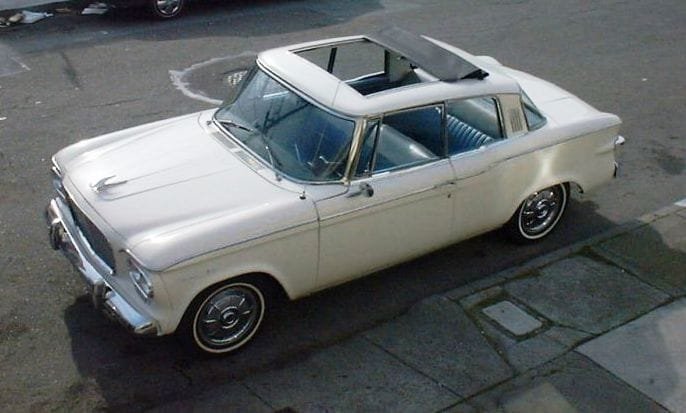
1930s–1950s: Manual Sliding Metal Roofs
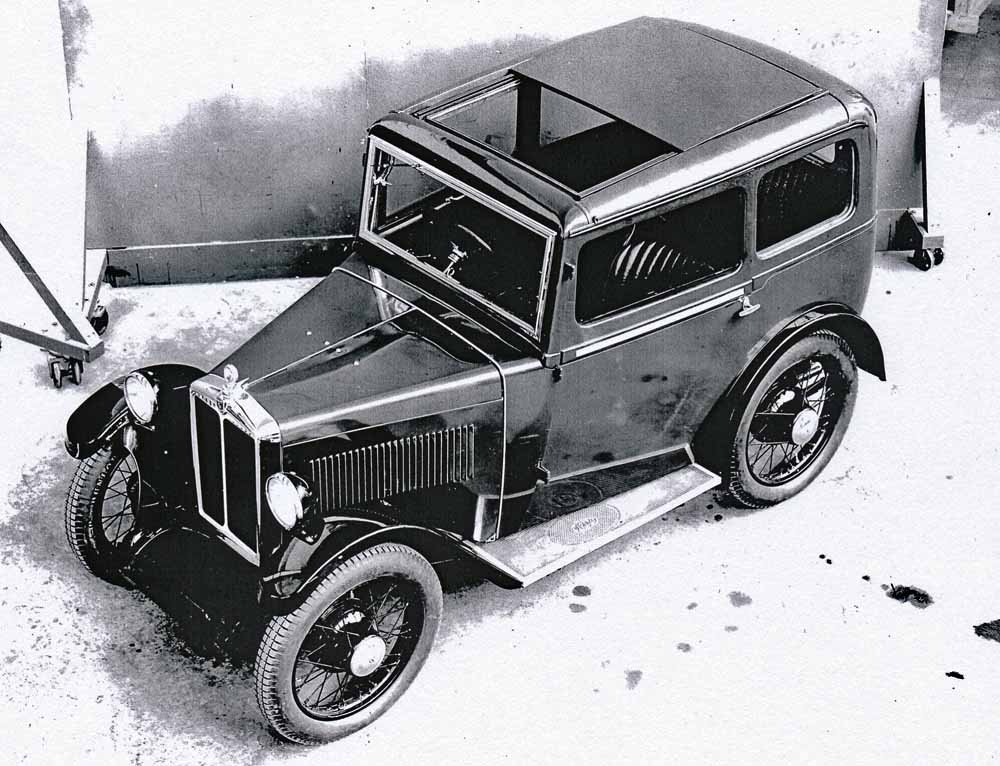
Early sunroofs were made from solid metal panels that manually slid backward or tilted open. They were simple mechanical systems designed mainly to improve airflow inside the cabin.
1970s: The Introduction of the Moonroof
The 1970s marked a major change with the introduction of the moonroof, which replaced solid metal panels with transparent glass. This innovation was promoted by manufacturers such as Ford Motor Company, offering drivers the ability to enjoy natural light while keeping the roof closed.
1990s–Present: Electric and Panoramic Sunroofs
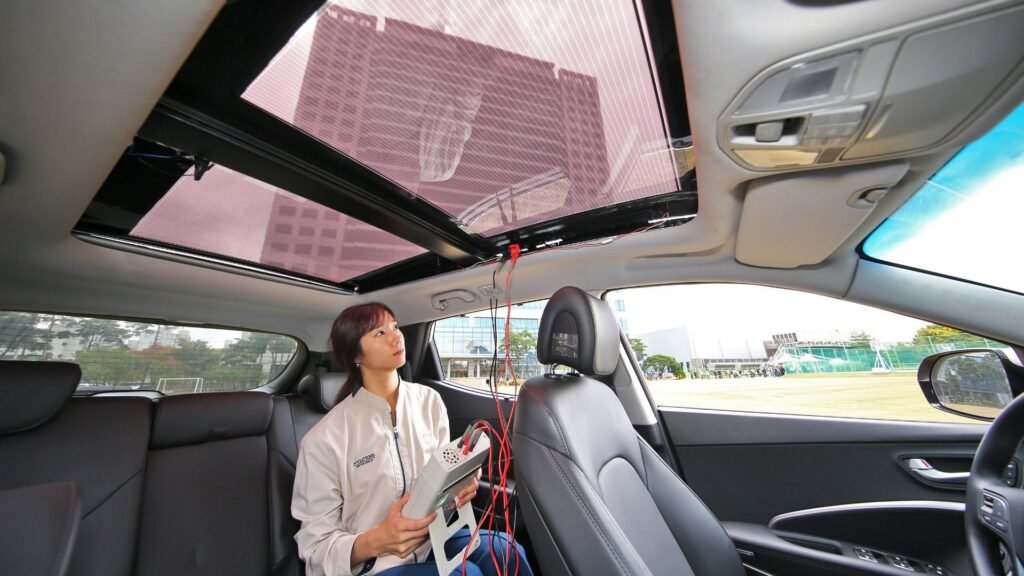
Modern sunroofs have evolved significantly with the introduction of electric motors, one-touch controls, automatic safety features, and advanced panoramic designs.
Today, panoramic sunroofs can cover almost the entire roof area, creating a more open and spacious feeling inside the cabin.
Sunroof vs Moonroof: What Is the Difference?
| Feature | Sunroof | Moonroof |
|---|---|---|
| Material | Originally used solid metal panels that blocked light when closed. | Uses tinted glass panels that allow light into the cabin. |
| Air & Light Function | Requires the panel to be opened completely for sunlight and airflow. | Allows natural light even when closed and can be opened for ventilation. |
| Mechanism | Usually slides or tilts outward above the roof surface. | Typically slides inside the roof structure between the outer roof and the interior headliner. |
Although the terms are often used interchangeably today, the main difference is that a moonroof specifically refers to a glass sunroof.
How Does a Panoramic Sunroof Work?
A panoramic sunroof usually consists of two or more large glass panels:
- Front Panel: The front section can slide backward or tilt upward (tilt function) to provide ventilation.
- Rear Panel: The rear section is usually fixed and designed to maximize visibility and cabin brightness.
- Operating System: Small electric motors drive the panels along steel rails installed inside the roof structure.
- Sunshade System: Most panoramic sunroofs include an automatic fabric shade to reduce heat and block direct sunlight when needed.
The entire system requires precise engineering because it must operate smoothly while maintaining structural strength and preventing water leaks.
Why Are Modern Sunroofs Made from Glass?
Modern sunroofs use tempered or laminated glass with UV protection technology. This allows sunlight to enter the cabin while reducing harmful ultraviolet exposure and heat buildup.
The use of glass provides several advantages:
- Creates a brighter and more spacious cabin atmosphere.
- Improves the passenger experience by offering a better view of the sky.
- Maintains vehicle aerodynamics compared with completely open roof designs.
- Adds a premium and luxurious feeling to the interior.
Why Is a Sunroof Considered a Luxury Feature?
A sunroof requires advanced engineering, including:
- Specially designed glass panels.
- Complex drainage systems to prevent water leaks.
- Additional electric motors and control systems.
- Reinforced roof structures to maintain safety standards.
These added components increase production costs, which is why sunroofs are commonly found on mid-range and premium vehicles rather than entry-level models.
The Role of Sunroofs in Modern Cars
The sunroof has transformed from a simple ventilation feature into an important design element that influences the appearance and comfort of modern vehicles.
Despite adding extra weight to the upper part of the car and slightly raising the center of gravity, sunroofs remain popular because they enhance the driving experience and create a more enjoyable environment for passengers.
However, in tropical climates such as Indonesia, the question remains: Is a sunroof truly functional, or is it mainly an aesthetic feature designed to increase a vehicle’s luxury appeal and prestige?
For some drivers, the benefits of fresh air, natural lighting, and a premium cabin atmosphere make it worthwhile. For others, the additional heat, maintenance requirements, and cost may outweigh its advantages.
What your opinion ?
Do you think a sunroof is a feature that truly improves the driving experience, or is it simply an addition to make a car look more luxurious?
Would you choose a vehicle with a panoramic sunroof, or would you prefer a regular roof because it is more practical and easier to maintain?
Share your opinion in the comments section.

Adhe is part of the 88 Eight Box Editorial Team, covering JDM culture, motorsport, automotive technology, and industry news. The team focuses on delivering original automotive stories, reviews, and insights for enthusiasts worldwide.