
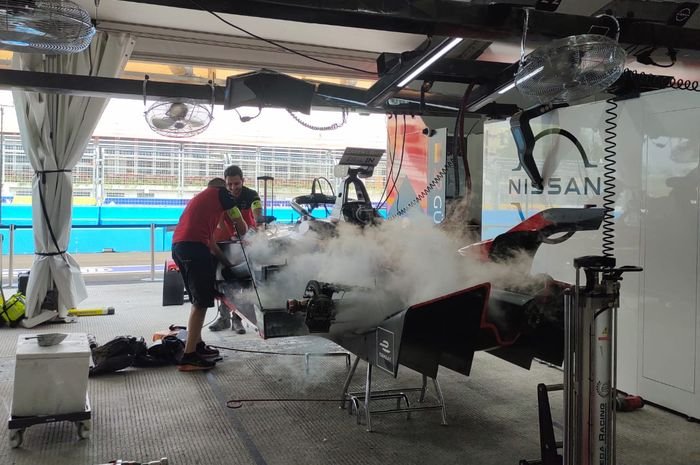
In motorsport, every millisecond on the track can decide who takes the victory and who leaves without a podium finish. That is why professional racing teams constantly search for ways to maintain their cars at peak performance.
From ultra-fast tire changes, engine preparation before leaving the pit lane, to advanced cooling solutions, teams use various technologies to control temperatures. One of the most interesting methods is the use of dry ice.
Although it may seem simple, dry ice has become an important tool in professional racing. It is widely used not only in Formula 1, but also in endurance championships such as the 24 Hours of Le Mans, FIA World Endurance Championship (WEC), IMSA SportsCar Championship, and Formula E.
Despite the differences between these racing machines, they all face the same challenge: managing extreme heat when the car is not moving.
Why Heat Becomes a Problem When Race Cars Stop
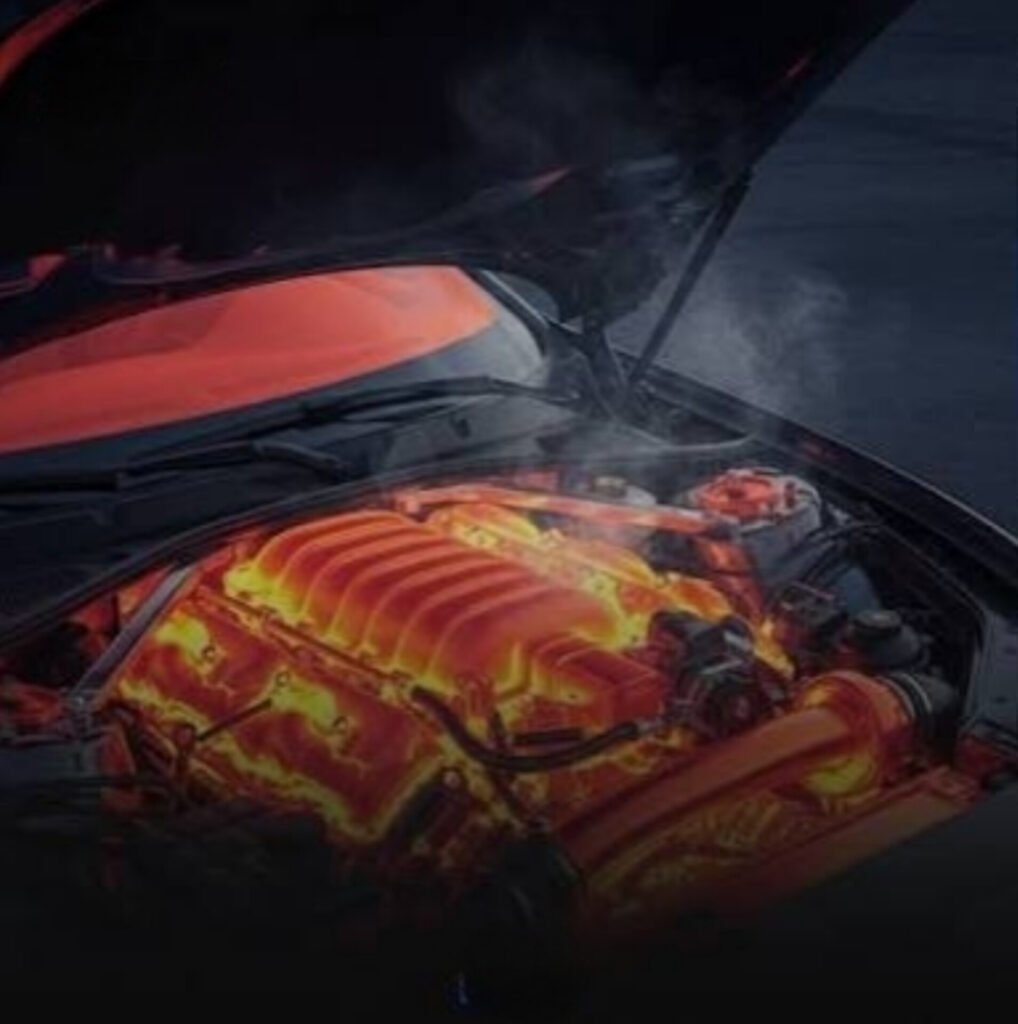
When a race car is flying around a circuit at more than 300 km/h, it may seem like speed is the biggest challenge for the machine. However, one of the most critical moments actually happens when the car stops.
Modern racing cars are designed to maximize cooling efficiency while moving at high speed. Air flowing through the radiator, intercooler, oil cooler, and other cooling systems helps remove enormous amounts of heat during a race.
But when the car enters the pit lane, waits on the starting grid, or stops during a red flag period, that airflow disappears.
At the same time, the engine, brakes, transmission, and hybrid systems still hold a massive amount of heat.
This creates a condition known as heat soak, where stored heat continues transferring between components because there is no longer enough airflow to remove it.
As a result, temperatures can continue rising even when the engine is turned off or running at low RPM.
Why Teams Choose Dry Ice

This is where dry ice becomes extremely valuable.
Dry ice is solid carbon dioxide (CO₂) with a temperature of approximately -78.5°C (-109.3°F). Unlike regular ice, it does not melt into water. Instead, it goes through a process called sublimation, changing directly from a solid into gas.
This characteristic makes dry ice ideal for motorsport environments.
Because it does not leave behind water, dry ice prevents possible damage to sensitive electronic components and avoids creating slippery surfaces in the garage or pit area.
Its extremely cold temperature also allows teams to remove heat much faster compared to traditional cooling methods.
How Dry Ice Is Used in Racing
When a race car returns to the garage, mechanics immediately begin cooling procedures.
Large portable fans are usually placed in front of the car, and in some cases, the air pushed by these fans is cooled using dry ice. This allows colder air to flow toward areas such as the radiator and other critical components.
The goal is to remove trapped heat before temperatures reach dangerous levels.
For example, Formula 1 brake systems operate under extreme conditions. Carbon brake calipers can exceed 500°C, while carbon brake discs can reach more than 1,000°C during heavy braking.
When the car stops, heat from the brakes can continue spreading to surrounding components such as wheel bearings, suspension parts, and other areas if cooling is not performed quickly.
The same applies to carbon fiber components.
Many racing body parts use carbon fiber combined with resin layers, which have specific temperature limits. Continuous exposure to excessive heat can reduce the durability and lifespan of these components.
That is why racing teams rely on powerful cooling fans combined with dry ice systems during pit stops and garage sessions.
Cooling the Cockpit and Helping Drivers
Dry ice is not only used to protect mechanical components. It also helps maintain driver comfort and concentration.
In endurance racing such as the 24 Hours of Le Mans, cockpit temperatures can exceed 50°C, depending on weather conditions, engine position, and aerodynamic design.
Formula E cars may not use combustion engines, but their battery systems and electric motors still generate significant heat.
In Formula 1, cockpit temperatures can become extremely challenging, sometimes reaching around 60°C.
Before a driver enters the car, teams often try to reduce cockpit temperatures as much as possible. Cold air generated with dry ice can be directed into the cabin to cool the seat, steering wheel, pedals, and other surfaces.
Even a small temperature reduction can make a major difference, helping drivers maintain focus and physical endurance throughout a race.
Dry Ice and Motorsport Logistics
Another advantage of dry ice is its practicality in global racing logistics.
International racing calendars are extremely demanding. Formula 1 travels to more than 20 countries in a single season, while championships such as WEC and Formula E frequently move equipment across continents within short periods.
Because of this, teams need cooling solutions that are powerful but easy to transport.
Dry ice offers a much higher cooling capacity compared to normal ice or gel-based coolers. It provides strong cooling performance while taking up relatively little space.
Since it does not produce liquid waste, teams do not need complicated drainage systems or containers for melted water.
Usually, dry ice is stored in specially designed coolers that allow carbon dioxide gas to escape safely and prevent pressure buildup.
This makes it an efficient solution for racing teams transporting equipment by cargo aircraft around the world.
A Simple Technology With a Big Impact
Behind every race car competing at extreme speeds, there are countless technical details managed by engineers to maintain performance, reliability, and safety.
One of the details that often goes unnoticed is how teams control temperatures when the car is not moving.
With its extremely low temperature of -78.5°C, dry ice helps reduce heat soak, protect critical components, and create a better environment for drivers.
Although it looks like nothing more than a block of white ice producing cold fog, dry ice has become an important part of modern motorsport technology.
From Formula 1 and endurance racing to electric racing, this simple technology continues to help teams keep their cars faster, safer, and more reliable.

Adhe is part of the 88 Eight Box Editorial Team, covering JDM culture, motorsport, automotive technology, and industry news. The team focuses on delivering original automotive stories, reviews, and insights for enthusiasts worldwide.