In the mid-1980s, the global automotive industry witnessed one of the most ambitious projects ever undertaken by a car manufacturer. Driven by the bold vision of Eiji Toyoda, Toyota decided to challenge the dominance of German luxury sedans such as the BMW 7 Series and Mercedes-Benz S-Class, particularly in the highly competitive United States market.
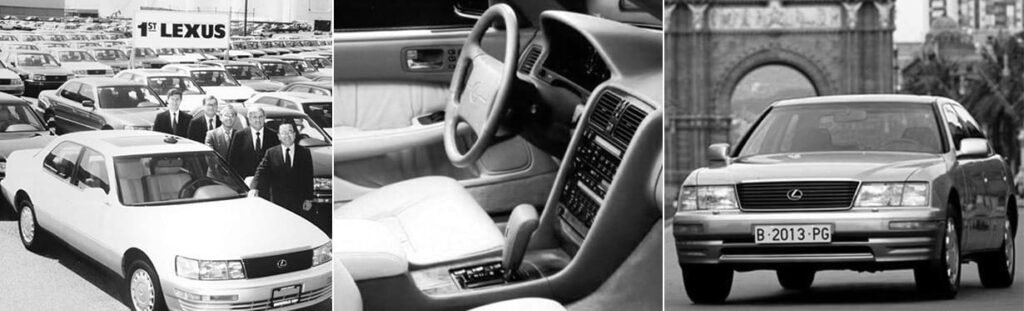
At the time, Toyota was widely recognized for producing reliable, efficient, and affordable vehicles. However, through a secret project, the Japanese automaker wanted to prove that Japan could also create a world-class luxury vehicle capable of competing directly with Europe’s finest automobiles.
Project “Flagship One”: Building a Luxury Sedan Without Compromise
Eiji Toyoda had a clear vision: create a premium sedan with the refinement, performance, and quality of European luxury cars, but at a more accessible price.
However, the project came with one strict requirement: the new vehicle could not use any existing Toyota platform or components. Everything had to be developed from the ground up.
This ambitious plan became known as the secret “Flagship One” (F1) project, which would eventually give birth to Toyota’s new luxury brand, Lexus.
The development focused on four major goals:
- World-class aerodynamics
- Ultra-quiet cabin refinement
- Strong performance and competitive top speed
- Superior fuel efficiency
To achieve these goals, Toyota committed enormous resources:
- 1,400 engineers divided into 24 development teams
- 2,300 technicians
- 60 designers
- More than 200 support staff
Toyota’s management provided almost unlimited financial support and gave the engineers no strict deadline, allowing them to focus entirely on creating the perfect luxury sedan.
Extreme Development and Global Testing
The development process of the Lexus LS400 became one of the most detailed engineering programs in Toyota’s history.
Some of the remarkable figures behind the project include:
- The team built 450 prototype vehicles for different stages of testing.
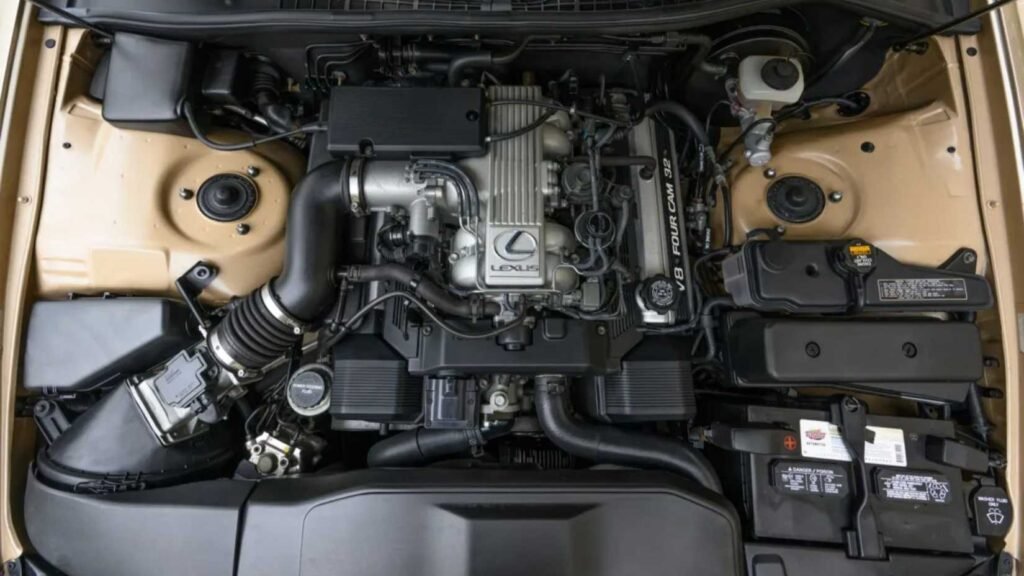
- Toyota developed and tested 973 prototype V8 engines before finalizing the production powertrain.
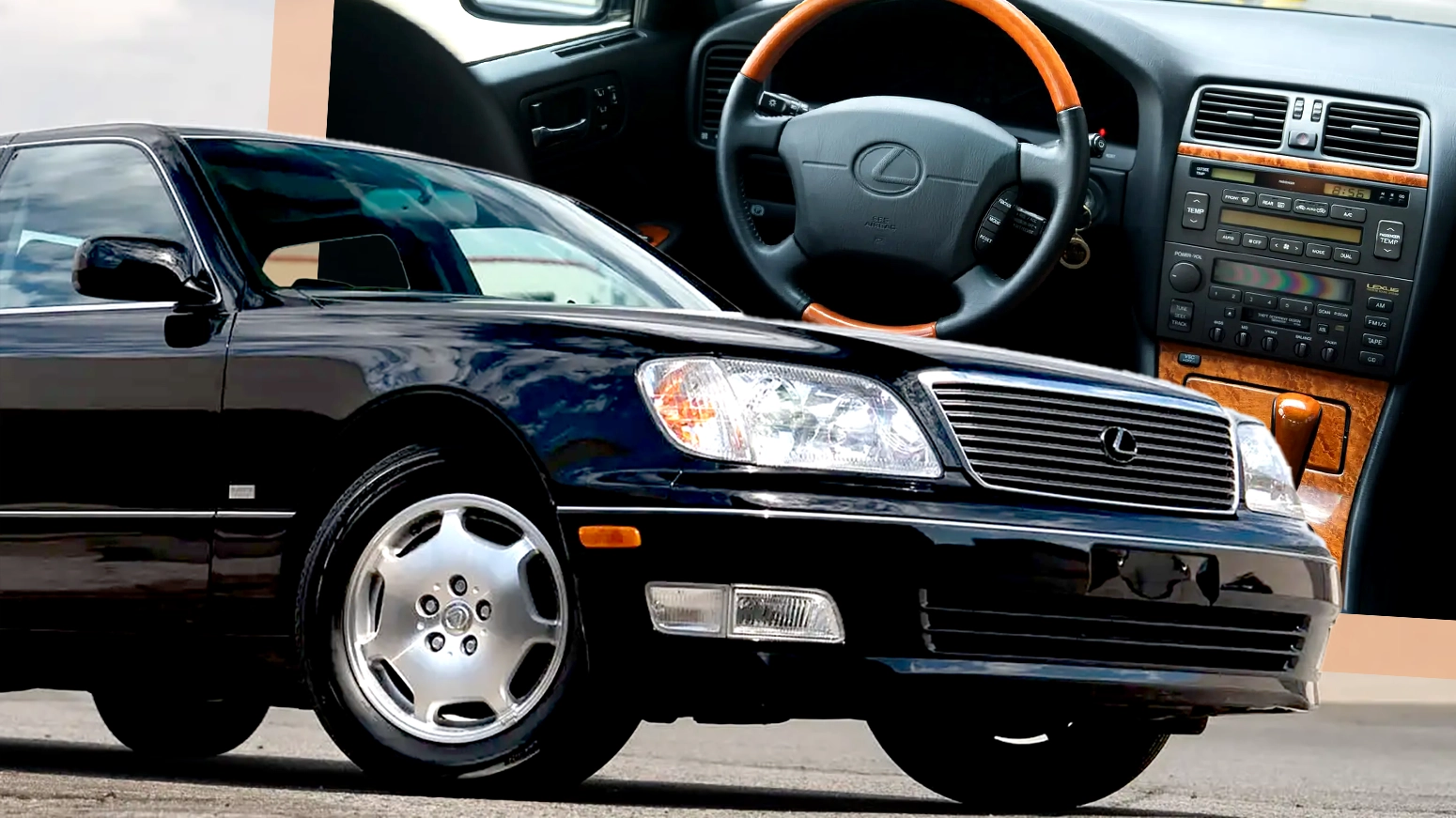
- Engineers spent around two years testing 24 different types of wood and various leather materials to achieve the ideal interior quality.
- The vehicle accumulated approximately 2.7 million kilometers of testing across extreme environments around the world.
The LS400 was tested in freezing European winters, the hot deserts of Arizona, Australia, Saudi Arabia, and challenging roads across the United States.
Toyota was not only chasing performance but also aiming to create a vehicle with exceptional reliability, craftsmanship, comfort, and refinement that could rival the best European luxury sedans.
The Lexus LS400 Shocked the Luxury Car Market
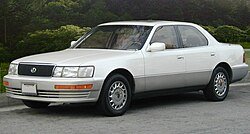
The result of this extraordinary effort arrived in 1989 with the introduction of the Lexus LS400.
Powered by a 4.0-liter V8 engine, featuring a remarkably quiet cabin, high-quality interior, and impressive build quality, the LS400 immediately became a serious threat to established German luxury brands.
When launched in the United States with a starting price of around USD 35,000, the Lexus LS400 attracted enormous attention from customers who previously only considered BMW and Mercedes-Benz.
The automotive world was surprised that a Japanese luxury sedan could deliver comparable quality and technology while being significantly cheaper than its European rivals.
Accused of “Dumping” by German Automakers
The success of the Lexus LS400 created controversy among European manufacturers. Some competitors questioned how Toyota could offer such a high-quality luxury sedan at such an aggressive price.
BMW even accused Lexus of practicing dumping — selling a product below market value to gain market share.
European manufacturers struggled to understand how a Japanese vehicle could match or even exceed their luxury standards while being priced around 40% lower than comparable German sedans.
Luxury Sedan Price Comparison (Early 1990s)
| Model | Original Price |
|---|---|
| Lexus LS400 | USD 35,000 |
| BMW 735i (E32) | USD 50,000 – 70,000 |
| Mercedes-Benz 420 SEL (W126) | USD 62,000 – 63,000 |
(Estimated current value: Lexus LS400 around Rp1.3 billion, BMW 735i around Rp1.8–2.6 billion, and Mercedes-Benz 420 SEL around Rp2.35–2.38 billion.)
The Legacy of the Lexus LS400
The Lexus LS400 was more than just Toyota’s first luxury sedan. It became a symbol that Japan could challenge — and even redefine — the global luxury automotive market.
The “Flagship One” project proved that with massive investment, deep research, and extreme attention to detail, a new brand could completely change the automotive landscape.
For Toyota, the Lexus LS400 was not simply a car. It was a statement to the world:
Japan was ready to build one of the best luxury sedans on the planet.

Adhe is part of the 88 Eight Box Editorial Team, covering JDM culture, motorsport, automotive technology, and industry news. The team focuses on delivering original automotive stories, reviews, and insights for enthusiasts worldwide.