In Formula 1, tyres are far more than just the four components connecting the car to the track. They are one of the most important factors that can determine victory or defeat.
Even with the most powerful engine and the most advanced aerodynamics, an F1 car cannot perform at its maximum potential without the right tyre choice. Every lap, teams and drivers must manage grip, tyre temperature, degradation, weather conditions, and pit stop strategy.
A difference of only a few laps in deciding when to change tyres can completely change the outcome of a race.
Currently, Formula 1 uses Pirelli as its official tyre supplier, providing different tyre compounds designed to handle various circuits, weather conditions, and racing demands.
1. Slick Tyres: Maximum Performance on Dry Tracks
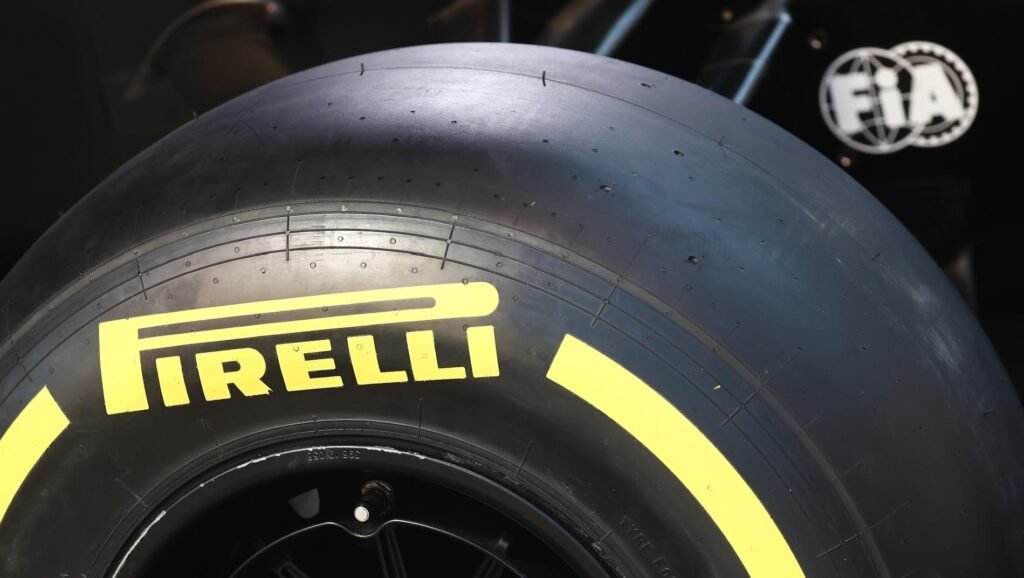
When the track is dry, Formula 1 cars use slick tyres, which have a completely smooth surface without grooves.
The purpose of this design is simple: to create the largest possible contact area between the tyre and the asphalt, maximizing grip during:
- High-speed cornering
- Heavy braking
- Acceleration out of corners
However, slick tyres are extremely sensitive. They must operate within a specific temperature window to deliver maximum performance.
If they are too cold:
- Grip decreases.
- The car becomes difficult to control.
- Lap times become slower.
If they become too hot:
- The rubber begins to degrade.
- Grip drops.
- Tyre performance falls dramatically.
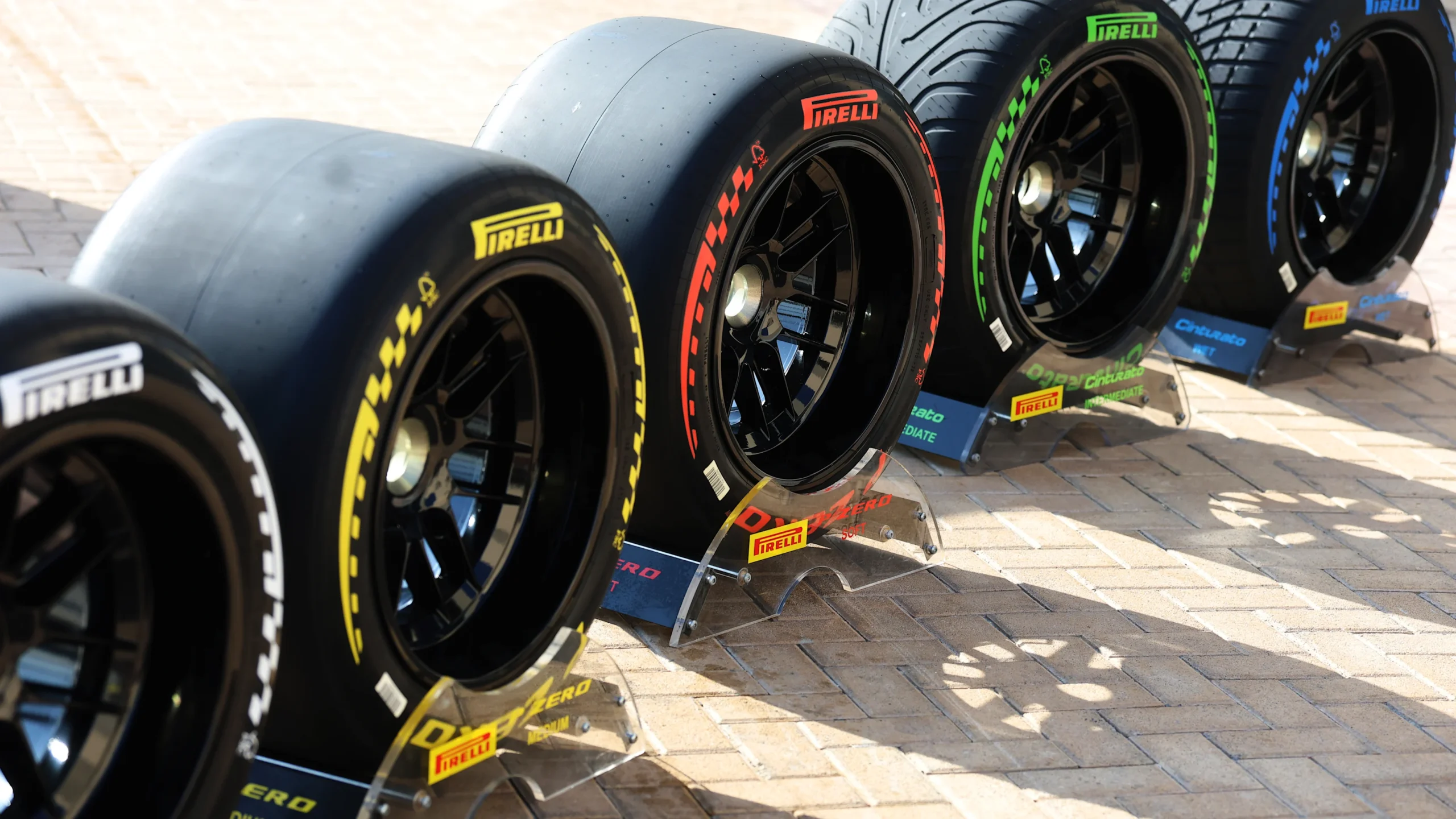
Pirelli produces several slick compounds, ranging from C1 to C5. C1 is the hardest and most durable compound, while C5 is the softest and fastest. For each Grand Prix weekend, Pirelli selects three compounds and labels them as Hard, Medium, and Soft.
2. Soft Tyre (Red) – Maximum Speed
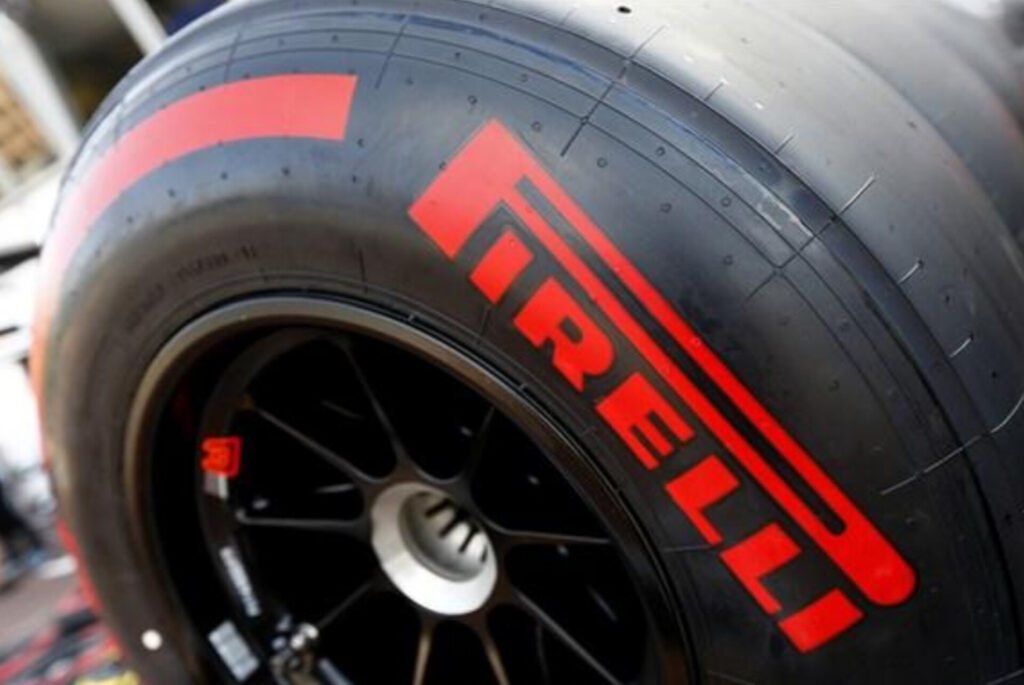
The Soft tyre is the fastest dry-weather compound available during a race weekend.
Its characteristics include:
- The highest level of grip.
- Fast warm-up time.
- The quickest lap times.
- Higher tyre degradation.
Because the rubber compound is softer, the tyre can generate more mechanical grip, allowing drivers to attack corners aggressively.
Soft tyres are commonly used for:
- Qualifying laps.
- Short race stints.
- Aggressive strategies.
However, the biggest disadvantage is durability. The tyre wears out much faster, forcing teams to carefully balance speed and tyre life.
3. Medium Tyre (Yellow) – The Perfect Balance
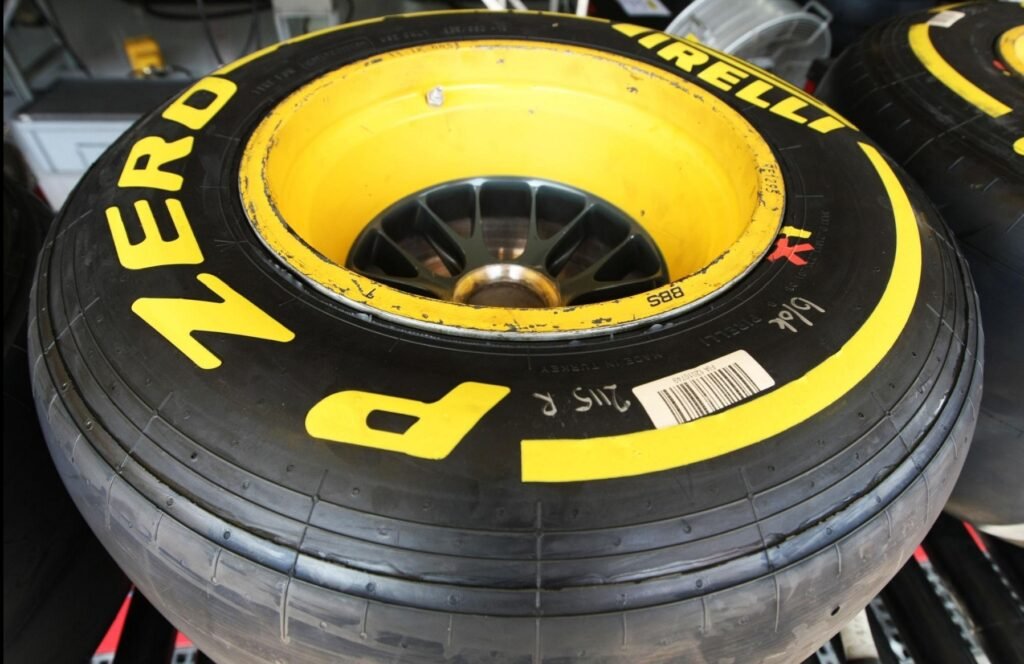
The Medium tyre is considered the most versatile compound in Formula 1.
It provides a balance between:
- Speed.
- Durability.
- Consistency.
Medium tyres are often the preferred choice for race strategy because they can deliver competitive lap times while lasting significantly longer than soft tyres.
Many teams use the medium compound during long race stints because it offers:
- Stable performance.
- Predictable tyre behavior.
- Greater strategic flexibility.
4. Hard Tyre (White) – Built for Long Stints
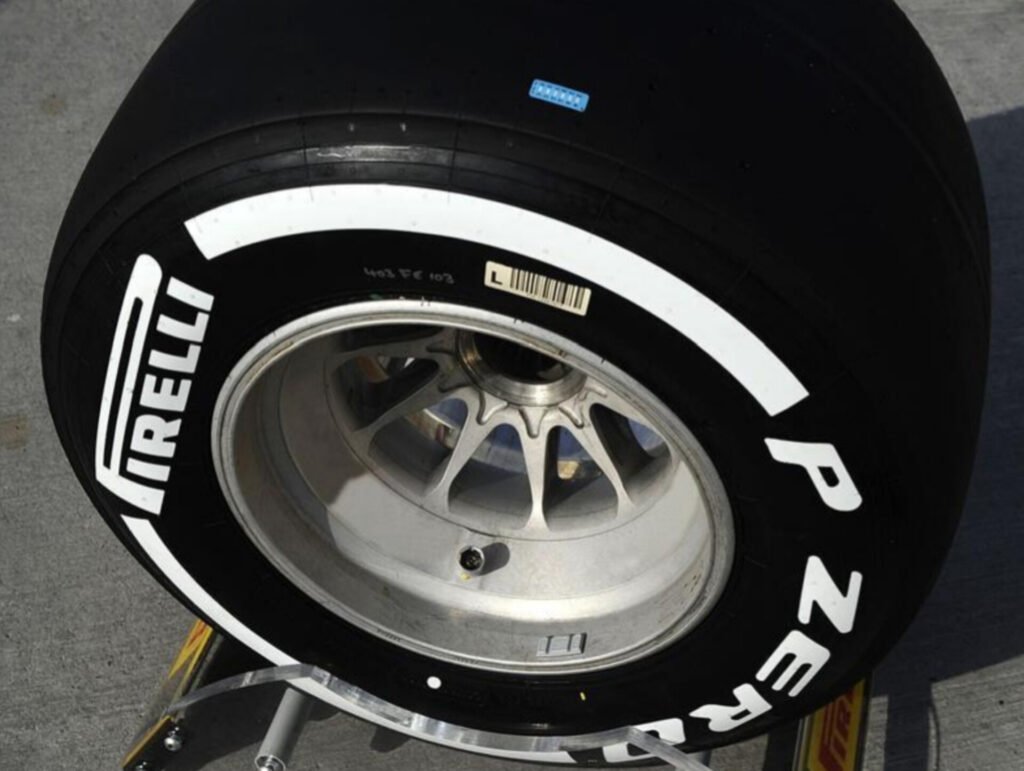
The Hard tyre is the most durable dry-weather compound.
Its main characteristics are:
- Low degradation.
- Long lifespan.
- Stable performance over many laps.
- Slower warm-up compared to softer compounds.
Hard tyres are usually chosen for circuits that are extremely demanding on tyres, such as tracks with:
- High temperatures.
- Long high-speed corners.
- Aggressive asphalt surfaces.
The advantage is the ability to complete long stints with fewer pit stops.
The disadvantage is that they provide less grip and usually produce slower lap times compared to softer compounds.
5. Intermediate Tyre (Green) – For Light Rain Conditions
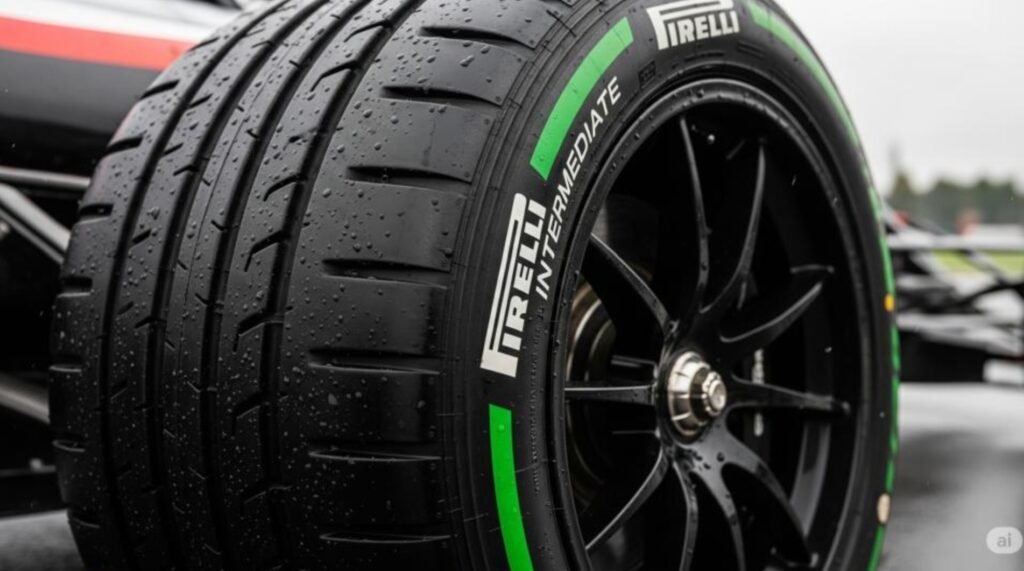
When rain begins but the track is not flooded, teams switch to the Intermediate tyre.
The intermediate tyre features shallow grooves designed to remove water from the track surface.
It is used when:
- The circuit is wet but still allows high-speed racing.
- Rain is starting or stopping.
- The track is too wet for slick tyres but not wet enough for full wet tyres.
Choosing the correct moment to switch between slick and intermediate tyres is one of the biggest challenges in Formula 1.
A team that changes tyres at the perfect moment can gain several seconds per lap, while a wrong decision can destroy a race.
6. Full Wet Tyre (Blue) – Extreme Rain Conditions
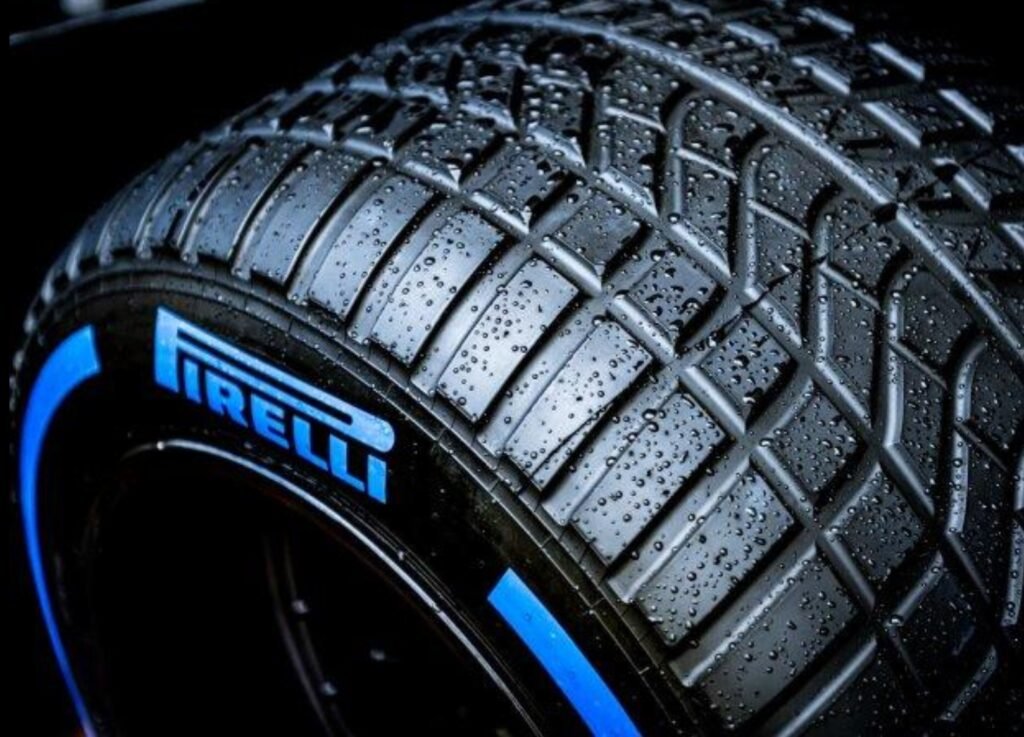
The Full Wet tyre is designed for the most difficult weather conditions.
It features:
- The deepest grooves.
- Maximum water displacement capability.
- Improved protection against aquaplaning.
This tyre is used when:
- Heavy rain falls.
- Large amounts of standing water appear.
- Visibility becomes dangerous.
However, full wet tyres are rarely used because Formula 1 often stops races or uses safety measures when conditions become too dangerous.
When the track begins drying, full wet tyres overheat quickly because they are designed to move large amounts of water rather than operate on dry asphalt.
Why Are F1 Tyres So Difficult to Manage?
Formula 1 tyres are engineered to work within a very narrow operating window.
Drivers must constantly control:
- Braking force.
- Steering input.
- Wheel spin.
- Racing line.
- Temperature management.
A driver cannot simply push at maximum speed every lap. Aggressive driving can destroy the tyres, while smooth driving can preserve performance for longer.
This is why tyre management has become one of the most important skills in modern Formula 1.
The Hidden Battle: F1 Tyre Strategy
Modern Formula 1 races are often decided not only by car performance but also by tyre strategy.
Teams must calculate:
- The ideal pit stop timing.
- Which compound provides the best advantage.
- Weather predictions.
- Tyre degradation rates.
- Competitors’ strategies.
A single mistake — such as stopping one lap too early or staying out too long — can cost a team a potential victory.
Some of the greatest F1 victories in history were achieved not because the fastest car won, but because the team made the smartest tyre decisions.
Four Tyres That Decide Everything
Formula 1 tyres represent a combination of advanced materials, engineering, and strategy.
- 🔴 Soft – The fastest tyre, but wears out quickly.
- 🟡 Medium – The best balance between speed and durability.
- ⚪ Hard – The most durable tyre for long distances.
- 🟢 Intermediate – Designed for wet but manageable conditions.
- 🔵 Full Wet – Built for heavy rain and standing water.
Behind every Formula 1 victory, there is not only a powerful engine, talented driver, and advanced aerodynamics — but also four highly engineered tyres that determine how fast a car can truly go.

Adhe is part of the 88 Eight Box Editorial Team, covering JDM culture, motorsport, automotive technology, and industry news. The team focuses on delivering original automotive stories, reviews, and insights for enthusiasts worldwide.