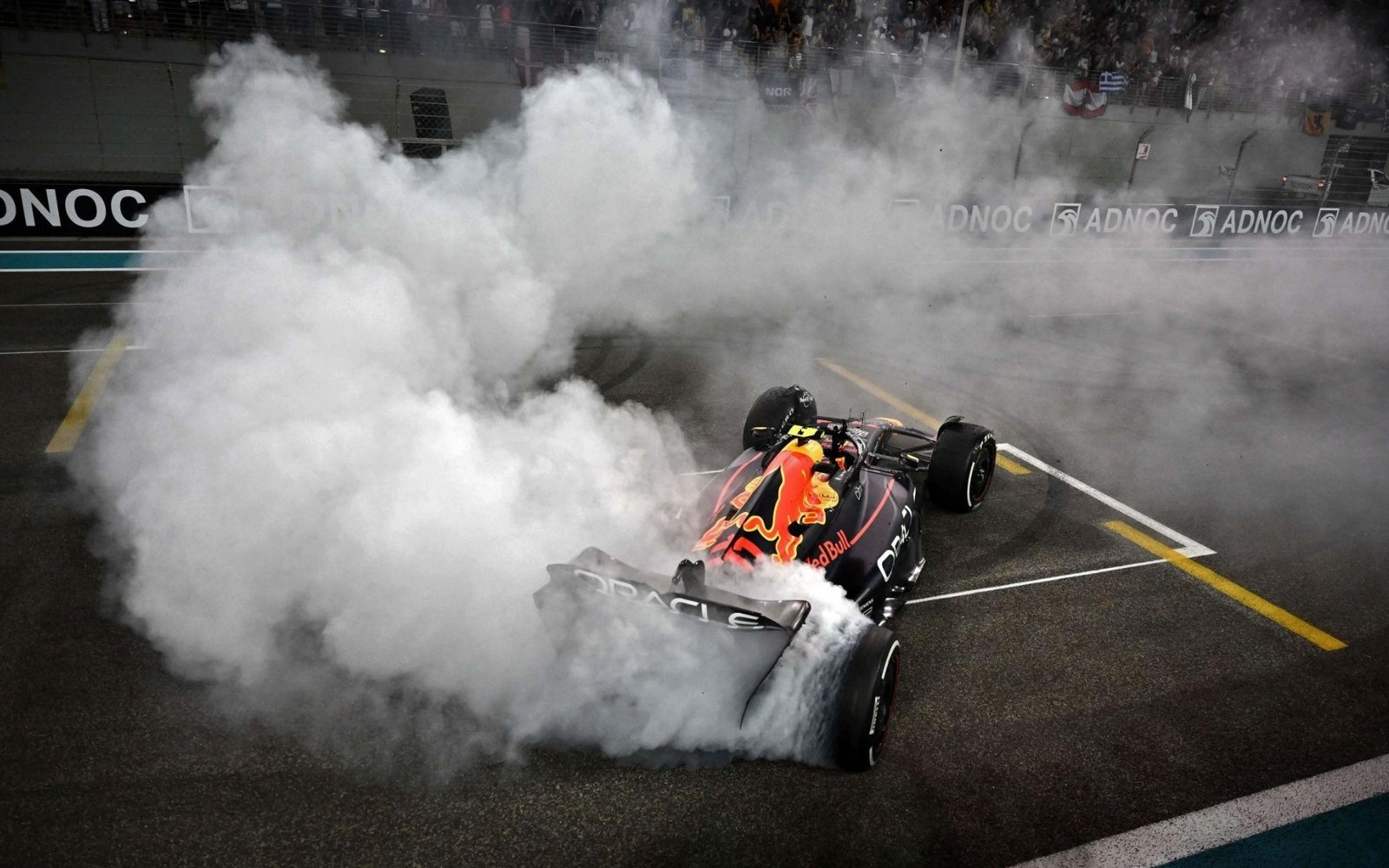
There was a time when this was considered one of the most badass moments in Formula 1.
White smoke filled the circuit. Rear tires screamed. Rubber disappeared from the asphalt. Thousands of fans stood on their feet, celebrating as the winning driver spun the car in a cloud of tire smoke.
But today, that iconic celebration is becoming a rare sight.
Burnouts and Donuts: Formula 1’s Most Iconic Victory Celebration
If you watched Formula 1 during the 2000s and early 2010s, you will remember this unforgettable scene: a car stops after crossing the finish line, the driver turns the steering wheel, and suddenly the rear tires explode into a massive donut.
The engine screams, smoke covers the camera, and the driver’s message is clear:
“This is my victory.”
A donut was never just about showing off. In Formula 1, it represented dominance, emotion, and the feeling of conquering one of the toughest challenges in motorsport.
After more than 300 kilometers of racing, extreme physical pressure, and two hours of intense concentration, a burnout was the ultimate release. It was a moment where drivers stopped being machines and showed their human emotions.
But ironically, as Formula 1 has become more advanced and professional, this wild celebration has slowly become a problem.
The Birth of the F1 Donut Tradition
Burnouts and donuts were not originally created by Formula 1. The tradition was already popular in motorsport categories such as drifting and NASCAR.
However, Formula 1 began embracing the celebration during the 1990s and 2000s. One of the drivers who helped make it famous was Michael Schumacher. After victories, Schumacher occasionally performed small burnouts, and soon other drivers followed the trend.
But the donut truly became a signature move during the era of Sebastian Vettel.
Vettel became known as the King of F1 Donuts. During his dominant years with Red Bull Racing, he often celebrated victories by spinning the car before returning to the pits.
Fans loved it.
The combination of screaming engines, tire smoke, aggressive driving, and pure emotion became one of the most memorable images of modern Formula 1.
Why Fans Love Donuts So Much
Formula 1 is known for precision, technology, and strict regulations. Every movement is calculated. Every detail is controlled.
But a donut feels different.
It feels emotional.
It feels real.
Drivers perform donuts after pushing themselves to the limit. Their bodies are exhausted, their minds are drained, and their adrenaline is still at its peak. The burnout becomes a way to release everything they have been holding inside.
For fans, that raw emotion is what makes the moment special.
It is not just about winning. It is about celebrating the battle.
Why FIA and Teams Started Limiting Donut Celebrations
The biggest reason donuts became controversial is simple: they damage the car.
A burnout can destroy tires, increase stress on the clutch, put extra pressure on the gearbox, and create unnecessary heat inside the car.
In modern Formula 1, this is a serious issue.
Since the introduction of hybrid power units in 2014, F1 cars have become incredibly complex. The engines, electrical systems, and components are extremely expensive and heavily regulated.
A small failure could lead to penalties, including grid drops at future races.
For teams, a 20-second celebration is often not worth the risk of losing performance during an entire race weekend.
The FIA has not completely banned donuts, but regulations around parc fermé conditions have made them much more restricted. Cars must return after the race in acceptable condition, and excessive celebrations that intentionally damage the car can attract attention from officials.
There are also safety concerns. Tire smoke can reduce visibility for marshals, tire debris can create hazards, and uncontrolled spinning in certain areas can create dangerous situations.
As a result, donuts are now allowed only in moderation.
Sebastian Vettel’s Most Iconic Donut Moment
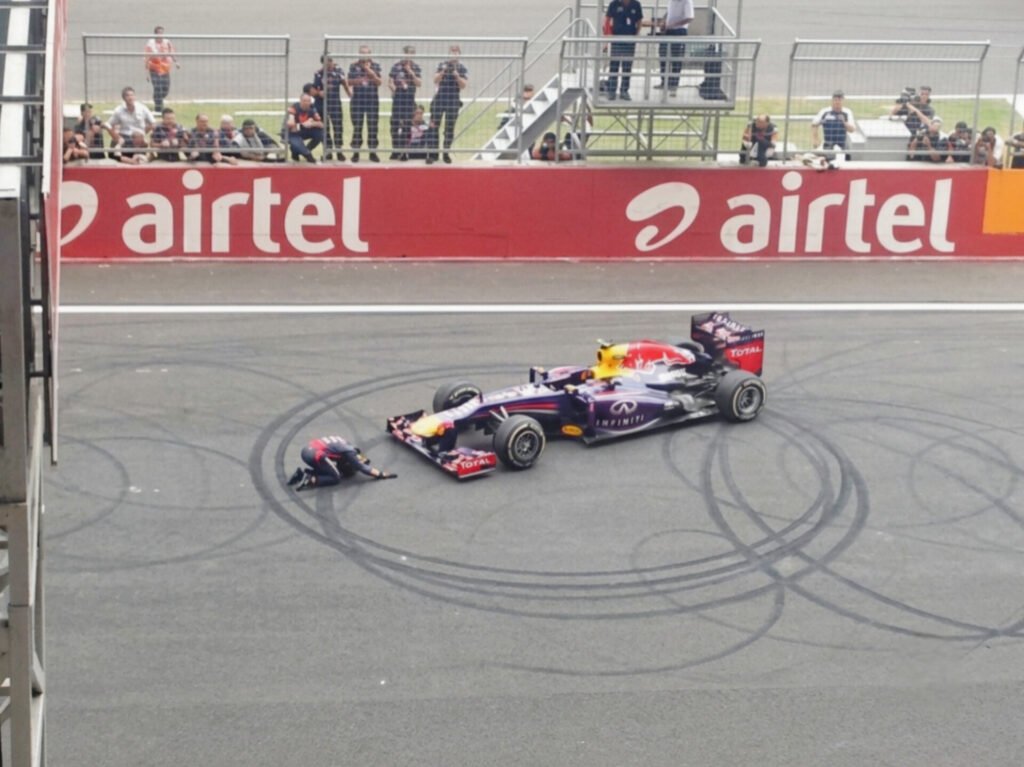
One of the most famous donut celebrations happened at the 2013 Indian Grand Prix.
Sebastian Vettel had just secured his fourth consecutive world championship with Red Bull Racing. After crossing the finish line, he performed a huge donut celebration before stopping the car and kneeling beside it.
For many fans, it was one of the greatest celebration moments in Formula 1 history.
However, Vettel was investigated by the FIA for stopping and celebrating outside the normal parc fermé procedure.
The moment perfectly represented the conflict between old-school Formula 1 emotion and the modern era of strict regulations.
A celebration loved by fans had become a potential rule violation.
The Modern Era: Why Donuts Are Becoming Rare
Today, donut celebrations are much less common.
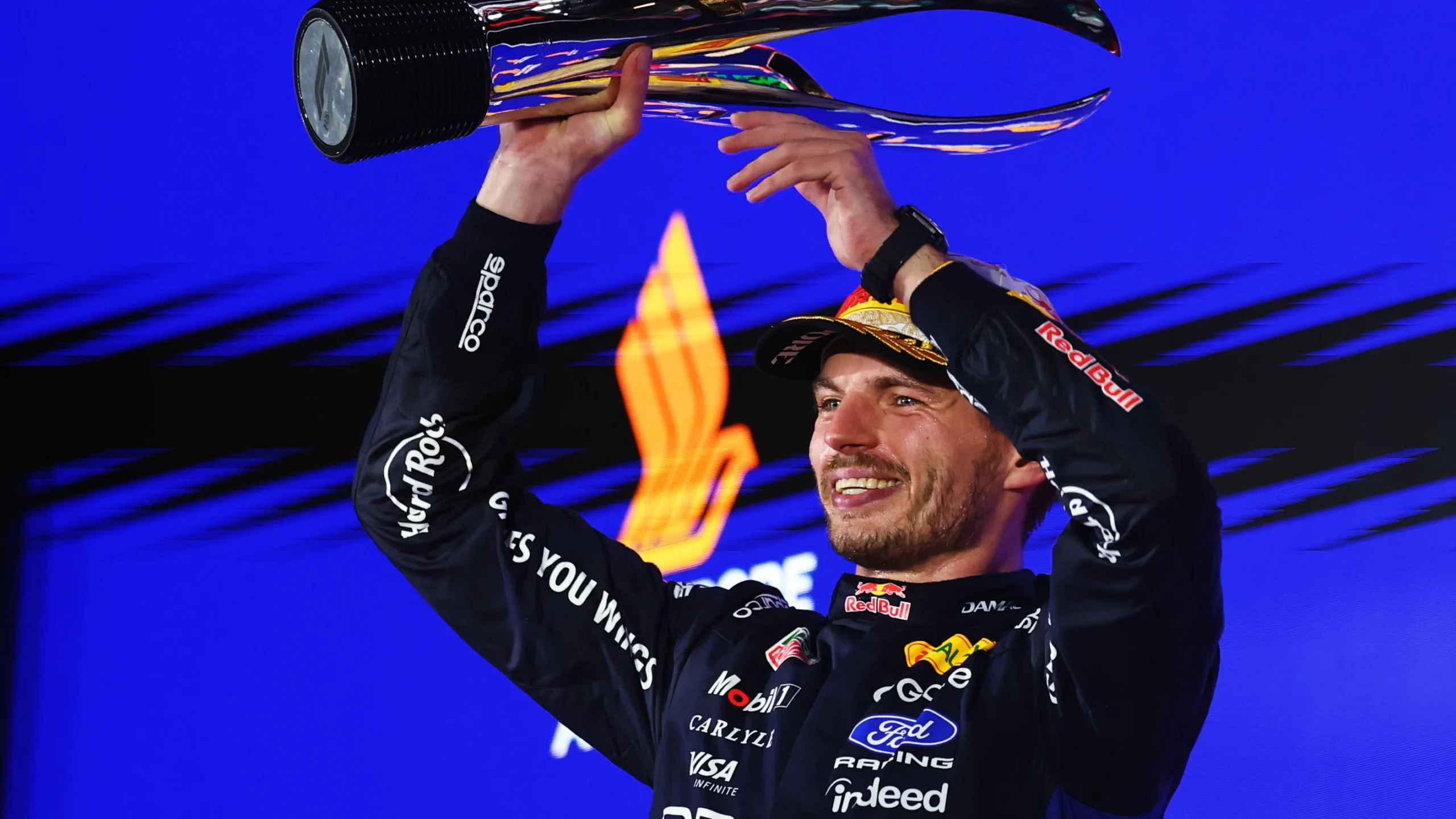
Even during Max Verstappen’s dominant years, the celebration is usually saved for special occasions. Teams are far more careful because modern F1 cars are expensive, fragile, and packed with advanced technology.
Sometimes drivers want to perform a burnout, but the team immediately responds over the radio:
“Please, no donut.”
Winning a Formula 1 race is already difficult.
Now, even celebrating the victory requires permission.
Is Formula 1 Becoming Too Professional?
Many fans miss the era when Formula 1 felt more unpredictable and emotional.
Modern F1 cars are faster, safer, and more technologically advanced than ever before. But some fans believe the sport has lost part of its wild character.
The donut represents something bigger than just spinning a car.
It represents freedom.
It represents emotion.
It represents the moment when a driver finally releases the pressure after surviving a brutal battle on the track.
The sound of a screaming engine, the smell of burning rubber, the smoke filling the circuit, and the driver celebrating with pure excitement — those moments created unforgettable memories.
Today, every time a driver performs a donut, fans immediately react because they know how rare it has become.
In an era where Formula 1 is increasingly controlled by rules, technology, and strategy, the burnout donut remains one of the last symbols of the sport’s rebellious spirit.
The question is:
Has Formula 1 simply become more professional, or is it slowly losing the soul that made it special?

Adhe is part of the 88 Eight Box Editorial Team, covering JDM culture, motorsport, automotive technology, and industry news. The team focuses on delivering original automotive stories, reviews, and insights for enthusiasts worldwide.