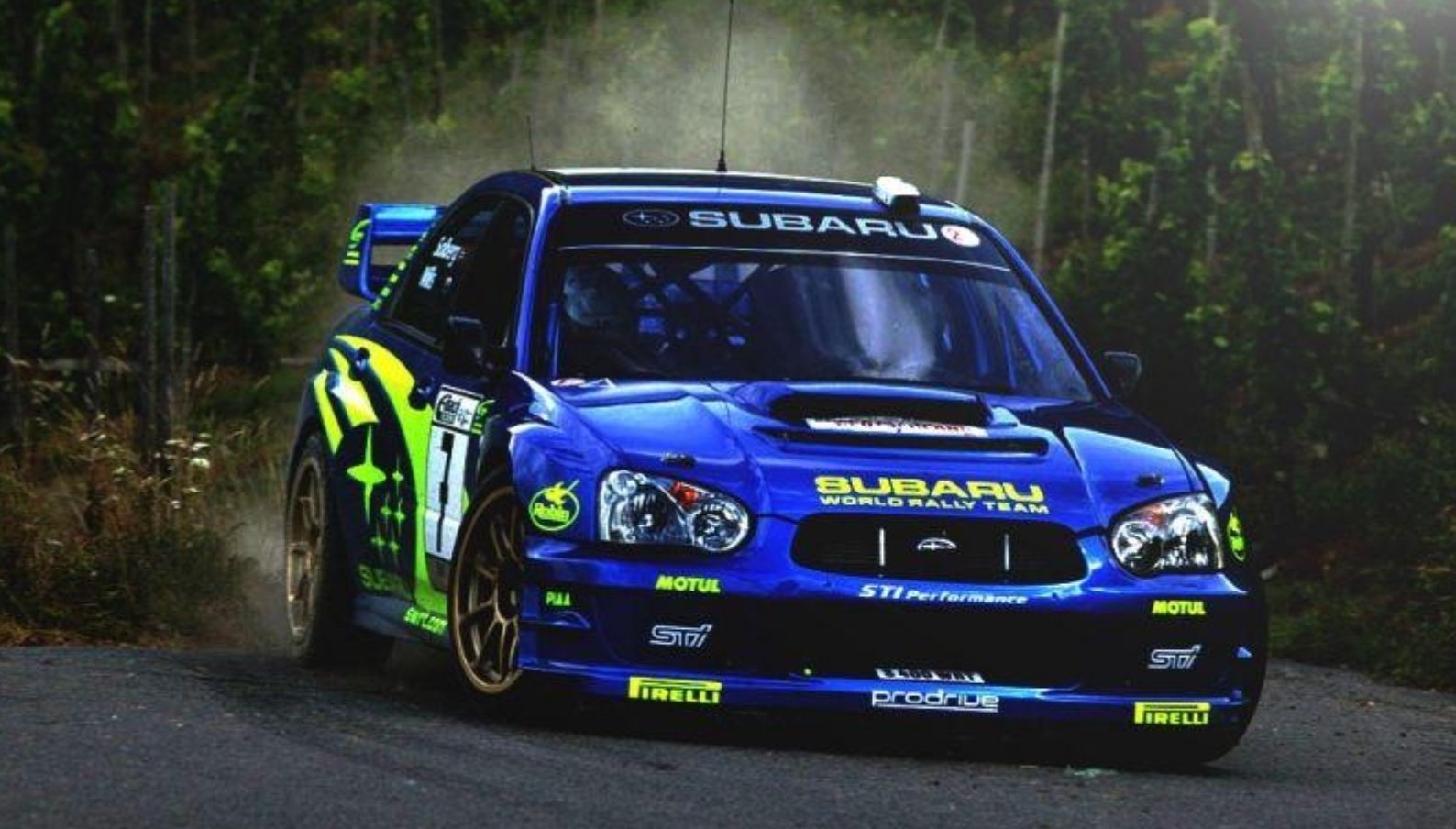
How Rally Racing Turned Ordinary Japanese Cars Into Global Automotive Legends
The World Rally Championship (WRC) has always been more than just a motorsport competition. It has been a proving ground where manufacturers test their engineering, technology, and durability under the harshest conditions on Earth.
For Japanese automakers, rally racing became the perfect stage to showcase their performance technology. From muddy forests to snowy mountain roads, several Japanese cars transformed from ordinary production models into legendary machines that captured the hearts of enthusiasts worldwide.
Many of today’s most iconic JDM performance cars were heavily influenced by their success in rally competition.
Subaru Impreza WRX STI: The Blue and Gold Rally Icon
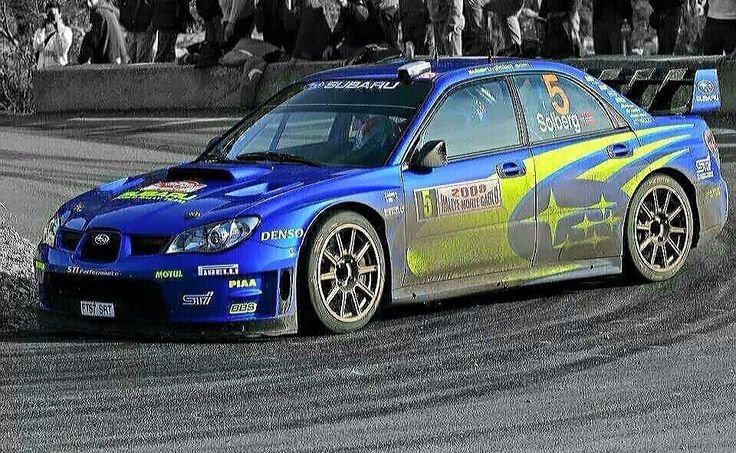
Subaru Impreza WRX STI is arguably one of the most recognizable rally-inspired Japanese cars ever created.
The Impreza became famous through Subaru’s World Rally Championship program during the 1990s. With its legendary blue body color and gold wheels, the car became inseparable from rally legend Colin McRae.
Powered by Subaru’s famous turbocharged boxer engine and equipped with advanced all-wheel-drive technology, the Impreza WRX STI became a symbol of Japanese performance engineering.
The rally success of Subaru helped turn the Impreza into a global icon, inspiring a generation of enthusiasts who wanted a piece of WRC technology for the road.
Mitsubishi Lancer Evolution: The Rival That Challenged Subaru
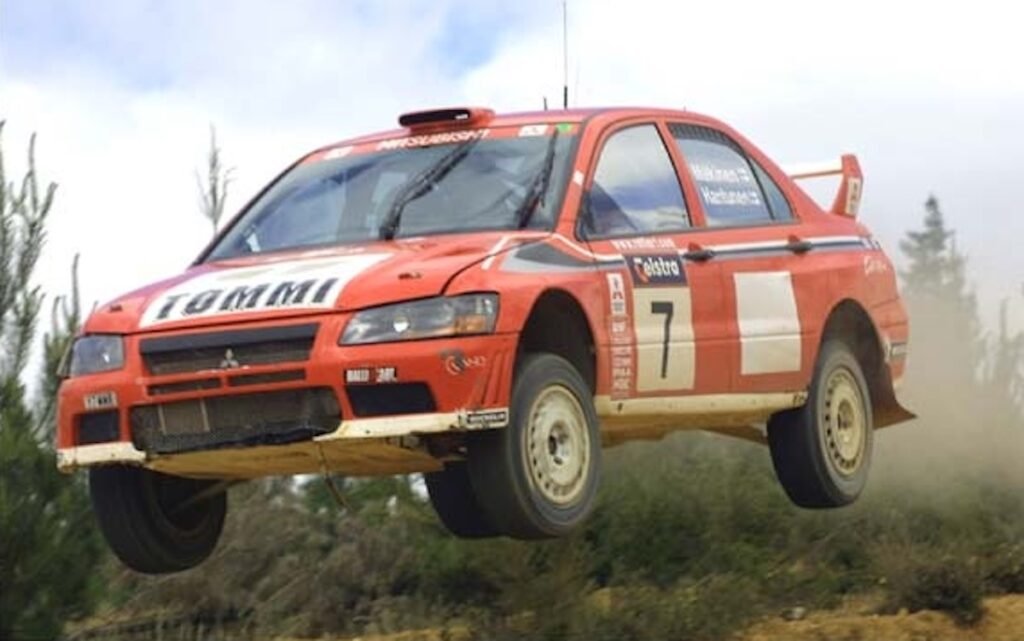
Mitsubishi Lancer Evolution became the biggest rival of the Subaru Impreza during the golden era of Japanese rally racing.
The Evo was developed with one goal: maximum performance in extreme conditions.
Its combination of:
- Turbocharged engine
- Advanced all-wheel-drive system
- Active differentials
- Lightweight chassis
made it one of the most capable rally-based cars ever produced.
The rivalry between Subaru and Mitsubishi created one of the greatest battles in automotive history, with fans around the world choosing sides between the blue Impreza and the red Mitsubishi Evo.
Toyota Celica GT-Four: The Pioneer of Toyota’s Rally Ambitions
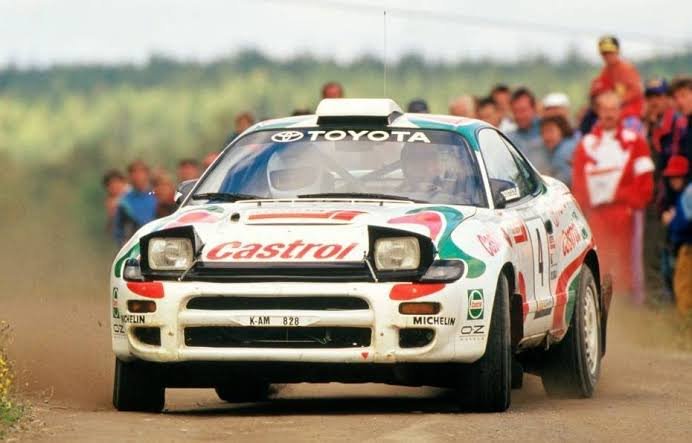
Toyota Celica GT-Four was one of Toyota’s most successful rally machines before the modern GR era.
Built with a turbocharged engine and all-wheel drive, the Celica GT-Four dominated the early 1990s WRC scene.
The car achieved major success with drivers such as Carlos Sainz and helped establish Toyota as a serious force in international rally competition.
The technology developed for the Celica later influenced Toyota’s future performance cars.
Nissan Pulsar GTI-R: The Forgotten Rally Weapon
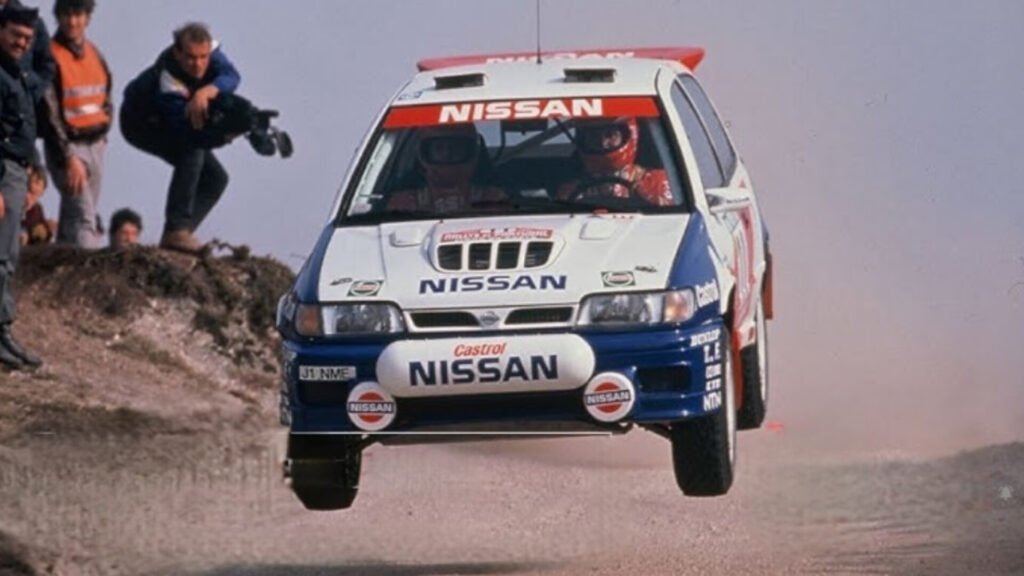
Nissan Pulsar GTI-R may not be as famous as the Impreza or Evo, but it remains one of Japan’s most interesting rally machines.
Built during the Group A era, the Pulsar GTI-R featured:
- Turbocharged SR20DET engine
- Advanced four-wheel-drive system
- Compact dimensions
- Lightweight construction
Although it did not achieve the same level of WRC success as Subaru or Mitsubishi, the car gained a cult following among JDM enthusiasts.
Mazda Familia GT-X: The Hidden AWD Turbo Gem
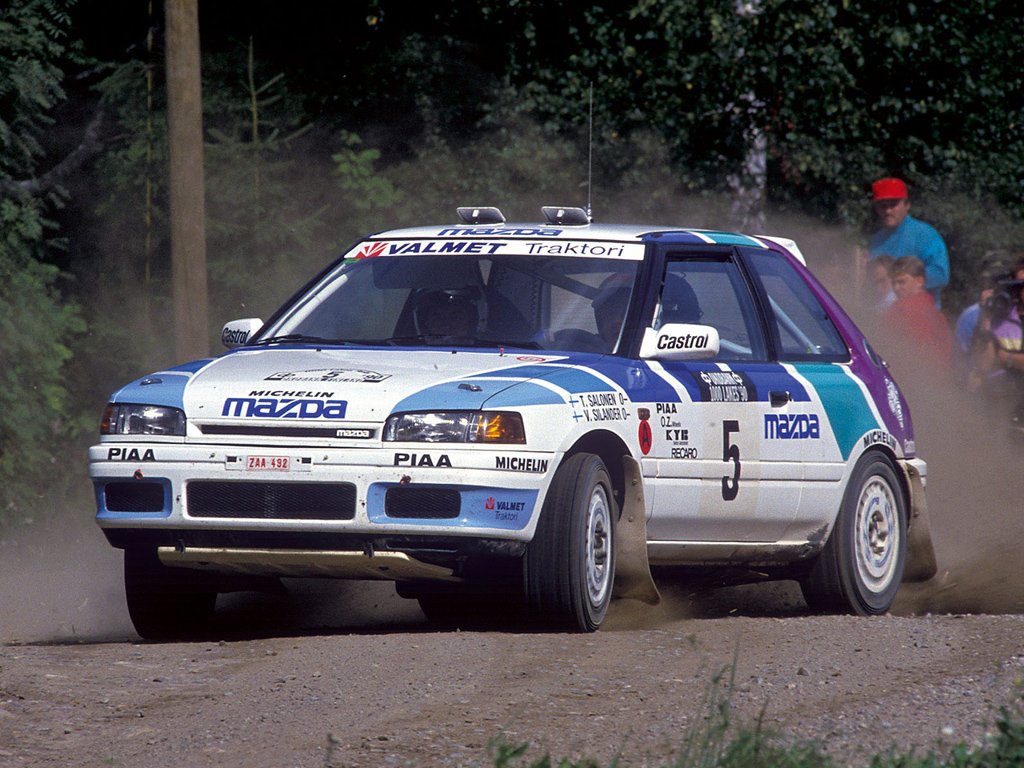
Mazda Familia GT-X, also known in some markets as the Mazda 323 GTX, was Mazda’s attempt to compete in the turbocharged all-wheel-drive rally era.
The small hatchback featured:
- Turbocharged engine
- Four-wheel drive
- Lightweight body
It competed against legendary rivals during the late 1980s and early 1990s, proving that smaller Japanese cars could compete against much larger machines.
Toyota GR Yaris: The Modern Rally-Born Supercar
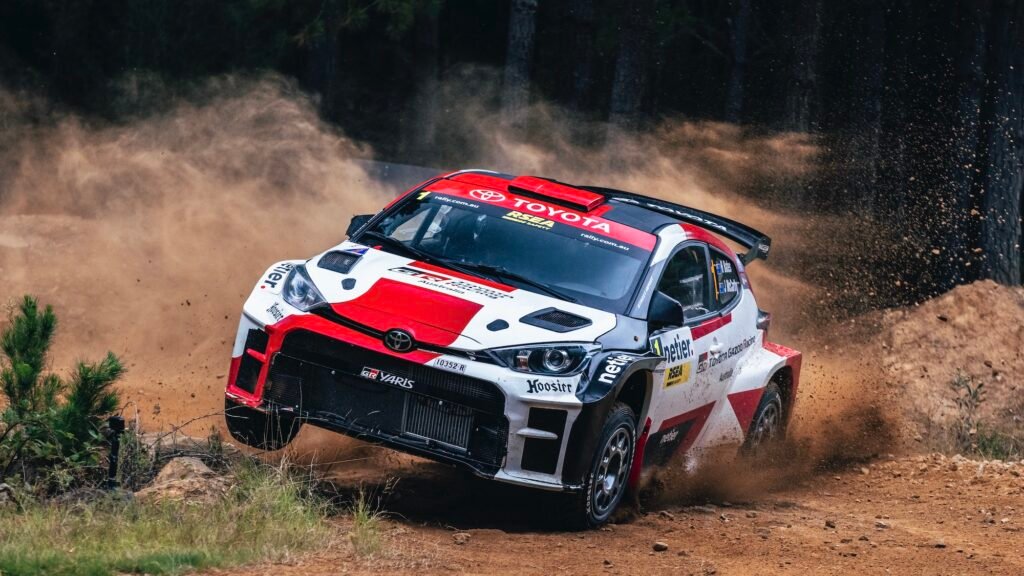
Captured at 2022 ARC R1 – Netier National Capital Rally on 20220402 by Jack Martin Photography.
Toyota GR Yaris represents the modern connection between WRC and production cars.
Unlike many performance cars that are modified after production, the GR Yaris was developed with rally competition in mind.
Toyota created the car to support its WRC program, resulting in features such as:
- Lightweight body
- Powerful turbocharged engine
- Advanced GR-Four all-wheel drive
- Rally-focused chassis design
The GR Yaris shows that the spirit of rally engineering is still alive today.
How WRC Changed Japanese Car Culture
The influence of WRC went far beyond racing.
Rally success helped create the global popularity of JDM performance cars. Enthusiasts who watched Subaru, Mitsubishi, and Toyota compete on television wanted cars that delivered similar excitement on the road.
WRC helped popularize:
- Turbocharged Japanese engines
- All-wheel-drive performance
- Rally-inspired modifications
- Japanese tuning culture
Many legendary street cars exist today because manufacturers wanted to prove themselves in rally competition.
The Legacy of Rally-Born JDM Legends
From the forests of Finland to the mountains of Monte Carlo, Japanese rally cars created a legacy that continues decades later.
The Subaru Impreza WRX STI, Mitsubishi Lancer Evolution, Toyota Celica GT-Four, and Toyota GR Yaris are more than just performance cars—they are reminders of an era when manufacturers used motorsport to create machines that could survive the world’s toughest roads.
WRC did not just produce champions.
It created automotive legends.

Adhe is part of the 88 Eight Box Editorial Team, covering JDM culture, motorsport, automotive technology, and industry news. The team focuses on delivering original automotive stories, reviews, and insights for enthusiasts worldwide.