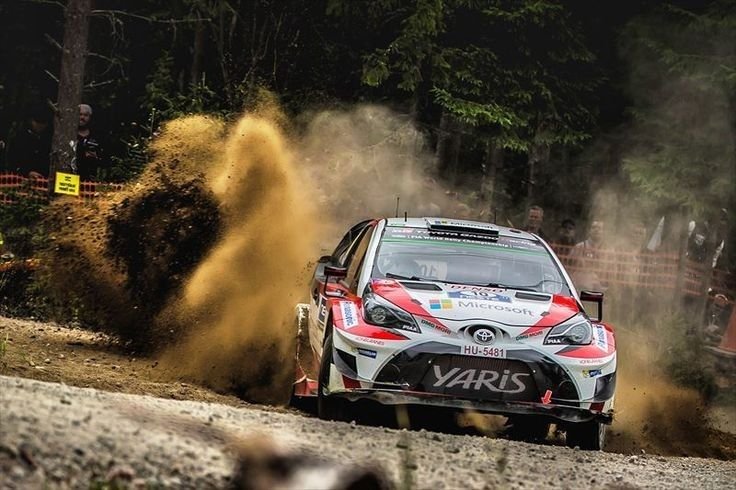
The World Rally Championship (WRC) is often considered a simpler form of motorsport compared to Formula 1. There are no massive race circuits, no giant factories producing new cars every weekend, and the vehicles still resemble their road-going counterparts.
However, behind the scenes, WRC is one of the most demanding and expensive racing championships in the world. The costs go far beyond building the car itself. Teams must invest heavily in research and development, logistics, repairs, spare parts, and the technology needed to survive some of the toughest conditions in motorsport.
A WRC Car Can Cost Nearly €1 Million
At the highest level, Rally1 cars are far from ordinary production vehicles. They are purpose-built racing machines engineered to withstand extreme environments, from rocky gravel stages to icy mountain roads.
A modern WRC Rally1 car features:
- A turbocharged 1.6-liter engine
- Advanced four-wheel-drive systems
- Specially developed suspension for gravel, snow, and asphalt surfaces
- Lightweight carbon components
- Aerodynamic upgrades
- FIA-approved safety technology
A single Rally1 car can cost close to €1 million when development, racing components, and preparation are included.
But the car itself is only the beginning. Teams also require spare engines, gearboxes, suspension components, body panels, and thousands of replacement parts throughout the season.
One Rally Weekend Can Cost Hundreds of Thousands of Euros
Unlike circuit racing, WRC cars are pushed to their limits on unpredictable and unforgiving terrain.
Drivers compete across:
- Rocky gravel roads
- Snow and ice-covered stages
- Muddy forest tracks
- High-speed mountain routes
A single mistake can lead to major damage. A heavy landing after a jump can destroy the suspension, while hitting a hidden rock can damage the wheels, bodywork, or even the engine.
Because of these risks, teams must bring large quantities of spare parts, specialized equipment, and a full crew of mechanics to every event.
Factory Teams Spend Tens of Millions Every Year
Competing at the highest level of WRC requires a significant financial commitment.
Factory teams such as Toyota, Hyundai, and M-Sport invest heavily in:
- Vehicle development
- Engine research
- Engineering departments
- Data analysis
- Testing programs
- Global transportation
- Driver and crew operations
A competitive factory WRC program can cost tens of millions of euros per season, especially for manufacturers aiming to fight for championship titles.
Why WRC Is Changing With New 2027 Regulations
The rising cost of competition has become one of WRC’s biggest challenges. To attract more manufacturers and private teams, the FIA introduced new regulations for the 2027 season aimed at making rallying more affordable.
The upcoming WRC27 regulations are designed to reduce vehicle costs, with a target price of around €345,000 per car. The new rules will also provide greater freedom in vehicle design while using cost-controlled components to make the championship more accessible.
The goal is to create a more sustainable future for rallying while maintaining the speed, technology, and excitement that define WRC.
WRC Compared to Other Motorsport Categories
| Motorsport Category | Estimated Cost |
|---|---|
| WRC Rally1 Car | Around €1 million |
| WRC27 Car | Around €345,000 |
| Rally2 Car | Around €250,000–300,000 |
| Factory WRC Program | Tens of millions of euros per year |
| Formula 1 Team Budget | Hundreds of millions of dollars per year |
The True Cost of Racing on the Edge
The biggest challenge in WRC is not only speed — it is survival.
While Formula 1 teams fight for milliseconds on perfectly prepared circuits, rally drivers push their cars through forests, deserts, snow, and mountain roads where every corner can bring unexpected danger.
A rally car worth nearly a million euros can be damaged within seconds. Yet that extreme risk is exactly what makes the World Rally Championship one of the most spectacular and demanding forms of motorsport on the planet.
With the introduction of WRC27, the FIA hopes rallying can enter a new era where more manufacturers and teams have the opportunity to compete at the highest level.

Adhe is part of the 88 Eight Box Editorial Team, covering JDM culture, motorsport, automotive technology, and industry news. The team focuses on delivering original automotive stories, reviews, and insights for enthusiasts worldwide.