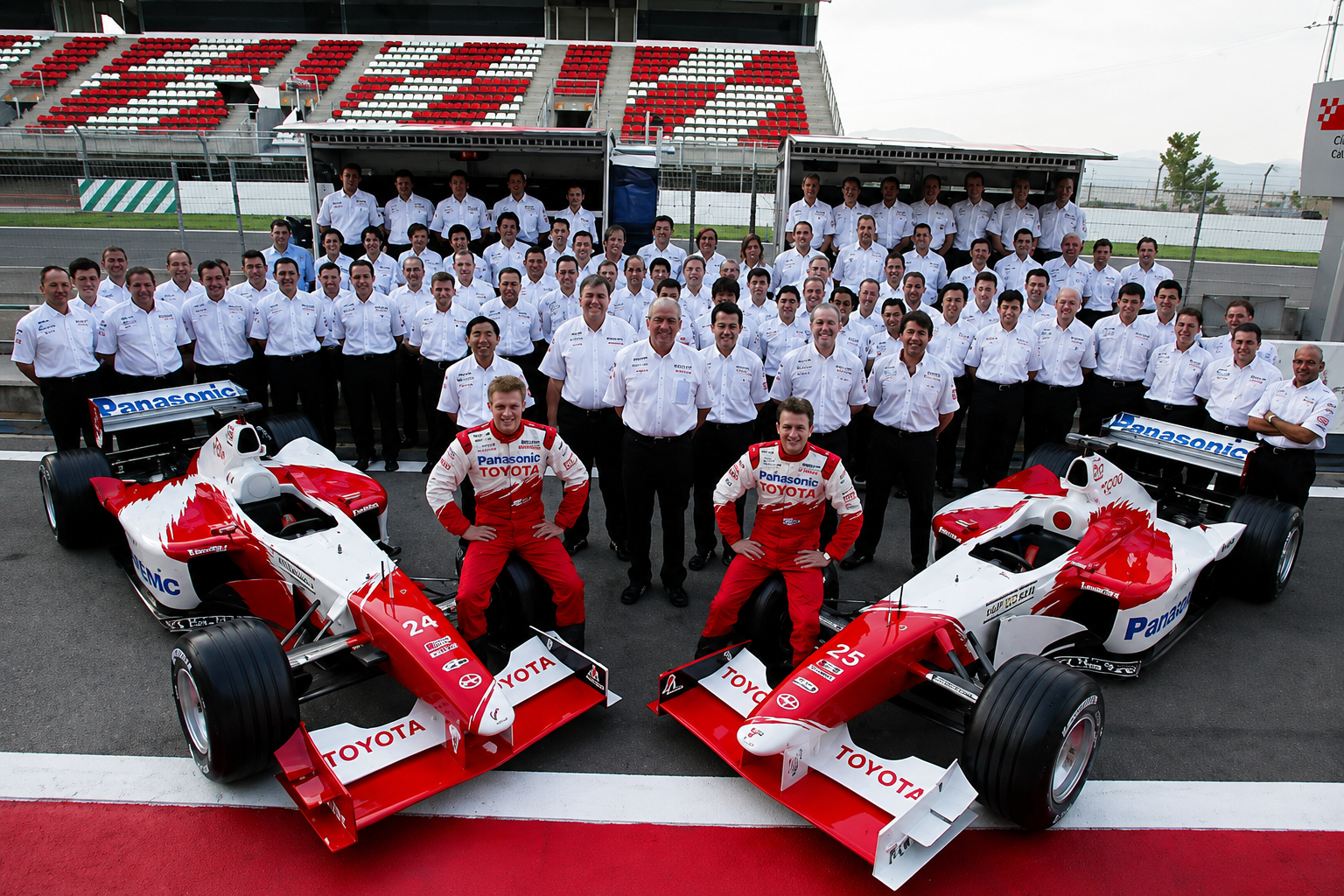
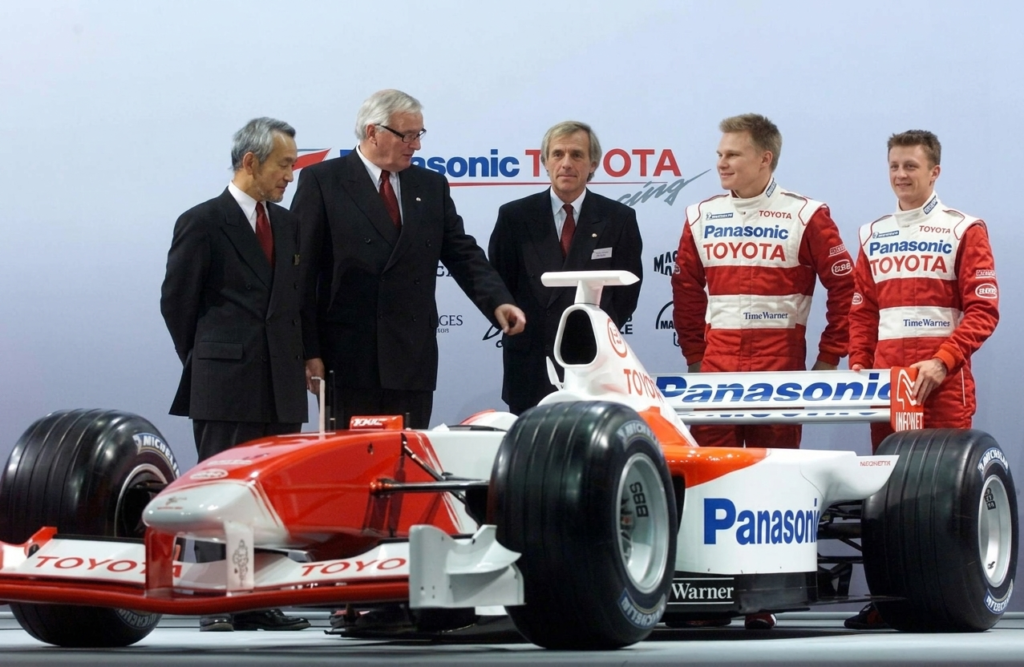
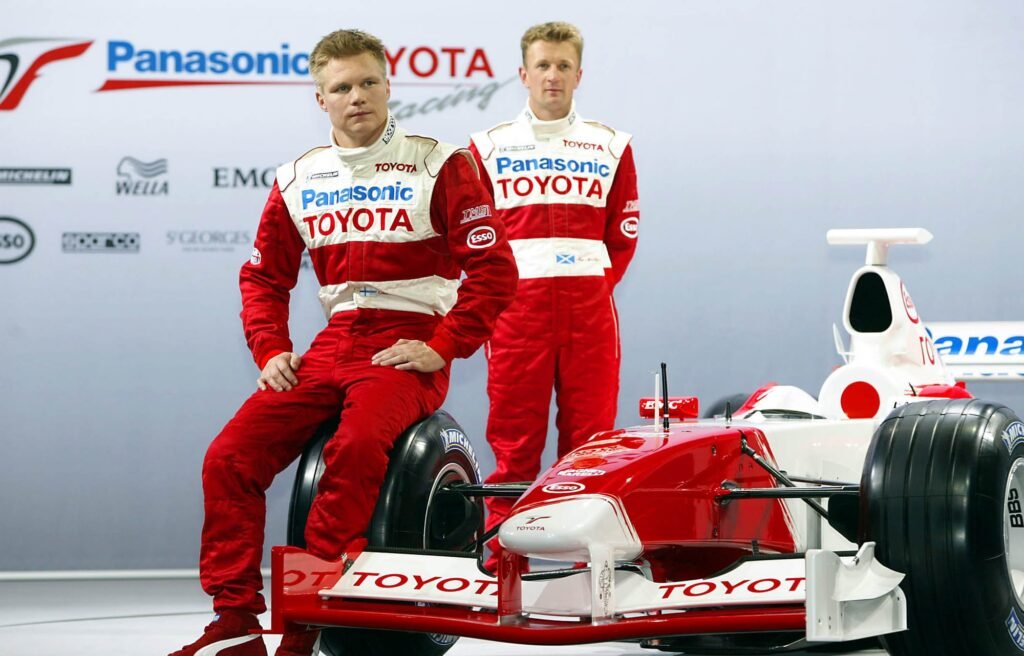
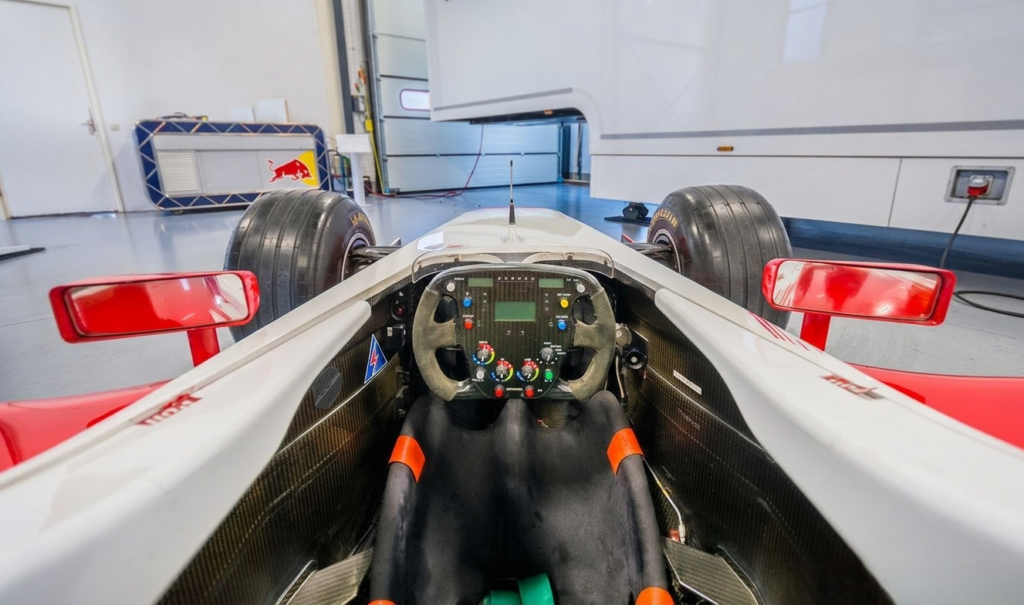
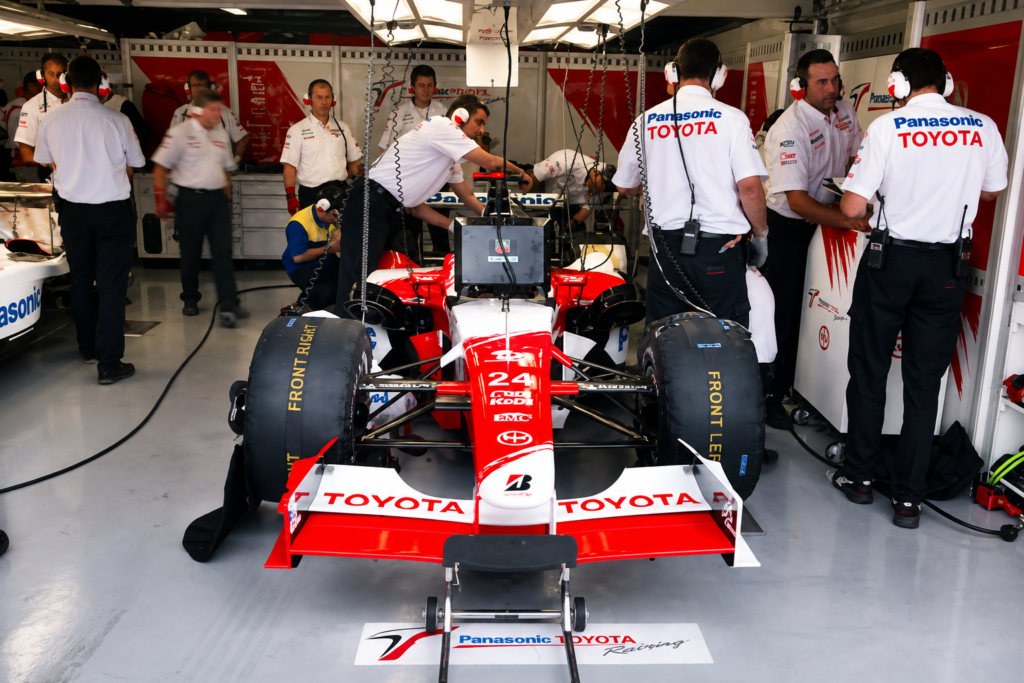
Toyota entered Formula 1 in 2002 with one of the biggest budgets the sport had ever seen. The Japanese automotive giant reportedly spent around $2 billion during its eight-year F1 campaign, expecting to challenge established teams like Ferrari, McLaren, and Williams.
Instead, Toyota’s journey became one of the most expensive failures in motorsport history.
Despite its enormous investment, Toyota achieved only 13 podium finishes, three pole positions, and a best result of fourth place in the Constructors’ Championship. For a company with almost unlimited resources, the results were far below expectations.
But why did Toyota fail?
Unlike most new teams, Toyota decided to build everything from scratch. The chassis, gearbox, suspension, and engine were all developed internally. The company created its own factory, hired experienced engineers, and completed thousands of kilometres of testing before its debut.
On paper, Toyota looked ready for success.
However, Formula 1 is not won by money alone.
One of Toyota’s biggest problems was adapting to the unique culture of Formula 1. The team was based in Cologne, Germany, while most F1 teams were located in the United Kingdom. This made it harder for Toyota to attract the best Formula 1 engineers and experienced personnel.
The company also struggled with its corporate philosophy. The famous Toyota Way, which helped make Toyota one of the world’s most successful car manufacturers, did not always fit the fast and unpredictable environment of Formula 1.
Decisions often required approval from Toyota’s headquarters in Japan, creating bureaucracy in a sport where speed and flexibility are critical.
Toyota also failed to secure the very best talents in Formula 1. While the team hired experienced figures such as Gustav Brunner and Pascal Vasselon, it never managed to attract top-level names like Adrian Newey, Rory Byrne, or Ross Brawn.
The driver lineup was respectable but rarely featured true Formula 1 superstars. Drivers like Mika Salo, Jarno Trulli, Ralf Schumacher, Timo Glock, and Kamui Kobayashi delivered solid performances, but Toyota never had the combination of leadership, engineering talent, and driving ability needed to fight for championships.
Interestingly, Toyota’s F1 project was not a complete commercial failure. During its time in Formula 1, Toyota’s sales in Europe increased significantly, and the company became the world’s largest car manufacturer in 2007.
The problem was on the racing side.
The global financial crisis of 2008 eventually forced Toyota to reconsider its expensive F1 program. After spending billions without achieving a race victory, Toyota announced its withdrawal from Formula 1 in November 2009.
The decision came just as the team was showing signs of improvement, making the exit even more disappointing.
Toyota’s F1 story remains a powerful reminder that success in Formula 1 requires more than money and technology. It requires the right people, the right strategy, and a deep understanding of the sport’s unique culture.
Toyota had the resources to become a champion, but Formula 1 proved that money alone cannot buy victory.
What do you think was the main reason behind Toyota’s failure in F1? Was it management, strategy, or simply the difficulty of entering the most competitive racing series in the world?
Share your comments.

Adhe is part of the 88 Eight Box Editorial Team, covering JDM culture, motorsport, automotive technology, and industry news. The team focuses on delivering original automotive stories, reviews, and insights for enthusiasts worldwide.