
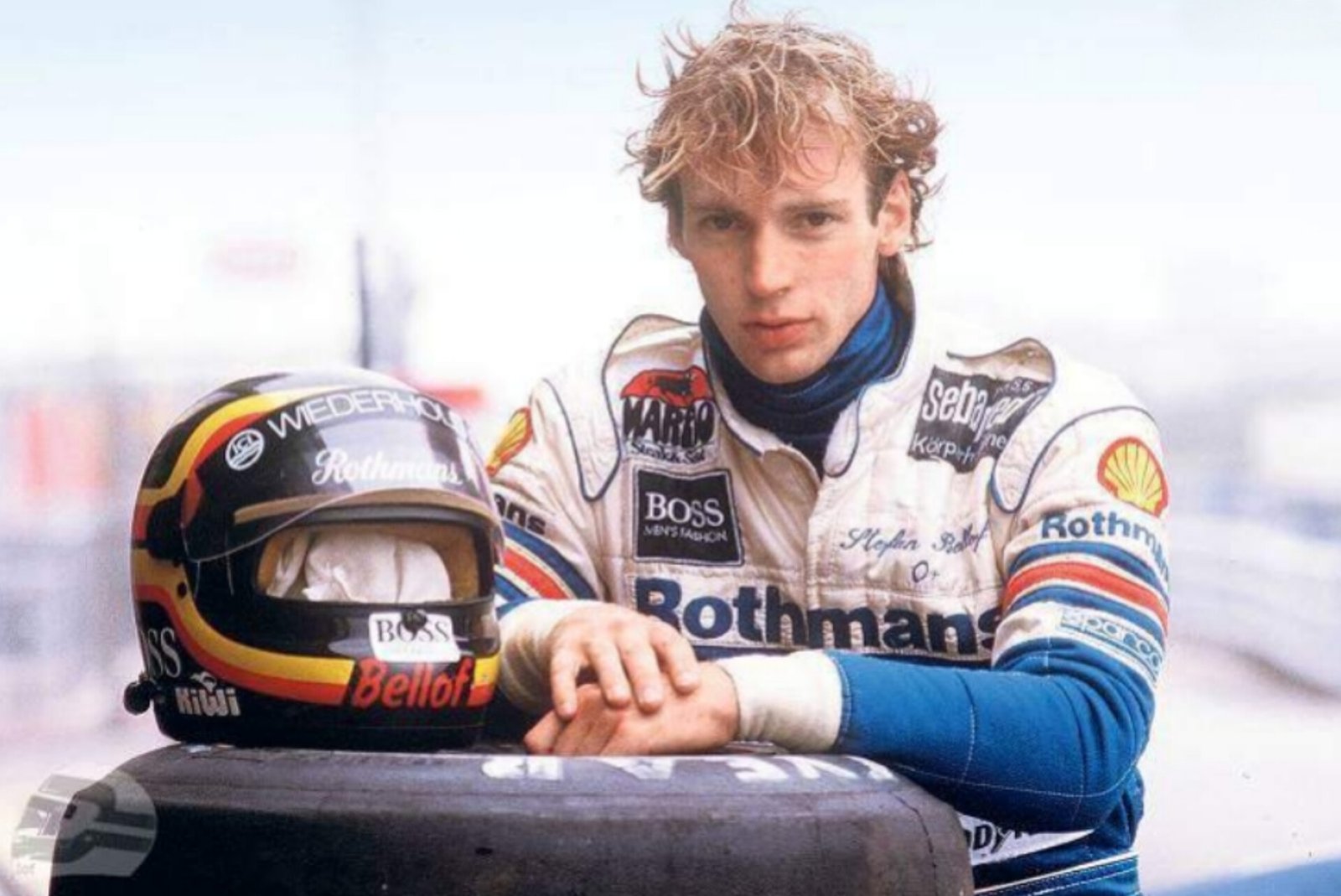
Stefan Bellof was one of the most naturally gifted racing drivers of the 1980s. A driver who seemed able to bend any car to his will, break lap records that stood for decades, and push machines beyond their known limits. His fearless approach to racing earned him comparisons with legends such as Ayrton Senna.
However, before Bellof could fully establish himself among the greatest drivers of his generation, fate intervened. His career was tragically cut short, leaving behind one of motorsport’s greatest unanswered questions: how far could Stefan Bellof have gone?
From his legendary Nürburgring Nordschleife lap record to his incredible Formula 1 performances, this is the story of Stefan Bellof — the lost champion of speed.
A Meteoric Rise Through Motorsport
Born in Germany in 1957, Stefan Bellof’s rise through the motorsport ladder was remarkably fast. He dominated karting before moving into Formula Ford, Formula 3, and eventually Formula 2, where his extraordinary talent became impossible to ignore.
Bellof possessed a rare combination of speed, aggression, and confidence. He had the ability to extract every ounce of performance from a racing car, often making machinery that was considered inferior look competitive.
By the early 1980s, many in the racing world believed Germany had discovered its next great superstar.
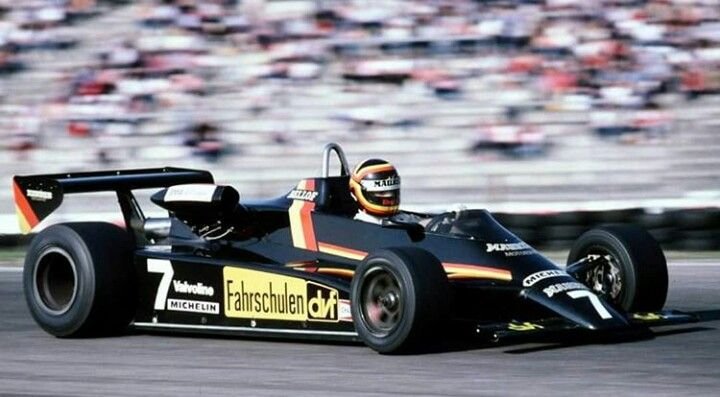
In the 1982 European Formula 2 Championship, Bellof regularly defeated more experienced rivals with his aggressive but calculated driving style. One of his most impressive performances came at Silverstone, where he delivered a dominant victory and showcased the raw ability that made him stand out from his peers.
While many young drivers focused exclusively on single-seaters, Bellof took a different path that would ultimately create his place in motorsport history.
The Nürburgring Record That Defined a Legend
In 1983, Bellof joined the Rothmans Porsche factory team in the World Endurance Championship. It was there that he created one of the greatest moments in racing history.
Driving the legendary Porsche 956 at the Nürburgring Nordschleife, Bellof completed a lap in 6 minutes and 11 seconds, setting an outright record that remained unbeaten for 35 years.
That lap perfectly represented everything about Stefan Bellof: fearless, precise, and unbelievably fast.
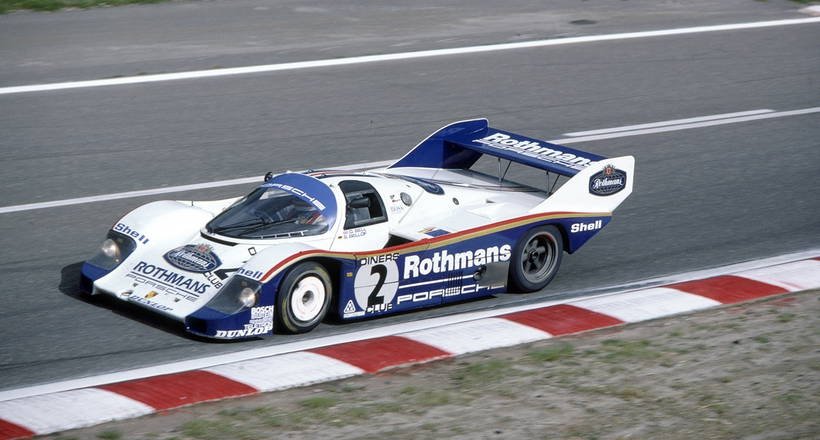
The Nürburgring was one of the most dangerous and demanding circuits in the world, yet Bellof attacked it with a level of confidence few drivers ever possessed. His record became a symbol of his incredible natural ability.
Even more impressive was the competition he faced at Porsche. Bellof was racing alongside established legends such as Jacky Ickx, Derek Bell, and Jochen Mass — drivers with decades of experience and multiple achievements behind them.
Yet Bellof was often faster, especially over a single lap. His outright pace was something even his legendary teammates struggled to match.
Formula 1 Arrival: A Glimpse of Greatness
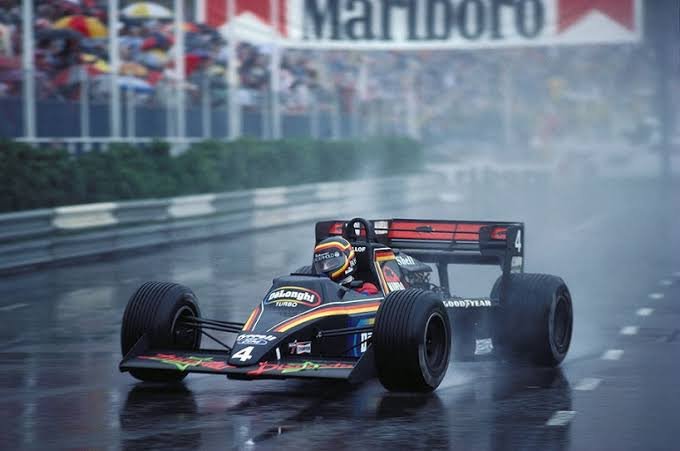
Bellof’s performances in sports cars eventually earned him a Formula 1 opportunity with Tyrrell in 1984.
The Tyrrell team was far from the strongest on the grid, but Bellof’s talent immediately became obvious.
His most famous Formula 1 moment came at the Monaco Grand Prix that year.
In extremely difficult wet conditions, Bellof produced one of the most spectacular drives in F1 history. Starting near the back of the grid, he charged through the field with incredible speed, overtaking world champions and closing rapidly on race leaders Alain Prost and Ayrton Senna.
The race was stopped early due to safety concerns, preventing Bellof from completing what many believed could have become one of the greatest victories ever seen in Formula 1.
Some fans and historians still wonder: if the race had continued, could Stefan Bellof have defeated Senna and Prost that day?
Regardless of the answer, that performance announced Bellof as a future Formula 1 star.
A Future Ferrari Driver Who Never Had the Chance
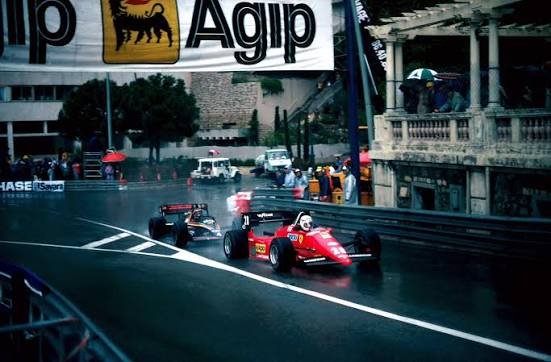
After becoming World Sportscar Champion in 1984, Bellof appeared ready for the next major step in his career.
By 1985, Ferrari had reportedly shown interest in bringing him to Maranello for the 1986 season. A Ferrari seat could have finally given Bellof the machinery needed to fight for Formula 1 championships.
A driver with his speed, courage, and ability to adapt seemed destined for greatness.
But motorsport history changed forever at Spa-Francorchamps on September 1, 1985.
The Tragic Loss at Spa
During the World Sportscar Championship race at Spa, Bellof was fighting for the lead against Jacky Ickx.
The battle between two fearless racers reached one of the most famous corners in motorsport — Eau Rouge.
The two cars made contact at high speed, sending Bellof’s Porsche into the barriers. The impact was devastating, and Stefan Bellof lost his life at only 27 years old.
Motorsport had lost one of its brightest talents.
A driver who seemed destined to become a Formula 1 legend never had the opportunity to show his full potential.
The Greatest “What If?” in Racing History
What if Stefan Bellof had survived?
What if he had joined Ferrari in 1986?
What if he had battled Ayrton Senna, Alain Prost, Nigel Mansell, and Nelson Piquet during one of Formula 1’s greatest eras?
Bellof’s aggressive style would have created unforgettable battles with Senna. His ability to find speed from difficult cars could have challenged Prost’s precision. His fearless attitude would have made him a natural rival to Mansell and Piquet.
And perhaps the most fascinating question: what impact would Bellof have had on another young German driver who would rise years later — Michael Schumacher?
Would Bellof have been Schumacher’s hero? His inspiration? Or even his greatest rival?
These questions will never be answered.
A Champion Who Never Needed a Trophy
Stefan Bellof’s career was short, but his impact remains enormous.
He was not just a talented driver. He was a force of nature behind the wheel. His speed, bravery, and passion made him one of the most exciting racers of his generation.
Although he never had the chance to win a Formula 1 World Championship, many believe Bellof possessed the ability to stand alongside legends such as Senna, Prost, and Schumacher.
Stefan Bellof represents one of motorsport’s greatest unfinished stories. His career ended before the world could truly discover his limits, but the moments he created — especially his Nürburgring masterpiece and his Monaco performance — proved that he belonged among the elite.
Perhaps Bellof never became a Formula 1 champion on paper, but for those who witnessed his brilliance, he was already a champion in spirit.
What do you think? Could Stefan Bellof have changed the history of Formula 1 if he had lived longer? Would he have challenged Senna and Prost for championships?
Share your thoughts in the comments, and tell us which other legendary driver deserves a “what if?” story.

Adhe is part of the 88 Eight Box Editorial Team, covering JDM culture, motorsport, automotive technology, and industry news. The team focuses on delivering original automotive stories, reviews, and insights for enthusiasts worldwide.