Modern vehicles rely heavily on complex electrical systems that control everything from the Engine Control Unit (ECU), safety features, sensors, lighting systems, and in-car entertainment. Behind this complicated network of wires and electronic modules, there is a small but extremely important component that acts as the first line of defense: the fuse.
A fuse is designed to protect a vehicle’s electrical circuits from excessive current flow and short circuits. When an electrical problem occurs, the small metal element inside the fuse melts and immediately cuts the power supply, preventing more expensive components from being damaged.
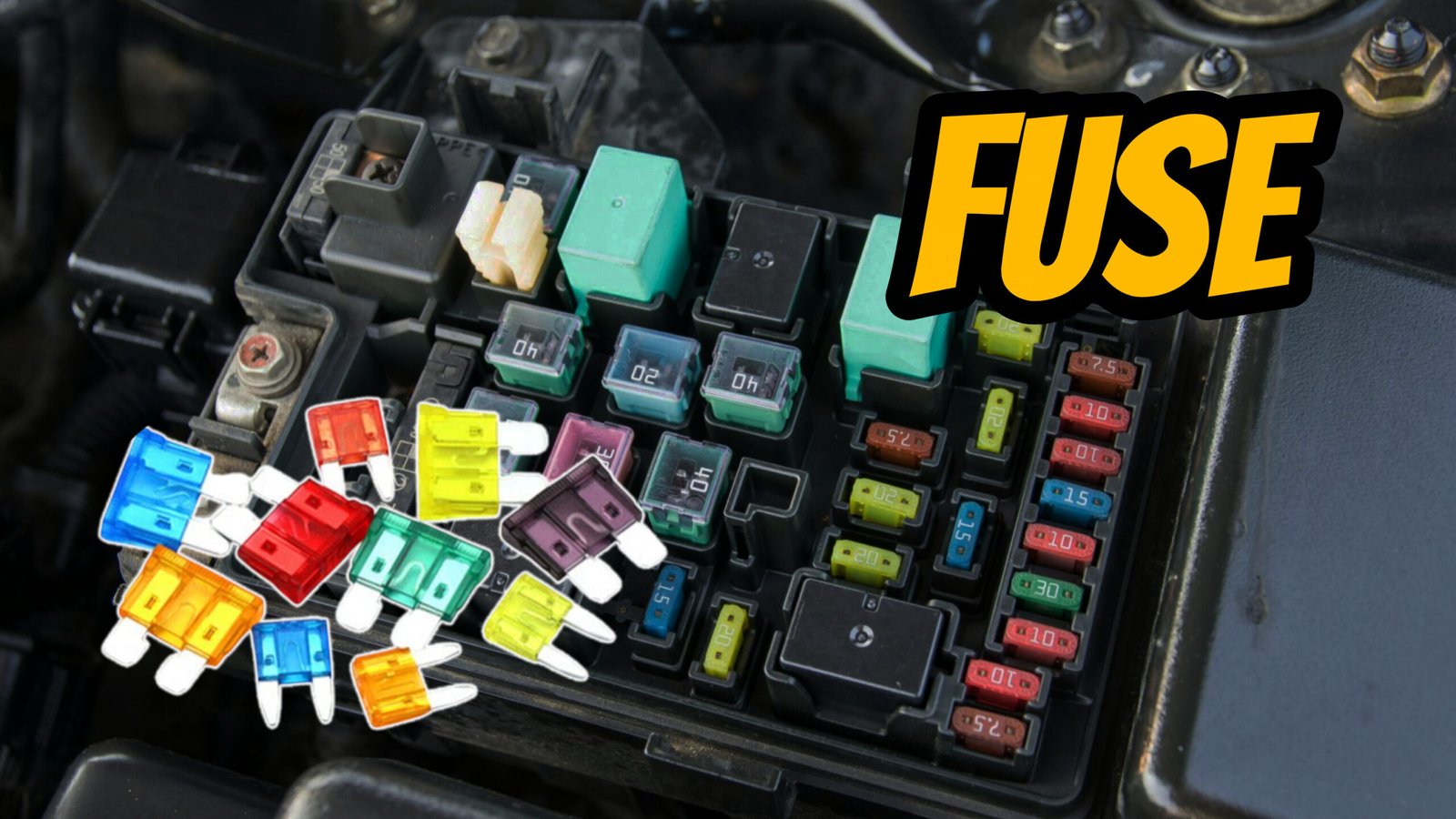
To make maintenance and replacement easier, automotive manufacturers use international color standards for blade-type fuses. Each color represents a specific maximum current capacity measured in Amps.
Understanding Car Fuse Color Codes
Every fuse color indicates how much electrical current it can safely handle before it breaks the circuit.
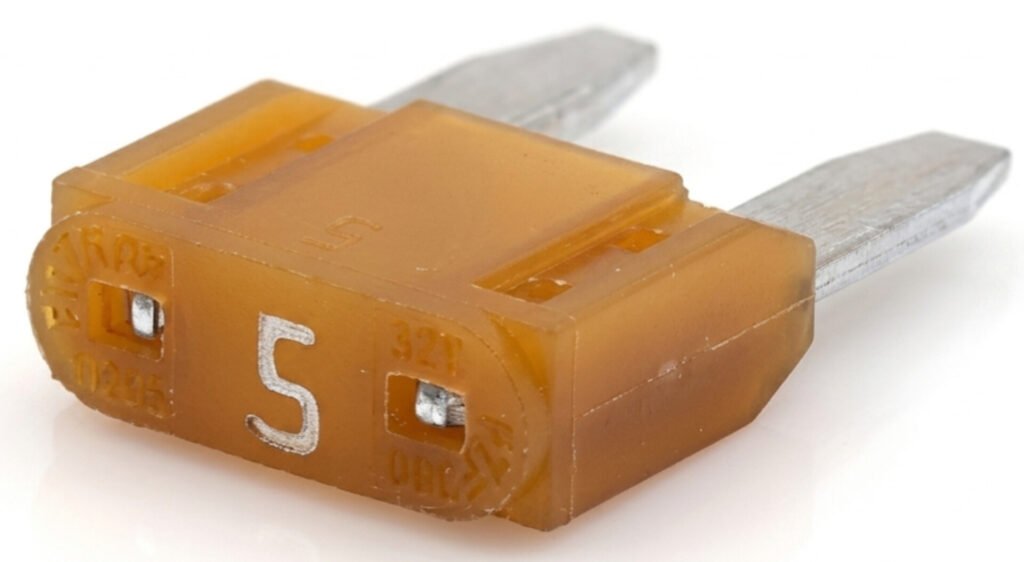
Orange (5 Amp)
Designed for low-power electrical systems, commonly used for sensors, dashboard indicators, and small instrument panel circuits.
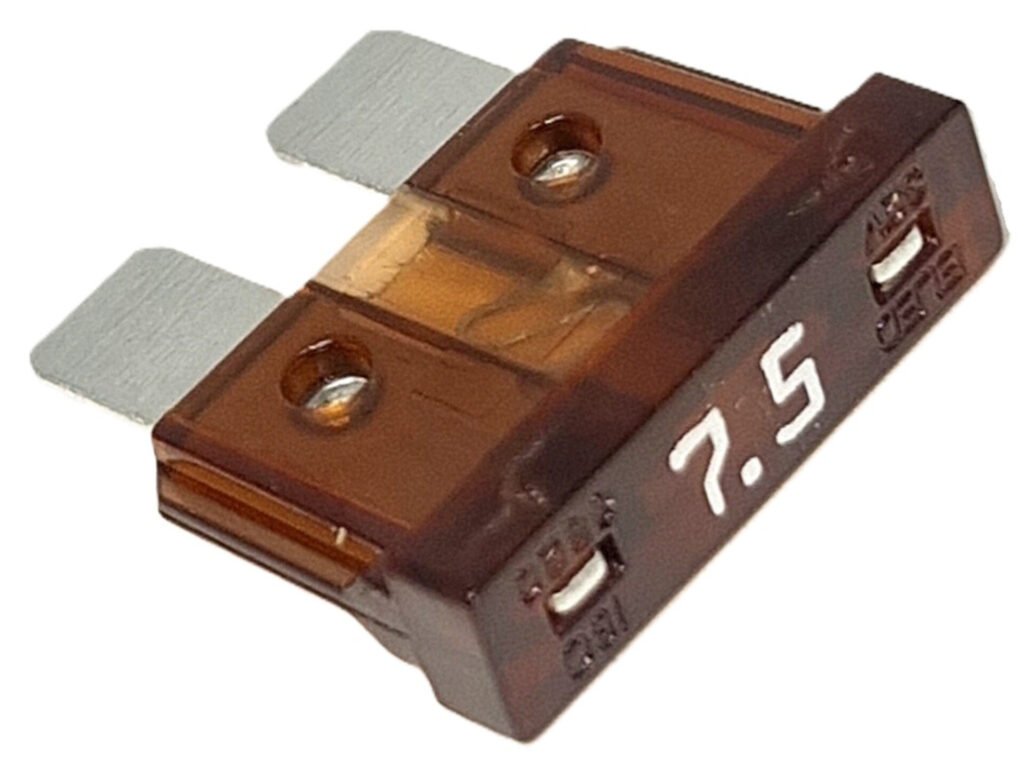
Brown (7.5 Amp)
Usually found in lightweight electronic systems such as interior lights, control switches, and small vehicle modules.
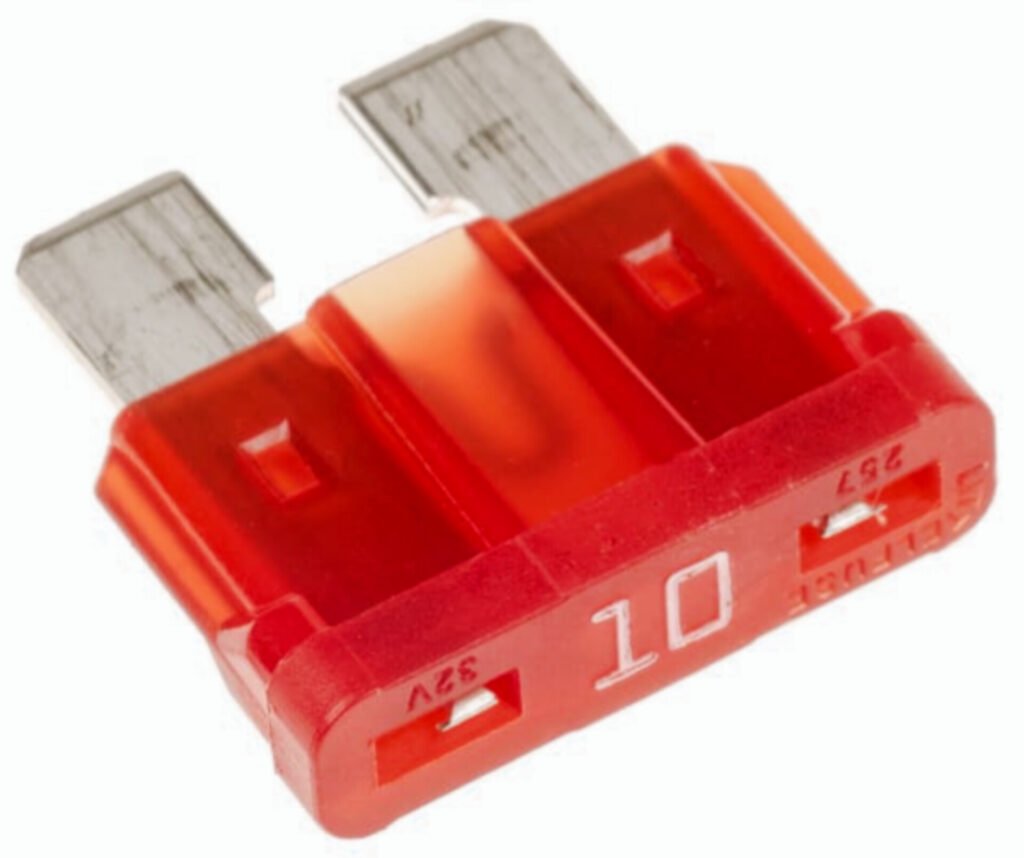
Red (10 Amp)
One of the most commonly used fuse ratings. It typically protects standard daily electronics such as audio systems, parking lights, and horns.
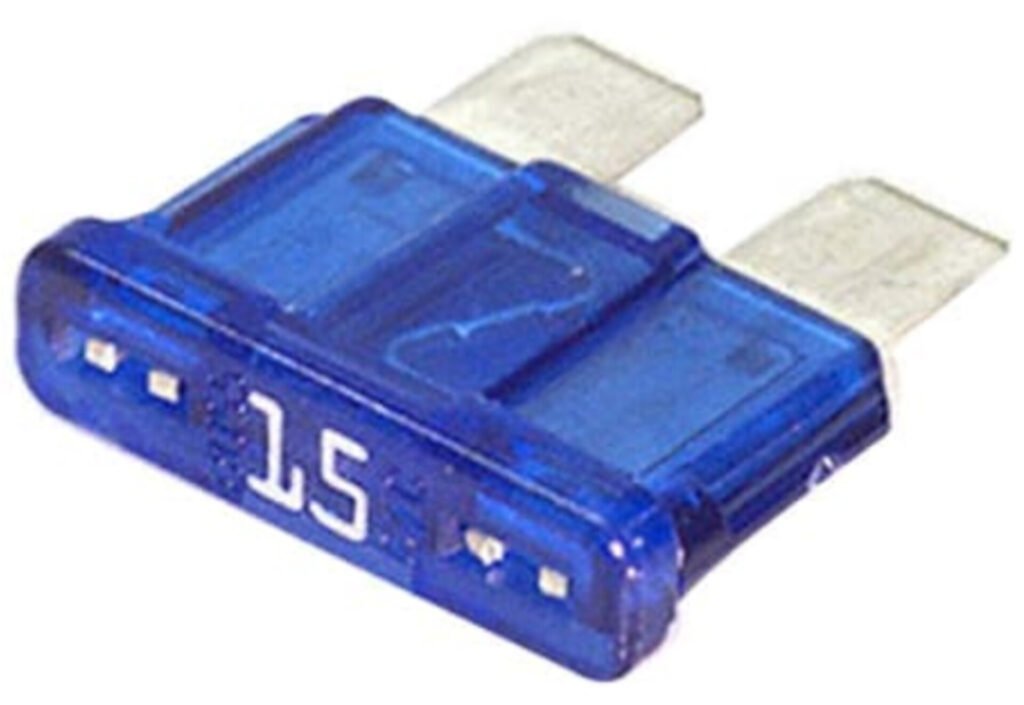
Blue (15 Amp)
Used for medium-power components including cigarette lighter sockets, fuel pumps, and windshield wiper motors.
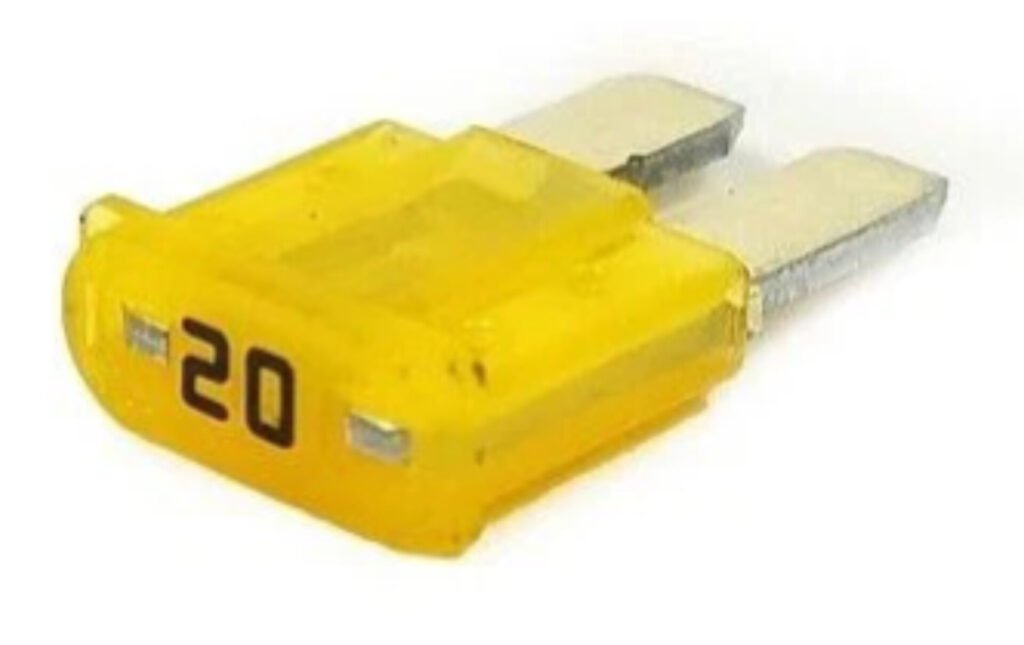
Yellow (20 Amp)
Handles higher electrical loads such as power windows, central locking systems, and certain ignition-related circuits.
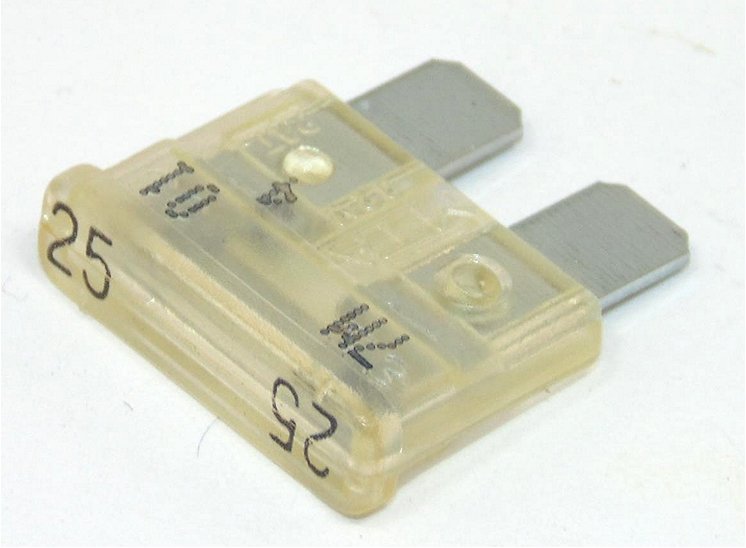
Clear / Transparent (25 Amp)
Often used for additional cooling fans, climate control modules, and aftermarket audio amplifiers.
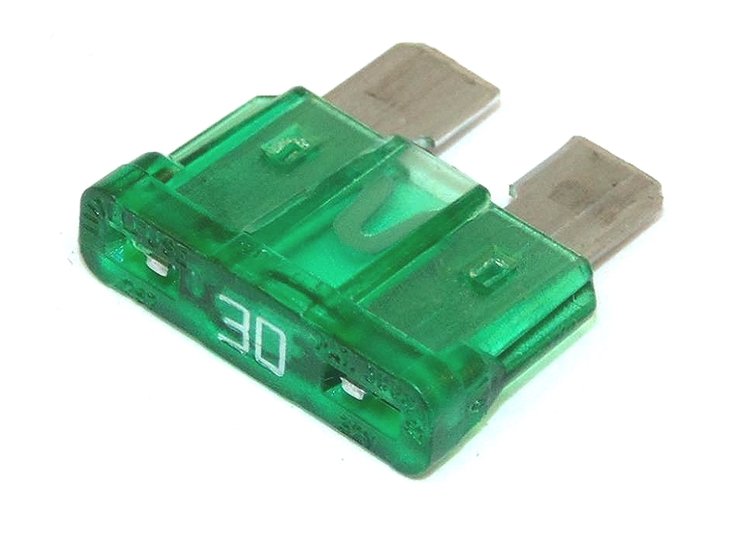
Green (30 Amp)
Designed for high-power systems such as air conditioning compressors, ABS systems, and headlights.
How to Check and Replace a Car Fuse Yourself
Checking and replacing a blown fuse is one of the simplest maintenance tasks that vehicle owners can perform at home. However, it still requires proper handling to avoid creating new electrical problems.
1. Turn Off the Engine and Electrical Systems
Before inspecting the fuse box, make sure the engine is turned off and all electrical equipment is switched off. This helps reduce the risk of electrical sparks during the process.
2. Locate the Fuse Box
The fuse box is usually located under the driver’s dashboard or inside the engine compartment. Use the diagram printed on the fuse box cover to identify the fuse connected to the faulty system.
3. Remove the Faulty Fuse
Use a plastic fuse puller if one is provided inside the fuse box. Pull the fuse straight upward to avoid damaging the fuse holder.
4. Inspect the Fuse Element
Hold the fuse toward a light source. If the thin metal wire inside appears broken or the plastic housing shows burn marks, the fuse has failed and needs replacement.
5. Install a New Fuse
Replace the damaged fuse with a new one that has the same color and exact Amp rating. Make sure it is firmly installed in the correct slot.
Why You Should Never Use a Higher Amp Fuse
One common mistake among vehicle owners is replacing a blown fuse with one that has a higher Amp rating, believing it will prevent the fuse from failing again.
In reality, this removes the protection system designed by the manufacturer. A stronger fuse may allow excessive electrical current to flow through the wiring, causing overheating, melted cables, or even increasing the risk of a vehicle fire.
Although a fuse is tiny compared to modern vehicle components, its role in protecting electrical systems is enormous. It acts as a safety barrier that prevents expensive electronic modules from suffering major damage.
Understanding fuse colors and ratings not only helps drivers handle basic maintenance but also gives them better knowledge of how their vehicles work.
What do you think? Do most modern car owners understand their vehicle’s electrical system, or do many still underestimate the importance of small components like fuses? Share your thoughts in the comments.

Adhe is part of the 88 Eight Box Editorial Team, covering JDM culture, motorsport, automotive technology, and industry news. The team focuses on delivering original automotive stories, reviews, and insights for enthusiasts worldwide.