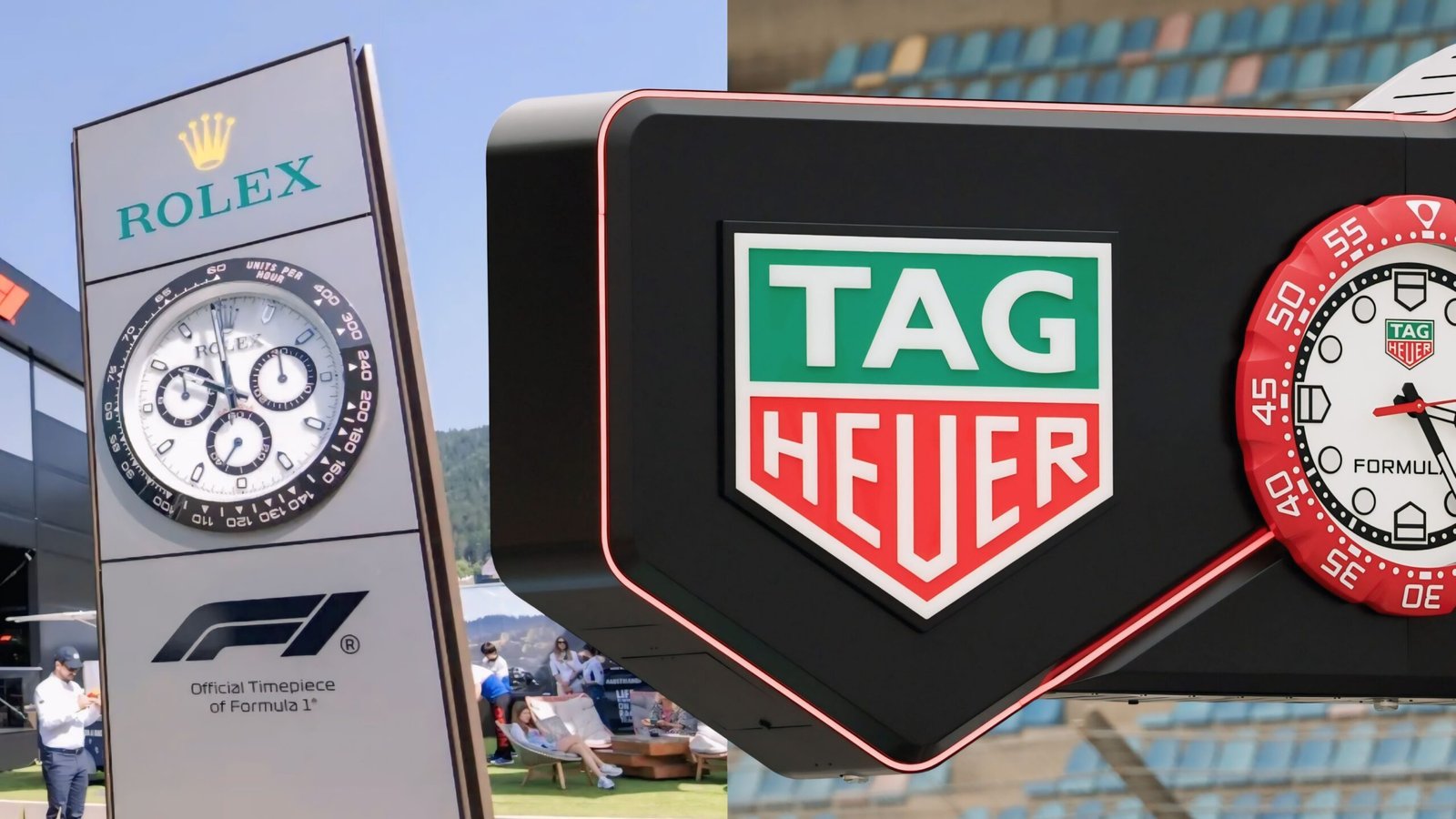
For more than a decade, the iconic green-and-gold Rolex branding became one of the most recognizable sights at Formula 1 circuits around the world. But heading into the 2025 season, a major visual change greeted fans: the luxury watch giant was gone, replaced by the bold black-and-red colors of TAG Heuer.
The Swiss watchmaker officially returned as Formula 1’s Official Timekeeper, marking a new chapter in the sport’s long relationship with precision timing and luxury brands.
According to reports, LVMH, the parent company of TAG Heuer, committed around $150 million per year for a 10-year partnership with Formula 1. A massive investment, but one that reflects how much the championship has grown globally in recent years.
With F1 attracting younger audiences, expanding through social media, and reaching new markets thanks to platforms such as Netflix’s Drive to Survive, the value of becoming an official partner has increased dramatically.
However, the departure of Rolex created a debate among fans: did Formula 1 lose some of its elegance, or did it simply return to a more authentic motorsport identity?
Rolex and F1: A Partnership Built on Luxury
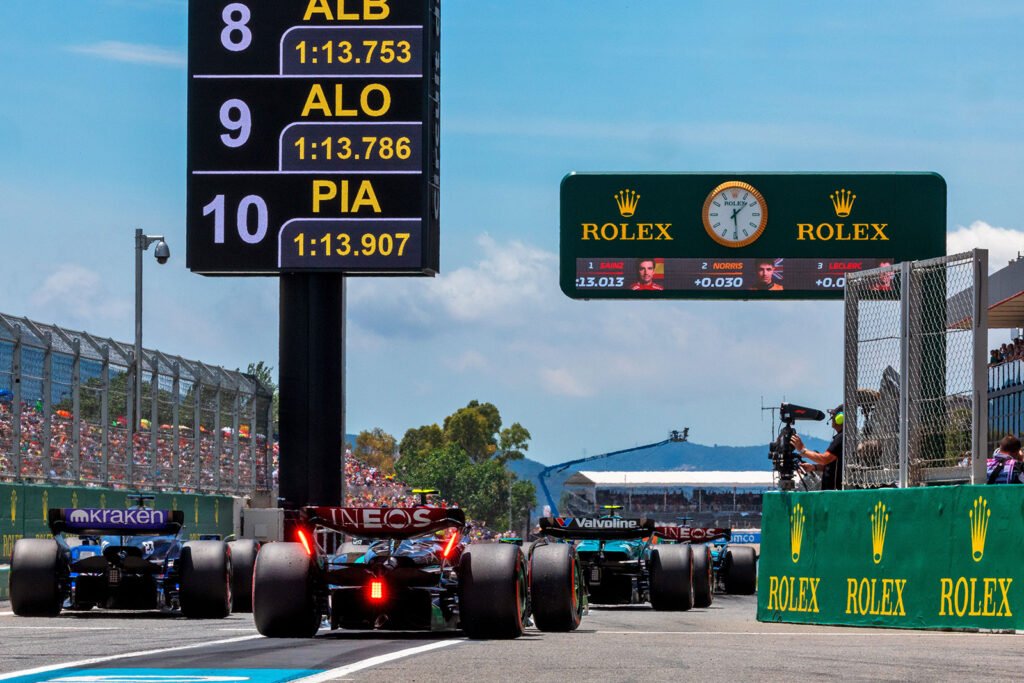
Rolex has always represented prestige, exclusivity, and timeless craftsmanship. For many fans, there was no better match than Rolex and Formula 1 — a championship often described as the ultimate combination of technology, performance, and luxury.
Rolex joined Formula 1 as the Official Timepiece in 2013, reportedly paying around $50 million annually. But at the end of 2024, the company decided not to renew the agreement.
One of the rumored reasons was a disagreement over contract length. Formula 1 reportedly wanted a 10-year commitment, while Rolex preferred a shorter deal of no more than five years.
That opening allowed LVMH to step in and secure one of the most prestigious sponsorship positions in global motorsport.
Since the beginning of the 2025 season, the familiar green-and-gold Rolex boards around the circuits have been replaced by TAG Heuer’s darker and more aggressive visual identity.
Did Rolex Actually Lose by Leaving F1?
At first glance, losing Formula 1 might look like a mistake for Rolex. After all, F1 has become one of the fastest-growing sports in the world.
But perhaps leaving the championship could actually benefit the brand in the long term.
When Rolex became Formula 1’s Official Timepiece in 2013, global television audiences were significantly smaller compared to today. By 2021, F1’s global audience had surpassed one billion viewers, with a much younger and more diverse fanbase.
The modern F1 audience has changed dramatically. Nearly 40 percent of viewers are now women, while younger fans have become a major part of the sport’s growth. Much of this expansion came from digital content, social media, and Netflix’s popular documentary series.
For Formula 1, this is excellent news. More fans mean more commercial opportunities.
But for Rolex, a company built around exclusivity, reaching the largest possible audience may not always be the priority.
Rolex does not necessarily need millions of new customers. In fact, the brand’s identity depends on scarcity, craftsmanship, and maintaining the perception that owning a Rolex is something special.
Unlike many companies that chase maximum exposure, Rolex has always focused on attracting customers who value tradition and quality.
The company still maintains strong relationships with prestigious motorsport events, including the World Endurance Championship (WEC), the legendary 24 Hours of Le Mans, and the 24 Hours of Daytona through IMSA.
For Rolex, stepping away from F1 may simply mean protecting its image rather than losing an opportunity.
TAG Heuer’s Motorsport DNA Runs Deep
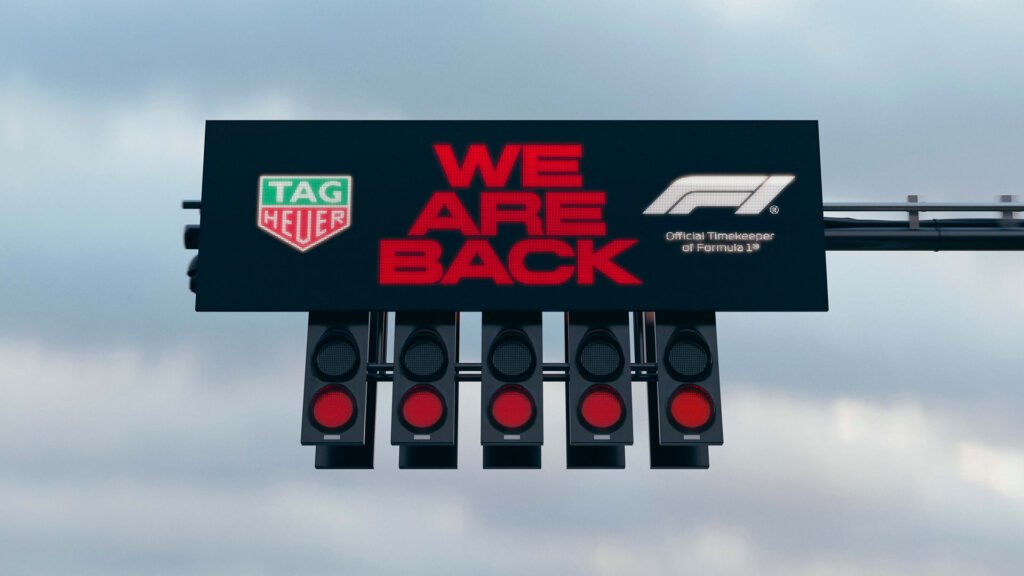
While Rolex represents luxury and heritage, TAG Heuer arguably has an even stronger connection to racing.
Long before becoming TAG Heuer, the Heuer name was already deeply involved in motorsport during the golden era of racing in the 1960s and 1970s.
Jack Heuer, the company’s former CEO, was a passionate motorsport enthusiast. During that period, Heuer became one of the most recognizable watch brands in racing.
In 1971, Jack Heuer partnered with Ferrari to develop timing equipment for the team’s Fiorano test track. Instead of paying cash for the equipment, Enzo Ferrari reportedly offered a different form of compensation: placing the Heuer logo on Ferrari’s Formula 1 cars.
That partnership helped make Heuer synonymous with racing.
In 1974, Heuer became Formula 1’s Official Timekeeper after introducing the Automatic Car Identification and Timing system (ACIT). The technology used small transponders on cars to send signals to receivers at the finish line, allowing precise identification and timing of every competitor.
The basic principle remains similar to the timing technology used in modern motorsport today.
After TAG acquired Heuer in 1985, the company became TAG Heuer. A year later, it launched the famous Formula 1 watch collection, featuring colorful designs that became iconic during the 1980s and 1990s.
TAG Heuer previously served as Formula 1’s Official Timekeeper from 1992 until 2003. Its return in 2025 represents a reunion between two brands that have shared a long history of speed, innovation, and competition.
For some fans, Rolex was the perfect match for Formula 1. The green-and-gold branding represented elegance, exclusivity, and the traditional image of motorsport’s highest level.
Others believe TAG Heuer feels more natural because of its racing heritage. The black-and-red design gives Formula 1 a more aggressive, sporty, and old-school motorsport atmosphere.
Both brands represent different sides of Formula 1.
Rolex represents prestige, tradition, and luxury.
TAG Heuer represents speed, technology, and racing passion.
In the end, the question remains: which watchmaker belongs on the Formula 1 stage?
Do you think F1 looked better with Rolex’s classic green-and-gold identity, or does TAG Heuer’s sporty black-and-red style fit the modern era better?
Share your opinion in the comments below.

Adhe is part of the 88 Eight Box Editorial Team, covering JDM culture, motorsport, automotive technology, and industry news. The team focuses on delivering original automotive stories, reviews, and insights for enthusiasts worldwide.