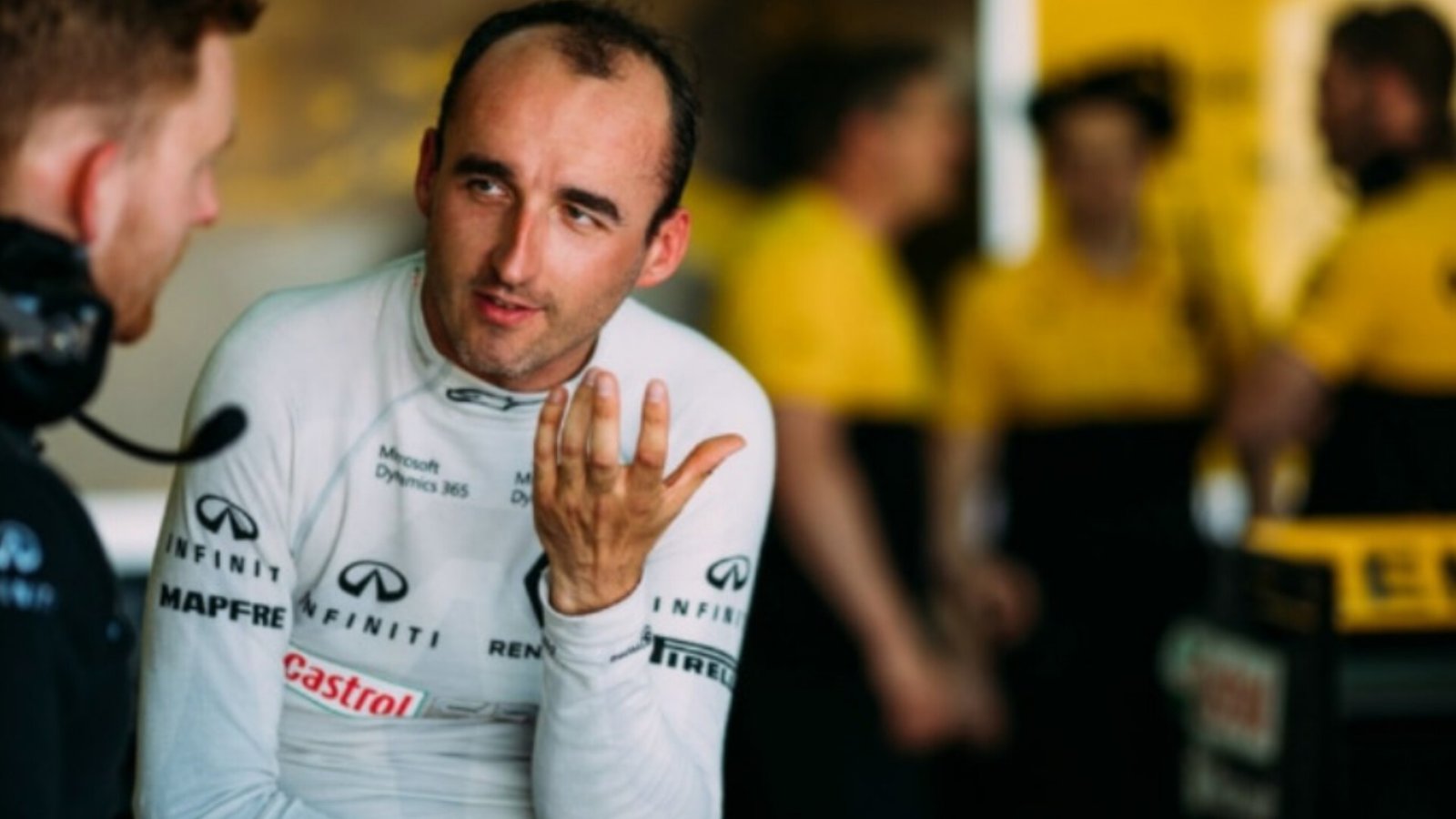
This is the story of a driver who was considered an alien by his own rivals. A man who was destined to become a Formula 1 world champion, who had a secret path toward a legendary Ferrari seat, but saw everything collapse in a matter of seconds because of a piece of roadside barrier.
How did a kid from Poland, a country without a major Formula 1 history, rise to the top of motorsport, lose everything, and fight his way back against impossible odds?
This is the incredible story of Robert Kubica.
A Generational Talent From Poland
Robert Kubica was born in Krakow, Poland, a country better known for football and other sports rather than motorsport.
Unlike many young drivers from Western Europe who had access to huge financial support and world-class facilities, Kubica had to take a much harder route. His family worked tirelessly to fund his karting career and travel across Europe to compete.
But what he lacked in money, he made up for with something much more valuable: pure driving talent.
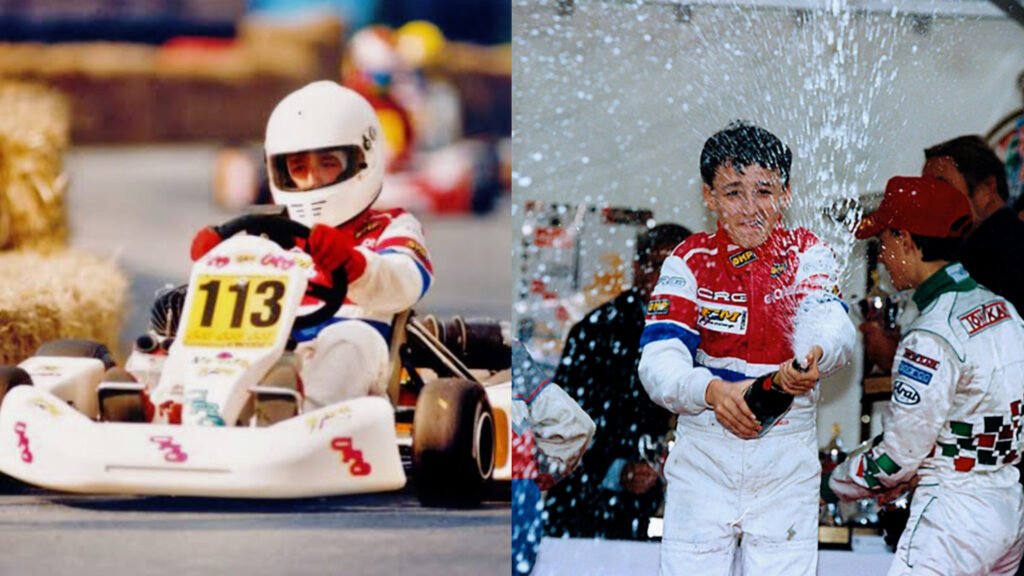
During his karting years, Kubica was already beating some of the biggest young talents of his generation, including Lewis Hamilton and Nico Rosberg, despite having far fewer resources.
Away from the track, Kubica was quiet and avoided the spotlight. He was not a driver who chased media attention.
But once his helmet visor closed, he transformed into a ruthless competitor.
Other drivers respected him not because of the machinery he drove, but because of his incredible instincts, precision, and ability to push a car beyond its limits.
The Arrival of Formula 1’s Next Superstar
To understand how special Kubica was, we need to return to the mid-2000s era of Formula 1.
At that time, manufacturers such as BMW, Renault, and Toyota were spending enormous amounts of money trying to challenge Ferrari’s dominance.
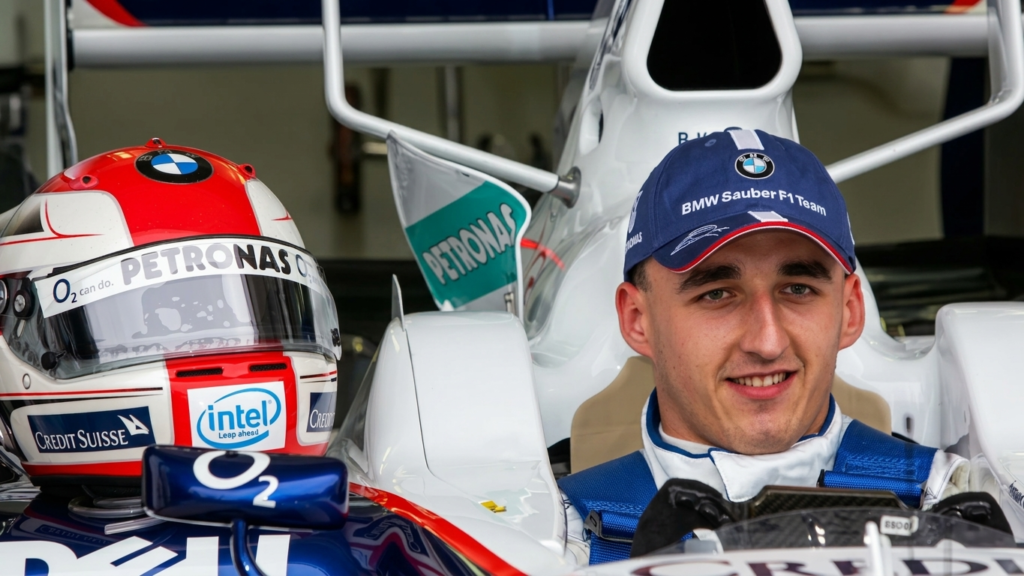
In 2006, BMW Sauber made a bold decision. They replaced former world champion Jacques Villeneuve with their young reserve driver, Robert Kubica.
Only three races into his Formula 1 career, Kubica shocked the world.
At the 2006 Italian Grand Prix in Monza, one of the fastest circuits on the calendar, he secured a stunning third-place finish.
He stood on the podium alongside Michael Schumacher, who announced his first retirement from Formula 1 that same day.
The world of F1 suddenly realized that Poland had produced a special talent.
The 2007 Canadian Grand Prix: The Crash That Stopped the World
But Formula 1 is a brutal sport.
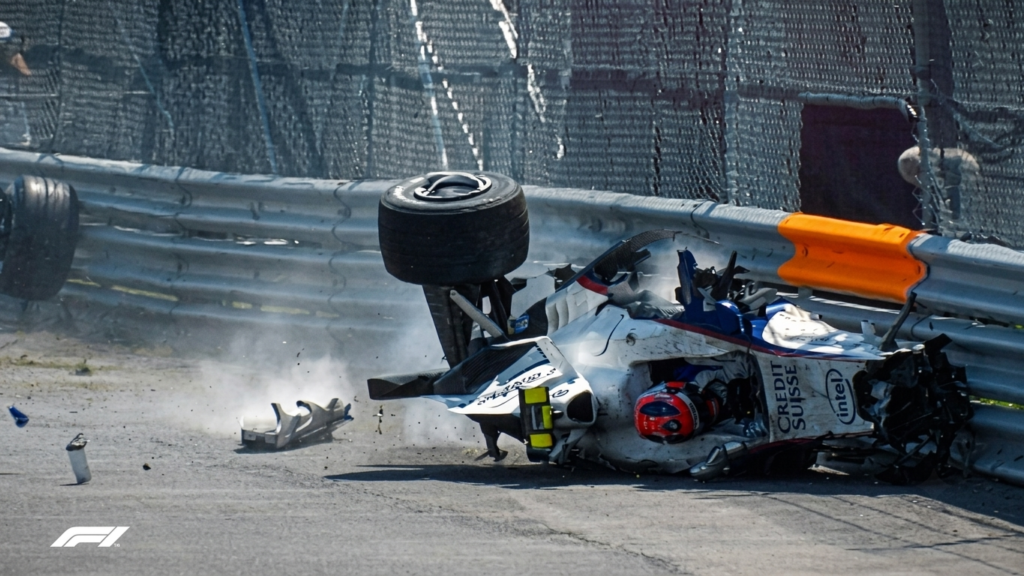
At the 2007 Canadian Grand Prix, Kubica suffered one of the most terrifying crashes in modern Formula 1 history.
His BMW Sauber made contact with Jarno Trulli’s car, sending Kubica’s car airborne before it slammed into a concrete wall at nearly 300 km/h.
The car was completely destroyed and rolled across the circuit.
Everyone in the paddock feared the worst.
However, thanks to Formula 1’s advanced safety technology, Kubica survived.
Remarkably, he escaped with only a minor ankle sprain and a concussion.
Just one race later, he returned to the cockpit.
The accident proved one thing: Robert Kubica had extraordinary physical and mental strength.
The Victory That Could Have Changed Everything
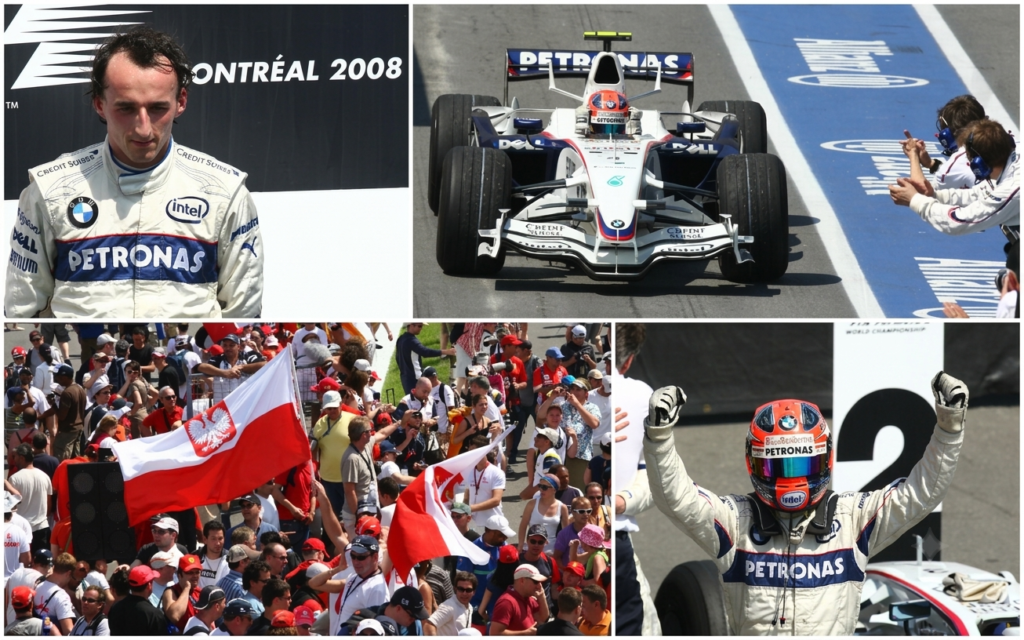
One year after surviving his horror crash, Formula 1 returned to Canada.
During a chaotic race filled with incidents, Kubica took advantage of the situation and claimed his first Formula 1 victory.
It was not only Kubica’s first win, but also BMW Sauber’s first and only Formula 1 victory.
Even more impressive, the result put Kubica at the top of the world championship standings.
But this was where his title dream began to disappear.
While Kubica desperately needed upgrades to fight against Lewis Hamilton and Felipe Massa, BMW decided to stop developing their 2008 car and shift focus toward the new 2009 regulations.
Kubica was furious.
His championship opportunity had effectively been taken away by his own team.
And the decision proved costly, as BMW’s 2009 project failed badly and the manufacturer eventually withdrew from Formula 1.
The Ferrari Opportunity That Never Happened
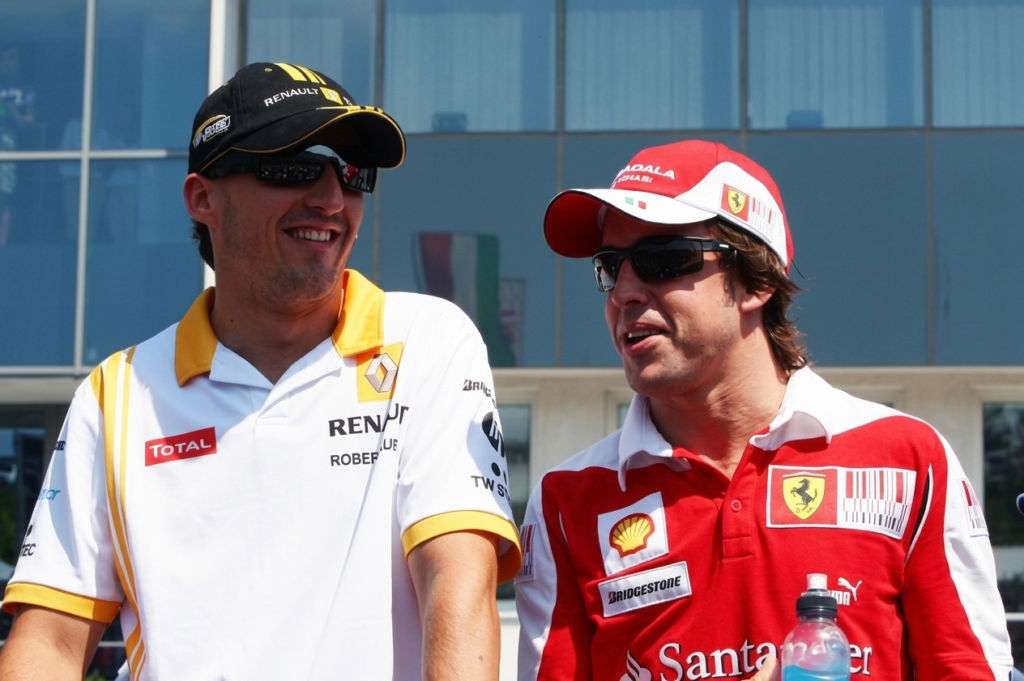
In 2010, Kubica moved to Renault.
Driving a car that was not considered a championship contender, he continued to produce incredible performances and regularly challenged faster teams.
His speed caught Ferrari’s attention.
Years later, it was revealed that Kubica had already reached a preliminary agreement to join Ferrari and become Fernando Alonso’s teammate for the 2012 season.
But destiny had a cruel plan.
The Accident That Changed His Life Forever
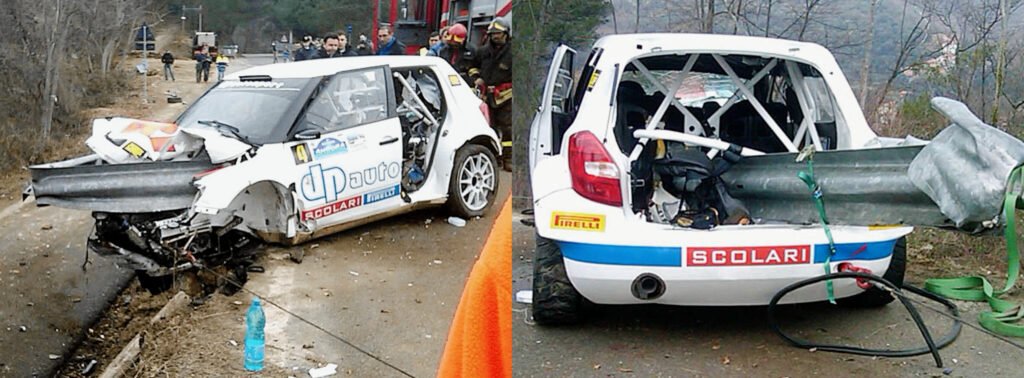
Before the 2011 Formula 1 season began, Kubica entered a local rally event in Italy, the Ronde di Andora.
Rallying was one of his passions because he believed it helped sharpen his reactions and car control.
On February 6, 2011, disaster struck.
Kubica’s Škoda Fabia lost control and crashed into a roadside guardrail.
The barrier broke apart and pierced through the car, severely injuring the right side of his body.
His right arm suffered devastating damage, his leg was badly injured, and he lost a massive amount of blood.
Kubica remained trapped inside the car for more than an hour before rescue teams arrived.
Doctors spent more than seven hours in surgery trying to save his life and preserve his arm.
On that day, the dream of Ferrari and a potential world championship seemed to disappear forever.
The Greatest Battle Was Outside the Track
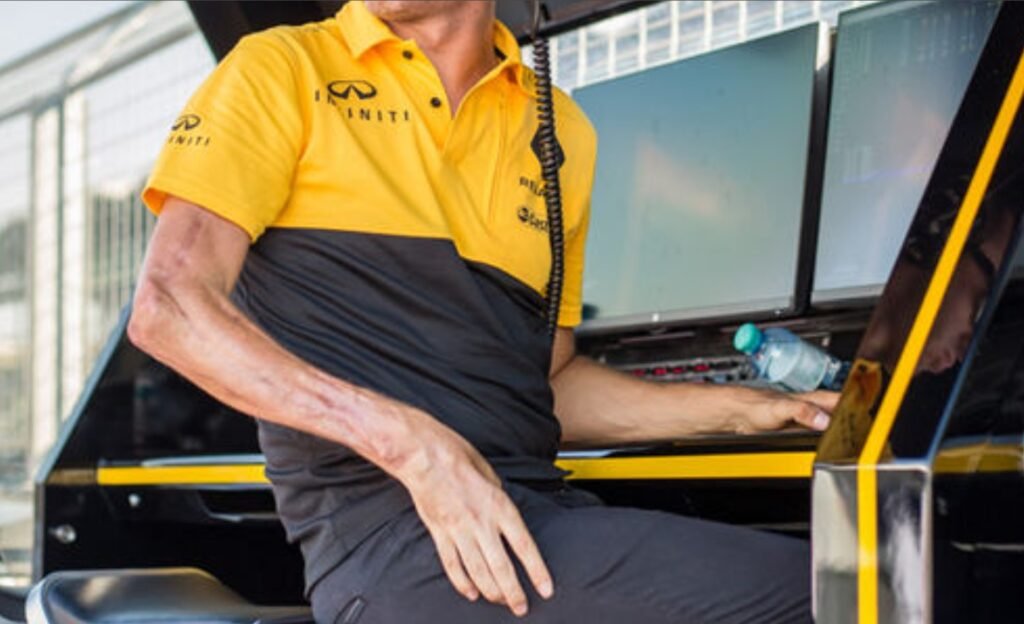
After surviving the accident, Kubica faced the hardest fight of his life.
He underwent 18 surgeries to repair the damage.
His right arm was saved, but it never fully recovered. The muscles and nerves were permanently damaged.
Many believed it was impossible for a driver with such injuries to ever control a Formula 1 car again.
But Kubica refused to give up.
For years, he trained in silence. He adapted his driving style, strengthened his left hand, and rebuilt himself physically and mentally.
The Impossible Comeback
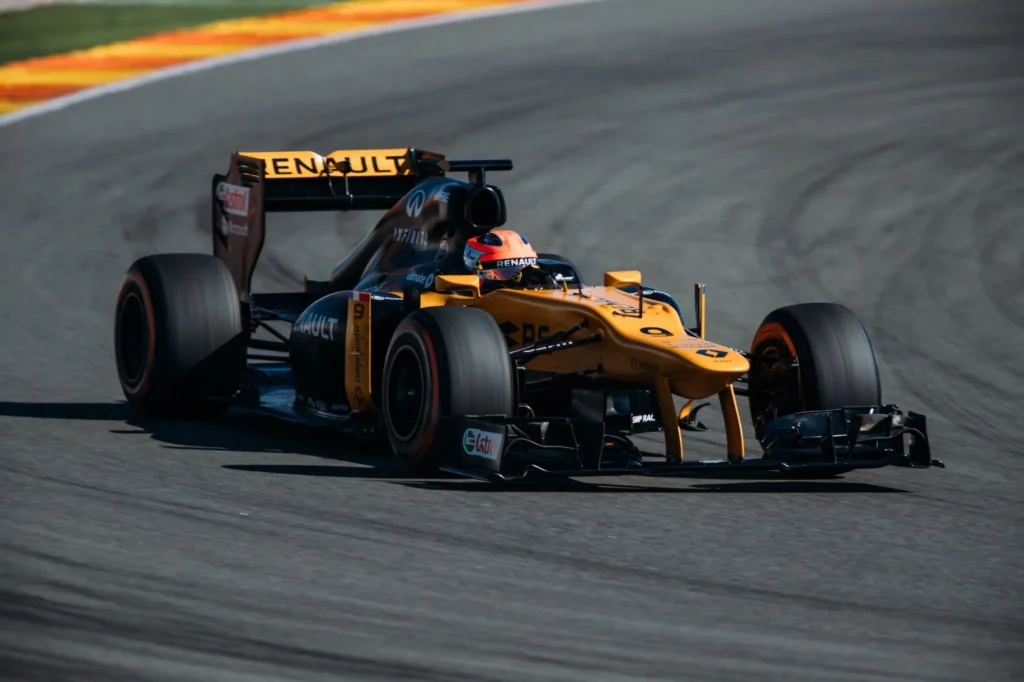
In 2017, Renault gave Kubica a secret opportunity to test an older Formula 1 car.
The results shocked everyone.
His lap times were fast and consistent, almost as if he had never left the sport.
His body had changed, but his racing instinct remained untouched.
Eight years after the accident that nearly ended his career, Robert Kubica finally returned to Formula 1 as a full-time driver with Williams in 2019.
A comeback many considered impossible.
Unfortunately, the story did not have a Hollywood ending.
The Williams FW42 was one of the slowest cars on the grid. Kubica spent most races fighting at the back and often struggled against his younger teammate, George Russell.
But at the chaotic 2019 German Grand Prix, with heavy rain creating complete unpredictability, Kubica’s experience came alive again.
He survived the chaos, avoided the crashes, and finished tenth.
That single point became legendary.
Because Williams scored only one point throughout the entire 2019 season — and it was achieved by a driver who had once lost much of the function in his right arm.
The Legacy of Robert Kubica
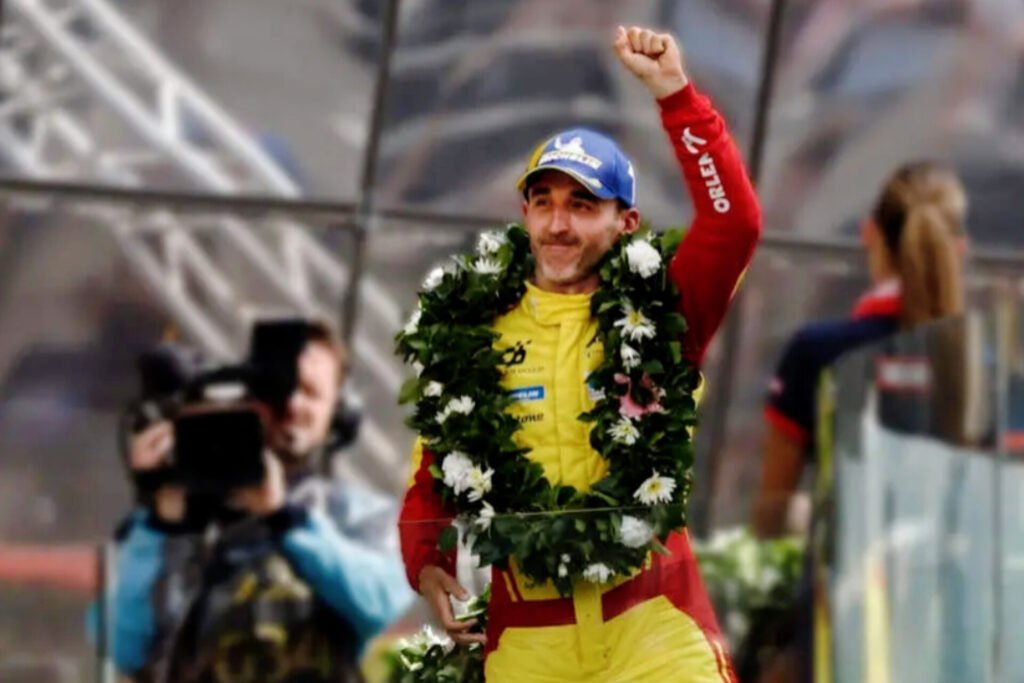
Kubica left Formula 1 after the 2019 season and continued racing in endurance championships, including the World Endurance Championship.
But his legacy is not measured by trophies or championship titles.
Robert Kubica represents the ultimate what if story.
What if that rally accident in Italy never happened?
What if he had worn the Ferrari red suit alongside Fernando Alonso?
Could he have changed Formula 1 history forever?
Nobody will ever know.
But one thing is certain: judging Robert Kubica only by the number of championships he won would be unfair.
He may not have become a Formula 1 world champion, but he won the greatest battle of all — defeating the limits of his own body.
Kubica proved that even dreams shattered into pieces can be rebuilt with courage, determination, and an unbreakable spirit.
What do you think? If Robert Kubica had never suffered that accident in 2011, could he have become a Ferrari driver and a Formula 1 world champion?
Share your thoughts in the comments.

Adhe is part of the 88 Eight Box Editorial Team, covering JDM culture, motorsport, automotive technology, and industry news. The team focuses on delivering original automotive stories, reviews, and insights for enthusiasts worldwide.