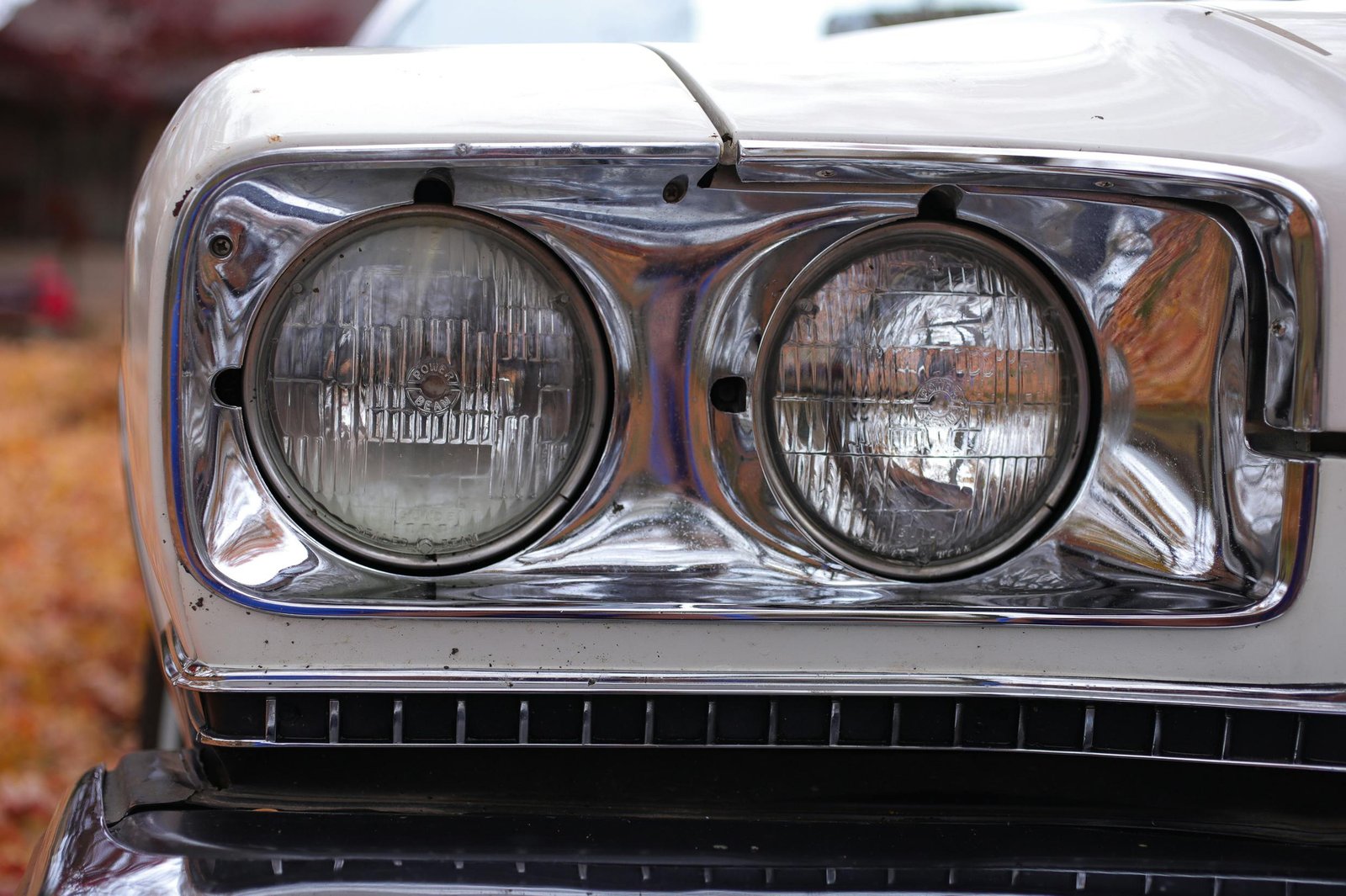
For automotive enthusiasts, one of the most recognizable features of classic cars from the 1980s and 1990s is the use of headlights with grooved or patterned glass lenses. At first glance, these lines may appear to be nothing more than a styling element that gives older vehicles their distinctive character.
However, those patterns served a much more important purpose. Before modern lighting technology became available, the grooves on headlight lenses played a crucial role in controlling and distributing light on the road.
The Technical Purpose Behind Grooved Headlight Glass
On older vehicles, headlight systems relied on relatively simple internal reflectors. The reflector surfaces inside the housing were not yet advanced enough to precisely control the direction and spread of light.
Because of these limitations, manufacturers used the outer glass lens as part of the optical system. The grooves and patterns molded into the glass were designed to refract and distribute light from the bulb and reflector, spreading illumination both horizontally and vertically.
This helped create a wider and more controlled beam pattern, improving visibility while reducing glare for drivers coming from the opposite direction.
In other words, the glass lens on classic headlights was not just a protective cover. It was an essential component that helped shape how the light was projected onto the road.
The Evolution of Headlight Technology: From Grooved Glass to Clear Lenses
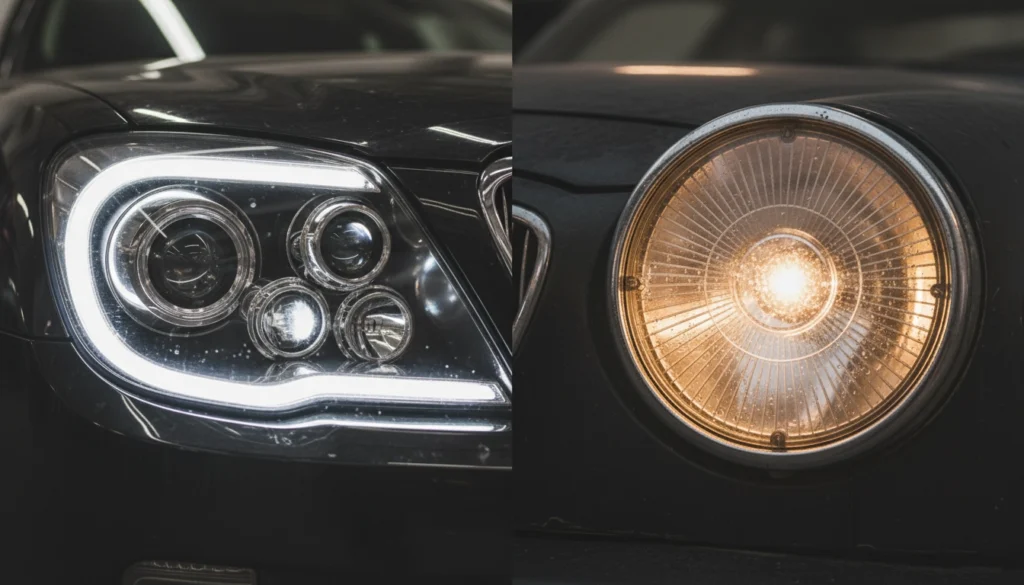
By the late 1980s and early 1990s, advances in automotive engineering began to change the way headlights were designed.
The development of computer-aided design (CAD) allowed engineers to create much more complex internal reflector surfaces. Instead of relying on patterns molded into the glass, manufacturers could now precisely shape the reflector itself to control the direction of light.
This technology became known as complex surface reflectors and multi-reflector systems. With these designs, the outer lens no longer needed grooves, allowing manufacturers to introduce clear headlight covers while maintaining accurate light distribution.
One of the early examples was the Citroën XM in the late 1980s, which featured Valeo’s Complex Surface technology. Later, the 1990 Honda Accord USDM helped popularize clear-lens headlights with Stanley’s multi-reflector technology.
The Rise of Projector Headlights
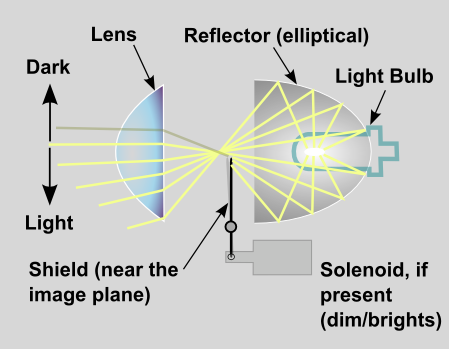
Alongside advanced reflector systems, automakers also developed another major lighting innovation: projector headlights.
Unlike traditional reflector headlights, projector systems use a specially shaped reflector that directs light through a convex lens. A built-in shield controls the beam cutoff, creating a sharper light pattern while preventing excessive glare for other road users.
One of the early pioneers of this technology was the BMW 7 Series E32, introduced in 1986. The projector headlight system later became widely adopted, especially in premium vehicles.
From Grooved Lenses to Modern LED Technology
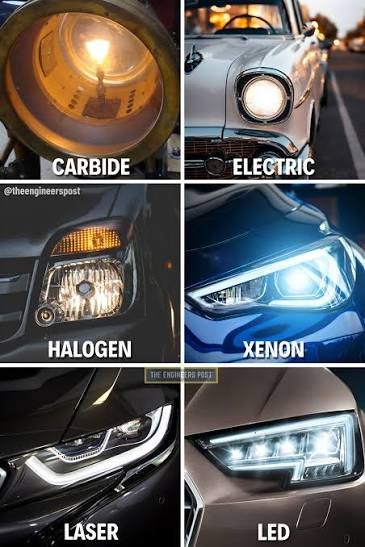
The evolution of automotive lighting shows how manufacturers continuously adapted to new engineering challenges. In the past, grooved glass lenses were the solution for controlling light distribution. Today, that responsibility has shifted to precision reflectors, projector systems, adaptive lighting, and advanced LED technology.
Modern headlights can now automatically adjust their beam direction based on road conditions, vehicle speed, and surrounding traffic.
Although technology has moved far beyond the classic grooved headlight design, those old lenses still hold a special place among car enthusiasts. They represent an era when engineers created clever mechanical solutions with the technology available at the time—and became an iconic part of automotive history.
Opinion: A Small Detail That Tells a Big Story
The grooved glass found on classic car headlights is a reminder that automotive innovation is not always about using the most advanced technology available. Sometimes, great engineering comes from finding creative solutions with the tools and limitations of the era.
Today, modern vehicles use sophisticated LED systems, adaptive headlights, and computer-controlled lighting technology. However, the old-style grooved lenses remain fascinating because they represent a time when mechanical design and optical engineering worked together in a simple yet effective way.
For many classic car enthusiasts, those lines on the headlight glass are more than just a functional feature. They are a symbol of automotive history—showing how manufacturers continuously evolved their designs to improve safety, efficiency, and driving experience.
Although modern headlights are far more advanced, the charm of classic lighting systems will always have a special place in the automotive world. Every groove on those old lenses tells a story about innovation, creativity, and the engineering challenges of its time.
What do you think ? Share your comment

Adhe is part of the 88 Eight Box Editorial Team, covering JDM culture, motorsport, automotive technology, and industry news. The team focuses on delivering original automotive stories, reviews, and insights for enthusiasts worldwide.