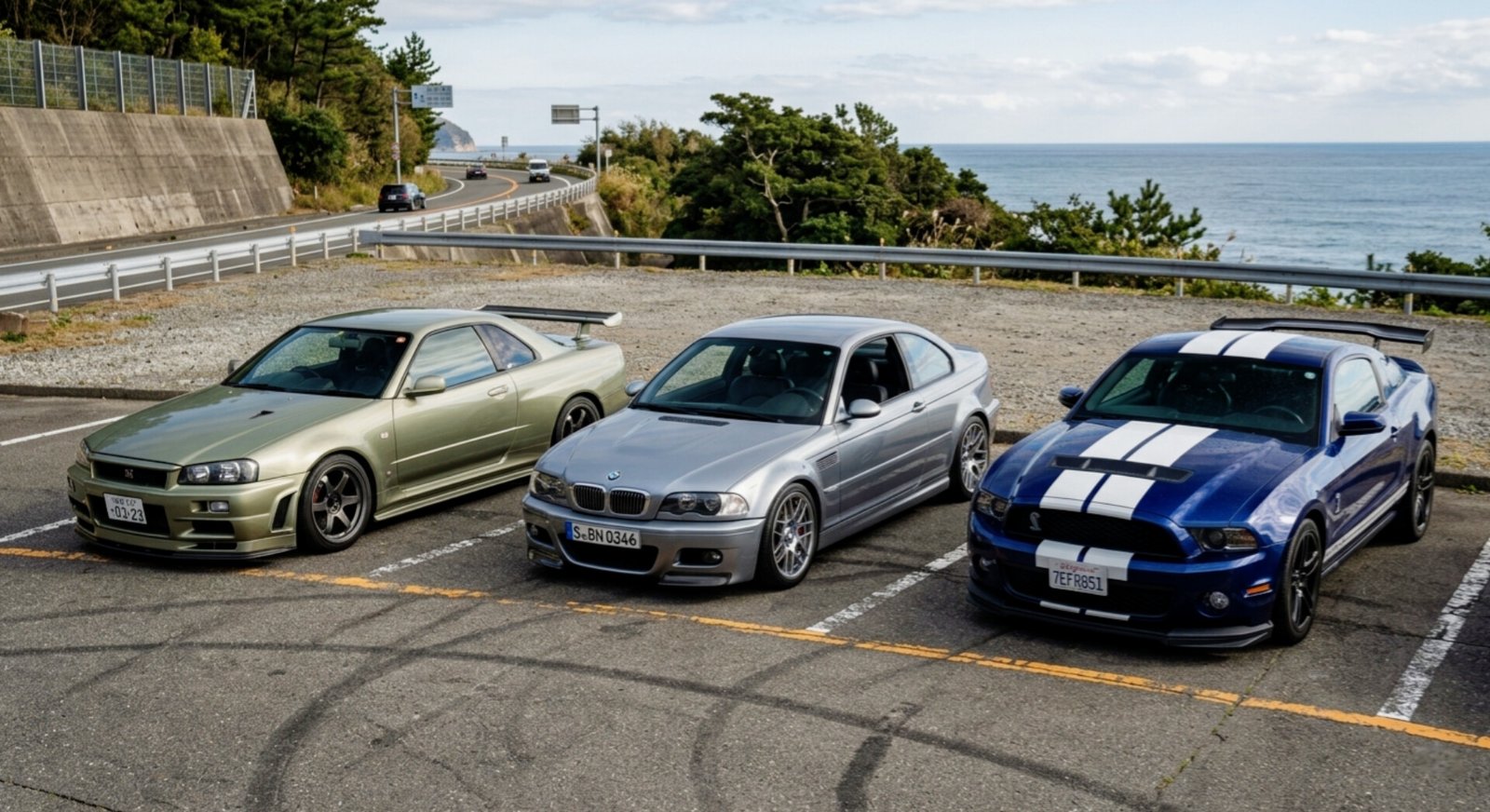
In the automotive world, the terms JDM, EDM, and USDM are used to describe the market a vehicle was originally built for and the specifications it follows. These terms are not only about where a car brand comes from, but also about regulations, engine options, features, design, and driving characteristics.
1. JDM (Japanese Domestic Market)
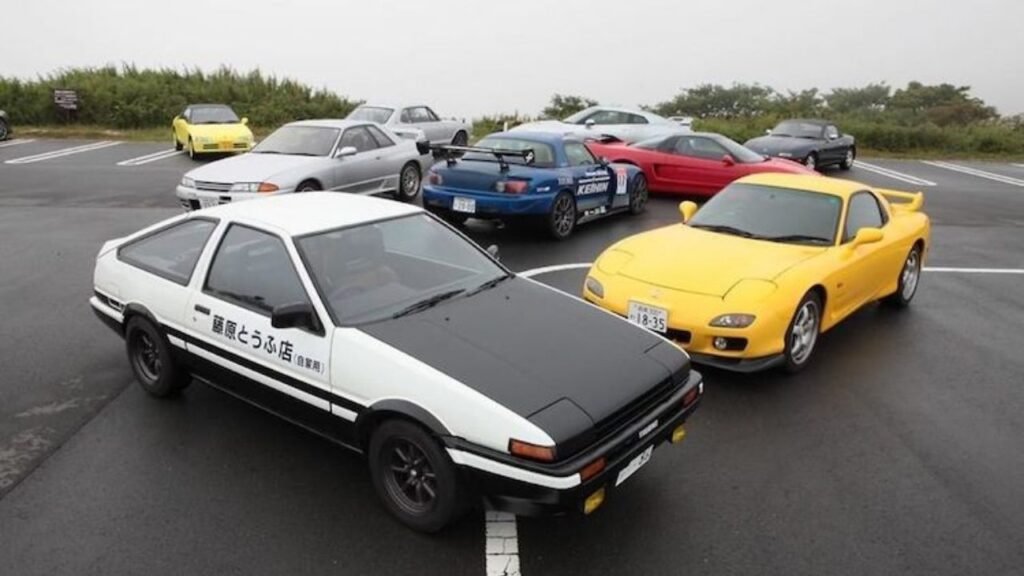
JDM stands for Japanese Domestic Market, meaning vehicles that were specifically built and sold for the Japanese domestic market.
JDM cars usually follow Japanese regulations and customer preferences, featuring:
- Right-hand drive (RHD) configuration
- Engine options or variants exclusive to Japan
- Unique features not available on export models
- Compact dimensions suited for Japanese roads
- Performance-focused versions for certain models
Examples of famous JDM cars:
- Nissan Skyline GT-R R34
- Toyota Supra A80
- Honda Integra Type R DC2
- Mazda RX-7 FD
JDM character: Lightweight, agile, technologically advanced, and strongly connected to tuning and modification culture.
2. EDM (European Domestic Market)
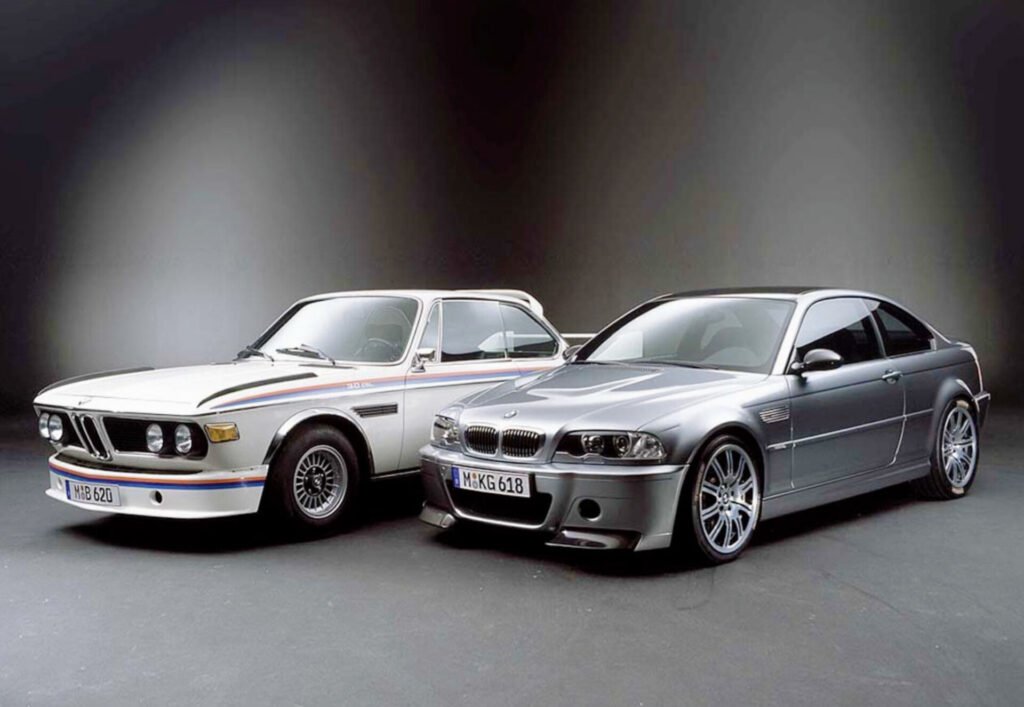
EDM stands for European Domestic Market, referring to vehicles built specifically for the European market.
EDM cars follow European standards, including:
- European emissions regulations
- Strict safety requirements
- Mostly left-hand drive (LHD) configuration
- A balance between performance, comfort, and high-speed stability
Examples of EDM cars:
- BMW M3 E46
- Porsche 911 GT3
- Mercedes-Benz C63 AMG W204
- Audi RS4 B7
EDM character: Precision engineering, refined handling, premium interiors, and strong performance combined with everyday usability.
3. USDM (United States Domestic Market)
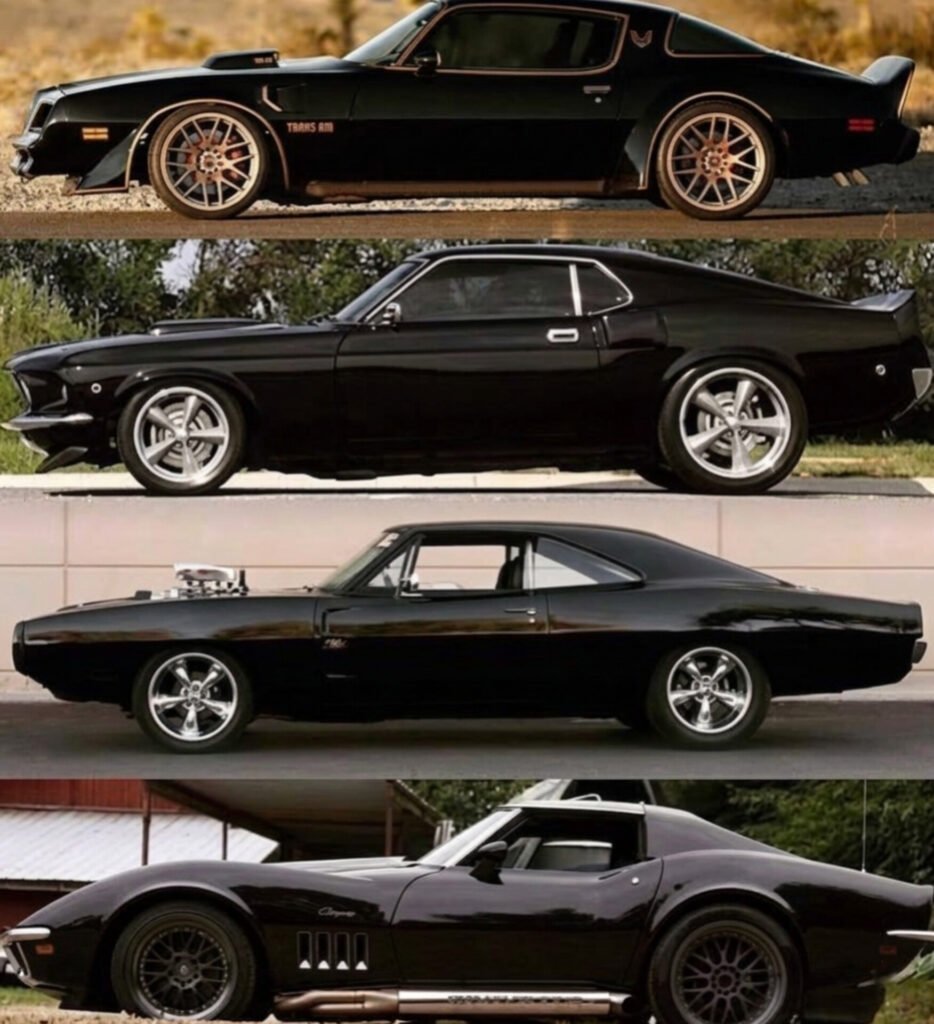
USDM stands for United States Domestic Market, meaning vehicles specifically built for the United States market.
USDM cars usually feature:
- Left-hand drive (LHD) configuration
- Larger engines, especially V6 and V8 powertrains
- American safety and emissions standards
- Bigger body designs due to market preferences
Examples of USDM cars:
- Ford Mustang GT
- Chevrolet Corvette C8
- Dodge Challenger SRT Hellcat
- Tesla Model S
USDM character: Powerful engines, strong straight-line performance, aggressive styling, and a focus on horsepower.
Key Differences Between JDM, EDM, and USDM
| Category | JDM | EDM | USDM |
|---|---|---|---|
| Market | Japan | Europe | United States |
| Steering | Mostly right-hand drive | Mostly left-hand drive | Left-hand drive |
| Main Focus | Handling and technology | Performance and refinement | Power and size |
| Popular Engines | Turbocharged small engines, high-revving engines | Turbo engines, V6, V8, advanced powertrains | Large displacement V6 and V8 engines |
| Vehicle Size | Compact | Medium to large | Generally larger |
| Modification Culture | Very strong | OEM+ and performance tuning | Muscle and horsepower-focused |
- JDM represents Japanese-market vehicles known for lightweight design, advanced engineering, and legendary tuning culture.
- EDM represents European-market vehicles famous for precision handling, luxury, and engineering excellence.
- USDM represents American-market vehicles known for powerful engines, large dimensions, and aggressive performance.
However, these terms only describe the original target market of a vehicle. A Japanese car sold in America is not automatically JDM. For example, a Toyota Supra built for the Japanese market is JDM, while a Supra sold with U.S. specifications is considered USDM.

Adhe is part of the 88 Eight Box Editorial Team, covering JDM culture, motorsport, automotive technology, and industry news. The team focuses on delivering original automotive stories, reviews, and insights for enthusiasts worldwide.