Formula 1 is not only about powerful engines and advanced aerodynamics. One of the most critical and extreme technologies on an F1 car is its braking system.
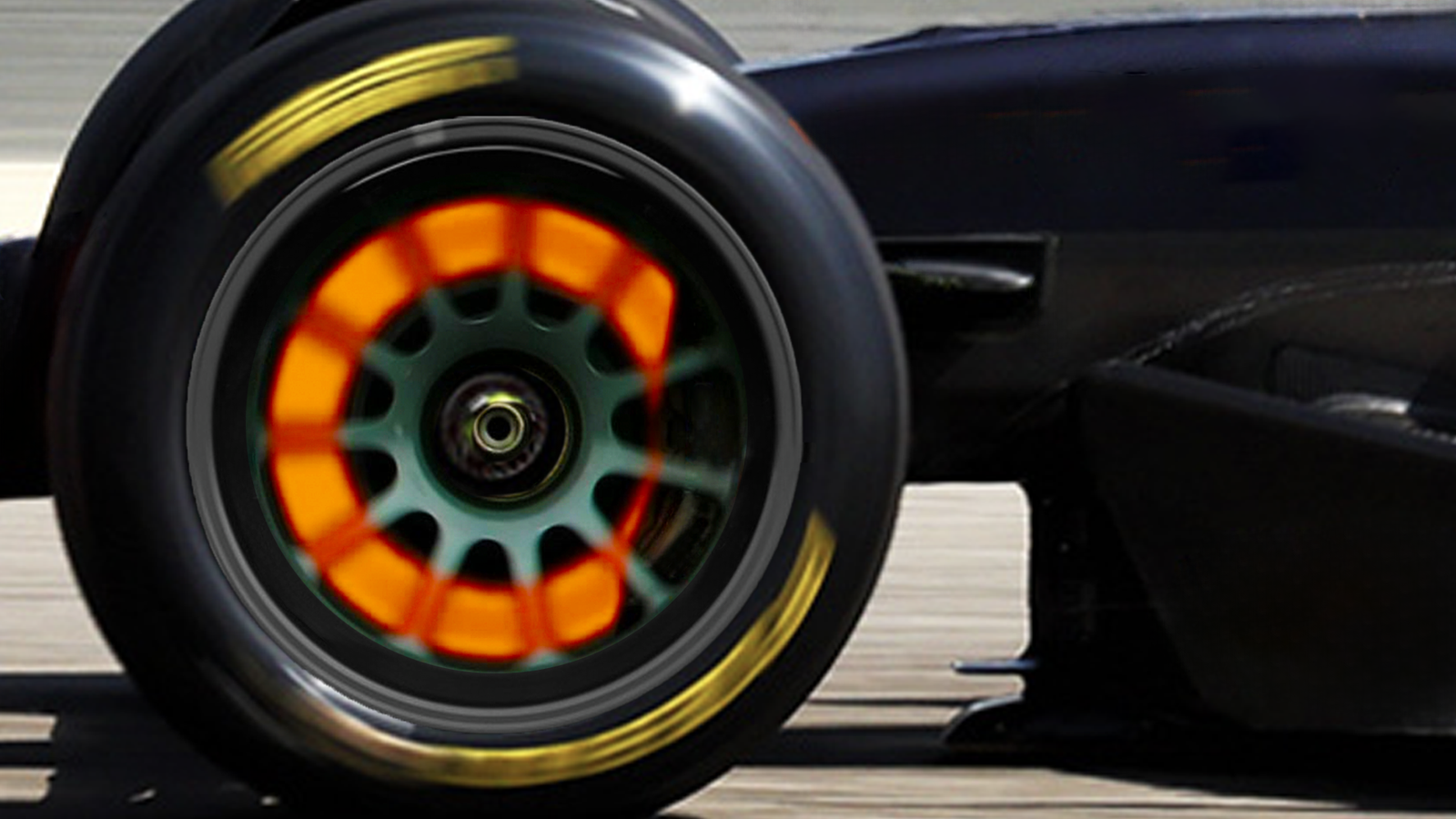
A Formula 1 car can decelerate from 300 km/h to a complete stop in less than 4 seconds, generating nearly 6G of braking force. During heavy braking (hard braking), the temperature of the carbon brake discs can exceed 1,000°C.
This incredible braking performance allows drivers to perform late braking, a technique where they brake later than their rivals when entering a corner to gain overtaking opportunities or improve lap times.
The Main Components of an F1 Braking System
1. Brake Pedal and Master Cylinder
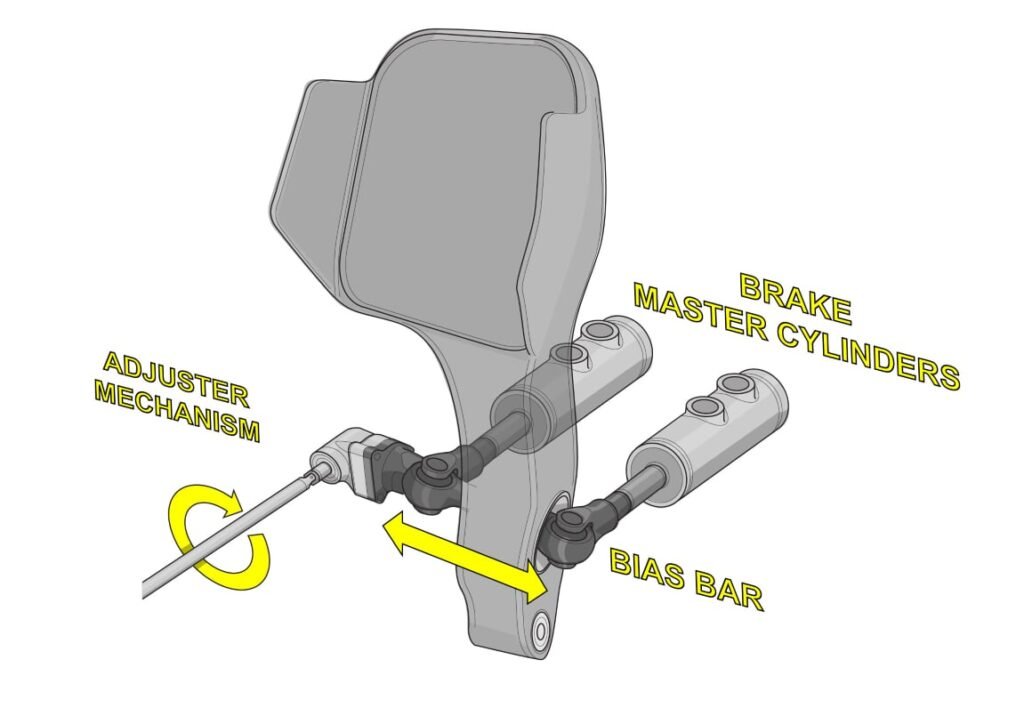
Unlike road cars, an F1 brake pedal requires an enormous amount of force from the driver.
A Formula 1 driver needs to apply around 160–180 kg of pressure on the brake pedal during maximum braking. While much of this force comes from the driver’s leg strength, the extreme deceleration of the car also contributes to the overall braking load.
The brake pedal itself is a custom-made component, built from a single piece of carbon fiber. Each pedal is shaped to match the driver’s foot position, providing maximum strength while keeping weight extremely low.
Modern F1 cars use a tandem master cylinder system made from lightweight aluminum, weighing around 350 grams. It can operate with hydraulic pressure of up to 220 bar and distributes braking pressure between the front and rear brake circuits.
2. F1 Brake Calipers
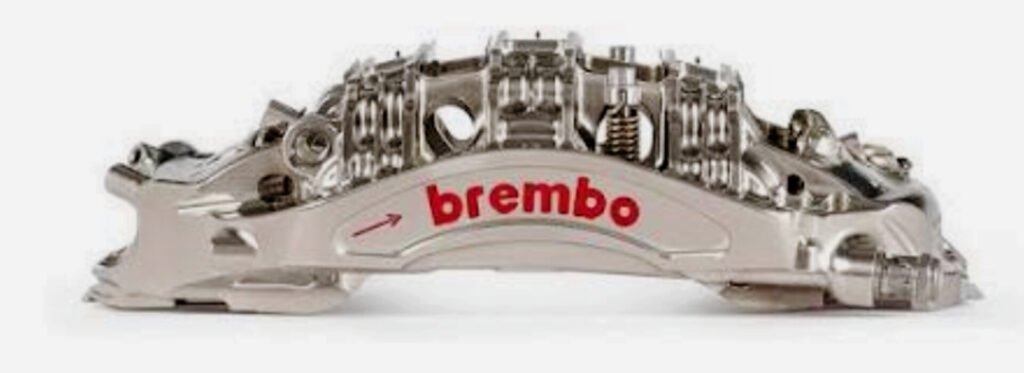
F1 brake calipers are among the most advanced components in the entire braking system.
Calipers supplied by manufacturers such as Brembo are made from a single-piece aluminum alloy monobloc construction with a nickel coating for improved durability under extreme conditions.
Despite weighing only around 2 kg, these calipers can withstand temperatures of up to 210°C.
The calipers also feature specially designed ventilation channels that direct hot air from the braking system toward the wheel area. This helps raise tire temperatures faster, allowing the tires to reach their optimal operating window.
In normal racing conditions, components such as the calipers, master cylinder, and brake pedal can last up to around 10,000 km, with regular servicing required approximately every 2,500 km or three race weekends.
3. Carbon-Carbon Brake Discs
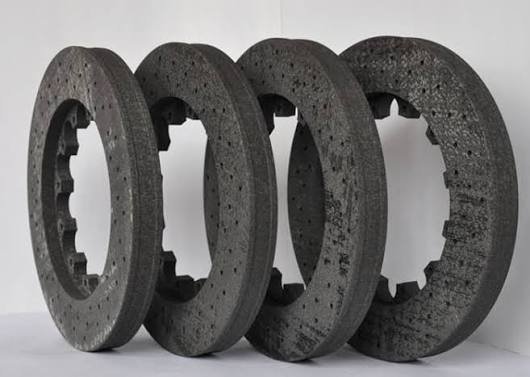
The most extreme part of an F1 braking system is the carbon-carbon brake disc.
Made from a combination of carbon fibers and carbon matrix materials, these discs provide exceptional strength and heat resistance while remaining extremely lightweight.
Each brake disc weighs only around 1.6 kg, significantly lighter than high-performance braking systems used in road cars.
To control extreme temperatures, F1 brake discs feature more than 1,000 ventilation holes with a diameter of around 3 mm. These channels help remove heat generated during heavy braking.
The discs are connected using a spline mounting system attached to the brake bell and wheel hub. This design allows the disc to “float” slightly as it expands under extreme heat, reducing vibration transfer back to the brake pedal.
However, this technology comes at a very high cost. A complete set of F1 carbon brake discs can cost around $13,000 USD (approximately Rp200 million) and typically lasts only one race weekend, covering around 800 km.
Brake-by-Wire: The Electronic Brain Behind F1 Rear Braking
The rear braking system of an F1 car is more complicated because it works together with the MGU-K (Motor Generator Unit – Kinetic) energy recovery system.
During braking, the MGU-K generates additional braking force similar to engine braking. To prevent rear wheel lock-up, F1 teams use a sophisticated Brake-by-Wire (BBW) system.
The process works as follows:
- When the driver presses the brake pedal, sensors measure the pedal pressure and send the data to the ECU (Electronic Control Unit).
- The ECU calculates the required braking balance by combining mechanical braking force, MGU-K regeneration, and the driver’s selected brake bias settings.
- The ECU then sends commands to the BBW hydraulic unit inside the gearbox, controlling rear brake pressure with extreme precision.
This system allows the car to maintain optimal braking balance while maximizing energy recovery.
Emergency Backup System When Brake-by-Wire Fails
Because the BBW system relies heavily on electronics, FIA regulations require a mechanical backup system.
If an electrical failure or BBW malfunction occurs, a safety valve automatically opens. Hydraulic pressure from the tandem master cylinder is then transferred mechanically through titanium brake lines to the rear calipers.
This backup system ensures that the car can still slow down safely even if the electronic braking system fails.
A Formula 1 braking system is a masterpiece of engineering that combines advanced materials, hydraulics, electronics, and precision control.
With the ability to generate nearly 6G of deceleration, withstand temperatures above 1,000°C, and adjust braking forces within milliseconds, F1 brakes represent one of the most advanced braking technologies ever created for a four-wheel vehicle.
In Formula 1, every fraction of a second matters. And sometimes, victory is not only determined by how fast a car can go, but also by how quickly it can stop.

Adhe is part of the 88 Eight Box Editorial Team, covering JDM culture, motorsport, automotive technology, and industry news. The team focuses on delivering original automotive stories, reviews, and insights for enthusiasts worldwide.