Today, Samsung is globally recognized as one of the world’s leading technology conglomerates, known for smartphones, televisions, semiconductors, and consumer electronics. However, fewer people are aware that Samsung once entered the automotive industry and even produced its own vehicles.
The story began in 1994, when Samsung established Samsung Motors, an ambitious automotive venture launched under the leadership of Samsung Chairman Lee Kun-hee. The objective was to expand Samsung’s business portfolio into the automotive sector and develop a Korean car brand capable of competing with established global manufacturers.
To support vehicle development, Samsung partnered with Japanese automaker Nissan, leveraging Nissan’s engineering expertise and proven platforms as the foundation for its early models.
Samsung SM5: The First Samsung Car
In 1998, Samsung Motors introduced its first production vehicle, the Samsung SM5.
The SM5 was a midsize sedan based on the Nissan Cefiro/Maxima platform, combining Japanese engineering with Korean manufacturing. It was positioned to compete in South Korea’s growing mid-to-premium sedan segment, offering strong reliability, modern features, and a comfortable driving experience.
The launch of the SM5 marked a significant milestone, as Samsung became one of the few major technology companies to formally enter the automotive industry.
However, Samsung Motors faced substantial challenges almost immediately after its market debut.
The Asian Financial Crisis Changed Everything
The Asian Financial Crisis of 1997–1998 had a severe impact on South Korea’s economy. Many large conglomerates experienced financial strain, and Samsung Motors was among the most affected.
The high capital requirements of establishing a new automotive brand, combined with weak market conditions and mounting financial pressure, led Samsung to reassess its position in the industry.
In 2000, Samsung sold its automotive division to French automaker Renault, which acquired a controlling stake in the company.
The Birth of Renault Samsung Motors
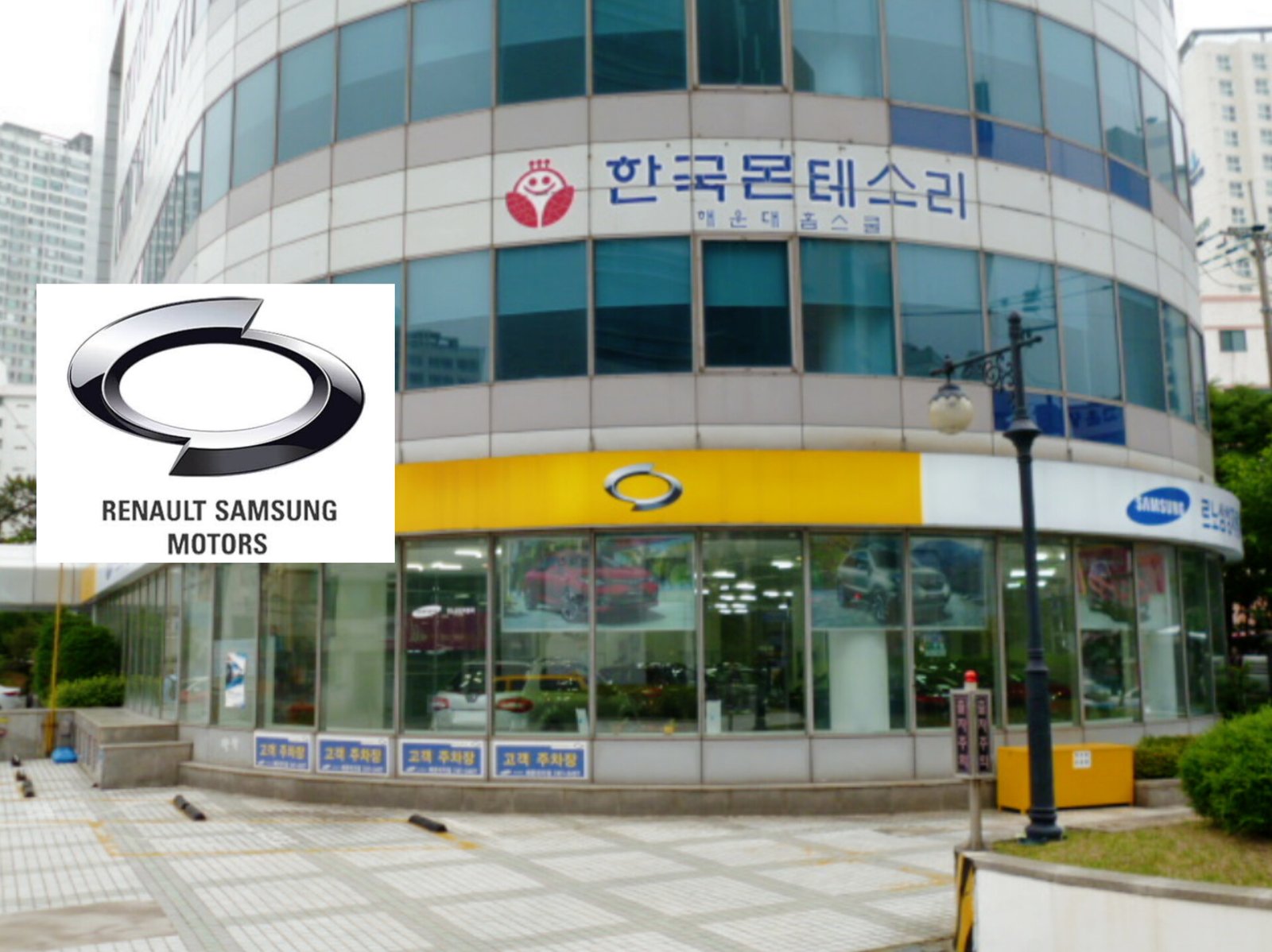
Following the acquisition, Samsung Motors was rebranded as Renault Samsung Motors (RSM). Renault continued operations at the Busan manufacturing facility in South Korea and integrated the company into its broader strategy for expansion in the Asian market.
Over the years, Renault Samsung Motors produced several notable models, including:
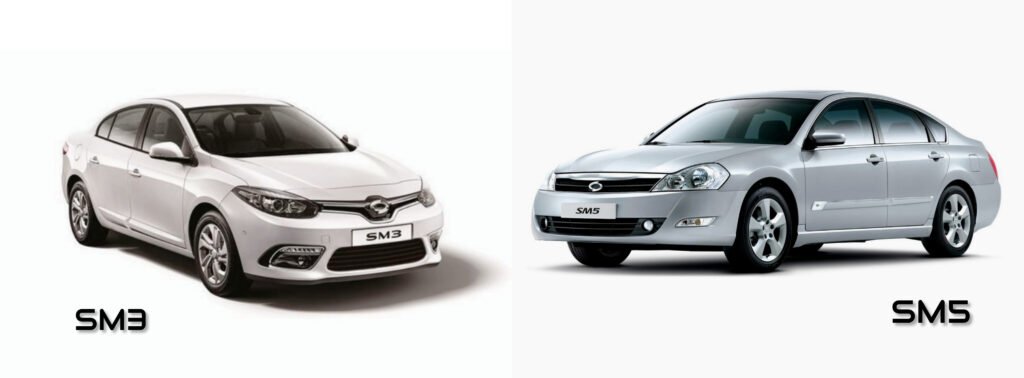
- SM3 — a compact sedan based on Nissan technology
- SM5 — the successor to Samsung’s original model
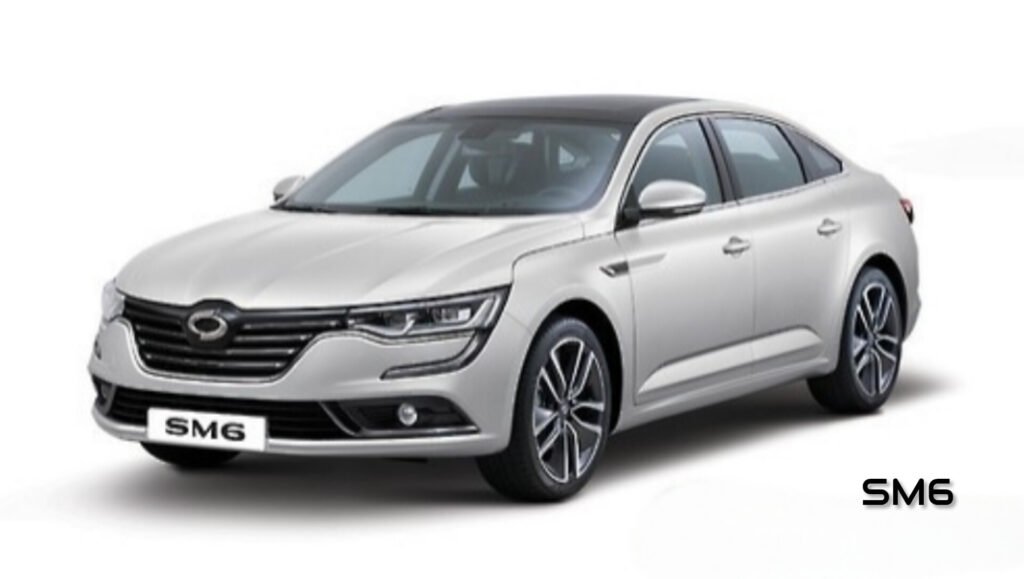
- SM6 — a modern midsize sedan developed for the Korean market
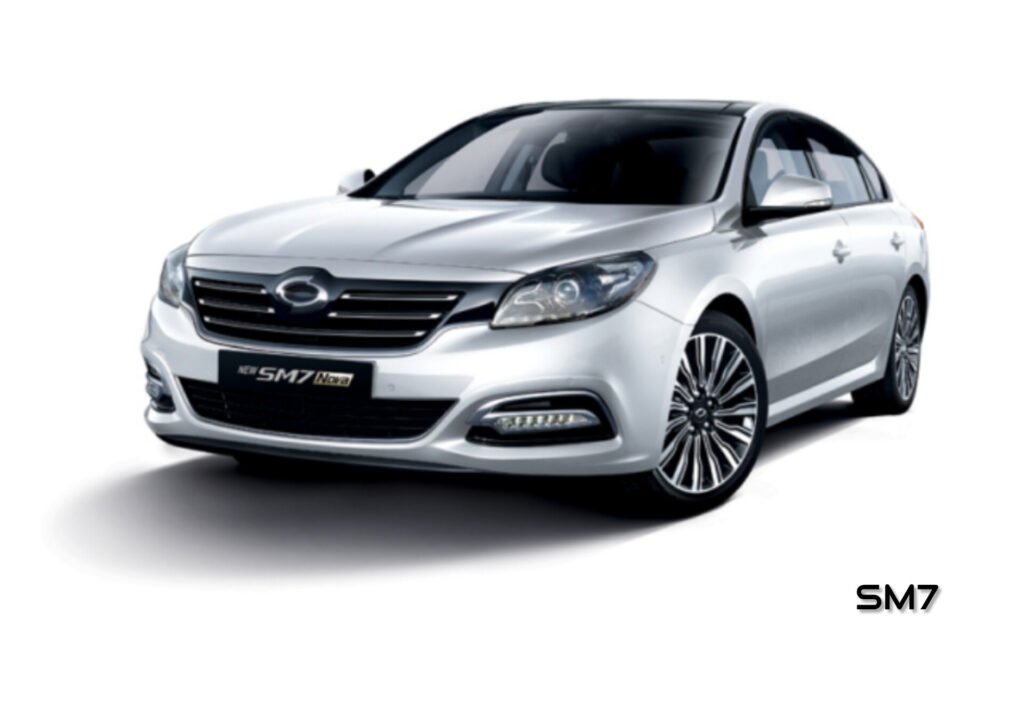
- SM7 — The Luxury Sedan
- QM5 and QM6 — popular family SUVs
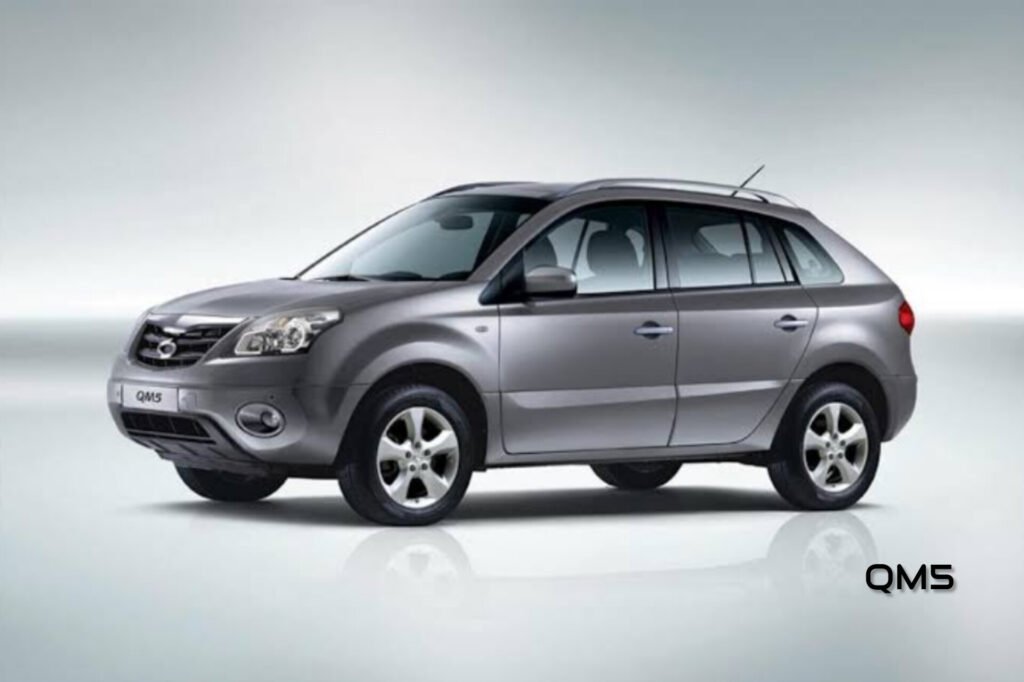
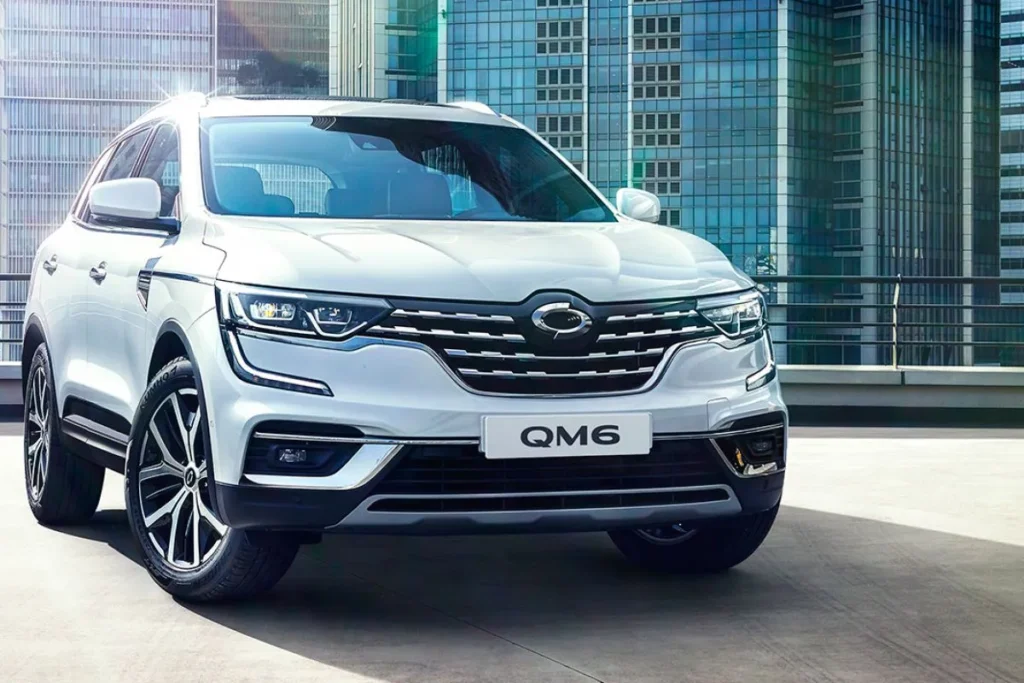
Although the Samsung name remained on vehicles for more than two decades, Renault gradually reduced its association with the Samsung brand.
The End of the Samsung Name in Cars
In 2022, Renault officially phased out the Samsung name from its automotive branding, renaming the company Renault Korea Motors, now known as Renault Korea.
While Samsung no longer operates as a car manufacturer, its legacy continues. The former Samsung Motors facility in Busan, South Korea, remains an important production site for Renault vehicles.
Samsung’s Forgotten Automotive Legacy
Samsung Motors may have had a relatively short existence as an independent automaker, but its story remains one of the most intriguing chapters in South Korea’s automotive history.
The company’s experience demonstrated that entering the automotive industry requires more than financial strength and technological capability. Nevertheless, through Renault’s acquisition, Samsung’s automotive ambitions were preserved and evolved into what is now Renault Korea.
Although Samsung no longer produces vehicles under its own name, its influence endures through the foundation it helped establish in the industry.
Tags: Samsung Motors, Samsung SM5, Renault Korea, Renault Samsung Motors, Korean Automotive History, Nissan Cefiro, Automotive Industry, South Korea Cars, Car History

Adhe is part of the 88 Eight Box Editorial Team, covering JDM culture, motorsport, automotive technology, and industry news. The team focuses on delivering original automotive stories, reviews, and insights for enthusiasts worldwide.